


Few TV lawyers are as cold and calculating as Helen Pierce from Ozark. She uses her legal expertise not to uphold justice, but to protect a massive criminal enterprise from the inside out. The story of cartel lawyer Helen is a terrifying look at what happens when professional integrity completely disappears. While her character is fictional, her actions highlight the critical importance of the ethical guardrails that guide real attorneys, ensuring your advocate is a trusted guide, not a criminal accomplice.
Key Takeaways
- Ethical codes separate real lawyers from fictional ones: While entertaining, characters like Helen Pierce serve as a powerful reminder of the professional and moral lines a real attorney will never cross. A lawyer’s primary duty is to the law itself, ensuring they advocate for you without becoming a criminal accomplice.
- Client loyalty is always bound by the law: An attorney’s primary duty is to their client, but that responsibility never includes breaking the law. This ethical boundary is non-negotiable and ensures your legal representation is both effective and legitimate.
- Effective representation is built on trust, not fear: Helen’s tactics of intimidation and manipulation are for television drama. In the real world, a strong attorney-client relationship is founded on integrity, clear communication, and a shared commitment to achieving justice within the rules of the legal system.
Who Exactly Was Helen Pierce in Ozark?
If you’ve watched the Netflix series Ozark, you know Helen Pierce. She’s the sharp, impeccably dressed Chicago lawyer who represents the Navarro drug cartel. From her first appearance, she commands every scene with a chilling mix of corporate professionalism and ruthless intimidation. Helen isn’t just a background character; she’s a central figure who shows what happens when legal expertise is stripped of its ethical core.
While Ozark is fiction, Helen’s character provides a compelling case study on the absolute limits of legal ethics and professional responsibility. She operates in a world where the law is not a tool for justice, but a weapon to be wielded for a criminal enterprise. Her actions, from orchestrating money laundering schemes to sanctioning violence, are a stark reminder of the lines that real, dedicated attorneys would never cross. Understanding her character helps us appreciate the importance of the ethical guardrails that guide the legal profession and protect clients.
Her Role as the Cartel’s High-Stakes Lawyer
As the Navarro cartel’s lawyer, Helen Pierce’s job goes far beyond filing motions or appearing in court. She is the fixer, the strategist, and the enforcer, tasked with protecting a massive criminal organization from the inside out. Her responsibilities include managing the cartel’s legitimate business fronts, neutralizing threats from law enforcement, and ensuring absolute loyalty from everyone involved, including the Byrde family. She is the ice-cold buffer between her client, Omar Navarro, and the rest of the world.
Her role is a dramatic departure from the duties of a real-world attorney, whose work is grounded in advocacy and justice within the bounds of the law. Whether handling a personal injury claim or a complex business dispute, a lawyer’s primary duty is to their client, but that duty is always governed by strict ethical codes. Helen, on the other hand, operates completely outside of them.
A Glimpse Into Her Personal Life
Behind the iron-clad facade of the cartel’s top lawyer was a woman navigating a complicated personal life. Helen Pierce wasn’t just a ruthless strategist; she was also a mother to two children, Erin and Seth. This duality is what makes her character so compelling and, in many ways, so tragic. She desperately tried to keep her dangerous professional world separate from her role as a parent, creating a fragile barrier she believed could protect her family. This attempt to compartmentalize her life reveals a flicker of humanity, showing that even someone so deeply involved in criminal activity still held onto the fundamental desire to shield her children from harm.
Balancing Motherhood and a Criminal Enterprise
The illusion of balance shattered when Helen brought her daughter, Erin, to the Ozarks amidst a messy divorce. This decision, likely born from a desire to keep her daughter close during a period of personal turmoil, proved to be her fatal error. In the Ozarks, the lines between her two lives blurred completely, and Erin was inevitably exposed to the violent truth of her mother’s work. This storyline highlights an impossible reality: you cannot successfully raise a family on a foundation of crime and deceit. While many professionals face the challenge of a demanding career, Helen’s situation was an extreme case where “work-life balance” was not just difficult, but a dangerous fantasy that ultimately crumbled.
What Made Helen Pierce Tick?
Helen is driven by a cold, pragmatic belief in power. She is intelligent, calculating, and unflappable, able to make brutal decisions without a flicker of emotion. Her philosophy seems to be that the strong and ruthless will always control the weak—a worldview she applies to her professional and personal life. She even describes marriage as a state of “mutually assured destruction,” a cynical perspective that reveals how she sees relationships as transactional power dynamics rather than partnerships.
This mindset is what allows her to justify her actions and serve a violent client like Omar Navarro. While many viewers find her deep involvement in the cartel’s violent activities unrealistic for a real attorney, her character effectively illustrates the dangers of ambition without a moral compass. A lawyer’s character and integrity are their most valuable assets. Helen’s story is a cautionary tale about what happens when a legal professional decides that winning is the only thing that matters, regardless of the human cost.
The Slippery Slope to Becoming a Cartel Lawyer
Helen didn’t just wake up one morning and decide to represent a drug cartel. Her journey into the criminal underworld was likely a gradual descent, a series of small compromises that snowballed over time. Each decision probably seemed justifiable in the moment, pushing the ethical line just a little further until there was no line left to cross. This “slippery slope” is a powerful narrative because it feels disturbingly plausible. In the real world, however, a lawyer’s career is built on an unwavering commitment to ethical boundaries. An attorney’s professional integrity isn’t flexible; it’s the bedrock of their practice and the ultimate safeguard for their clients.
Her “First Law of Power” Philosophy
Helen’s worldview is summed up in her own chilling words: “It’s the first law of power. Those who can, shit on others. Those who can’t, clean it up.” This cynical philosophy drives her every move, reducing the world to a brutal hierarchy of predators and prey. For her, the law isn’t a tool for justice; it’s a weapon for the powerful to maintain control. This is the complete opposite of what the legal profession stands for. The purpose of the law is to protect everyone, especially those who have been wronged or injured. The various areas of legal practice, from personal injury to family law, are designed to level the playing field and give a voice to those who need it most.
Brief Moments of Regret and Humanity
Despite her cold exterior, the show gives us glimpses of Helen’s humanity, particularly when it comes to her children. We see her struggle with the life she’s chosen and even express a moment of genuine regret for the collateral damage she’s caused, like apologizing to Jonah Byrde. These moments don’t excuse her actions, but they make her character more tragic. They serve as a reminder that abandoning one’s moral compass comes at a steep personal cost. When you’re facing a legal challenge, you need an advocate who is not only skilled but also grounded and empathetic. You deserve a professional you can trust to provide clear, ethical guidance, and you should never hesitate to reach out for that support.
Did Cartel Lawyer Helen Have Any Legal Ethics?
Ozark is a masterclass in tension, and much of that comes from watching characters operate in a high-stakes world where normal rules don’t apply. Helen Pierce, the Navarro cartel’s sharp-suited lawyer, is a perfect example. While she’s a fictional character, her actions give us a dramatic look at what happens when legal ethics are not just bent, but completely shattered. In the real world, the legal profession is governed by a strict code of conduct. Helen’s character arc serves as a fascinating, if terrifying, case study of what happens when an attorney abandons that code entirely. Her story isn’t just about breaking the law; it’s about the complete corrosion of professional and personal integrity.
The Ethical Lines Helen Constantly Crossed
From her first appearance, it’s clear Helen Pierce is no ordinary attorney. As the Chicago-based lawyer for a powerful drug cartel, her job goes far beyond offering legal advice. She is sent to the Ozarks to manage the Byrdes’ money laundering operation, acting more like a ruthless middle manager than a legal counselor. A real attorney provides legal services within the bounds of the law, but Helen actively participates in the criminal enterprise. She facilitates illegal activities, intimidates witnesses, and even orders violent acts to protect the cartel’s interests. This direct involvement in crime is the brightest ethical line an attorney can cross, moving her from advocate to accomplice.
When Does a Lawyer Become a Criminal?
The line between zealous representation and criminal complicity is one that real lawyers must carefully maintain. An attorney’s primary duty is to their client, but that duty ends where a crime begins. Lawyers are strictly forbidden from helping a client commit a crime and would face disbarment and prison time for doing so. This is where Helen’s character becomes a point of debate for viewers. Her comfort with the cartel’s brutality leads some to believe she was a criminal who just happened to have a law degree. A lawyer’s character and commitment to ethical practice are paramount, and Helen’s actions show a complete disregard for the principles that underpin the legal profession.
The Ultimate Cost to Her Professional Standing
Helen’s choices ultimately destroy her life, both professionally and personally. Her reputation is built on being cold, calculating, and ruthlessly effective for her boss, Omar Navarro. But this single-minded focus comes at a huge cost. Her relationship with her daughter, Erin, disintegrates when the truth about her mother’s work comes to light, proving that a life built on criminal enterprise is unsustainable. Viewers often point out how unrealistic it is for an attorney to witness crimes or order hits. While it makes for great television, it also highlights the importance of professional boundaries and provides a stark contrast to the real-world legal information that guides ethical practice.
Helen’s Playbook for Power and Control
Helen Pierce’s character in Ozark is a masterclass in how a position of authority can be twisted into a tool for dominance. As the Navarro cartel’s attorney, she wasn’t just an advisor; she was a key operator, using her legal acumen to manage and intimidate everyone around her. Her methods were a far cry from ethical advocacy, showing how dangerous it is when a lawyer’s loyalty is to power, not justice.
The Power Struggle Between Helen and the Byrdes
From the moment she arrived, Helen established herself as the cartel’s unwavering authority. Sent to oversee the Byrdes’ money-laundering operation, her role quickly expanded beyond observation. She became the gatekeeper to Omar Navarro, wielding his power as if it were her own. Every decision the Byrdes made was under her scrutiny, and she used her position to control their actions and limit their autonomy. This dynamic is the opposite of a healthy attorney-client relationship, which should be built on trust and a shared goal. A lawyer’s role is to provide sound counsel, not to act as a warden.
Her Go-To Tactics: Fear and Manipulation
Helen’s primary tools were fear and psychological manipulation. She was cold, calculating, and able to make ruthless decisions without emotion. While a real attorney must be a strong negotiator, Helen’s tactics crossed deep into criminal territory. She used threats and was complicit in violence to enforce the cartel’s will. Her ability to intimidate was her greatest weapon, leaving everyone unsettled. This portrayal, while dramatic, is a stark reminder of professional integrity. At our firm, we believe true strength in legal representation comes from a commitment to service and ethical conduct, not from fear.
Ordering Murders to Tie Up Loose Ends
Helen’s most chilling tactic was her willingness to eliminate anyone who became a liability. She didn’t just advise the cartel on legal matters; she actively participated in its criminal activities by ordering murders to protect its interests. This is the brightest possible line an attorney can cross. A lawyer’s duty is to be an advocate for their client within the confines of the law, not to become an accomplice in their crimes. When Helen sanctions violence to silence witnesses or remove threats, she sheds any semblance of being a legal professional and becomes a key figure in a criminal conspiracy, a move that in the real world would lead to disbarment and a lengthy prison sentence.
Using Torture to Enforce Loyalty
One of the most brutal examples of Helen’s methods was when she oversaw the waterboarding of Ruth Langmore. The goal was simple and horrifying: to torture Ruth to confirm her loyalty to the cartel. This act demonstrates a complete abandonment of professional and human ethics. While the show later reveals that Helen herself was a victim of the cartel’s torture, this detail doesn’t excuse her actions; it only highlights the cycle of violence she chose to perpetuate. A real attorney-client relationship is built on trust and open communication. If you need legal guidance, the first step is to reach out and start a conversation, not to face intimidation.
Was Her Success Worth the Price?
In the end, Helen’s ambition was her undoing. Her relentless pursuit of power led her to try and cut the Byrdes out, positioning herself as Navarro’s most essential asset. But she miscalculated, underestimating the Byrdes’ resourcefulness and overestimating her own indispensability. Her shocking death at the hands of her own employer shows the brutal reality of the world she chose. Her success was fleeting because it was built on betrayal and violence. It’s a powerful cautionary tale about the cost of abandoning one’s moral compass. When facing a difficult legal situation, you need an advocate you can trust. If you need guidance, we’re here to help you understand your options.
How Helen Built a Legal Strategy for a Criminal Empire
Helen Pierce’s role as the Navarro cartel’s lawyer is a fascinating, if terrifying, look at what happens when legal expertise is applied to a criminal enterprise. In the real world, lawyers are bound by a strict code of ethics. Our job is to advocate for our clients within the boundaries of the law, not to help them break it. Helen, however, operates far outside these lines. She doesn’t just advise on legal matters; she actively participates in and directs criminal activities, from money laundering to murder.
Her character provides a stark example of how legal skills can be twisted. She uses her knowledge of the law not to uphold justice, but to find loopholes and shield a massive illegal operation. While every client deserves a defense, a lawyer’s duty is to the law itself. Helen’s strategies involve intimidation, conspiracy, and violence—tactics that have no place in a legitimate legal practice. She embodies the absolute worst-case scenario of a lawyer who has completely abandoned their ethical compass, making her a perfect case study in what separates a dedicated legal advocate from an active criminal.
Client Loyalty vs. Legal Ethics: Helen’s Choice
One of the first things you learn as a lawyer is your duty of loyalty to your client. But this duty has a hard stop: you cannot help your client commit a crime. Helen consistently chooses loyalty to the cartel over her ethical obligations to the law. She doesn’t just advise Omar Navarro on the legal risks of his operations; she becomes an essential part of the criminal conspiracy. Many viewers find her character unrealistic for this very reason—a real attorney would face disbarment and serious prison time for ordering hits or facilitating illegal business. True legal representation involves guiding clients through complex situations while upholding the integrity of the justice system, a principle we take seriously in all our practice areas.
The Art of the Deal, Helen Pierce Style
Helen is undeniably a sharp and effective negotiator, but her methods are built on fear and violence. In one scene, she calmly threatens a legitimate business owner to force him to work with the cartel. This is a world away from actual legal negotiation. In real life, whether we’re handling a car accident claim or a family law matter, negotiations are governed by rules of professional conduct. The goal is to reach a fair resolution through strategy, evidence, and persuasive argument—not coercion. Helen’s “deal-making” is pure intimidation, using the cartel’s violent reputation as her primary leverage. It’s a powerful dramatic device that highlights how her role isn’t about law, but about enforcing the cartel’s will.
The Inevitable Consequences of Her Choices
When you operate in the criminal world, you live by its rules. Helen’s fatal mistake was believing she was indispensable. After Ben’s outburst exposed her work to her daughter, Helen moved to eliminate the Byrdes, viewing them as a liability. But in a world without legal protections, power is the only thing that matters. The Byrdes proved more valuable to Navarro, and he had Helen killed without a second thought. Her violent end is a direct consequence of her choices. By becoming a criminal, she forfeited the protections of the legal system she once mastered. It’s a grim reminder that a commitment to integrity and service isn’t just good ethics; it’s a safeguard.
Setting the Stage for Future Conflicts
Helen’s death wasn’t a clean slate for the Byrdes or the cartel; it was an accelerant. Her entire playbook was based on short-term control through fear, leaving behind a tangled web of unresolved conflicts. The power struggle she initiated with the Byrdes forced them to become more valuable to Navarro, but it also deepened the distrust within the organization. By bringing her daughter, Erin, into the Ozarks, she created a massive loose end—a traumatized witness who knew just enough to be a danger. Her attempts to manipulate the FBI also left a precarious situation for the Byrdes to inherit. Ultimately, her actions didn’t solve problems; they created bigger, more dangerous ones, showing the instability that comes from abandoning a sound legal strategy for pure intimidation.
The Rise and Fall of Helen Pierce
Helen Pierce’s journey in Ozark is a fascinating, if terrifying, look at how a series of compromises can lead someone down an irreversible path. We watch her transform from a high-powered lawyer into an active criminal, driven by ambition and a thirst for control. Her arc is a central part of the show’s tension and serves as a stark cautionary tale about what can happen when professional ethics are abandoned.
From Legal Advisor to Active Criminal
When we first meet Helen, she is the Chicago-based attorney for the Navarro cartel, a powerful figure operating with cold precision. Her job is to manage the cartel’s legal interests and oversee the Byrdes’ operations. But her role quickly evolves beyond legal counsel. She’s on the ground, enforcing the cartel’s will through threats and direct orders for violence. This transition from a legal advisor to an active criminal is what makes her character so compelling. She blurs the line completely, becoming an integral part of the criminal machine she once only represented.
Her Introduction: Investigating Del Rio’s Disappearance
Helen enters the story not with a briefcase full of legal documents, but as an investigator for the cartel. She arrives in the Ozarks to find out what happened to Camino Del Rio, a cartel enforcer, and her presence immediately shifts the power dynamic. She quickly deduces that Darlene Snell is the killer, but her true purpose is to assess the Byrdes. This introduction establishes her as more than just a lawyer; she is a high-level operative whose loyalty is to the cartel’s stability, not to any legal or moral code. Her sharp, analytical approach shows her capability, but it’s completely detached from the principles of justice that guide a real attorney’s work.
Helen’s Final Play to Oust the Byrdes
Helen’s downfall is a direct result of her own ambition. Believing she was indispensable to Navarro, she makes a final, fatal move to eliminate the Byrdes. She attempts to secure control of their casino operations and frames them as FBI informants, a play she thinks will solidify her position. However, her personal life unravels when Wendy’s brother, Ben, exposes her criminal activities to her daughter, Erin. This personal crisis makes her a liability. In the end, Navarro chooses the Byrdes, and Helen is executed without a moment’s hesitation. Her story is a stark illustration that in a world without laws, loyalty is temporary and power is the only currency—a sharp contrast to the trust and integrity that form the foundation of a real attorney-client relationship.
Was Ambition Her Ultimate Downfall?
In the real world, an attorney’s involvement in a client’s ongoing crimes is a severe ethical breach. Lawyers are bound by a strict code of conduct that prohibits them from facilitating illegal acts. Participating in a violent criminal enterprise would lead to immediate disbarment and serious criminal charges. The show takes creative liberties, portraying a lawyer who demolishes these boundaries. Helen’s ambition causes her to risk everything—her career, her family, and her life—for a seat at the table with a dangerous criminal organization.
Why Navarro Ultimately Chose the Byrdes
Helen’s downfall was a classic case of overplaying her hand. She saw the Byrdes as a liability and made a calculated move to have them eliminated, believing she was Navarro’s most indispensable asset. But she fundamentally misjudged the nature of her “client.” Navarro wasn’t interested in loyalty; he was interested in value. The Byrdes made themselves essential by providing crucial intelligence on a rival cartel, directly helping Navarro’s war efforts. Helen’s attempts to consolidate power backfired because she offered control, while the Byrdes offered a strategic victory. In the transactional world of organized crime, her perceived loyalty was no match for their tangible results.
The Final Scene: A Shocking End by Nelson
Her story ends abruptly and brutally in Mexico. Just moments after arriving with the Byrdes, Helen is shot and killed by Nelson, Navarro’s enforcer, right in front of them. The act is cold, swift, and devoid of any ceremony. Navarro’s decision was purely pragmatic; he had determined the Byrdes were more valuable to his operation. By immersing herself in the criminal world, Helen subjected herself to its rules, where disputes are settled with violence, not legal arguments. Her death serves as the ultimate reminder that when you abandon the protections of the law, you are left with nothing but the whims of those more powerful than you.
Why Helen Was a Key Player in the Ozark Story
Helen’s actions are a primary catalyst for the show’s conflict. Sent to the Ozarks to keep the Byrdes in line, her relationship with them sours into a dangerous power struggle. The conflict escalates dramatically after Ben Davis exposes her cartel connections to her daughter, Erin. This personal violation pushes Helen to try and eliminate the Byrdes for good. She attempts to seize their business and prove her loyalty to Navarro, but her plan backfires. The Byrdes outmaneuver her, securing Navarro’s trust and sealing her fate in one of the show’s most shocking moments.
What Helen Pierce Says About TV Lawyers Today
It’s no secret that television loves a dramatic lawyer. From courtroom showdowns to shady backroom deals, these characters make for great entertainment. Shows like Ozark take this to an extreme, presenting lawyers who operate far outside the bounds of the law. While these stories are captivating, they can also paint a skewed picture of the legal profession. It’s important to separate the high-stakes fiction from the reality of what it means to be an attorney dedicated to serving clients with integrity. Understanding this difference helps you know what to expect when you need real legal help.
Does This Shape How We See Real Lawyers?
Characters like Helen Pierce can create powerful, but misleading, stereotypes. Many viewers find it hard to believe a real attorney would get so involved with a cartel, let alone carry out violent acts. They’re right to be skeptical. In the real world, attorneys are bound by a strict code of ethics. Helping a client commit a crime is a fast track to disbarment and even prison time. A lawyer’s job is to be an advocate within the legal system, not an accomplice to a criminal enterprise. The legal services we provide are focused on upholding the law and protecting our clients’ rights, a world away from the criminal activities depicted on screen.
Is Anything Black and White in Ozark’s Legal World?
TV shows often use lawyers to explore moral gray areas, and Helen is a prime example. She’s portrayed as cold, intelligent, and willing to do whatever it takes to serve her client, Omar Navarro. This creates intense drama, but it misrepresents the ethical lines that guide a real lawyer’s work. While attorneys must be strategic thinkers, their decisions are grounded in legal principles and professional responsibility. The goal is always to find the best possible outcome for a client within the rules. A lawyer’s personal commitment to integrity and service is the foundation of their practice, ensuring they act in their client’s best interest without breaking the law.
How Fictional Lawyers Influence Real-World Views
Fictional lawyers can leave a lasting impression on how people view the legal profession. The constant betrayals and criminal entanglements in Ozark might suggest that all lawyers have hidden, dangerous sides. This can create a sense of distrust, which is the opposite of what a real attorney-client relationship needs. Trust and open communication are essential for effective legal representation. While TV shows explore how people get caught in dangerous worlds, a real lawyer’s role is to guide you safely through complex legal situations. If you ever need legal guidance, it’s important to reach out to a professional you can depend on to be your advocate and your ethical guide.
What Can We Learn From Helen’s Mistakes?
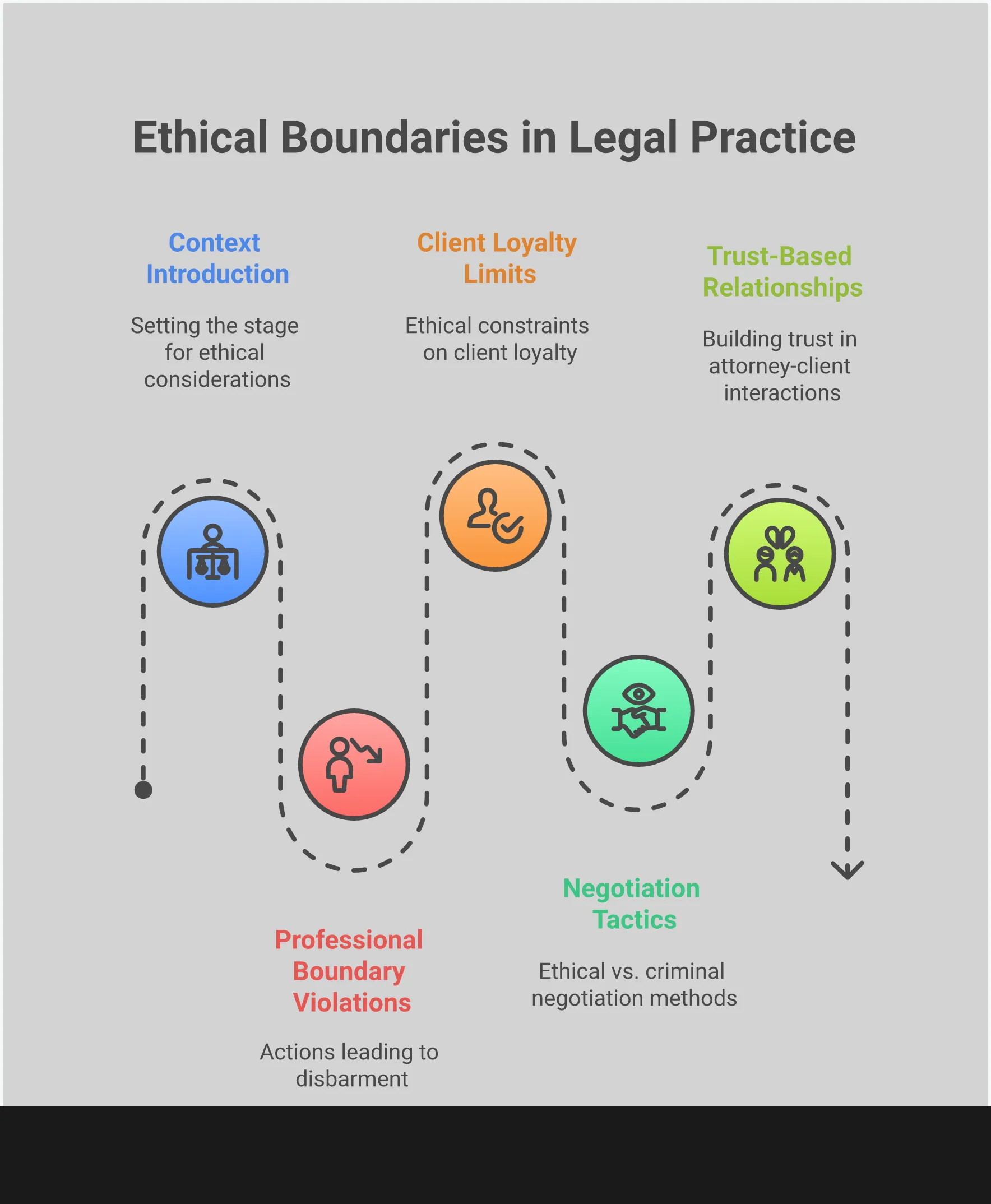
While Helen Pierce is a fictional character in a high-stakes drama, her story offers some surprisingly clear lessons about the ethical responsibilities every real-world lawyer must uphold. Her journey from a sharp corporate attorney to a cartel enforcer is a masterclass in what happens when professional ethics are not just bent, but completely shattered. In reality, lawyers are bound by a strict code of professional conduct that governs everything they do, from client communication to courtroom strategy. This code isn’t just a set of suggestions; it’s the foundation of the legal system, ensuring that justice is pursued fairly and with integrity.
Helen’s character operates so far outside these rules that she becomes a perfect example of what a lawyer should never be. Her actions—participating in criminal conspiracies, ordering violence, and manipulating the law for illegal ends—would get any real attorney disbarred and likely imprisoned. Watching her character arc is a stark reminder that a lawyer’s primary duty is to be an advocate within the bounds of the law, not to operate above it. Her story highlights the critical importance of the ethical guardrails that protect clients, the public, and the integrity of the legal profession itself.
Why You Need Clear Professional Boundaries
One of the most unrealistic parts of Helen’s character is her complete lack of professional boundaries. As many viewers have pointed out, a real attorney would never become directly involved in a client’s criminal activities, let alone commit violent acts on their behalf. A lawyer’s role is to provide legal counsel and representation, not to become a co-conspirator. Crossing that line means risking their license, their freedom, and their life. The legal services a real attorney provides are about resolving conflicts and seeking justice through the established legal system, a world away from the criminal underworld Helen inhabits. True legal professionals understand that their effectiveness depends on maintaining a clear, ethical distance from any illegal conduct.
How to Ethically Balance Client Interests
Helen is portrayed as someone willing to do anything to please her client, Omar Navarro. While fierce dedication is admirable, her approach is a distortion of what it means to represent a client’s best interests. An ethical lawyer is committed to achieving the best possible outcome for their client, but that commitment is always guided by legal and moral principles. They cannot lie to the court, hide evidence, or break the law. The true art of legal practice lies in finding creative, lawful solutions to complex problems. A lawyer’s value comes from their expertise and their integrity, not from a willingness to abandon their principles for a client’s demands.
Recognizing the Dangers of Unchecked Ambition
Helen’s story is ultimately a cautionary tale about the destructive nature of unchecked ambition. She believed that power was the ultimate goal and that the strong were entitled to control the weak. This cynical worldview led her to make increasingly ruthless decisions, alienating allies like the Byrdes and underestimating threats. In the end, her pursuit of power made her disposable to the very people she served. When she tried to eliminate the Byrdes, they outmaneuvered her, and she paid the ultimate price. This illustrates a fundamental truth: abandoning ethics for power is a dangerous game. In the real world, it leads to professional ruin and severe legal consequences. If you need legal help, it’s crucial to find an advocate you can trust to act with integrity.
Related Articles
- Top Lawyers in Springfield, MO – A Simple Guide
- Guide to Lawyers in Springfield, MO – Trusted Advice
- How to Choose a Lawyer in Springfield, MO?
- Finding the Right Lawyer in Springfield, MO
- Top Springfield, Missouri Lawyers by Practice Area – The Law Office of Chad G. Mann, LLC
Frequently Asked Questions
Could a real lawyer get away with what Helen Pierce did? Absolutely not. In the real world, a lawyer who participated in a criminal enterprise, facilitated illegal acts, or ordered violence would face immediate disbarment and serious prison time. Helen’s character makes for great television precisely because her actions are so far beyond the scope of what any ethical, practicing attorney would ever do. The legal profession is governed by a strict code of conduct, and her behavior is a dramatic example of what happens when that code is completely ignored.
What is the biggest ethical line that Helen crossed? While she crossed many, the most significant was moving from a legal advisor to an active participant in the Navarro cartel’s crimes. A lawyer’s duty is to represent their client’s interests within the boundaries of the law. The moment an attorney helps a client commit a crime, they become a co-conspirator. Helen didn’t just advise the cartel; she managed its illegal operations, intimidated witnesses, and was complicit in violence, making her as much a criminal as her client.
Why is it so important for a lawyer to have strong professional boundaries? Strong boundaries are what separate an effective advocate from a dangerous liability. A lawyer’s job is to provide clear, objective legal counsel to help a client with a difficult situation. When those boundaries disappear, as they did with Helen, the lawyer’s judgment becomes compromised. Her personal ambition and involvement in the cartel’s activities ultimately put everyone, including herself, in more danger. A real attorney maintains professional distance to ensure they are always providing sound, ethical guidance.
Do real lawyers use intimidation tactics like Helen? There is a huge difference between being a strong negotiator and using criminal intimidation. An effective lawyer is assertive, strategic, and persuasive, using facts and legal arguments to advocate for their client. Helen’s tactics, on the other hand, relied on threats and the violent reputation of her client. That isn’t legal strategy; it’s coercion and is illegal. Real negotiations are about reaching a resolution, not instilling fear.
If Helen is an example of what not to be, what should I actually look for in a lawyer? Look for an advocate you can trust to be your guide. A good lawyer communicates clearly, acts with integrity, and is committed to serving your best interests while upholding the law. Your relationship should be built on confidence and collaboration, not fear. You need someone who will help you understand your options and work toward the best possible outcome, always acting as your ethical and professional representative.