


When you’re injured, the financial pressure can feel just as heavy as the physical pain. Medical bills start arriving, and if you can’t work, the loss of income creates constant anxiety. Many people hesitate to seek legal help because they worry they can’t afford it—but that’s a myth we need to clear up. You don’t need money upfront to get justice. A qualified personal injury attorney joplin mo works on a contingency fee basis, meaning their success is tied directly to yours. They only get paid if you win.
Key Takeaways
- Focus on recovery, not paperwork: A personal injury attorney manages the entire legal process for you, from investigating the accident and gathering evidence to handling all communication with insurance companies. This allows you to concentrate on what matters most—getting better.
- The right fit matters, and local is a big advantage: When choosing a lawyer, prioritize relevant experience, clear communication, and a strong local reputation. A Joplin attorney understands the specific legal landscape of Southwest Missouri, which can be a significant asset to your case.
- Don’t let cost be a barrier to justice: Most personal injury lawyers work on a contingency fee, which means you pay nothing unless they win your case. This structure, along with a free initial consultation, makes it possible to get expert legal advice without any upfront financial risk.
Understanding the Basics of Personal Injury Law
When you hear the term “personal injury law,” it might sound complicated, but the core idea is straightforward. It’s a legal framework designed to help people who have been hurt because someone else was careless. This area of law covers a wide range of incidents, from car accidents and slips and falls to more complex situations involving defective products. The goal is to ensure the injured person is compensated for their medical expenses, lost wages, and pain and suffering. A personal injury lawyer acts as your advocate, working to hold the responsible party accountable for their actions or negligence. They handle the legal complexities so you can focus on your recovery.
What is a “Tort” Claim?
A personal injury case is a type of “tort” claim. A tort is simply a civil wrong that causes someone else to suffer loss or harm, resulting in legal liability for the person who commits the act. It’s different from a criminal wrong, where the state prosecutes someone for breaking a law. In a tort case, an individual who has been harmed seeks compensation directly from the person or entity that caused the injury. As Wikipedia puts it, “A personal injury lawyer helps people who have been hurt, either physically or mentally, because another person, company, or government agency was careless.” This carelessness, or negligence, is the foundation of most personal injury claims.
A Look at Personal Injury Statistics
The thought of a long, drawn-out court battle can be intimidating, but the reality of personal injury cases is often quite different. Statistics show that the vast majority of claims are resolved long before they reach a courtroom. This is good news for anyone worried about the stress and uncertainty of a trial. Understanding these numbers can help demystify the process and provide a clearer picture of what to expect. It highlights that reaching a fair agreement is the most common outcome, allowing you to receive compensation without enduring a lengthy legal fight. Knowing the odds can empower you to move forward with confidence.
Settlement vs. Trial Rates
One of the most reassuring statistics is how frequently cases are settled out of court. According to research from John Michael Bailey Injury Lawyers, “About 95% of these cases are settled before they ever go to a full trial in court.” This happens because both sides often prefer to avoid the time, expense, and risk of a trial. A settlement is a negotiated agreement where the at-fault party’s insurance company agrees to pay a specific amount to resolve the claim. An experienced attorney is crucial in these negotiations to ensure the settlement offer is fair and fully covers your damages, both present and future.
Success Rates by Case Type
For the small fraction of cases that do proceed to trial, the outcome can vary. The same source notes that when cases go to court, “people who filed the lawsuit (plaintiffs) win about half the time (50%).” This 50/50 statistic underscores the importance of having a strong, well-prepared case and a skilled attorney who is ready and willing to fight for you in court if a fair settlement cannot be reached. The success of a case often depends on the quality of the evidence, the clarity of the legal arguments, and the experience of your legal team in presenting your story effectively to a judge or jury.
What to Do Immediately After an Injury
The moments following an injury are often chaotic and overwhelming. It’s difficult to think clearly when you’re in pain and feeling shaken. However, the actions you take right after an accident can have a significant impact on both your health and your ability to file a successful personal injury claim later on. While every situation is unique, there are a few critical steps you should always try to follow. These actions help protect your well-being and preserve important evidence that will be essential for proving your case. Taking a deep breath and focusing on these key priorities can make all the difference.
Step 1: Seek Medical Attention
Your health is the absolute first priority. Even if you feel your injuries are minor, it’s crucial to get a professional medical evaluation. As legal experts at My AZ Lawyers advise, “Get medical help right away if you need it.” Some serious injuries, like concussions or internal bleeding, may not have immediate symptoms. Seeking prompt medical care not only ensures you receive the treatment you need but also creates an official record of your injuries, which is vital for your claim. Delaying a doctor’s visit can give an insurance company an excuse to argue that your injuries weren’t caused by the accident.
Step 2: Report the Accident
Formally documenting the incident is another critical step. This means you should “Report the accident to the police or other proper authorities.” If you were in a car crash, call 911 so the police can create an official accident report. If you were injured on someone else’s property, like in a store or restaurant, report the incident to the manager or owner and make sure they file an incident report. This official documentation serves as a key piece of evidence, establishing the date, time, location, and basic facts of what happened. It’s an objective record that is much harder to dispute later.
Step 3: Keep Detailed Records
Evidence can disappear quickly, and memories can fade, so it’s important to gather as much information as you can while the details are still fresh. As John Michael Bailey Injury Lawyers explains, you should “Collect photos, police reports, and witness details as soon as possible, as these can be lost or forgotten over time.” Use your phone to take pictures of the scene, your injuries, and any property damage. If there were witnesses, get their names and contact information. Start a file to keep all your medical bills, receipts, and any correspondence with insurance companies. If you need guidance on what to document, you can always contact an attorney for advice.
How a Joplin Personal Injury Attorney Can Help
When you’re injured because someone else was careless, the term “personal injury” can feel a bit vague. In reality, it covers a wide range of situations where you’ve been harmed and need help getting back on your feet. A skilled personal injury attorney is your advocate, handling the legal details so you can focus on healing. They understand the specific challenges that come with different types of accidents and injuries. From gathering evidence to negotiating with insurance companies, their goal is to ensure you receive fair compensation for your medical bills, lost wages, and pain and suffering. The right legal support can make all the difference in the outcome of your case. Let’s look at some of the most common practice areas a Joplin attorney can assist with.
Handling Car and Motorcycle Accident Claims
Road accidents are unfortunately common, and the aftermath can be overwhelming. You’re dealing with injuries, vehicle repairs, and calls from insurance adjusters whose main goal is to pay out as little as possible. A personal injury attorney steps in to manage these complexities for you. They handle all communication with the insurance companies, investigate the accident to establish fault, and fight to make sure you get the compensation you truly deserve for your injuries and other losses. Many firms specialize in various types of personal injury cases, including car, truck, and motorcycle accidents, because they know the specific laws and tactics involved in each. This expertise is vital for building a strong claim on your behalf.
When Medical Care Goes Wrong
Placing your trust in a medical professional only to be harmed by their negligence is a devastating experience. Medical malpractice cases are incredibly complex, requiring a deep understanding of both legal principles and medical standards of care. An attorney experienced in this area knows how to prove that a doctor or hospital failed in their duty, leading to your injury. They work with medical experts to review records and build a case that clearly demonstrates the mistake. Because these claims are so challenging, having a lawyer who specializes in medical mistakes is crucial. They have the resources and knowledge to stand up to large medical institutions and their insurance providers.
Injured on Someone Else’s Property?
A simple slip and fall can result in serious, long-term injuries. These incidents fall under an area of law called premises liability, which holds property owners responsible for maintaining a safe environment. To win a slip-and-fall case, you have to prove that the property owner knew (or should have known) about a dangerous condition and did nothing to fix it. An attorney can help you gather the necessary evidence, like security footage or witness statements, to prove liability. They can help people who have been hurt in slip-and-fall accidents by demonstrating negligence and securing compensation for medical expenses and other damages.
Seeking Justice After a Wrongful Death
Losing a family member is the most difficult experience a person can go through. When that loss is caused by someone else’s negligence, the grief is often compounded by anger and financial uncertainty. While no amount of money can replace your loved one, a wrongful death claim can provide financial stability for your family and hold the responsible party accountable. A compassionate personal injury attorney can guide you through this painful process with sensitivity. They handle the legal burdens of filing a claim, allowing your family to focus on grieving and healing. This legal support ensures that families receive the justice and compensation they need during an unimaginable time.
Understanding Your Rights After a Work Injury
Getting injured on the job introduces a unique set of challenges. The workers’ compensation system is supposed to be straightforward, but it’s often a complicated process filled with deadlines and paperwork. An attorney can help you file your claim correctly, appeal a denial, and ensure you receive all the benefits you’re entitled to, including medical care and wage replacement. They can help people who have been hurt at work by managing the entire workers’ compensation process. This allows you to concentrate on your recovery without the added stress of fighting with your employer’s insurance company for the support you need.
Finding the Right Personal Injury Attorney in Joplin
After an injury, finding the right legal support can feel like another mountain to climb. You’re dealing with physical pain, emotional stress, and mounting medical bills, and the thought of searching for a lawyer can be overwhelming. But you don’t have to do it alone. The right attorney will be your advocate, guide, and partner through the entire process, taking the legal burden off your shoulders so you can focus on healing. The key is knowing what to look for.
Instead of getting lost in a sea of options, you can simplify your search by focusing on a few essential qualities that separate a good attorney from a great one. Think about their specific experience with cases like yours, what past clients have to say about them, how clearly they communicate, and their deep understanding of local laws. Breaking down your search into these four areas will help you find a Joplin personal injury attorney who is genuinely committed to your case and has the skills to back it up. This isn’t just about finding a lawyer; it’s about finding an ally who will fight for the compensation you deserve.
Check Their Experience and Track Record
When you’re looking for an attorney, you need someone who has successfully handled cases similar to yours. Experience is more than just years in practice; it’s about specific, relevant knowledge. If you were injured in a car accident, you need a lawyer who knows the ins and outs of traffic laws and insurance company tactics. A firm with a proven track record demonstrates that they have the skills to secure the compensation their clients need. Look for an attorney who is transparent about their practice areas and can point to a history of successful outcomes. This shows they have a tested process for building strong cases and achieving positive results for their clients.
See What Past Clients Are Saying
Client reviews are your window into what it’s actually like to work with an attorney. While a firm’s website will highlight its successes, testimonials and online reviews offer a more candid perspective from people who have been in your shoes. Look for comments that mention the attorney’s communication style, professionalism, and dedication. Did previous clients feel heard and supported? Were they kept informed about their case? These firsthand accounts can give you confidence that you’re choosing someone who truly cares about their clients and will treat you with respect throughout the legal process. They provide invaluable insight into the client experience you can expect.
Prioritize Clear and Consistent Communication
You should never feel like you’re in the dark about your own case. Clear, consistent communication is the foundation of a strong attorney-client relationship. From your very first conversation, pay attention to how the attorney and their staff interact with you. Do they explain complex legal terms in a way you can understand? Do they listen patiently to your story and answer your questions directly? Your initial consultation is the perfect opportunity to gauge their communication style. You need an advocate who will keep you updated on progress and is available to talk when you have concerns. Feeling comfortable and confident in your attorney’s ability to communicate is essential.
Confirm Their Expertise in Missouri Law
Personal injury law isn’t the same everywhere; it varies from state to state. That’s why it’s so important to hire an attorney who has a deep understanding of Missouri’s specific statutes and legal precedents. For example, most personal injury lawyers in our state work on a contingency fee basis, which means you don’t pay unless they win your case. An attorney well-versed in Missouri law will understand how these fee structures work and can explain all the details. Their local knowledge can also give you an edge in securing a better settlement than you might get on your own. You can learn more about personal injury lawyer costs in Missouri to get a clearer picture of what to expect.
Understanding Lawyer Qualifications and Ethics
Beyond their track record, it’s important to know that your attorney is held to high professional standards. Every personal injury lawyer must be licensed to practice law in the state where they work, which means they’ve met rigorous educational and testing requirements. They also follow a strict code of ethical conduct set by state bar associations. This isn’t just a formality; it’s a promise to work diligently and honestly for you. This commitment is also reflected in the contingency fee structure. By only getting paid if you win your case, their interests are directly aligned with yours. It’s a system built on trust, ensuring your lawyer is fully invested in securing the best possible outcome for you.
Preparing for Your First Consultation
Walking into a law office for the first time can feel a little intimidating, but it doesn’t have to be. Your initial meeting with a personal injury attorney is simply a conversation. It’s your chance to share your story and learn about your legal options, and it’s the attorney’s chance to understand the details of your situation. Think of it as a two-way interview where you can decide if the attorney is the right partner to help you move forward. Knowing what to expect can make the entire process feel much more comfortable and productive.
What Happens During a Free Case Review?
Many personal injury attorneys in Missouri offer a free initial consultation, which allows you to discuss your case without any financial commitment. This first meeting is a safe, confidential space for you to explain what happened and ask any questions you have. The goal is for the attorney to hear your story and give you an honest assessment of your situation. You won’t be pressured to sign anything on the spot. Instead, you’ll leave with a clearer understanding of your rights and potential next steps. You can schedule a free consultation to get started and see if our firm is the right fit for you.
What to Bring to Your First Meeting
To make the most of your first meeting, it helps to come prepared. Gathering a few key documents beforehand can give your attorney a much clearer picture of your case from the very beginning. If you have them, try to bring copies of the police or incident report, your medical records and bills from any treatment you’ve received, and photos of the accident scene or your injuries. It’s also helpful to bring any letters you’ve received from insurance companies and the contact information for any witnesses. Don’t worry if you can’t find everything; just bring what you can. Being organized will help streamline the conversation and allow the attorney to assess your case more effectively.
What Your Attorney Will Want to Know
During your consultation, the attorney will guide the conversation with questions designed to get to the heart of your case. Be prepared to talk through the specifics of the incident, including the date, time, and location. They will ask you to describe your injuries in detail and talk about the medical treatment you’ve received so far. Other common questions include whether you’ve missed time from work and if you’ve spoken to any insurance adjusters. The purpose of these questions is to gather the facts needed to assess your claim. Just be open and honest—the more information you can provide, the better your attorney can understand your situation.
How an Attorney Evaluates Your Claim
As you share your story, the attorney will be evaluating several key factors to determine the strength of your potential claim. They’ll consider the severity of your injuries, your current and future medical expenses, and any lost wages from being unable to work. They will also analyze who was at fault and how clear the evidence is. Based on these details, they can start to form a legal strategy and give you an idea of what to expect. While they can’t promise a specific outcome, they can explain the different types of personal injury cases and help you understand what compensation you may be entitled to.
Assessing the Viability of Your Case
After hearing your story, an attorney will assess whether your case has a strong chance of success. To build a viable claim, you must be able to prove that someone else was careless and that their carelessness directly caused your injuries. This is where evidence becomes critical. Things like police reports, medical records, photos from the scene, and witness statements all help build a solid foundation for your case. It’s reassuring to know that most people who file a personal injury claim either win or settle their case successfully, with about 95% of cases being resolved before ever going to trial. An experienced attorney uses the initial consultation to weigh these factors and give you an honest opinion on the strength of your claim.
How Do Personal Injury Attorneys Get Paid?
One of the biggest worries after an accident is how you’ll afford legal help, especially when you’re already facing medical bills and time off work. The good news is that most personal injury attorneys have a payment structure designed to remove that financial barrier. Instead of asking for money upfront, they work on a system that aligns their success directly with yours. This approach allows you to seek justice without adding more financial strain to your situation. Understanding how this works can give you the confidence to reach out and get the support you need.
How Contingency Fees Work
Most personal injury attorneys in Missouri operate on a contingency fee basis. This means they only get paid if they win your case, either through a settlement or a court verdict. If you don’t receive any compensation, you don’t owe them any attorney fees for their time. Their payment is a pre-agreed-upon percentage of the final amount you recover. Typically, personal injury lawyers charge between 33% and 40% of the settlement. This percentage can sometimes change depending on how complex the case is or if it needs to go to trial. This model ensures your attorney is motivated to secure the best possible outcome for your personal injury claim.
The Importance of a Written Agreement
Before moving forward, any trustworthy attorney will give you a written fee agreement. This isn’t just a formality; it’s a crucial document that protects you and makes sure everyone is on the same page. Think of it as a roadmap for your professional relationship, clearly laying out the terms so there are no surprises later. The agreement will detail the exact contingency fee percentage, explain how case-related expenses like court filing fees are managed, and define the scope of the legal services. Having everything in writing prevents misunderstandings and builds a foundation of trust. It formalizes the promise that you pay nothing unless they win your case.
Are There Other Legal Costs to Consider?
While the attorney’s fees may be contingent on winning, other costs associated with building your case may not be. These are the direct expenses required to pursue your claim, such as court filing fees, the cost of obtaining medical records, fees for expert witnesses, or deposition expenses. Many law firms, including ours, will cover these costs upfront and then deduct them from your final settlement amount after the attorney’s fee is calculated. It’s an important topic to discuss during your initial consultation. Be sure to ask for a clear explanation of how case-related costs are handled so you know exactly what to expect. You can schedule a free consultation to discuss your case and our fee structure.
You Don’t Pay Unless You Win
With a contingency fee agreement, you don’t pay anything until your case is successfully resolved. Once a settlement is reached or a verdict is won, the funds are typically sent to your attorney’s office. From there, they will deduct their agreed-upon percentage and any outstanding case costs. The remaining amount is yours. This is very different from other legal matters that often require an upfront retainer or are billed at an hourly rate. By working on a contingency basis, we make sure that our focus stays on getting you the compensation you deserve without asking you to pay out-of-pocket along the way. It’s part of our commitment to putting our clients first, a principle that guides how we practice law.
What Is Your Personal Injury Claim Worth?
If you’ve been injured because of someone else’s negligence, you’re likely facing unexpected costs and challenges. A personal injury claim is designed to help you recover financially, so you can focus on healing. The compensation, often called “damages,” is meant to cover the losses you’ve suffered. While every case is unique, understanding the potential compensation can help you see the path forward. The goal is to secure a settlement that addresses both your immediate expenses and the long-term impact of your injury.
Types of Damages You Can Claim in Missouri
In Missouri, the law recognizes that an injury affects more than just your wallet. That’s why there are different types of damages you can pursue. The first category is economic damages, which cover the tangible, out-of-pocket costs you’ve incurred. This includes medical bills, lost wages from being unable to work, and property damage, like repairs to your car. The second category is non-economic damages. These are for the less tangible, but equally real, impacts of your injury, such as pain and suffering, emotional distress, and the loss of enjoyment in activities you once loved. A skilled attorney can help calculate the full extent of these damages to ensure your claim is valued fairly.
Economic Damages
Think of economic damages as the black-and-white costs of your injury—the ones you can track with receipts and pay stubs. These are the most straightforward part of your claim because they represent tangible financial losses. This category covers all your medical expenses, from the initial emergency room visit to ongoing physical therapy and future care needs. It also includes any lost wages from the time you had to take off work to recover. If your property was damaged in the incident, such as your car in an accident, the cost of repairs or replacement also falls under economic damages. The goal is to make you financially whole again for the direct, out-of-pocket expenses you’ve faced.
Non-Economic Damages
Not all losses come with a price tag. Non-economic damages are meant to compensate you for the real, but less tangible, ways an injury has affected your life. This includes the physical pain and suffering you’ve endured, as well as the emotional distress, anxiety, or trauma resulting from the incident. It also covers the loss of enjoyment of life—for example, if your injury prevents you from participating in hobbies or activities you once loved. While it’s impossible to put a true dollar value on these experiences, the legal system recognizes their significance. An experienced attorney knows how to build a case that demonstrates the full impact on your quality of life, ensuring this critical part of your suffering is not overlooked.
Punitive Damages
In some rare cases, another type of compensation called punitive damages may be awarded. Unlike economic and non-economic damages, which are meant to compensate the victim, punitive damages have a different purpose. They are intended to punish the person or entity responsible for the injury and deter them—and others—from similar reckless behavior in the future. These are not awarded in a typical negligence case. Instead, they are reserved for situations involving extreme or intentional misconduct, such as a drunk driver causing a serious accident. Because the standard of proof is much higher, punitive damages are not a factor in most personal injury claims, but they can be a powerful tool for justice in the most severe cases.
What Affects Your Settlement Amount?
Several key elements will influence the final amount of your settlement. The severity of your injury is a primary consideration, as are the total medical expenses you’ve accumulated and will need in the future. Your ability to work and earn a living is another critical piece; if your injury has impacted your career, that loss of income will be factored in. According to one Missouri firm, medical expenses are a significant part of calculating economic damages. The amount of pain and suffering you’ve endured also plays a major role. An experienced attorney will carefully document all these factors to build a strong case for the compensation you deserve.
How Long Does It Take to Get Your Settlement?
It’s natural to wonder how long the process will take. Unfortunately, there isn’t a single, simple answer. The timeline for receiving a settlement can vary widely from one case to the next. A straightforward claim might resolve in a few months, while a more complex case could take a year or longer. Factors that affect the timeline include the time needed to complete medical treatment, gather evidence, and negotiate with insurance companies. If a fair settlement can’t be reached and the case goes to court, the process will take longer. An attorney can give you a more personalized estimate of how your settlement will be calculated and what to expect based on the specifics of your situation.
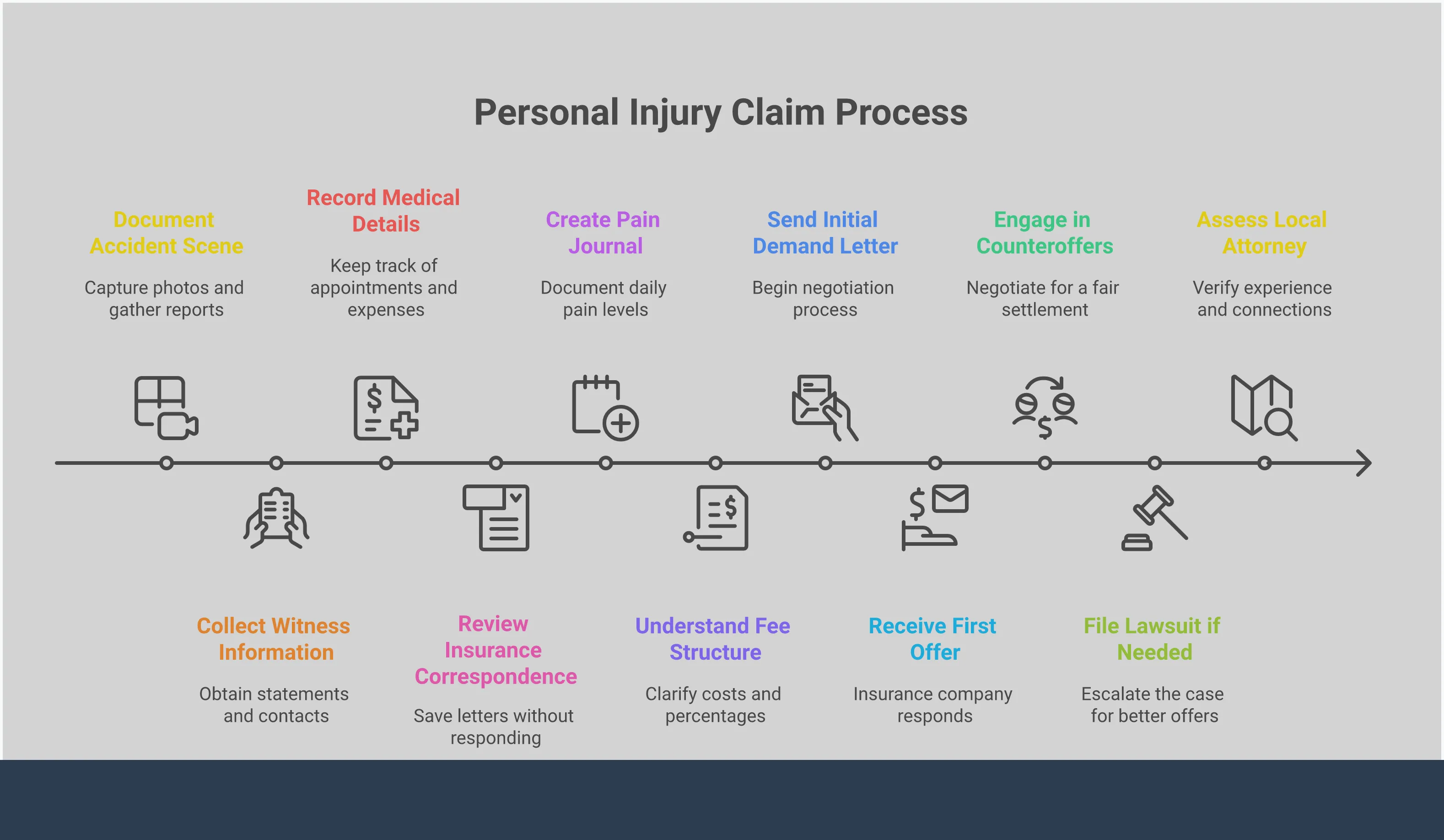
The Missouri Personal Injury Claim Process
Understanding the path your personal injury claim will take can make the entire process feel much more manageable. While every case is unique, most follow a similar progression. From the initial filing to the final resolution, here’s a breakdown of what you can generally expect when you work with a personal injury attorney in Missouri.
Step 1: Filing Your Initial Claim
This is the first official step to seeking compensation. Once you’ve chosen an attorney and they’ve agreed to take your case, they will handle the legal paperwork to file your claim. Most personal injury attorneys work on a contingency fee basis, which means you don’t pay them unless they win your case. It’s a common arrangement that makes legal help accessible. However, it’s good to clarify from the start which case-related costs, like filing fees or expert witness expenses, might be separate from this fee.
Step 2: Building Your Case with Evidence
Next, your attorney will begin a thorough investigation into your accident. This is where they build the foundation of your case. They will gather police reports, medical records, witness statements, photos of the scene, and any other documentation that supports your claim. The more detailed evidence you can provide, the better. These records are essential for calculating the full extent of your damages and give your attorney the leverage needed when dealing with insurance companies. A strong collection of evidence shows you are serious and prepared to prove your case.
The Role of Expert Witnesses
Sometimes, the details of an accident or injury are too technical for a judge or jury to understand on their own. This is where an expert witness becomes essential. These are professionals—like doctors, accident reconstruction specialists, or financial experts—who can offer specific knowledge to clarify complicated parts of your case. For example, a medical expert can explain the long-term effects of your injury, while an accident reconstructionist can use science to show exactly how a collision happened. Their job is to translate complex information into clear, understandable testimony, which can be critical for proving fault and demonstrating the full extent of your damages.
Step 3: Negotiating a Fair Settlement
With a strong case built, your attorney will enter into negotiations with the at-fault party’s insurance company. The goal is to reach a fair settlement without having to go to court. During this phase, your lawyer will present the evidence and argue for compensation based on factors like the severity of your injuries, your medical bills, lost wages, and pain and suffering. Missouri law allows for these considerations when determining a fair amount. An experienced negotiator can make a significant difference in the outcome of your personal injury case. Most claims are resolved at this stage.
Why Patience Is Key in Negotiations
It can be tempting to accept the first settlement offer that comes your way, especially when bills are piling up. However, it’s crucial to understand that a quick offer is almost always a low offer. Insurance companies are businesses focused on minimizing their payouts, and they often present an initial lowball amount hoping you’ll take it and close the case quickly. Your attorney needs time to fully assess the long-term impact of your injuries, gather all the evidence, and build a strong negotiating position. This process ensures the settlement demand covers not just your current medical bills but also future care, lost wages, and your pain and suffering. While it requires patience, this strategic approach is why about 95% of personal injury cases are settled successfully before ever going to trial. Rushing the process often means leaving money on the table that you are rightfully owed.
Step 4: What if Your Case Goes to Trial?
If the insurance company refuses to offer a fair settlement, the next step is to take your case to trial. While this isn’t the most common outcome, your attorney should be prepared for it from the very beginning. Going to court can be a longer and more complex process, and attorney fees may increase to reflect the additional work involved—this is something that should be outlined in your initial agreement. Having a trial-ready lawyer ensures that you are prepared for any direction the case takes and sends a clear message to the other side that you won’t accept an unfair offer.
Common Reasons for Going to Trial
While most personal injury claims are resolved through a settlement, some situations make a trial necessary. One of the most common reasons is a dispute over liability—if the other party’s insurance company refuses to admit their client was at fault, there’s no common ground for negotiation. Another major factor is an unreasonably low settlement offer. Sometimes, an insurer will propose an amount that doesn’t come close to covering your medical bills, lost wages, and suffering. When negotiations break down because the other side simply won’t be fair, taking the case to a judge or jury becomes the only way to pursue the full compensation you deserve. This step isn’t a failure; it’s a strategic move to ensure justice is served.
Why Should You Hire a Local Joplin Attorney?
When you’re dealing with the stress of a personal injury, it can be tempting to search for the biggest law firm you can find, even if they’re in a different city. But choosing an attorney who is part of your own community offers powerful advantages that can’t be overlooked. A local Joplin attorney isn’t just a legal representative; they’re a neighbor who understands the area, the people, and the specific legal environment you’re operating in.
Hiring locally means you’re working with someone who has built a career within the Southwest Missouri court system. They have firsthand experience with the local procedures, the judges who will hear your case, and the way juries in this area tend to think. This isn’t about having an “in”—it’s about having informed, practical knowledge that can shape a more effective legal strategy. A local lawyer is also invested in the community and their reputation within it, which often translates to a deeper commitment to their clients’ success. They are more accessible for in-person meetings and are accountable to the same community you are a part of. From understanding the nuances of state and local laws to having a network of trusted local resources, a Joplin attorney brings a level of insight that an outsider simply can’t match.
The Advantage of Local Courtroom Experience
An attorney who regularly practices in Joplin and the surrounding counties has a home-field advantage. They understand the formal rules and the unwritten etiquette of the local courthouses. They’ve likely appeared before the same judges who may preside over your case and have a sense of their temperament and legal interpretations. This familiarity can provide strategic advantages that make a big difference in how your case is presented and perceived. Knowing the local legal landscape means your attorney can anticipate potential challenges and prepare a strategy tailored specifically to the environment where your case will be decided, giving you a solid footing from the start.
Deep Knowledge of the Local Legal Community
Personal injury law is a complex and specialized field, and a local attorney will have a deep understanding of how Missouri’s laws are applied right here in our community. State laws provide the framework, but local precedents and regulations can add another layer of complexity. An attorney who is immersed in the Southwest Missouri legal scene stays current on these local details. They know which arguments are most effective in our courts and have the experience to handle your case with precision. This specialized knowledge is crucial, as it ensures your claim is built on a strong foundation that reflects both state law and local legal standards for various practice areas.
Access to Local Experts and Resources
A well-established local attorney has a network of trusted professionals in the area. This can include everyone from respected medical experts who can testify about your injuries to accident reconstruction specialists who can provide critical evidence for your case. They are also familiar with local and state-level support systems. For instance, The Missouri Bar provides a variety of resources and services to citizens that a local lawyer can help you access. This commitment to the community means they are truly dedicated to securing the compensation you deserve right here in Joplin, using their local connections to build the strongest possible case on your behalf.
Warning Signs of the Wrong Attorney
Finding the right legal partner is a huge step, but it’s just as important to know how to spot the wrong one. When you’re already dealing with the stress of an injury, the last thing you need is an attorney who adds to your problems. Trust your gut, and be on the lookout for a few key warning signs that an attorney might not be the right fit for you or your case. These red flags can help you make a more informed decision and find someone who will truly advocate for your best interests.
Promises That Sound Too Good to Be True
Be wary of any lawyer who guarantees a win or promises a specific settlement amount. The legal system has too many variables for anyone to make that kind of promise. A skilled personal injury lawyer will be confident in their abilities but realistic about the process. They should focus on explaining their strategy and how they’ll leverage their expertise to negotiate aggressively on your behalf. Their goal is to reach a fair settlement as efficiently as possible, not to sell you on an outcome that isn’t guaranteed. An honest attorney will manage your expectations, not make empty promises.
A Lack of Clear Communication
You should feel like a priority, not an afterthought. If an attorney is hard to reach, doesn’t return your calls, or fails to provide regular updates, it’s a major red flag. Clear communication is essential for a strong attorney-client relationship. Your lawyer is there to help you, and giving them all the correct information is vital for the best possible outcome. This partnership works both ways; you need to be kept in the loop about progress, setbacks, and next steps. A good lawyer will make sure you understand what’s happening with your case and will be available to answer your questions.
Not Specializing in Personal Injury Law
Personal injury law is a specialized field. You wouldn’t see a foot doctor for a heart problem, and the same logic applies here. An attorney who primarily handles divorces or real estate might not have the specific knowledge needed for your injury claim. Hiring the wrong attorney can seriously jeopardize your case, while the right one can improve your chances of a favorable outcome. When you’re vetting potential lawyers, make sure they have a proven track record with personal injury cases similar to yours. Don’t be afraid to ask about their experience and past results.
Asking for Fees Before You Win
Most reputable personal injury attorneys work on a contingency fee basis. This means they only get paid if you win your case, with their fee being a percentage of your settlement or award. If a lawyer asks for a large upfront retainer or wants to charge you by the hour for a personal injury claim, you should be cautious. While you may still be responsible for some case-related costs, the attorney’s payment should be tied to their success. This structure ensures your lawyer is motivated to get you the best possible result. Always get a clear explanation of the fee arrangement in writing before you sign anything.
Don’t Believe These Personal Injury Myths
When you’re dealing with an injury, the last thing you need is misinformation. The world of personal injury law can seem confusing, and unfortunately, there are a lot of myths out there that can prevent people from getting the help they deserve. Let’s clear up a few of the most common misconceptions so you can move forward with confidence. Understanding the truth can make a huge difference in your ability to recover physically and financially after an accident. These myths often stop people from even making a phone call, but getting the facts is the first step toward protecting your rights.
Myth #1: “I can handle my own case.”
It’s tempting to think you can manage your own personal injury claim, especially if you’re trying to save money. While you technically have the right to represent yourself, it’s a bit like trying to perform your own surgery—possible, but not recommended. The legal system and insurance policies are filled with complexities that can easily trip you up. Insurance companies have teams of lawyers working to pay out as little as possible. An experienced attorney understands their tactics and knows how to build a strong case, gather the right evidence, and handle negotiations to ensure you receive fair compensation for your injuries.
Myth #2: “I can’t afford a good attorney.”
This is one of the biggest and most damaging myths. Many people believe hiring a lawyer requires a lot of upfront cash, but that’s not how personal injury law typically works. Most personal injury attorneys, including our firm, operate on a contingency fee basis. This means you don’t pay any attorney fees unless we win your case. The fee is simply a percentage of the final settlement or award. This approach allows everyone to access quality legal representation, regardless of their financial situation. You can schedule a free consultation to discuss your case without any financial risk.
Myth #3: “My injuries aren’t serious enough.”
It’s easy to downplay your own injuries, especially when you’re comparing them to worst-case scenarios. You might worry that your situation isn’t “bad enough” to involve a lawyer. However, even injuries that seem minor at first can lead to long-term pain, mounting medical bills, and lost time at work. The true cost of an accident isn’t always obvious right away. An experienced attorney can help you understand the full value of your claim and fight for the compensation you need to cover all of your losses, not just the immediate ones. Don’t decide your case is too small before getting a professional opinion.
What to Ask Before Hiring a Personal Injury Attorney
Your initial consultation is more than just a chance to tell your story; it’s an interview. You are hiring someone for a very important job, and you need to make sure they’re the right fit. Going in with a list of questions will help you make an informed decision and feel confident in your choice. Here are a few key questions to get you started.
Do you have experience with cases like mine?
This is one of the most important questions you can ask. Personal injury law is broad, and you want an attorney who has specific experience with your type of case, whether it’s a car accident, a slip-and-fall, or something else. An attorney who has handled similar claims before will understand the specific challenges and know what it takes to build a strong case. They can use that experience to work toward a fair settlement as efficiently as possible. Don’t be afraid to ask for examples of similar cases they’ve handled and what the outcomes were. You can also review a firm’s practice areas to see if their expertise aligns with your needs.
What is your initial strategy for my case?
A good attorney should be able to give you a general outline of their plan for your case. While the details might change as things progress, they should be able to explain the initial steps, what evidence they’ll need to gather, and the potential paths your case could take. This conversation should help you understand how they’ll value your claim and what a realistic outcome might look like. A clear strategy shows that the attorney is organized and thinking ahead. It also gives you a roadmap for what to expect, which can reduce a lot of the stress and uncertainty that comes with a personal injury claim.
How will you keep me updated on my case?
Clear and consistent communication is the foundation of a good attorney-client relationship. You need to know how the firm will keep you in the loop. Will you get updates by phone or email? How often can you expect to hear from them? Who is your main point of contact—the attorney or a paralegal? Establishing these expectations from the start prevents frustration later on. You should feel comfortable reaching out with questions and confident that you’ll get a timely response. A law firm that prioritizes communication will make it easy for you to contact them when you need to.
How does your local network benefit my case?
A great local attorney does more than just handle the legal side of things; they connect you with resources in your community that can help you recover. They may have relationships with doctors, physical therapists, or counselors who can assist with your treatment. They might also be able to point you toward local support services you didn’t know existed. For example, organizations like Missouri Lawyers Help offer services for citizens across the state, while other groups provide peer support and advocacy. An attorney who is invested in the Joplin community will have a network that can support you beyond the courtroom.
Related Articles
- Springfield, MO Personal Injury Lawyers – Your Legal Team
- Missouri Personal Injury Law – What You Should Know
- Best Personal Injury Lawyer in Springfield, MO – Find Yours
- The Top Personal Injury Lawyers in Springfield, MO
- Top Personal Injury Attorney in Springfield, Missouri
Frequently Asked Questions
What if I was partly to blame for my accident? This is a very common concern, and it doesn’t automatically prevent you from receiving compensation. Missouri follows a “pure comparative fault” rule, which means you can still recover damages even if you were partially at fault. However, your final settlement will be reduced by your percentage of fault. For example, if you were found to be 20% responsible for the accident, your total compensation would be reduced by 20%. An experienced attorney can help protect you from being assigned an unfair amount of blame by the insurance company.
Will I definitely have to go to court? It’s highly unlikely. The vast majority of personal injury cases are settled out of court through negotiations between your attorney and the insurance company. Going to trial is generally a last resort used only when the insurance provider refuses to offer a fair settlement that covers your losses. A skilled attorney prepares every case as if it might go to trial, which actually strengthens their negotiating position and makes a fair settlement more probable.
How long will it take to resolve my personal injury claim? There isn’t a set timeline, as every case is different. A straightforward claim might be resolved in a matter of months, while a more complex case involving serious injuries could take a year or more. The length of time often depends on factors like how long your medical treatment lasts, how willing the insurance company is to negotiate fairly, and whether a lawsuit needs to be filed. The goal is to secure the best possible outcome for you, not the fastest one, so it’s important to be patient with the process.
Should I accept the insurance company’s first settlement offer? You should be very cautious about accepting an initial offer from an insurance company. These first offers are often far less than what your claim is actually worth and are made quickly in the hope that you’ll take the money before you understand the full extent of your injuries and expenses. It’s always best to speak with an attorney before accepting any offer or signing any documents. Your lawyer can properly value your claim and negotiate for the full compensation you deserve.
What happens if I don’t win my case? Because most personal injury attorneys work on a contingency fee basis, you will not owe any attorney fees if you don’t win your case. This arrangement removes the financial risk of seeking legal help. It’s important to clarify during your initial consultation how other case-related costs, like filing fees or expert witness expenses, are handled. Many firms will cover these costs and only seek reimbursement if you receive a settlement or award.
A Note on “Tort Reform”
You might hear the term “tort reform” in the news and wonder what it has to do with your situation. A “tort” is simply the legal term for a wrongful act that causes someone harm, which is the basis of any personal injury claim. Tort reform refers to changes in the laws that govern these cases. These changes are often proposed with the goal of limiting the number of lawsuits or the amount of compensation that can be awarded. While the stated purpose might sound reasonable, these reforms can have a direct and often negative impact on an injured person’s ability to get the justice and financial support they need to recover.
To see how this works in practice, look at the recent changes in Florida’s personal injury laws. In 2023, the state passed significant tort reform that shortened the time limit for filing a claim from four years to just two. These new laws also restricted the types of cases that can be brought to court and changed how compensation is paid out. This is a powerful example of how quickly the legal landscape can shift, making it harder for injured individuals to exercise their rights. It highlights how legislative changes can directly affect your ability to seek compensation after an accident.
While those specific laws are in Florida, the conversation around tort reform is happening in states across the country, including Missouri. This is why it’s so important to work with an attorney who is not only an expert in personal injury law but is also deeply familiar with the current legal climate in our state. A knowledgeable local lawyer stays on top of these developments and understands how to build a strong case within the existing laws. They can provide guidance based on the specific statutes that apply here, ensuring your rights are protected no matter how the legal landscape evolves. This expertise across all practice areas is essential for navigating your claim successfully.