

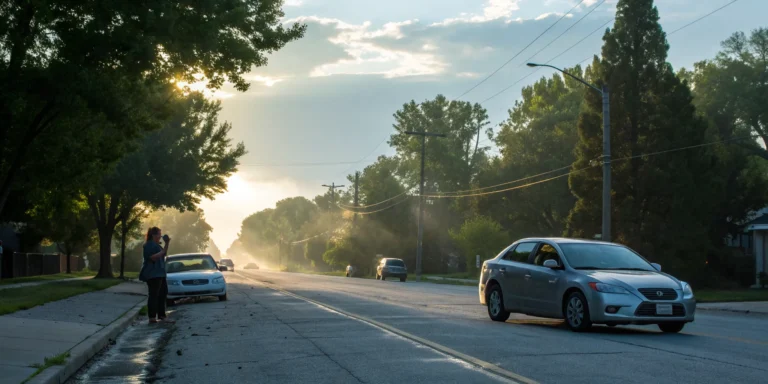
The moments after a car accident are a blur of adrenaline and confusion. It’s easy to make a mistake that could cost you later. Saying a simple “I’m sorry” might be seen as admitting fault. Accepting the first insurance offer could leave you paying for medical bills yourself. Delaying a doctor’s visit makes it tough to link your injuries to the crash. To help you avoid these common pitfalls after a car accident Springfield, we’ve created a straightforward guide to protect your rights and your recovery.
Key Takeaways
- Secure the Scene and Gather Evidence: After checking for injuries and calling for help, methodically collect key information. Use your phone to photograph driver’s licenses, insurance cards, vehicle damage, and the overall scene, and be sure to get contact details from any witnesses.
- Prioritize Medical Attention and Official Reports: See a doctor as soon as possible, even if you feel fine, as adrenaline can mask serious injuries and a medical visit creates a crucial record. Always file a police report to establish an official, unbiased account of the incident for your claim.
- Be Cautious with Insurers and Know When to Get Help: When speaking to insurance adjusters, stick to the facts and never admit fault. Reject quick settlement offers that are often too low, and consult an attorney if you have significant injuries or face a dispute to ensure you receive fair compensation.
Just Had a Car Accident in Springfield? Do This First
The moments after a car accident can feel chaotic and overwhelming. Your adrenaline is pumping, and it’s tough to think clearly. Taking a deep breath and focusing on a few key steps can make a huge difference for your safety and any future claims. Your immediate actions should focus on three things: checking for injuries and getting help, making the scene as safe as possible, and, if appropriate, moving the vehicles out of traffic. Following these steps can protect you and others from further harm and help you stay in control of a stressful situation.
Assess Injuries and Call 911
Before you do anything else, check yourself for injuries. Then, if you are able, check on your passengers and the people in the other vehicle. If anyone is hurt, call 911 immediately. Don’t try to move someone who is seriously injured unless their location puts them in immediate danger, like in a fire; it’s always best to let paramedics handle it. The City of Springfield outlines these actions as the first step if you’re involved in a traffic accident for a reason—nothing is more important than everyone’s well-being. Even if injuries seem minor, getting a medical evaluation is a wise move.
Make the Accident Scene Safe
Once you’ve addressed any immediate medical needs, your next step is to make the area safer to prevent another collision. Turn off your car’s engine and switch on your emergency flashers. This simple action alerts other drivers that there’s an incident ahead, giving them time to slow down and move over. If you have them, use cones or warning triangles for added visibility, especially at night or in bad weather. If your car is in a dangerous spot, it’s often better to get to a safe location away from traffic while you wait for help to arrive.
When to Move Your Car Off the Road
If the accident was minor and everyone is uninjured, you should try to move your cars out of the flow of traffic. This is only for situations where the damage is minimal and the cars are still drivable. If it’s safe to do so, move to the shoulder or a nearby parking lot. Clearing the road helps prevent traffic jams and reduces the risk of a secondary accident. However, if there are serious injuries, significant damage, or you’re unsure if it’s safe to move your car, leave the vehicles where they are. It’s better to wait for the police to arrive.
Common Causes of Car Accidents in Springfield
While you can’t control what other drivers do, understanding why accidents happen can help you stay more alert on the road. In Springfield, many collisions aren’t random events but the result of specific, often predictable, circumstances. From slick winter roads to drivers simply going too fast, a few key factors are responsible for a significant number of crashes. Recognizing these common causes is the first step toward defensive driving and protecting yourself from a potential accident. Below, we’ll look at some of the most frequent contributors to car accidents in our area, focusing on how both environmental conditions and driver choices play a major role in road safety.
Specific Causes and Contributing Factors to Accidents
It’s rare for a car accident to have a single, isolated cause. More often, a crash is the result of several factors coming together at the wrong moment. For example, a driver who is following too closely might be able to stop in time on a dry day, but add a patch of black ice to the equation, and you have the perfect recipe for a rear-end collision. Understanding how different elements—like weather, speed, and driver attention—interact is crucial. This knowledge not only helps you become a safer driver but also provides important context if you ever need to explain the circumstances of an accident.
Winter Weather Conditions on Missouri Roads
Anyone who has driven through a Missouri winter knows that conditions can change in an instant. Snow, freezing rain, and black ice make our roads incredibly hazardous, dramatically increasing the risk of an accident. Even a thin, nearly invisible layer of ice can cause a vehicle to completely lose traction, leading to dangerous skids and spinouts. Rear-end collisions are especially common during winter months, as slick surfaces extend the distance it takes to stop safely. Even snow plows, while essential for clearing the roads, can sometimes contribute to hazardous conditions by creating uneven surfaces or reducing visibility, catching unsuspecting drivers off guard.
Excessive Speeding on Local Streets
Speeding is one of the most significant factors in car accidents across Missouri, and Springfield is no exception. Exceeding the speed limit or simply driving too fast for the current conditions drastically reduces your ability to react to unexpected events, like a car pulling out in front of you or a deer crossing the road. State traffic data consistently shows that excessive speed is a leading cause of serious crashes, often combined with other unsafe behaviors like following too closely or making improper lane changes. When a driver is speeding, especially in poor weather, the force of impact in a collision is much greater, which is why these accidents so often lead to severe injuries.
Your Post-Accident Information Checklist
After an accident, your mind is likely racing, and it can be tough to think clearly. But the information you collect in these first few moments is incredibly important for protecting your rights later on. Think of yourself as a detective for your own case. Staying calm and methodically gathering a few key details can make a significant difference when it comes to filing an insurance claim or pursuing legal action. This evidence helps create an accurate picture of what happened, who was involved, and the extent of the damage. If you’ve been injured, having this information organized will be a huge help when you discuss your case with an attorney.
Swap Insurance and Contact Details
This is the most critical step. You need to know who was involved in the accident. Politely ask the other driver or drivers for their full name, address, and phone number. It’s also essential to get their insurance information—ask for the name of their insurance company and their policy number. The easiest way to do this is to simply ask to see their driver’s license and insurance card and take a quick photo of each with your phone. This prevents any mistakes when writing down the information and ensures you have an accurate record. Don’t rely on memory; get it all documented right then and there.
Jot Down Vehicle and License Plate Info
Beyond the driver’s personal details, you’ll want to record information about their vehicle. Make a note of the make, model, and color of every car involved in the crash. Most importantly, get the license plate number for each vehicle. You can write this down in a notebook or in the notes app on your phone. Taking a clear picture of each license plate is also a great idea. This information is crucial for the police report and for your insurance company to correctly identify the vehicles and parties involved. It helps ensure all the official records are accurate from the very beginning.
Talk to Witnesses (and Get Their Info)
If anyone saw the accident happen, they could be your most valuable asset. A neutral third-party account can help clarify how the events unfolded, especially if the other driver’s story differs from yours. Look around for pedestrians or people in other nearby cars who may have stopped. Ask them if they saw what happened and if they would be willing to provide their name and phone number. You don’t need a detailed statement on the spot—just getting their contact information is enough. Their testimony can provide critical support for your claim down the road.
Photograph the Scene from Every Angle
Your phone is a powerful tool for documenting the scene. Use it to take pictures of everything you can, from multiple angles. Capture the damage to all vehicles involved, getting both wide shots and close-ups. Photograph the license plates to have a visual record. It’s also smart to take pictures of the surrounding area, including any skid marks on the road, traffic signals, stop signs, and the general road conditions. If you have any visible injuries, like cuts or bruises, photograph those as well. This visual evidence creates a timeline and tells a story that words alone can’t, which is vital for any automobile accident claim.
What to Document: Vehicle Damage, Debris, and Injuries
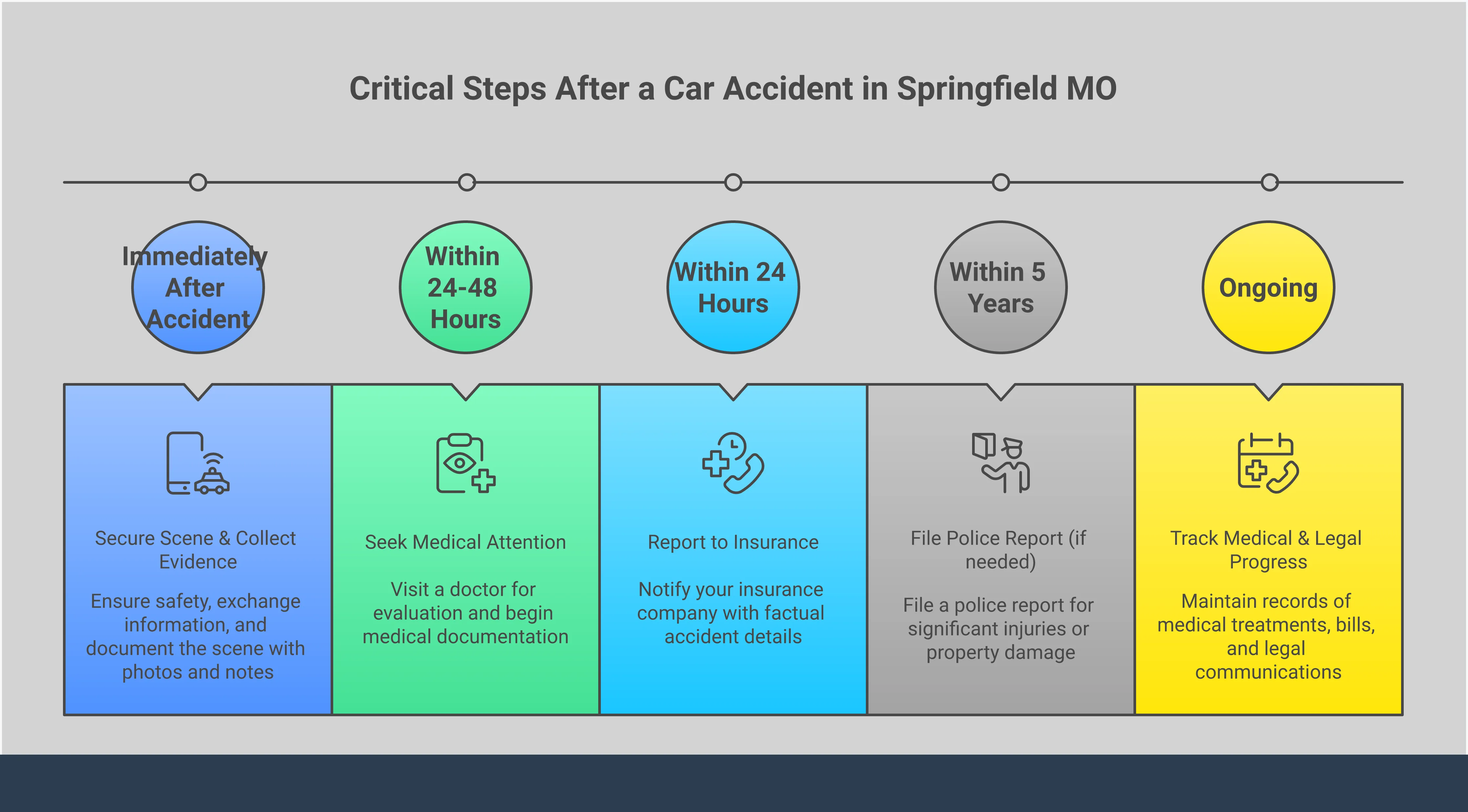
When you pull out your phone to take pictures, it helps to have a mental checklist so you don’t miss anything important. The small details can tell a powerful story about what happened. To build a strong visual record for your insurance claim, focus on capturing these three key areas.
- Damage to All Vehicles: Be sure to photograph the damage on every car involved, not just yours. Start with wide shots to show how the cars are positioned in relation to each other and the road. Then, get close-ups of the specific points of impact. This helps piece together how the collision happened. Don’t forget to snap clear photos of every license plate for identification.
- The Surrounding Scene: Step back and take pictures of the entire scene from a few different angles. Look for details like skid marks, broken glass, or any car parts on the road, as this debris can help show the force of the crash. Also, capture any relevant traffic signs, signals, or road conditions, like bad weather or construction, that might have played a role.
- Visible Injuries: If you or anyone else has visible injuries like cuts or bruises, photograph them immediately. These injuries can look very different a day later as swelling changes, so capturing them at the scene creates a critical timestamp. This evidence is especially important if you need to pursue a personal injury claim to help with your medical bills.
How and When to Report the Accident
After you’ve handled the immediate aftermath at the scene, the next step is to officially report the accident. This process creates the formal documentation you’ll need for insurance claims and any potential legal action. It might feel like a hassle, but getting these reports right is one of the most important things you can do to protect yourself. Knowing who to talk to and what to say can make a significant difference in how your case proceeds.
Does Missouri Law Require a Police Report?
In Missouri, the law is clear about when you need to involve the police. You must report a car accident if anyone is injured, if there’s a fatality, or if the property damage appears to be more than $500. Given the cost of car repairs, most accidents will easily meet that damage threshold. Calling the police creates an official, unbiased record of the incident. This police report is a critical piece of evidence for insurance companies and is essential if you need to explore your legal options later on. Don’t skip this step, even if the other driver suggests handling it privately.
Using Springfield’s Walk-In Report System
Sometimes, in a minor fender-bender with no obvious injuries, the police may not come to the scene. If that happens, you still need to get the accident documented. The city of Springfield offers a helpful solution: the Walk-In Crash Report option. You can go to the Springfield Police Headquarters and file a report in person. This ensures that even a small incident is officially recorded, which is vital for your insurance claim. It’s a simple, proactive step you can take to make sure all your bases are covered, providing a formal record that proves the accident occurred.
Notifying Your Insurance Company
You should notify your insurance company about the accident as soon as you can. It’s also a good idea to inform the other driver’s insurance provider that an accident occurred. When you speak with them, stick to the facts of what happened. Be honest, but do not admit fault or apologize for the crash. Saying something like “I’m so sorry, I didn’t see you” can be interpreted as an admission of guilt and used against you later. Before you provide a recorded statement, it’s wise to understand your rights. If you have any questions, you can always contact an attorney for guidance.
The Official Response and Investigation Process
Once the initial chaos at the accident scene subsides and emergency services take over, a more formal process begins. This is the official investigation, where various agencies work to piece together what happened. It’s a phase that can feel slow and confusing, especially when you’re focused on recovery. Understanding who is involved and what they do can help set your expectations for the weeks and months ahead. From the police officers filing the initial report to specialized investigators, each plays a role in creating the official record that will become the foundation of your insurance claim and any potential legal action.
Which Agencies Respond to an Accident?
In Springfield, the first officials to arrive are typically from the Springfield Police Department or, for incidents on major highways like I-44, the Missouri State Highway Patrol. Their job is to secure the scene, provide aid, and document the facts. An officer will gather statements from drivers and witnesses, assess the vehicle damage, and note the road and weather conditions. All this information goes into an official police report, which is a critical, unbiased account of the crash. This report is the first piece of evidence insurance companies will ask for, so its accuracy is incredibly important for your case.
Understanding the Role of the County Coroner
In the tragic event that an accident results in a fatality, the Greene County Medical Examiner’s office becomes involved. The coroner’s role is distinct from the police investigation. Their primary responsibility is to determine the official cause of death and formally identify the deceased. While the police focus on the mechanics of the crash and who was at fault, the coroner provides the medical certainty needed for legal proceedings. This independent investigation provides crucial information that, while difficult to face, is essential for a family seeking justice through a wrongful death claim.
Why Crash Investigations Can Be a Lengthy Process
It’s common to feel frustrated by how long it takes to get answers after a crash, but a thorough investigation is rarely a quick one. Police work goes far beyond the initial report. They may need to bring in accident reconstruction specialists to analyze skid marks, debris fields, and vehicle damage to determine speeds and points of impact. They might also need to subpoena data from a car’s event data recorder, or “black box.” This meticulous process of gathering evidence and interviewing witnesses ensures that their conclusions about fault are based on facts, not assumptions, which is vital for a fair outcome.
Types of Accidents and Their Aftermath
Not all car accidents are the same, and the type of collision you’re involved in can significantly impact the complexity of your case. A rear-end collision on a quiet street presents different challenges than a multi-car pile-up on Highway 65 during rush hour. The aftermath—from the severity of injuries to the difficulty of proving fault—varies widely. Understanding the unique aspects of different crash scenarios can help you prepare for the road ahead. Whether it involves multiple vehicles, a vulnerable pedestrian, or a tragic fatality, each situation requires a specific approach to ensure you are protected.
Multi-Vehicle Pile-Ups on Major Highways
Accidents involving three or more vehicles, especially on busy routes like I-44, are notoriously complicated. With multiple points of impact and conflicting stories from drivers, determining who is at fault can feel like untangling a knot. One driver’s action can cause a chain reaction, and insurance companies for each party will often try to shift blame to avoid paying a claim. In these situations, having an independent investigation and a clear presentation of the evidence is crucial. Sorting through the liability of multiple parties almost always requires careful legal analysis to ensure the responsible driver is held accountable.
Crashes Involving Pedestrians
When a vehicle strikes a pedestrian, the consequences are often devastating. These accidents are common in areas with heavy foot traffic, like downtown Springfield or near the Missouri State University campus. Because a pedestrian has no protection, injuries are frequently severe, leading to long-term medical needs. Legally, these cases often hinge on who had the right-of-way. Was the pedestrian in a marked crosswalk? Was the driver distracted or speeding? Answering these questions is key to establishing negligence and securing the compensation needed to cover extensive medical bills and other damages.
The Consequences of a Fatal Accident
The aftermath of a fatal accident extends far beyond the immediate tragedy. While grieving, families are suddenly faced with unexpected financial burdens, from funeral expenses to the loss of a loved one’s income, which can jeopardize their financial stability. In these heartbreaking situations, Missouri law allows surviving family members to file a wrongful death claim. This is a specific type of personal injury case that seeks to hold the at-fault party accountable. While no amount of money can replace a loved one, it can provide the financial support a family needs to move forward.
Feeling Pain Days Later? What It Means
It’s a common misconception that if you don’t feel pain immediately after a car accident, you’re in the clear. The reality is, your body’s “fight or flight” response kicks in during a crash, flooding your system with adrenaline. This powerful hormone is designed to help you survive a traumatic event, and one of its main jobs is to mask pain so you can get to safety. You might walk away from the scene feeling shaken but fine, only to wake up the next morning with significant stiffness, soreness, or other symptoms. This delayed onset of pain is completely normal, but it’s a critical sign that you shouldn’t ignore. It’s easy to downplay these symptoms, telling yourself it’s “just a little soreness,” but doing so can be a mistake for both your health and any potential personal injury claim. Taking the right steps in the days following an accident is just as important as what you do at the scene. Your long-term well-being should always be your first priority, and that starts with listening to what your body is telling you, even if it takes a day or two to speak up.
Recognizing Delayed Injury Symptoms
After the initial shock of an accident wears off, you might start to notice symptoms you didn’t feel before. This is because some of the most common car accident injuries, like whiplash, concussions, and soft tissue damage, often have a delayed onset. Some injuries won’t have noticeable symptoms right away but can lead to long-term health complications if they go unchecked. Be on the lookout for new or worsening symptoms like headaches, dizziness, neck or back pain, numbness or tingling in your arms and legs, or even changes in your mood or sleep patterns. These are all signs that you may have sustained an injury that needs medical attention.
Get a Medical Check-Up, Even If You Feel Fine
Even if you feel okay, it’s crucial to get a medical evaluation as soon as possible after a collision. Adrenaline is a powerful painkiller, and it can easily hide serious injuries. A doctor can perform a thorough examination to identify underlying issues that you may not be aware of, like internal bruising or a concussion. Waiting to seek treatment not only puts your health at risk but can also make it more difficult to connect your injuries to the accident later on. Don’t second-guess yourself; getting checked out by a medical professional provides peace of mind and is a vital step in your recovery.
Keep a Record of Your Injuries and Care
From a legal standpoint, seeking prompt medical care creates an official record that links your injuries directly to the accident. This documentation is essential if you decide to file a claim. Make sure you keep a detailed file of everything related to your medical care: visit summaries, diagnoses, prescriptions, physical therapy notes, and all related bills. It’s also helpful to keep a simple journal detailing your pain levels and how your injuries are impacting your daily activities. This thorough record-keeping will provide clear evidence to support your case and help your attorney fight for the compensation you deserve. If you have questions about this process, don’t hesitate to contact a lawyer for guidance.
What to Expect from the Insurance Claim Process
After the initial shock of an accident wears off, you’ll have to deal with the insurance process. This can feel intimidating, but knowing what to expect makes a huge difference. Your goal is to protect your rights and get fair compensation. This involves careful communication, understanding key Missouri laws, and knowing when you might need help. Let’s walk through what you need to know to handle the insurance claim process with confidence.
What to Say (and Not Say) to the Adjuster
One of your first calls should be to your own insurance company to report the accident. Do this promptly. When you speak with any insurance adjuster—yours or the other driver’s—stick to the facts. Be clear and honest, but avoid saying anything that could be misinterpreted as admitting fault, like “I’m so sorry.” These simple statements can be used against you. If you feel pressured or unsure what to say, it’s always a good idea to contact a lawyer before giving a recorded statement. An attorney can help you prepare and ensure your words aren’t twisted.
How Missouri’s ‘Comparative Negligence’ Rule Affects You
Missouri law operates on a “pure comparative negligence” system. This might sound complicated, but the idea is simple: you can still recover damages even if you were partially to blame for an accident. For example, if a court finds you were 20% at fault, your total compensation would be reduced by 20%. Fault is determined by looking at all the evidence and how state laws apply. Because more than one person can be held responsible, it’s crucial to understand how your actions might impact your claim. Navigating these details is a core part of handling automobile accident cases.
Understanding Missouri’s “No Pay, No Play” Law
Missouri has a law you absolutely need to know about: the “No Pay, No Play” statute. This law states that if you are an uninsured driver in an accident, you are barred from recovering non-economic damages—things like pain and suffering—from the at-fault driver. You can still claim economic damages for medical bills and lost wages, but you lose the right to compensation for the other significant impacts of an injury. This law underscores how critical it is to maintain liability insurance on your vehicle. It’s a tough penalty designed to encourage all drivers to stay insured.
The Wider Impact of a Car Accident
A car accident feels intensely personal, a disruptive event focused on you, the other driver, and your vehicles. But the effects of a crash ripple outward, touching the lives of many others in the community. From snarled traffic that makes hundreds of people late for work to growing safety concerns on neighborhood streets, the consequences extend far beyond the immediate scene. Understanding this wider context helps clarify why certain procedures are in place and highlights the shared responsibility we all have on the road.
How a Crash Affects Traffic and the Community
The most immediate and widespread impact of a car accident is on traffic. A single collision on a busy road like I-44 or Glenstone Avenue can bring vehicles to a standstill for hours, creating a domino effect of delays across the city. This isn’t just an inconvenience; it can prevent emergency vehicles from reaching other critical situations, cause people to miss important appointments, and disrupt local commerce. When a highway is shut down, as we’ve seen in news reports following serious accidents, it requires a significant response from police, fire departments, and road crews—all community resources being diverted to manage the scene. The disruption serves as a stark reminder that an accident is a public event with consequences for everyone on the road.
Community Concerns About Local Road Safety
Beyond the immediate traffic jams, a car accident can leave a lasting mark on a neighborhood’s sense of security. When a crash happens on a local street, especially one involving speeding or reckless driving, it often amplifies existing fears among residents. People start to worry more about their children playing in the yard or the safety of their daily walk. You might notice a heavier police presence in the area afterward, which, while necessary, can also contribute to a feeling of unease. These incidents often spark important conversations among neighbors about road safety and the need for accountability. When negligence leads to injury, it’s not just a private matter; it’s a community concern that underscores the importance of seeking justice through a personal injury claim.
Do You Need to Call a Car Accident Lawyer?
Figuring out your next steps after a car accident can feel overwhelming. While a minor fender-bender might be resolved directly with insurance companies, many situations are more complex and carry higher stakes. If you’re feeling unsure about the process or worried about being treated unfairly, it’s a good idea to consider legal advice. An experienced attorney acts as your advocate, helping you understand your rights and ensuring you aren’t taken advantage of during the claims process. They handle the communication with insurance adjusters and the other party’s legal team so you don’t have to.
Knowing when to reach out for help is key. Certain red flags indicate that professional legal guidance isn’t just helpful—it’s necessary to protect your interests. If you’re dealing with significant injuries, a disagreement over who caused the crash, or an uncooperative insurance company, a lawyer can step in to manage the details. This allows you to focus on what’s most important: your recovery. A consultation can provide clarity on your situation and help you decide on the best path forward. The goal is to ensure you receive the full compensation you deserve for your medical bills, lost income, and other damages.
When Your Injuries Are Significant
A car accident can lead to serious physical, mental, and financial challenges. If you’ve sustained significant injuries, you should consult with a car accident lawyer to protect your rights and get the compensation you deserve. Serious injuries go beyond a few scrapes and bruises; they can include broken bones, head or spinal cord trauma, or any condition that requires surgery or long-term care. An attorney will work to ensure your settlement covers all your medical expenses, lost wages, and future treatment needs. You can learn more about how we handle these types of personal injury cases on our website.
When Fault Is Unclear or Disputed
After a crash, it’s not always clear who was responsible. If there’s a dispute about fault, it’s important to avoid admitting you were to blame. Simply give a truthful account of what happened to the police. The other driver or their insurance company may try to shift responsibility to you to avoid paying the claim. Consulting with a lawyer can help clarify the situation. An attorney can investigate the accident, gather evidence, and build a case that accurately shows what happened. This protects your interests and helps you secure fair compensation. If you find yourself in this situation, it’s best to contact a lawyer for guidance.
When the Settlement Offer Seems Unfair
Insurance companies are businesses, and their goal is often to pay out as little as possible. If you receive a settlement offer that seems too low or your claim is denied altogether, it’s time to seek legal assistance. A car accident lawyer knows how to accurately value your claim, factoring in not just current medical bills but also future costs, lost income, and pain and suffering. An attorney can negotiate with the insurance company for a fair settlement that truly covers your damages. Having a dedicated advocate like Chad G. Mann on your side ensures you won’t be pressured into accepting less than you deserve.
Missouri Car Accident Laws to Know
After a car accident, you’re dealing with a lot—the shock, potential injuries, and the hassle of car repairs. The last thing you want to think about is legal jargon. However, understanding a few key Missouri laws can make a significant difference in protecting your rights and ensuring you get the compensation you deserve. These rules aren’t just formalities; they are the framework that guides how your claim will be handled. Knowing the deadlines and reporting requirements helps you take the right steps from the very beginning, setting you up for a smoother process with your insurance company and, if necessary, with legal proceedings. Let’s walk through two of the most important laws you should be aware of after a crash in Missouri.
Don’t Miss the Deadline to File Your Claim
In Missouri, you have a specific window of time to take legal action after a car accident. This is called the statute of limitations, and for a personal injury claim, it’s five years from the date of the accident. While five years might sound like a long time, it can pass quickly when you’re focused on recovery. This deadline is strict—if you try to file a lawsuit after it has passed, the court will almost certainly dismiss your case. That’s why it’s so important to act promptly. Gathering evidence, consulting with doctors, and building a strong case takes time, so don’t wait until the last minute to explore your legal options.
What the Law Says About Reporting an Accident
Knowing when to report an accident to the police is essential. In Missouri, you are legally required to notify the police if the crash involves any injuries, a fatality, or property damage that appears to be over $500. Calling the police creates an official accident report, which is a vital piece of evidence for your insurance claim. This report documents the facts of the incident from a neutral perspective. You should also call for police assistance if the other driver refuses to share their information, doesn’t have a license, or can’t provide proof of insurance. An officer can help manage the situation and ensure all necessary details are properly recorded.
Avoid These Common Post-Accident Mistakes
The moments after a car accident are chaotic and stressful. It’s completely normal to feel overwhelmed, but some common reactions can unfortunately complicate things down the road. Knowing what not to do is just as important as knowing what to do. By avoiding a few key missteps, you can protect your health and your right to fair compensation. If you find yourself in a difficult situation after a crash, remember that a personal injury lawyer can help you handle the details so you can focus on recovery.
Never Admit Fault at the Scene
In the shock of a crash, it’s natural to want to be polite or even apologize. However, saying something like “I’m so sorry, this was my fault” can be used against you later by an insurance company. Even if you think you might be responsible, you may not have all the facts. Stick to a factual account of what happened when you speak with the other driver and the police. You can show concern for others without taking the blame. Let the insurance adjusters and legal professionals determine fault after a full investigation.
Don’t Wait to See a Doctor
Adrenaline is a powerful hormone that can mask pain right after an accident. You might feel fine at the scene, only to wake up with significant pain a day or two later. It’s crucial to get a medical evaluation as soon as possible, even if you don’t think you’re seriously hurt. A doctor can identify hidden injuries like whiplash or internal bruising before they become more severe. Plus, seeking prompt medical care creates an official record that links your injuries directly to the accident, which is essential for any future insurance claim.
Why You Shouldn’t Accept a Quick Payout
Soon after the accident, you’ll likely get a call from the other driver’s insurance company with a settlement offer. It might seem like a relief to get a check quickly, but these initial offers are often far less than what you truly need. They rarely account for future medical bills, lost wages, or long-term pain and suffering. Accepting a quick settlement means you forfeit your right to ask for more compensation later, even if your injuries turn out to be more serious. It’s always wise to discuss any offer with an attorney before you sign anything.
Never Leave the Scene of an Accident
Leaving the scene of an accident, especially one involving injury or significant property damage, is a serious mistake and can even lead to criminal charges. You are required by law to stop, check on the other people involved, and exchange information. Even for a minor fender-bender, it’s important to stay until you’ve spoken with the other driver and, if necessary, the police have arrived to file a report. Leaving too soon can make it look like you have something to hide and can seriously jeopardize your ability to file a claim.
Related Articles
- WHAT TO DO AFTER A CAR ACCIDENT? – The Law Office of Chad G. Mann, LLC
- Missouri Car Accident Laws: What You Need to Know – The Law Office of Chad G. Mann, LLC
- Guide to Missouri Auto Accidents – Protect Yourself
- Traffic Accidents in Missouri: A Step-by-Step Guide
- How to Find Vehicle Accident Information in Missouri
If you need experienced legal representation, our Springfield auto accident attorney can help protect your rights and fight for the compensation you deserve. Call (417) 842-8679 for a free consultation.
For more information, read our guide on what your claim may be worth.
For more information, read our guide on hiring a car accident lawyer.
For more information, read our guide on head trauma from car accidents.
Frequently Asked Questions
What should I do if the other driver doesn’t have insurance? First, make sure you still call the police to get an official report of the accident. After that, you will likely need to rely on your own insurance policy. This is exactly what Uninsured Motorist (UM) coverage is for. If you have this coverage, your own insurance company will step in to cover your medical bills and other damages. Check your policy details and notify your agent about the situation as soon as you can.
Do I really need to call the police for a minor fender-bender? Yes, it’s always the smartest move. Missouri law requires you to report any crash with an injury or property damage estimated to be over $500, and even minor bodywork can easily cost more than that. A police report provides an official, neutral account of what happened. This document is incredibly important for your insurance claim and protects you if the other driver later disputes the facts.
The other driver’s insurance adjuster is calling me. What should I say? You should be very careful when speaking with the other party’s insurance company. Their goal is to resolve the claim for the lowest amount possible. You can provide basic facts like your name and the location of the accident, but you are not required to give a recorded statement. It’s best to politely decline and consult with an attorney before you go into detail, as your words can be used to reduce the value of your claim.
I’m worried about legal fees. How much does a car accident lawyer cost? This is a common and understandable concern. Most personal injury attorneys work on what’s called a contingency fee basis. This means you don’t pay anything upfront. The lawyer’s fee is a percentage of the final settlement or award they secure for you. If you don’t receive compensation for your case, you won’t owe any attorney’s fees, so there is no financial risk to you.
What if I feel fine right after the crash but start hurting a day or two later? This is very common because adrenaline can mask pain at the scene. You should see a doctor immediately, even if your symptoms seem minor at first. Getting a medical evaluation creates a crucial link between your injuries and the accident, which is essential for any insurance claim. Don’t wait for the pain to become severe; taking care of your health and documenting your injuries should be your first priority.
Have you been injured? Take our free injury questionnaire to help us understand your case, or call (417) 842-8679 for a free consultation today.