


Trust that nagging feeling in your gut. When you see unexplained bruises, a sudden withdrawal, or a general sense of fear in your loved one, you know you can’t ignore it. Discovering potential mistreatment is incredibly distressing, but your immediate actions are critical. This guide gives you clear, actionable steps to take right now to ensure their safety and preserve your legal options. From documenting everything to filing an official report on local nursing home abuse, every step matters. Partnering with the best nursing home abuse attorney is a crucial move toward holding the facility accountable and getting justice.
Key Takeaways
- Trust your gut and document everything: Abuse isn’t always obvious and can include neglect, emotional manipulation, or financial exploitation. If something feels wrong, start keeping a detailed log with dates, photos of injuries or poor conditions, and notes from conversations to create a clear record.
- Prioritize safety with official reports and medical care: Your first moves should be to ensure your loved one’s well-being. File a formal complaint with the Missouri Adult Abuse and Neglect Hotline to start an official investigation and schedule an evaluation with a trusted, independent doctor to address their health and document any harm.
- Partner with an experienced attorney to seek justice: You don’t have to confront the facility alone. A lawyer specializing in elder law acts as your advocate, handling the complex legal process and fighting for fair compensation while you focus on your loved one’s recovery.
Is It Nursing Home Abuse? How to Recognize the Warning Signs
Making the decision to place a loved one in a nursing home is built on trust—trust that they will be cared for with dignity and respect. When that trust is broken, it can be devastating for the whole family. Nursing home abuse isn’t always as obvious as a physical injury; it can take many forms, from subtle emotional manipulation to outright neglect. Knowing what to look for is the first and most important step in protecting your family member. It requires paying close attention to their physical condition, emotional state, and environment, and trusting your gut when something feels wrong.
The Sobering Reality of Nursing Home Abuse
It’s hard to accept that the places we entrust with our family’s care can also be places of harm. But understanding the scope of nursing home abuse is a necessary step toward protecting your loved one. The statistics are alarming, and they paint a picture of a widespread problem that often goes unnoticed and unreported. These issues aren’t isolated incidents; they often point to systemic failures within the long-term care industry. Facing these facts can feel overwhelming, but it also empowers you to be a more vigilant advocate. Knowing how and why abuse happens can help you spot the red flags early and take decisive action to ensure your family member is safe.
How Common is Elder Abuse in Care Facilities?
Many people assume that abuse or neglect in a care facility is a rare occurrence, something that happens in poorly-run institutions you only hear about on the news. Unfortunately, the problem is far more common than most of us would like to believe. It affects thousands of families across the country, including right here in Missouri. The prevalence is made worse by the fact that so many cases are never brought to light. Victims may be unable to speak up due to fear, cognitive decline, or physical limitations, leaving it up to their families to notice the signs and seek help.
Statistics on Prevalence and Underreporting
The numbers surrounding elder abuse are truly sobering. According to the National Council on Aging, approximately one in ten Americans aged 60 and over have experienced some form of elder abuse. When you consider how many seniors live in care facilities, that figure becomes even more concerning. What’s worse is that the vast majority of these cases are never reported to the authorities. It’s estimated that only one out of every 24 cases of elder abuse is ever reported, meaning countless seniors suffer in silence. This silence allows neglect and abuse to continue unchecked, making it critical for family members to be the voice for their loved ones.
Common Causes of Nursing Home Abuse and Neglect
When we hear about nursing home abuse, it’s easy to blame a few “bad apple” employees. While malicious individuals certainly exist, the root causes are often more complex and tied to the facility’s operational standards. Systemic issues like chronic understaffing, insufficient training, and poor management create an environment where neglect and abuse can flourish. These aren’t just excuses; they are dangerous conditions that put residents at risk every single day. Understanding these underlying factors is key to recognizing a potentially unsafe facility and holding the right people accountable when something goes wrong.
Understaffing and Staff Burnout
One of the most significant contributors to nursing home neglect is chronic understaffing. When a facility doesn’t have enough caregivers to meet the needs of its residents, the quality of care inevitably suffers. Overworked employees are more likely to experience burnout, leading to mistakes, impatience, and a lack of attention to detail. A single caregiver might be responsible for too many residents, making it impossible to provide proper assistance with feeding, hygiene, and mobility. This isn’t just poor service—it’s a direct path to neglect that can cause serious harm, such as bedsores, malnutrition, and dangerous falls. The facility’s management is responsible for maintaining safe staffing levels, and failure to do so is a breach of their duty of care.
Inadequate Training and Poor Oversight
Proper training is essential for anyone caring for the elderly, yet many facilities fail to invest in it. Staff members who lack the right skills may not know how to safely move a resident, recognize the signs of dehydration, or respond to a medical emergency. This can lead to preventable injuries and a steady decline in a resident’s health. Compounding this problem is a lack of effective oversight. Without strong management and clear accountability, even well-intentioned staff can become complacent. When there are no checks and balances to ensure protocols are followed, a culture of neglect can take hold and continue for years, hidden from families and regulators.
Abuse from Other Residents
Not all harm comes from the staff. Resident-on-resident abuse is a growing problem in long-term care facilities. This can happen when nursing homes house a mixed population of residents, including individuals with cognitive impairments like dementia, severe mental health issues, or a history of violence. While these residents also deserve care, the facility has a legal obligation to protect everyone from harm. That means properly assessing residents for aggressive behaviors, creating and enforcing safety plans, and providing adequate supervision. When a facility fails to prevent one resident from harming another, it can be held liable for the injuries that result. If you suspect your loved one is being bullied or physically harmed by another resident, it’s a serious issue that requires immediate intervention from both management and, potentially, legal counsel from a personal injury lawyer.
Look for These Signs of Physical Abuse
Physical abuse is one of the most visible forms of mistreatment and can involve hitting, pushing, rough handling, or the improper use of restraints. As a family member, you are your loved one’s best advocate. Be on the lookout for any unexplained bruises, cuts, sprains, or broken bones. Pay attention if they seem to flinch or withdraw from physical touch. These signs should never be dismissed as simple accidents, especially if they happen more than once. If you notice any injuries that don’t have a clear explanation, it’s crucial to ask questions and document what you see. This is a serious issue that falls under our firm’s personal injury practice areas.
The Misuse of Chemical Restraints
Physical restraints aren’t the only way residents are controlled. A more hidden and dangerous form of abuse is the use of chemical restraints. This happens when staff give residents medication, like powerful sedatives, not to treat a medical condition but simply to manage their behavior and make them easier to handle. This practice is often a symptom of deeper issues within a facility, such as understaffing or poor oversight. Instead of providing proper care, some facilities resort to drugging residents into compliance. The health risks are severe, as these medications can have dangerous side effects and even increase mortality rates. It’s a frightening reality where medicine is weaponized for convenience rather than used for healing.
The consequences of this misuse can be tragic. In one heartbreaking case, a 77-year-old woman with dementia was given a strong sedative every day, directly against her doctor’s orders. She eventually choked, developed pneumonia, and died. This wasn’t an accident; it was the direct result of a facility choosing to control a patient rather than care for her. These situations highlight a systemic failure where complaints are ignored and profits are prioritized over people. When a nursing home fails to provide a safe environment and ignores medical directives, they are not just being negligent—they are causing direct harm. Recognizing this form of abuse is critical for families who need to seek justice for their loved ones.
Is Your Loved One Showing Signs of Emotional Abuse?
Emotional abuse can be harder to detect, but its impact is just as severe. This happens when staff or even other residents use words or actions to cause mental pain. It can look like insults, threats, intimidation, or deliberately isolating a resident from others. You might notice your loved one has become unusually withdrawn, agitated, or fearful, especially around certain caregivers. They might also experience sudden changes in their personality or behavior. According to the National Council on Aging, this type of abuse can lead to serious psychological distress, so trusting your instincts about changes in your loved one’s demeanor is key.
How to Identify Financial Exploitation
Financial exploitation occurs when someone illegally or improperly uses a resident’s money, property, or assets. This can be a staff member, another resident, or even a family member. Warning signs include sudden, unexplained changes in your loved one’s bank accounts, missing personal belongings, or unauthorized credit card transactions. You might also discover that their will or other financial documents have been altered without their full understanding or consent. Regularly reviewing their financial statements and keeping an inventory of valuable possessions can help you spot this type of abuse early and take action to protect their resources.
What Does Nursing Home Neglect Look Like?
Neglect is the failure of a facility to provide the basic care, goods, or services necessary to maintain a resident’s health and safety. Unlike active abuse, neglect is often a pattern of inaction. Signs can include poor personal hygiene, untreated bedsores, dehydration, or malnutrition. You might also notice that the facility itself is unclean or unsafe, with hazards like wet floors or poor lighting. A lack of proper medical care or supervision is a serious red flag. If you see signs that your loved one’s basic needs are not being met, it’s important to contact us to understand your options.
Why Neglect is the Most Common Complaint
It’s a heartbreaking reality that neglect is the single most common complaint families have about nursing homes. This isn’t usually about intentional cruelty, but rather a consistent failure to provide basic care—things like maintaining personal hygiene, treating developing bedsores, or providing enough supervision. Often, the problem is systemic. A staggering 90% of nursing homes in the U.S. reportedly don’t have enough staff to give residents the proper attention, especially during night shifts. When caregivers are stretched too thin or aren’t trained well, they can miss critical health risks until it’s too late. This pattern of inaction can lead to severe infections, falls, hospitalizations, and even death, which is why your role as a vigilant advocate is so incredibly important.
Suspect Abuse? Take These Steps Immediately
If your gut tells you something is wrong with the care your loved one is receiving, listen to it. Discovering potential abuse or neglect is incredibly distressing, but your immediate actions can make all the difference in protecting them and holding the responsible parties accountable. Taking a few clear, deliberate steps right now can help ensure your family member’s safety and preserve your legal options down the road. Here’s where to start.
Start Documenting Everything Now
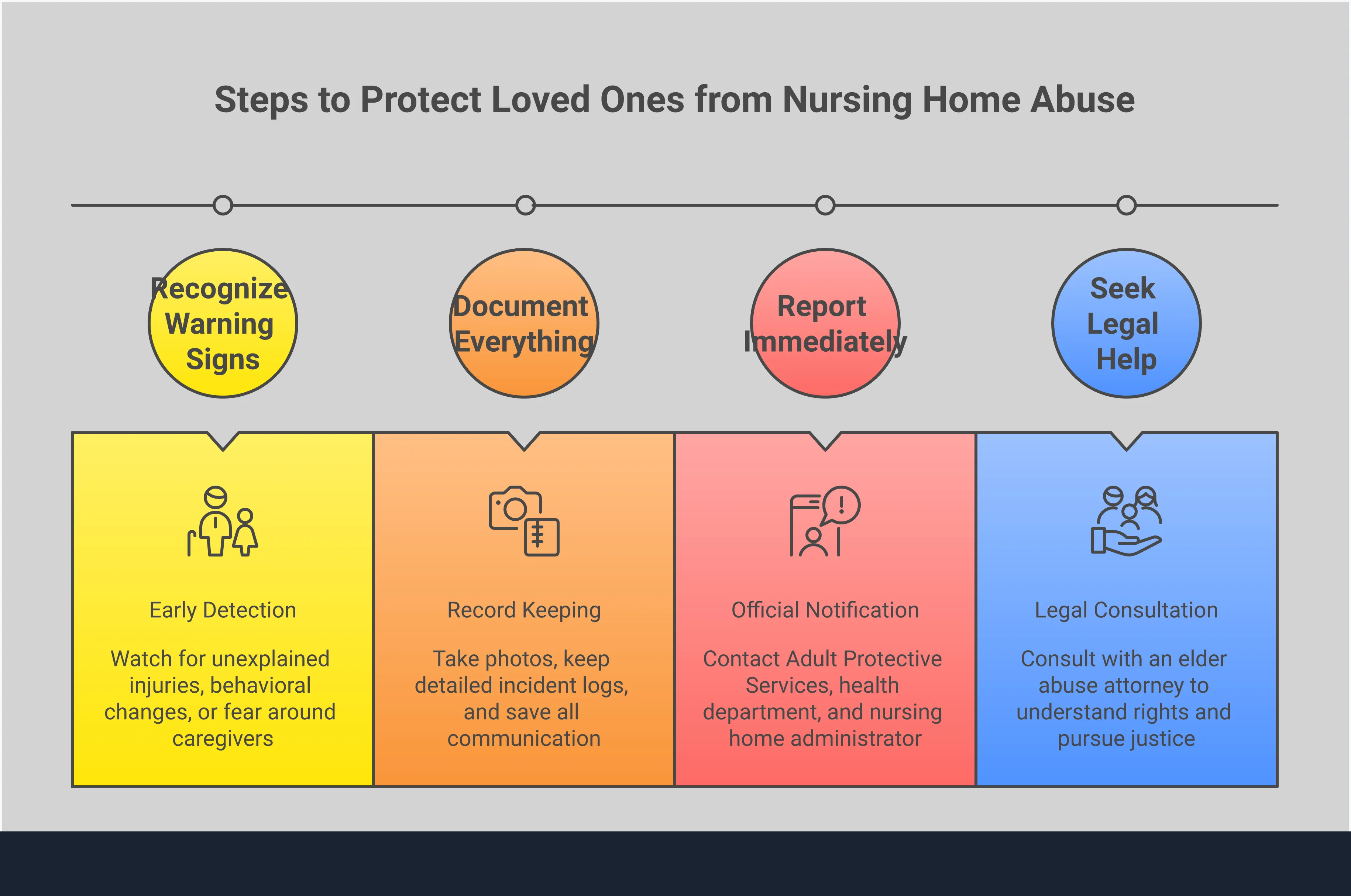
Your first step is to become a meticulous record-keeper. Solid evidence is the foundation of any nursing home abuse claim, so start gathering it now. Keep a detailed journal, noting the dates and times of your visits, any changes in your loved one’s physical condition or emotional behavior, and specific conversations you have with staff. If you notice bruises or other injuries, take clear photos. Save any concerning voicemails or emails. If other residents or their family members have witnessed similar issues, ask if they would be willing to provide a statement. This collection of notes, photos, and witness accounts creates a powerful timeline that can be invaluable later on.
How to Report Abuse to Missouri Authorities
Once you have your initial concerns documented, it’s time to make an official report. This is a critical step that launches a formal investigation and gets your case on the record with the state. In Missouri, you can report suspected abuse to the Adult Abuse and Neglect Hotline. You can reach them by phone 24/7 at 1-800-392-0210. Filing a report with this state agency ensures that a neutral third party will look into the facility’s practices and the specifics of your complaint. It’s an official action that signals to the nursing home that the situation is being taken seriously and can help protect other residents from potential harm as well.
Prioritize Your Loved One’s Medical Care
Your loved one’s health and safety are the top priority. Arrange for them to be seen by a trusted physician as soon as possible, preferably one who is not affiliated with the nursing home. This independent medical evaluation serves two crucial purposes. First, it ensures that any injuries, infections, or other health issues caused by neglect or abuse are properly diagnosed and treated. Second, it creates an unbiased medical record that documents the extent of the harm. This professional assessment can provide clear evidence linking your loved one’s condition to the inadequate care they received at the facility, which is a vital component of building a strong legal case.
When to Call a Nursing Home Abuse Attorney
You don’t have to face this situation alone. The aftermath of nursing home abuse involves complex legal and regulatory systems that can be overwhelming for families. Consulting with an attorney experienced in nursing home litigation is a crucial step toward getting justice. A qualified lawyer can evaluate the details of your case, explain your family’s legal rights, and outline the best course of action. They will handle communications with the facility and their insurance company, allowing you to focus on your loved one’s recovery. Taking action by seeking legal advice ensures your family has a dedicated advocate fighting for your best interests. If you’re ready to discuss your situation, our team is here to help you understand your legal options.
How a Springfield Nursing Home Abuse Lawyer Can Help
When you suspect a loved one is being mistreated in a nursing home, the situation can feel overwhelming and isolating. You’re likely dealing with a mix of anger, sadness, and uncertainty about what to do next. This is where a dedicated attorney can become your family’s most important ally. Bringing in a legal professional isn’t just about filing a lawsuit; it’s about gaining a partner who can bring clarity, direction, and strength to a difficult process.
A Springfield nursing home abuse lawyer steps in to manage the complexities of the legal system so you can focus on your family member’s health and safety. They handle the detailed work of building a case, from gathering evidence to communicating with the facility’s administration and their insurance companies. More importantly, they act as a powerful advocate for your loved one, ensuring their voice is heard and their rights are protected. With an experienced attorney on your side, you no longer have to face the facility alone. You have a professional who understands Missouri law and is committed to securing justice for your family.
Acting as Your Family’s Advocate
One of the most critical roles an attorney plays is that of an advocate. Nursing home residents are protected by a specific set of rights under both state and federal law, including the Nursing Home Reform Act. These laws are clear: residents have the right to be free from abuse, neglect, and exploitation. However, knowing these rights exist and enforcing them are two different things. An experienced attorney understands the nuances of these regulations and can effectively argue on your loved one’s behalf. They ensure the facility is held accountable for its legal and ethical obligations, giving a powerful voice to those who may have been silenced.
Conducting a Thorough Investigation
Figuring out exactly what happened inside a long-term care facility requires a thorough and objective investigation. While your observations are crucial, an attorney has the resources and experience to dig deeper. They know how to formally request and analyze medical records, staffing logs, and internal incident reports to uncover patterns of neglect or abuse. An attorney experienced in nursing home litigation can also identify and interview staff members, other residents, and witnesses who may have important information. This methodical approach to gathering evidence is essential for building a strong case and proving that misconduct occurred.
Managing Communication with the Facility
Confronting a nursing home’s administration and dealing with their insurance providers can be intimidating and emotionally draining. A lawyer takes this burden off your shoulders by managing all communication related to your case. They will handle every phone call, email, and formal request, ensuring that your family’s position is represented clearly and professionally. This includes demanding medical records, questioning unapproved medical decisions, and negotiating with legal representatives for the facility. By acting as the official point of contact, your attorney protects you from saying something that could be used against you and allows you to focus entirely on your loved one’s care.
Clearing Up Common Legal Misconceptions
Many families hesitate to take action because of common myths about nursing home abuse. Some believe abuse is rare or only happens in poorly-rated facilities, but the reality is that it can occur anywhere. Another pervasive myth is that abuse is always physical. In truth, emotional abuse, financial exploitation, and neglect can be just as damaging. An attorney can help you understand that your concerns are valid and that these non-physical forms of mistreatment are serious and actionable. They can provide the clarity and confidence you need to move forward and seek justice, cutting through the misconceptions that often prevent families from getting help.
What Are Your Legal Options in a Springfield Nursing Home Case?
When you discover that a loved one has been mistreated in a nursing home, it’s natural to feel overwhelmed, angry, and unsure of what to do next. The good news is that you have several clear paths to seek justice and hold the responsible parties accountable. Missouri law provides strong protections for nursing home residents, and understanding your options is the first step toward protecting your family member. These avenues, from filing official reports to pursuing legal action, are not mutually exclusive; in fact, they often work together to build a stronger case. Taking action not only helps secure the safety of your loved one but can also prevent similar harm from happening to others in the facility. It’s about reclaiming control in a situation that feels powerless and ensuring your family’s voice is heard. Each step you take is a move toward accountability and healing, providing a structured way to address the wrongdoing and fight for the care your loved one deserves. The legal system can feel complex, but it’s designed to provide recourse in situations just like this. By exploring your options, you are standing up for your family member’s dignity and rights, sending a clear message that abuse and neglect will not be tolerated.
How and Where to File an Official Complaint
One of the most immediate and important actions you can take is to file an official report with the state. This creates a formal record of your concerns and triggers an investigation by a government agency. In Missouri, you can report abuse to the state’s Adult Protective Services by calling their hotline at 1-800-735-2966 or by submitting a report online. This step is completely separate from any legal action you might take, but the findings from the state’s investigation can become crucial evidence if you decide to pursue a lawsuit later. Reporting ensures that the facility is put on notice and that a neutral third party is looking into the situation, which is a critical step in protecting your loved one from further harm.
The Role of State Agencies vs. a Private Attorney
It’s helpful to think of state agencies and private attorneys as playing two distinct but complementary roles. When you file a report with Missouri’s Adult Protective Services, you’re activating an official, neutral investigation. The state’s job is to determine if the facility violated regulations and to enforce safety standards for everyone living there. A private attorney, however, works exclusively for you. Our role is to advocate for your loved one’s individual rights, conduct a deep investigation into the specific harm they suffered, and fight to secure financial compensation for their pain, medical bills, and other damages. The state’s investigation can provide powerful evidence for your case, while legal action ensures your family gets the justice they deserve.
Should You File a Civil Lawsuit?
While an official complaint can help stop the abuse, a civil lawsuit is how your family can seek financial compensation for the harm that was done. Injuries and neglect at a long-term care facility may be the basis of a lawsuit and should be evaluated by an attorney experienced in nursing home litigation. This legal action aims to recover damages for things like medical bills, physical pain, and emotional suffering. Filing a lawsuit sends a powerful message to the facility that their negligence has serious consequences. It’s about more than just money; it’s about achieving a sense of justice for your loved one and holding the facility accountable for its failure to provide proper care.
Who Can Be Held Legally Responsible?
When harm occurs in a nursing home, it’s rarely the fault of just one person. The facility itself can be held liable for systemic failures like inadequate staff training, negligent hiring practices, or failing to provide a safe environment. Individual staff members who commit abuse or neglect can also be held directly accountable for their actions. In some cases, even third parties like visitors or other residents could be responsible, and the facility may be at fault for not protecting your loved one from them. This is why it’s so important to understand that multiple parties can be held responsible for the harm caused. An attorney can help identify all liable parties to ensure full accountability.
What to Know About Missouri’s Statute of Limitations
It’s important to understand that you have a limited window of time to take legal action. This deadline is known as the statute of limitations. In Missouri, the time limit to file a claim in a personal injury action for nursing home neglect or abuse is generally five years from the date the injury occurred or was discovered. While five years might sound like a long time, building a strong case requires gathering evidence, interviewing witnesses, and consulting experts, all of which takes time. If you miss this deadline, you may lose your right to file a lawsuit forever. That’s why it’s so important to contact an attorney as soon as you suspect abuse or neglect to discuss your case.
Understanding a Resident’s Rights in Missouri
Your loved one has fundamental rights that are protected by both state and federal law. Missouri law provides specific protections for nursing home residents, and federal regulations like the Nursing Home Reform Act establish a clear standard of care. These laws affirm that every resident has the right to be free from abuse, neglect, and exploitation. This isn’t just a guideline—it’s a legal obligation the facility must meet. These legally protected rights also include the right to privacy, the right to be treated with dignity, and the right to a safe and clean environment. Understanding these rights can empower you to advocate effectively for your family member and recognize when a facility has failed in its duties.
What Evidence Do You Need for Your Case?
When you suspect a loved one is being mistreated, building a strong case starts with gathering solid evidence. While your attorney will lead a formal investigation, the information you collect in the early stages is incredibly valuable. Think of yourself as the first responder for your family’s legal case. Your careful documentation can create a clear timeline of events and paint a picture of the neglect or abuse that has occurred. Focusing on a few key areas will help you organize your efforts and provide your legal team with the foundation they need to advocate effectively for your loved one.
The Importance of Photos and Written Documents
Visual evidence is powerful. A photograph can capture a moment in a way that words sometimes can’t. If you notice anything concerning, take clear pictures. This includes any visible injuries like bruises, cuts, or bedsores, as well as the general living conditions. Photograph torn clothing, stained bedding, unsanitary bathrooms, or broken safety equipment. Use your phone to document these issues, and be sure to note the date and time each photo was taken. This creates a visual record that can show a pattern of neglect. These images serve as undeniable proof and can significantly strengthen your case when pursuing justice for different types of personal injury.
Why Medical Records Are Crucial Evidence
Your loved one’s medical chart is a critical piece of the puzzle. These official records provide a professional assessment of their health and can directly link injuries or a decline in well-being to the care they received at the facility. You should gather all relevant documents, including notes from doctor’s visits, hospital records, and medication administration logs. These files can reveal medication errors, unexplained injuries, or a failure to treat developing health issues like infections or pressure sores. Records detailing sudden changes in behavior, anxiety, or depression can also be crucial evidence, particularly when it comes to proving emotional abuse.
Gathering Statements from Witnesses
What you and others have seen and heard matters. Firsthand accounts from family, friends, and other visitors can corroborate your suspicions and provide a more complete picture of the situation. When you observe something concerning or have a conversation with a staff member, write it down immediately. Note the date, time, who was involved, and exactly what was said or what you witnessed. You might also speak with other residents’ families who may have similar concerns. Even if a staff member is reluctant to make a formal statement, your personal log of the conversation is important evidence that your attorney can use.
Reviewing Facility Records and Conditions
The nursing home itself holds records that can be vital to your case. This includes staffing schedules, resident care plans, and internal incident reports. While the facility may not willingly hand these over, your attorney can obtain them through the legal process. You can help by documenting the overall environment during your visits. Pay attention to things like unanswered call lights, persistent staff shortages, or unsafe conditions in common areas. These observations help establish a pattern of systemic neglect, which is a form of abuse under Missouri law. When you’re ready to take the next step, you can contact our office to discuss your findings.
Understanding Missouri’s Nursing Home Regulations
When you place a loved one in a nursing home, you trust that they will be safe and well-cared for. It can be devastating to learn that this trust has been broken. Fortunately, Missouri has a strong legal framework designed to protect vulnerable adults in long-term care facilities. Understanding these regulations can help you recognize when a facility has failed in its duties and empower you to take action. Both state and federal laws establish clear standards for care and outline the fundamental rights of every resident, giving your family a clear path to follow when something goes wrong.
Who Regulates Missouri Nursing Homes?
Nursing homes in Missouri don’t operate in a vacuum; they are governed by a combination of state laws and federal regulations. A key piece of legislation is the federal Nursing Home Reform Act, which sets a national standard for care. These laws are not just suggestions—they are requirements. They establish that every resident has the right to be free from abuse, neglect, and exploitation. This dual layer of oversight ensures that facilities are held accountable for the health, safety, and dignity of the people they serve, providing a legal foundation for families to seek justice.
What Are a Facility’s Legal Obligations?
At its core, a nursing home’s primary responsibility is to provide good, consistent care to its residents. This duty is non-negotiable. It means ensuring a safe environment, providing necessary medical attention, offering proper nutrition and hygiene, and treating each person with respect. When a facility fails to meet this standard of care and a resident is harmed as a result, the facility can and should be held responsible. This falls under the umbrella of personal injury law, where negligence leads to injury, and your family has the right to hold the responsible parties accountable for their actions.
Breaking Down the Missouri Resident’s Bill of Rights
Missouri law provides residents with a “Bill of Rights” that explicitly protects them from harm. This isn’t just about preventing obvious physical injury; the definition of abuse is broad and comprehensive. It includes physical abuse like hitting or improper restraint, emotional abuse such as verbal harassment or isolation, and sexual abuse. It also covers financial exploitation and, critically, neglect. Neglect can be a failure to provide necessary care, medication, food, or hygiene, and it is just as serious as active abuse. Knowing these rights is the first step in identifying when they have been violated.
The Severe Health Consequences of Elder Abuse
The impact of nursing home abuse and neglect goes far beyond the immediate pain of an injury or the sting of a cruel word. For an older adult, this kind of mistreatment can trigger a rapid decline in both physical and mental health, leading to devastating long-term consequences. The constant stress, fear, and physical harm can weaken an already vulnerable person, creating a cascade of health problems that can shorten their life. Understanding these severe health risks underscores why it is so critical to take action at the first sign of trouble. It’s not just about holding a facility accountable; it’s about protecting your loved one from irreversible harm.
How Abuse Impacts a Resident’s Health and Lifespan
The connection between elder abuse and mortality is alarmingly direct. The physical and emotional trauma of being mistreated creates a constant state of stress that can severely compromise a senior’s immune system, making them more susceptible to illness and infection. The consequences are stark: studies have shown that seniors who experience abuse have a 300% higher risk of death compared to those who have not been mistreated. This isn’t just about a single fall or injury; it’s about the cumulative effect of fear, depression, and physical decline. When a resident is afraid or neglected, they may stop eating, refuse medication, or withdraw completely, leading to a swift deterioration of their overall health.
Common Health Issues Stemming from Neglect
Neglect is a quiet but deadly form of abuse, defined as the failure of a facility to provide the basic care necessary to maintain a resident’s health and safety. This inaction can lead to a host of serious medical problems that are entirely preventable with proper attention. Common signs of neglect include poor personal hygiene, which can lead to skin infections and other illnesses, as well as dehydration and malnutrition, which can cause organ failure, confusion, and weakness. When a facility fails to provide for these fundamental needs, it’s not just poor service—it’s a breach of their duty of care that can have life-threatening consequences for your loved one.
The Dangers of Bedsores
Bedsores, also known as pressure ulcers, are one of the most telling signs of nursing home neglect. These painful wounds develop when a person is left in one position for too long, cutting off blood flow to the skin. They are a serious red flag because they indicate that staff is not repositioning residents as required. More than just a skin issue, untreated bedsores can become infected, tunneling deep into muscle and bone and leading to life-threatening conditions like sepsis. With more than 10% of nursing home residents experiencing bedsores, it’s a widespread problem that highlights a systemic failure in care and can lead to severe complications and immense suffering.
Which Residents Are Most Vulnerable to Abuse?
While any resident can become a victim, abusers often target those who are least able to defend themselves or report the mistreatment. Residents with cognitive impairments like Alzheimer’s or dementia are particularly vulnerable because they may not be able to clearly communicate what is happening to them. Similarly, those with severe physical disabilities or mobility issues are at higher risk because they are completely dependent on caregivers for their daily needs. These individuals are often targeted because they are perceived as “easy” victims who are less likely to be believed or who may not even remember the abuse. This makes it even more critical for family members to serve as vigilant advocates for their safety and well-being.
What Compensation Can Your Family Recover?
When your loved one has been harmed, thinking about financial compensation can feel secondary to their immediate safety and well-being. But securing a settlement or award is a critical part of holding the responsible parties accountable and ensuring your family member has the resources they need to recover. The legal process allows you to seek compensation for a wide range of damages, from tangible medical bills to the intangible emotional trauma they’ve endured.
This compensation isn’t just about a dollar amount; it’s about justice. It provides the means for better medical care, a safer living environment, and a sense of closure for your family. The specific amount you may be able to recover depends entirely on the details of your case, including the severity of the abuse and the long-term impact on your loved one’s health. An experienced attorney can help you understand the different types of damages you can pursue and build a strong case to secure the support your family deserves.
Typical Settlement and Trial Verdict Amounts
While every case is different, understanding potential outcomes can help set expectations. Most nursing home abuse claims are resolved through a settlement, which is a negotiated agreement outside of court. According to legal industry data, the average settlement for these cases is around $400,000. Families often choose to settle to avoid a lengthy and emotionally taxing trial. However, taking a case to court can result in a much larger award. When a jury hears the evidence, it’s not uncommon for them to award verdicts of over $1 million, especially when the abuse was severe. This compensation is designed to cover medical bills, future care needs, and the significant pain and suffering endured by your loved one.
Compensation for Medical Bills and Future Care
The most immediate financial burden of nursing home abuse often comes from medical expenses. Compensation is intended to cover all costs directly related to the harm your loved one suffered. This includes emergency hospital visits, doctor’s appointments, prescription medications, and any necessary medical equipment like a wheelchair or specialized bed. It also accounts for future needs, such as ongoing physical therapy or counseling. If you need to move your family member to a safer facility, the costs associated with the relocation can also be included. These are considered economic damages because they have a clear price tag, and our firm can help you document every expense for your personal injury claim.
Can You Recover Damages for Pain and Suffering?
Not all harm comes with a receipt. The law recognizes that victims of abuse endure significant physical pain and emotional distress, and you can seek compensation for this suffering. This category covers the non-economic impact of the abuse, including anxiety, depression, fear, loss of dignity, and a diminished quality of life. While no amount of money can erase the trauma, these damages are a way for the legal system to acknowledge the profound human cost of the neglect or abuse. In cases that go to trial, these awards can be substantial, reflecting the severity of the victim’s experience.
When Are Punitive Damages Awarded?
In some cases, a nursing home’s actions are so reckless or intentionally harmful that the court may award punitive damages. Unlike the other forms of compensation, which are meant to help the victim, punitive damages are designed to punish the facility and deter similar behavior in the future. A court awards this extra money when it finds the nursing home or its staff engaged in very bad, careless, or harmful actions that showed a blatant disregard for your loved one’s safety and well-being. These damages send a powerful message that such misconduct will not be tolerated in our community.
Filing a Wrongful Death Lawsuit
In the most tragic circumstances, when neglect or abuse in a nursing home leads to the death of a loved one, the grief can feel unbearable. A wrongful death lawsuit is a legal action your family can take to seek justice and hold the facility accountable. Under Missouri law, families have the right to pursue compensation for the immense loss they’ve suffered, including the loss of companionship, emotional pain, and the financial support your loved one would have provided. Building a successful case requires proving that the facility’s negligence was a direct cause of death. This involves gathering critical evidence, such as medical records and witness statements, to create a clear link between the facility’s actions—or inaction—and the outcome. Filing a lawsuit not only seeks justice for your family but also sends a powerful message that this kind of failure will not be tolerated, helping to protect other residents from similar harm in these complex personal injury cases.
What Factors Affect Your Settlement Amount?
The final compensation amount varies greatly from one case to another. Key factors include the severity and type of injury, the strength of your evidence, and the long-term prognosis for your loved one. While a trial can sometimes result in a larger payout, most nursing home abuse cases are resolved through a settlement. Families often choose to settle to avoid the high costs and emotional strain of a lengthy court battle. An experienced attorney can assess the unique details of your situation and advise you on the best path forward. To understand what your case might be worth, it’s best to schedule a consultation to discuss the specifics.
How to Find the Best Nursing Home Abuse Attorney in Springfield
Finding the right legal partner is one of the most important steps you can take when you suspect a loved one is a victim of nursing home abuse. This isn’t just about hiring a lawyer; it’s about finding an advocate who will fight for your family with compassion and skill. You need someone who understands the emotional weight of your situation and has the specific expertise to hold the responsible parties accountable.
When you start your search, it can feel overwhelming. To simplify the process, focus on a few key areas: the attorney’s specific experience with elder law, their history of success in similar cases, their understanding of local and state regulations, and how they handle consultations and fees. Taking the time to evaluate these factors will help you find a Springfield attorney who can give your family the support and guidance you deserve during this difficult time. Making a thoughtful choice now sets the foundation for achieving justice for your loved one.
Find an Attorney with Elder Law Experience
Not all personal injury lawyers are equipped to handle nursing home abuse cases. This area of law is highly specialized, with its own set of state and federal regulations. When you’re vetting potential attorneys, look for someone who focuses on elder law. A specialized attorney is already familiar with the complexities of these cases and can effectively advocate for your loved one’s rights from day one. They understand the standards of care that facilities are required to meet and know how to prove when those standards have been violated. This specific knowledge is a powerful asset when building your case.
Check Their History of Success
An attorney’s past performance can tell you a lot about what you can expect. Don’t hesitate to ask about their experience with cases like yours. A reputable firm should be transparent about its history. Look for an attorney with a track record of successfully helping families get compensation in situations involving elder abuse and negligence. While every case is unique, a history of positive outcomes shows that the attorney has the skills to secure justice for their clients. Check their website for testimonials or case results, and ask directly about their experience during your initial consultation.
Why a Local Springfield Lawyer Matters
When your case is in Springfield, you want an attorney who understands the local legal environment. An attorney who is familiar with Missouri’s specific laws and regulations will be better prepared to handle your case. For example, Missouri law provides distinct protections for nursing home residents through both state statutes and federal acts. A local lawyer will also have experience with area courts, judges, and opposing counsel, which can be a significant advantage. This insider knowledge helps them anticipate challenges and develop a strategy tailored to the local system, giving your family a stronger footing.
Understanding Consultations and Fee Structures
Before you commit to an attorney, you need to understand their process and payment structure. Many reputable personal injury attorneys offer a free first meeting to discuss your case. Use this consultation to ask questions and get a feel for their approach. It’s your opportunity to decide if they are the right fit for your family. You should also ask how they handle fees. Most nursing home abuse lawyers work on a contingency fee basis, meaning they only get paid if you win your case. Getting clarity on this upfront ensures there are no surprises and allows you to focus on what matters most: your loved one’s well-being.
What to Expect from the Legal Process in Missouri
Navigating the legal system can feel overwhelming, especially when you’re already dealing with a stressful family situation. Understanding the key stages of a nursing home abuse case can help you feel more prepared for the road ahead. Here’s a straightforward look at what the process typically involves in Missouri.
The First Step: Your Initial Consultation
Your first step is to sit down with an attorney for an initial consultation. This meeting is a confidential space for you to share your concerns and the details of what happened to your loved one. The attorney will listen, ask questions, and give you an honest assessment of your case. Nursing homes have a responsibility to provide a safe standard of care, and if they fail, they should be held accountable. This first conversation is about understanding your legal options and deciding on the best path forward for your family. You can schedule a consultation to discuss your situation.
What Happens During the Investigation Phase?
Once you decide to proceed, your legal team will begin a thorough investigation. This is a critical phase where we gather all the evidence needed to build a strong case. This includes collecting medical records, taking photos of any injuries, interviewing witnesses like family members or facility staff, and reviewing the nursing home’s official records and policies. Our goal is to piece together a clear picture of the neglect or abuse that occurred. This detailed work forms the foundation of your claim and is essential for proving what happened. We have extensive experience with these types of personal injury cases.
Settlement Negotiations vs. Going to Trial
Most nursing home abuse cases are resolved through a settlement, which is a negotiated agreement with the facility’s insurance company. This is often the preferred route, as it can provide a faster resolution and avoid the stress of a court battle. Your attorney will handle all communications and negotiations to secure fair compensation for medical bills, therapy, and your loved one’s pain and suffering. However, if the insurance company is unwilling to offer a fair settlement, we are always prepared to take your case to trial to fight for the justice your family deserves.
A Realistic Timeline for Your Case
It’s important to act quickly, as Missouri has a statute of limitations that sets a deadline for filing a nursing home abuse lawsuit. While the exact timeline for each case varies depending on its complexity, starting the process sooner is always better. In addition to legal action, you should also report any suspected abuse to Missouri’s Adult Protective Services to trigger a state investigation. Your attorney will guide you through each milestone, from filing the initial claim to reaching a final resolution, ensuring you understand what’s happening every step of the way.
Where to Find Support and Resources for Your Family
Discovering that a loved one may be experiencing abuse is overwhelming, but you are not alone. Several organizations and resources are available to provide guidance, protection, and support for your family during this difficult time. Knowing where to turn is the first step toward ensuring your loved one’s safety and well-being.
Key Missouri Adult Protective Services Hotlines
If you have any reason to suspect abuse, your first and most critical action is to report it. In Missouri, the Adult Protective Services hotline is the official channel for reporting suspected abuse, neglect, or exploitation of vulnerable adults. You can reach them by calling 1-800-735-2966. Making this call creates an official record of your concerns and initiates an investigation by the state. This is a vital step in protecting your loved one and holding the facility accountable. Taking legal action often begins with this formal report, so don’t hesitate to use this resource.
Find Support from Local Springfield Groups
You don’t have to face this situation by yourself. Here in Springfield, you can find dedicated legal professionals who focus on nursing home negligence cases. These local attorneys understand the specific laws and regulations in Missouri and can offer expert guidance tailored to your family’s situation. As one local firm notes, “Our Springfield lawyers represent clients in nursing home negligence cases throughout central and southwestern Missouri,” ensuring that families have strong advocates on their side. Connecting with a local advocacy group or law firm provides you with the support and representation needed to seek justice.
Helpful National Elder Abuse Resources
It’s empowering to understand the rights and protections afforded to nursing home residents. Both federal and state laws are in place to safeguard your loved one. The federal Nursing Home Reform Act, along with Missouri statutes, establishes a clear set of rights, including the fundamental right to be free from abuse, neglect, and exploitation. Learning about these protections for seniors can help you identify violations and advocate more effectively for your family member. These laws form the basis of any legal case and are designed to ensure residents are treated with dignity and respect.
Where to Find Emotional and Counseling Support
The impact of abuse extends beyond physical harm, leaving deep emotional scars on both the resident and their family. If you suspect emotional abuse, it’s important to report it to the nursing home administration and Adult Protective Services. This ensures your concerns are officially documented. Beyond official reports, seeking out counseling services can be incredibly helpful. Therapy can provide a safe space for your loved one to process their experience and for your family to cope with the emotional toll. Many resources are available to help you address the emotional aftermath and begin the healing process.
Related Articles
- Safeguarding Your Assets From Nursing Home Costs: A Guide for Missouri Residents
- Missouri Living Wills & Health Directives: What to Know
- Domestic Violence & Missouri Family Law | Legal Guidance
- Missouri Power of Attorney Guide | Types, Laws & How to Set One Up
Frequently Asked Questions
What if I only have a gut feeling something is wrong but no concrete proof? You should always trust your instincts. You know your loved one better than anyone, and if you sense a change in their behavior or feel that something is off, that is reason enough to act. It is not your job to be a private investigator and gather undeniable proof. Your role is to raise the concern. Documenting what you observe—even subtle changes—and reporting it to Missouri’s Adult Protective Services allows trained professionals to conduct a formal investigation. Your observations are a valid and important starting point.
I’m worried the nursing home will retaliate against my loved one if I report my concerns. Is that possible? This is a very common and understandable fear, but you should know that it is illegal for a nursing home to retaliate against a resident or their family for filing a complaint. Federal and state laws protect residents’ rights to voice grievances without fear of punishment. Involving an attorney and filing an official report with the state adds a significant layer of protection, as the facility will know that its actions are being monitored by outside parties.
My loved one has dementia and can’t communicate clearly. How can I prove abuse is happening? This is a challenging situation, but it does not make a case impossible. Many nursing home abuse cases are built without direct testimony from the victim. An experienced attorney can build a strong case using other forms of evidence, such as unexplained injuries, sudden weight loss, changes in behavior, poor hygiene, and witness statements from other family members or even staff. The facility’s own records, or lack thereof, can also serve as powerful evidence of neglect.
What is the difference between filing a state report and pursuing a lawsuit? Think of them as two separate but complementary actions. Filing a report with Missouri’s Adult Protective Services is about immediate safety. It triggers a state investigation into the facility to stop any potential harm and ensure compliance with regulations. A civil lawsuit, on the other hand, is about accountability and compensation. It is a legal action you take to recover financial damages for your loved one’s medical bills, pain, and suffering, holding the facility financially responsible for the harm they caused.
How much does it cost to hire an attorney for a nursing home abuse case? Most reputable personal injury attorneys, including our firm, handle these cases on a contingency fee basis. This means you do not pay any upfront costs or hourly fees. The attorney’s payment comes from a percentage of the settlement or award if they successfully win your case. If you don’t receive compensation, you don’t owe any attorney fees. This structure allows families to seek justice without worrying about the financial burden of legal representation.