


Let’s be honest: when you’re hurt, the last thing you need is another bill. Many people believe that a good personal injury lawyer is too expensive, forcing them to choose between quality and cost. That’s simply not true. An attorney’s fee structure has nothing to do with their skill or dedication—it’s about making justice accessible to everyone. You can find an amazing advocate who won’t add to your financial stress. This guide will give you a clear roadmap for finding an affordable lawyer who provides exceptional value and puts your needs first.
Key Takeaways
- You don’t need money upfront to get expert legal help: Reputable personal injury lawyers work on a contingency fee basis, meaning their payment is a percentage of the compensation they recover for you. If you don’t win your case, you owe no attorney fees.
- Look for value, not just a low price: The best attorney for you has proven experience in personal injury law, a strong track record of positive client reviews, and a communication style that makes you feel heard. These qualities are more important than the fee percentage alone.
- Your first consultation is a two-way interview: Be prepared to ask direct questions about fees, case costs, and who will be your main point of contact. Trust your instincts and watch for red flags like unrealistic promises or pressure for upfront payment.
How Much Does a Personal Injury Lawyer Cost?
If you’ve been injured, the last thing you should worry about is how to pay for a lawyer. That’s why most personal injury attorneys, including our firm, don’t charge by the hour or ask for a large retainer upfront. Instead, we use a payment structure that makes legal help accessible to everyone, regardless of their financial situation. This approach is designed to give you peace of mind so you can focus on your recovery while we handle the legal details. It ensures our goals are perfectly aligned with yours: securing the best possible outcome for your case.
How Contingency Fees Work
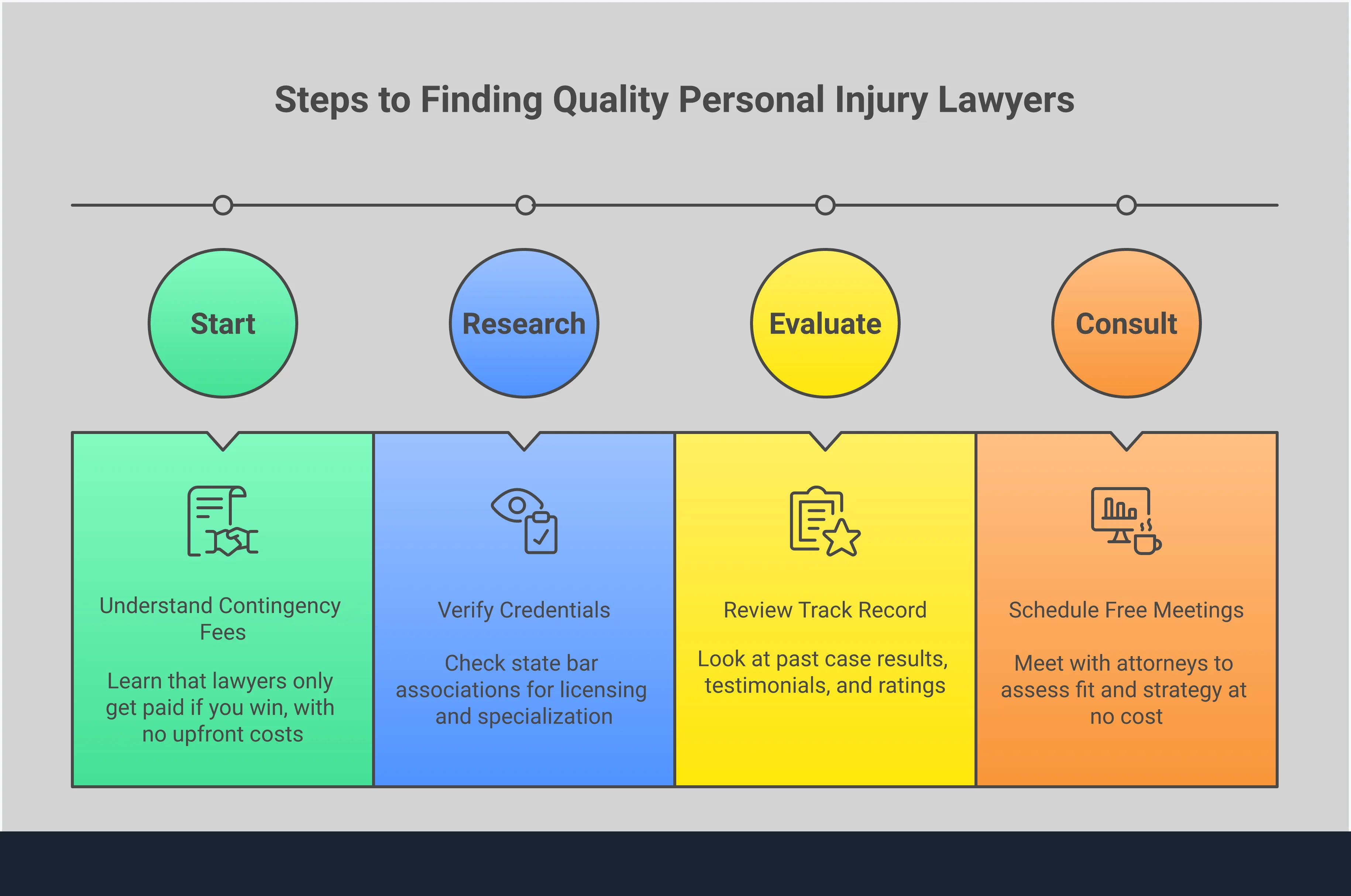
A contingency fee means your attorney only gets paid if you win your case, either through a settlement or a court verdict. If you don’t receive any compensation, you don’t owe any attorney fees. It’s that simple. This fee is a pre-agreed-upon percentage of the final amount you recover. Typically, contingency fee agreements range from 33% to 40% of the client’s settlement. This structure allows you to pursue justice without any upfront financial risk. It also means your lawyer is fully invested in the success of your personal injury claim, because we only succeed when you do.
What About Other Case Costs and Expenses?
Yes, and it’s important to understand the difference between attorney fees and case costs. The contingency fee covers your lawyer’s time and legal services. Case costs are the out-of-pocket expenses required to build and pursue your claim. These can include court filing fees, charges for obtaining medical records, expert witness fees, and deposition costs. Before signing anything, you should always ask how these expenses are handled. Will they be deducted from your settlement before or after the attorney’s fee is calculated? A reputable attorney will explain this clearly. You can contact our office to discuss our transparent approach to fees and costs.
Why You Need a Written Fee Agreement
A clear, written agreement is the foundation of a healthy attorney-client relationship. All contingency fee arrangements must be put in writing and signed by both you and your lawyer. This isn’t just a formality; it’s a critical document that protects your interests. The contract should explicitly state the percentage the lawyer will receive and detail how case costs will be managed. It should leave no room for confusion about what happens when your case is resolved. This transparency ensures everyone is on the same page from day one, which is a core part of our commitment to our clients.
What Does a Personal Injury Lawyer Actually Do?
After an accident, your primary job is to heal. A personal injury lawyer’s job is to handle everything else. Their role goes far beyond filing paperwork; they become your advocate, investigator, and negotiator, all rolled into one. They work to protect your rights and build a strong case designed to secure the compensation you need to cover medical bills, lost wages, and other damages. By managing the complex legal process, they lift a significant burden off your shoulders, allowing you to focus on your physical and emotional recovery without the added stress of dealing with insurance companies and legal deadlines on your own.
Investigating Your Claim and Gathering Evidence
Think of your lawyer as the lead detective for your case. Their first step is to conduct a thorough investigation into the circumstances of your injury. This involves much more than just hearing your side of the story. They will gather crucial evidence, such as police reports, medical records, and photos of the scene. They also interview witnesses to get firsthand accounts of what happened. This meticulous evidence collection is the foundation of your entire claim. It allows your attorney to piece together a clear and compelling narrative that establishes who was at fault and demonstrates the full extent of your injuries and losses.
Negotiating with Insurance Companies for a Fair Settlement
Dealing with insurance companies can be one of the most frustrating parts of a personal injury claim. Adjusters are trained to protect their company’s bottom line, which often means offering a settlement that is far less than what you deserve. A personal injury lawyer levels the playing field. They are skilled negotiators who understand the tactics insurers use and know how to counter them effectively. Your attorney will handle all communications with the insurance company, present the evidence they’ve gathered, and argue for a settlement that fairly compensates you for your medical expenses, lost income, and pain and suffering.
Preparing for Trial if a Settlement Isn’t Reached
While the vast majority of personal injury cases are settled out of court, the ability and willingness to go to trial is a lawyer’s most powerful negotiating tool. If the insurance company refuses to make a fair offer, your attorney will be prepared to file a lawsuit and take your case before a judge and jury. This readiness shows the insurer that you are serious about your claim. The entire process of preparing for trial—from filing motions to conducting depositions—often motivates the other side to return to the negotiating table with a much more reasonable offer.
Working with Experts to Strengthen Your Case
Sometimes, a strong case requires more than just police reports and medical bills. Experienced personal injury lawyers have a network of trusted experts they can call upon to provide specialized testimony. For example, a medical expert can explain the long-term effects of your injuries, while an accident reconstructionist can prove how a collision occurred. An economist might be needed to calculate your future lost wages and earning capacity. These expert opinions add significant weight and credibility to your claim, making it much harder for the insurance company to dispute the severity of your damages.
Understanding Key Legal Concepts in Personal Injury
The legal world has its own language, and it can feel intimidating when you’re already dealing with an injury. However, you don’t need a law degree to understand the basic principles that will affect your case. A few key concepts govern how personal injury claims work, from the deadlines you have to meet to how fault is determined. Getting familiar with these ideas will empower you to be a more active participant in your own case and help you understand the strategy your attorney is using to protect your interests and fight for your rights.
The Statute of Limitations: A Critical Deadline You Can’t Miss
One of the most important rules in any personal injury case is the statute of limitations. This is a strict legal deadline for filing a lawsuit. If you miss this deadline, you lose your right to pursue compensation through the court system, no matter how strong your case is. In Missouri, the statute of limitations for most personal injury claims is five years from the date of the injury. While that might sound like a long time, building a strong case takes time. It is crucial to contact an attorney as soon as possible to ensure all necessary steps are taken well before this critical window closes.
Missouri’s Comparative Fault Rule: What if You’re Partially to Blame?
Many people worry they can’t file a claim if they were partially at fault for the accident that injured them. In Missouri, this isn’t true. The state follows a legal doctrine called “pure comparative fault.” This rule means you can still recover damages even if you were partly to blame for the incident. However, the amount of compensation you receive will be reduced by your percentage of fault. For example, if you were found to be 20% at fault for a car accident, your final settlement or award would be reduced by 20%. An attorney can help gather evidence to minimize your assigned fault and maximize your recovery.
When to Consider Hiring a Personal Injury Lawyer
Not every bump or bruise requires legal action, but there are clear signs that you need a professional advocate on your side. Trying to handle a serious claim on your own can put you at a significant disadvantage, especially when you’re up against experienced insurance adjusters and defense attorneys. Recognizing when to call for help is the first step toward protecting your rights and securing a fair outcome. If you find yourself in any of the following situations, it’s a good idea to schedule a consultation to discuss your options with an experienced attorney who handles these practice areas.
If You Suffered Serious or Long-Term Injuries
If your injuries are severe, permanent, or require long-term medical care, you should hire a personal injury lawyer immediately. These types of injuries create complex damages that are difficult to calculate without professional help. You need to account for future medical treatments, ongoing physical therapy, potential loss of earning capacity, and the long-term impact on your quality of life. An attorney can work with medical and financial experts to accurately assess the full value of your claim, ensuring you seek compensation that covers your needs not just for today, but for years to come.
If Fault for the Accident Is Unclear or Disputed
When the other party denies responsibility or, worse, tries to blame you for the accident, it’s time to get a lawyer involved. Insurance companies will seize any opportunity to shift blame and reduce or deny your claim. An attorney can launch an independent investigation to establish exactly what happened and who was at fault. They will gather evidence, interview witnesses, and build a case to counter any unfair accusations. This is especially important in a comparative fault state like Missouri, where proving the other party was primarily responsible is directly tied to the amount of compensation you can receive.
When an Insurance Company Is Delaying or Denying Your Claim
Insurance companies are businesses, and some may use frustrating tactics to avoid paying claims. If you’re getting the runaround, your calls are being ignored, or the insurer has denied your claim with a weak explanation, you need an advocate. A lawyer can cut through the red tape and force the insurance company to take your claim seriously. Simply having an attorney represent you often changes the dynamic, signaling to the insurer that you will not be intimidated by delay tactics or lowball offers. They know your lawyer is prepared to fight for a fair settlement and won’t hesitate to file a lawsuit if necessary.
How to Find an Affordable Personal Injury Lawyer
When you’re dealing with an injury, the last thing you need is the stress of a complicated search for a lawyer. The good news is that finding an affordable and experienced attorney is more straightforward than you might think. Most personal injury lawyers work on a contingency fee basis, meaning you don’t pay unless they win your case. This structure makes quality legal help accessible to everyone. The key is knowing where to look for a professional who is not only skilled but also a good fit for you and your case. Let’s walk through some of the most reliable places to start your search.
Start with Online Directories and Bar Associations
A great first stop is your local or state bar association. These organizations are dedicated to upholding legal standards and often provide resources to help the public. Many state and local bar associations have lawyer referral services that can help you find an attorney who fits your needs and budget. These directories are trustworthy because the attorneys have been vetted by the association, giving you an extra layer of confidence. You can typically search by specialty, like personal injury law, to make sure you’re connecting with someone who has the right experience for your case.
Ask Friends and Family for Referrals
Don’t underestimate the power of a personal recommendation. Your friends, family, and community can be incredible resources for finding affordable legal help. Chances are, someone you know has worked with a local attorney and can share their experience. A referral gives you insight that you can’t find online—you can learn about the lawyer’s communication style, their dedication to the case, and the overall client experience. Asking people you trust for their recommendations is a simple but effective way to build a list of potential attorneys to contact.
Can Legal Aid Help with Your Injury Case?
If you’re concerned about costs due to your financial situation, legal aid services are an important resource to explore. These organizations are set up to provide free or low-cost legal assistance for people with low to moderate incomes. While they may have specific eligibility requirements, they can be a lifeline for those who need help with a personal injury case but can’t afford typical legal fees. Many legal aid societies have experienced attorneys who are passionate about helping their communities and ensuring everyone has access to justice, regardless of their ability to pay.
Choosing the Right Affordable Personal Injury Lawyer
Finding a lawyer who works on a contingency fee basis is the first step, but it’s not the last. The right attorney for you offers more than just an affordable payment structure; they provide value through experience, a solid reputation, and a commitment to your case. When you’re comparing your options, think of it less like bargain hunting and more like hiring a trusted partner for a difficult journey. You need someone who is not only skilled but also a good fit for you personally.
Focus on a few key areas to make sure you’re choosing an attorney who can effectively represent you. Look for a proven track record in personal injury law, positive feedback from former clients, and a communication style that makes you feel heard and respected. These qualities are just as important as the fee agreement and will have a major impact on both your experience and the outcome of your case.
Confirm Their Experience in Personal Injury Law
When you’re looking for a lawyer, experience is a top priority for good reason. An attorney who specializes in personal injury cases brings a deep understanding of this specific area of law, which is very different from family law or estate planning. They know the local court systems, have experience dealing with insurance adjusters, and understand how to build a strong case to prove negligence.
A general practice lawyer might be great for other things, but a personal injury specialist lives and breathes this work. This focused experience can make a significant difference in the outcome of your case, from negotiating a fair settlement to fighting for you in court if necessary.
Check Reviews and Past Case Results
Client testimonials and online reviews are your window into what it’s actually like to work with an attorney. Look beyond the star ratings and read what people are saying. Do they mention feeling supported? Were their calls returned promptly? A lawyer’s track record isn’t just about the dollar amounts of past settlements; it’s also about how they treat their clients throughout the process.
A history of successful outcomes is important, but so is a pattern of positive client experiences. You want an advocate who is not only competent but also compassionate and professional. Don’t hesitate to ask about their experience with cases similar to yours during your initial consultation.
Consider a Local Firm vs. a Large National Firm
When you start your search, you’ll see ads for huge national firms right alongside lawyers in your own community. Each has its advantages, and the right fit depends on what you value. Large, national firms often have extensive resources and big marketing budgets, giving them a lot of name recognition. However, with a local firm, you often get a level of personal attention that’s hard to find elsewhere. You’re more likely to work directly with your attorney—the person whose name is on the door—rather than being passed to a case manager.
A local lawyer also brings an invaluable understanding of the community. They are familiar with the local court system, judges, and even the tactics of opposing counsel in your area. This insider knowledge can be a significant asset to your case. Ultimately, you have to decide what’s most important for your peace of mind. Do you want the backing of a massive corporation, or the dedicated, one-on-one guidance of an attorney who is invested in your community and your outcome?
How Well Do They Communicate?
Clear and consistent communication is one of the most critical qualities in a personal injury lawyer. During a stressful and confusing time, you need someone who will explain your options, provide regular updates, and answer your questions in a way you can understand. A great attorney ensures you know what’s happening at every stage of your case.
Use your first meeting to gauge their communication style. Do they listen to your story without interrupting? Do they seem genuinely invested in your well-being? You should feel like a priority, not just another file on their desk. A personalized approach is essential, as it shows the lawyer is committed to you and the unique details of your situation.
What If I Can’t Afford a Lawyer?
If you’re worried about the cost of hiring a lawyer, you’re not alone. It’s one of the most common concerns people have after an accident, and it often prevents them from seeking the justice they deserve. The good news is that quality legal help can be more accessible than you think. You don’t always need a large upfront budget to get strong representation, especially when you’re already dealing with medical bills and lost wages from a personal injury.
Several options exist to help people find affordable or even free legal support. From community-based programs to flexible payment structures offered by law firms, there are pathways to justice that won’t break the bank. Understanding these resources is the first step toward making an informed decision without letting financial fears dictate your next move. It’s about finding a solution that fits your circumstances so you can get the support you need. Whether you qualify for free assistance through a non-profit or work with a lawyer on a contingency basis, it’s worth exploring your options. The key is to know where to look and what questions to ask so you can focus on what truly matters: your recovery.
How to Find Pro Bono or Legal Aid Help
Many organizations are dedicated to providing free or low-cost legal assistance to those who need it most. Legal aid societies and pro bono programs connect individuals, often those with low or moderate incomes, with volunteer attorneys or staff lawyers who can help with a variety of legal issues. These groups receive funding from grants and donations to ensure that everyone has access to legal representation, regardless of their ability to pay. You can often find local legal aid services that can guide you on your specific situation and see if you qualify for their help.
Get Help from Local Law School Clinics
Another excellent resource is a local law school clinic. Many law schools run programs where students, supervised by experienced professors, provide free legal services to the community. This arrangement gives students practical, real-world experience while offering valuable assistance to clients who might not otherwise be able to afford a lawyer. These clinics often handle specific types of cases, including personal injury, family law, or housing disputes. Checking with nearby universities is a great way to see if they have a clinic that can take on your case and provide the support you need.
Ask About Payment Plans for Case Costs
For personal injury cases, the most common and accessible payment structure is the contingency fee agreement. This arrangement means you don’t pay any attorney fees unless your lawyer wins your case, either through a settlement or a court verdict. The lawyer’s fee is a pre-agreed-upon percentage of the compensation you receive. This model allows you to pursue justice without any upfront financial risk. It aligns your interests with your attorney’s, as they are motivated to secure the best possible outcome for you. It’s a standard practice that makes quality personal injury representation available to everyone.
Do You Have a Personal Injury Case?
You might think that an “affordable” lawyer only handles minor cases, but that’s not true at all. The type of case a personal injury lawyer takes on usually depends on one key factor: negligence. If you were injured because someone else was careless or reckless, there’s a good chance an attorney can help, often on a contingency fee basis. This means their focus is on the strength of your case and your potential to receive compensation, not on your ability to pay fees upfront.
Personal injury law covers a wide range of incidents, from common traffic accidents to more complex claims against property owners or professionals. An experienced attorney will evaluate the details of your situation, the severity of your injuries, and the evidence available to determine the best path forward. Let’s walk through some of the most common types of cases these lawyers handle.
Car, Truck, and Motorcycle Accident Claims
Collisions on the road are one of the most frequent reasons people need a personal injury lawyer. If another driver’s negligence caused your accident—whether they were texting, speeding, or driving under the influence—you shouldn’t have to bear the financial burden alone. An attorney works to prove the other party was at fault and fights to get you fair compensation. This covers things like your medical treatments, lost income from being unable to work, and the pain and suffering you’ve endured. Handling automobile accidents is a core part of personal injury law, and a good lawyer will manage the insurance companies so you can focus on your recovery.
Slip-and-Fall and Other Property-Related Injuries
When you get hurt on someone else’s property, it can fall under an area of law called premises liability. Property owners have a legal responsibility to keep their environment reasonably safe for visitors. If they fail to fix a dangerous condition or warn people about it, they can be held accountable for any resulting injuries. This includes everything from slipping on a wet floor in a grocery store to tripping on a broken sidewalk or being injured due to poor lighting. Your lawyer’s job is to show that the property owner was negligent and that their carelessness directly led to your harm.
Workplace Accidents and Medical Malpractice
While workers’ compensation is the typical route for on-the-job injuries, a personal injury claim may be possible if your injury was caused by a third party’s negligence or an unsafe product. Similarly, medical malpractice cases arise when you are harmed because a doctor, nurse, or hospital failed to provide the accepted standard of care. These are incredibly serious and complex situations where you’ve been let down by professionals you trusted with your health. An attorney can help you understand your rights and build a case to hold the responsible parties accountable for the harm they’ve caused.
Wrongful Death Claims
Losing a loved one is an unimaginable pain, and it’s made even more difficult when their death was caused by someone else’s carelessness. A wrongful death claim is a civil action that allows surviving family members to seek justice and financial stability after such a loss. This type of claim isn’t about criminal charges; it’s about holding the negligent party accountable for the consequences of their actions. A successful claim can help cover overwhelming expenses like final medical bills, funeral costs, and the loss of future income your family was depending on. It also acknowledges the profound, non-economic losses, such as the loss of companionship and guidance, providing a measure of closure for the family left behind.
Nursing Home Abuse and Neglect
Placing a family member in a nursing home is an act of trust, and discovering that trust has been broken by abuse or neglect is heartbreaking. This mistreatment can take many forms, including physical harm, emotional manipulation, financial exploitation, or the simple failure to provide basic needs like food, water, and proper medical attention. Victims and their families have the right to hold these facilities accountable. Pursuing a personal injury claim can help secure compensation for the suffering endured and can also force the facility to change its practices, protecting other residents from future harm. It’s about seeking justice for your loved one and demanding the standard of care they have always deserved.
Common Myths About Affordable Injury Lawyers
When you’re dealing with an injury, the last thing you need is another bill to worry about. The thought of legal fees can be intimidating, and unfortunately, a lot of myths out there can stop people from getting the help they need. Many people assume that hiring a lawyer is just too expensive, especially when they’re already facing medical costs and time off work.
Let’s clear the air and talk about what “affordable” really means in the context of personal injury law. The goal is to find an attorney who provides excellent representation without demanding a huge payment upfront. Understanding how the payment structure actually works can make the process feel much more manageable. We’ll break down two of the biggest misconceptions that might be holding you back from seeking the justice you deserve.
Myth: An Affordable Lawyer Means Lower-Quality Service
It’s easy to think that “affordable” is just another word for “sub-par,” but that’s simply not the case with personal injury lawyers. An attorney’s fee structure has nothing to do with their skill, experience, or dedication to your case. Many of the most respected lawyers work on a contingency basis to make legal help accessible to everyone, regardless of their financial situation.
When you’re looking for a lawyer, focus on their track record, client testimonials, and experience in cases like yours. A firm’s commitment to a client-centered approach is a far better indicator of quality than its price tag. An affordable lawyer is one who aligns their success with yours, not one who cuts corners.
Myth: You Have to Pay Your Lawyer Upfront
This is probably the most common myth, and it prevents countless people from even making that first call. The reality is that most personal injury attorneys work on a contingency fee basis. This means you don’t pay any legal fees out of your own pocket to get started. Your lawyer only gets paid if they win your case, either through a settlement or a court verdict.
The fee is typically a percentage of the final amount you receive. This structure ensures your lawyer is motivated to get you the best possible outcome. If you don’t win, you don’t owe them a fee for their time. It’s a risk-free way to get expert legal representation when you need it most. If you have questions about this, you can always schedule a free consultation to discuss the specifics.
Red Flags to Watch For When Hiring an Attorney
Finding an affordable lawyer is a great goal, but the cheapest option isn’t always the best one. Your relationship with your attorney is a partnership built on trust, and it’s important to find someone who has your best interests at heart. As you meet with potential lawyers, keep an eye out for a few red flags that could signal a difficult experience ahead. A great attorney will be transparent about their process, realistic about potential outcomes, and dedicated to keeping you informed. Anything less should give you pause.
Think of your initial consultation as an interview where you are the one doing the hiring. You’re looking for a skilled professional, but also a reliable guide who will stand by you through a challenging time. Paying attention to how a lawyer presents themselves, their fee structure, and their communication style from the very beginning can save you a lot of stress down the road. Trust your gut—if something feels off, it probably is. The right legal partner will make you feel confident and supported, not pressured or uncertain. A lawyer who rushes you, dismisses your questions, or seems more focused on their payment than your well-being is not the advocate you need. The legal process can be complex and emotionally draining, and having an attorney who adds to that stress is the last thing you want.
They Pressure You to Pay Fees Upfront
One of the biggest misconceptions about hiring a lawyer is that you’ll need a lot of money just to get started. This fear stops many people from seeking the help they deserve. For most personal injury cases, reputable attorneys work on a contingency fee basis, which means they only get paid if you win your case. If a lawyer pressures you for a large upfront retainer or other fees before they’ve even agreed to take your case, consider it a major warning sign. This could indicate they aren’t confident in their ability to win or, in worse cases, that they are running a scam. A trustworthy attorney will have a clear, transparent fee structure they are happy to explain.
They Make Unrealistic Promises About Your Case
It’s natural to want to know what your case is worth, but be wary of any attorney who guarantees a specific, large settlement amount right away. Every personal injury case is unique, and its value depends on many factors that can’t be known at the first meeting. A professional and experienced attorney will evaluate the merits of your case and give you a realistic assessment of the potential outcomes, both good and bad. An attorney like Chad G. Mann will ground their advice in facts and legal precedent. Overblown promises are often a sales tactic used by lawyers who are more interested in signing you as a client than in serving your actual needs. Honesty and realism are far more valuable than empty guarantees.
They Have Poor Communication or Are Never Available
Nothing is more frustrating than feeling like you’re in the dark about your own case. A good attorney prioritizes clear and consistent communication. If a lawyer is difficult to get ahold of from the start, frequently cancels meetings, or doesn’t return your calls and emails in a timely manner, this is a sign of what’s to come. You should feel like a priority, not an inconvenience. While you will likely interact with paralegals and other staff, you should have reasonable access to your attorney. If you’re already struggling to get a clear answer or a simple callback, it’s best to find a legal team that makes it easy to get in touch.
Questions to Ask During Your First Consultation
Your first meeting with a personal injury lawyer is more than just a chance to tell your story—it’s an interview. You’re deciding if this is the right person to represent you during a vulnerable time. Being prepared with the right questions helps you make an informed choice and find an attorney who truly fits your needs. These key questions will help you understand their process, their assessment of your situation, and what you can expect moving forward.
How Are Fees and Costs Handled?
Understanding the financial side from the start is essential. Most personal injury lawyers work on a contingency fee basis, meaning their payment is a percentage of your settlement, and you owe nothing if they don’t win. Be sure to ask for the specific percentage they charge. It’s also crucial to clarify what other costs you might be responsible for, like court filing fees. Some firms have complex fee structures, so ask for a clear breakdown. A trustworthy attorney will be transparent and provide a written agreement that outlines everything, ensuring there are no surprises.
What Is Your Assessment of My Case?
After sharing the details of your accident, ask for their honest assessment. A reputable lawyer won’t make unrealistic promises or guarantee an outcome. Instead, they should give you a clear picture of your case’s strengths and weaknesses, explain the legal process, and manage your expectations. An attorney’s experience with similar personal injury cases heavily influences their ability to provide an accurate evaluation. You want someone who communicates clearly and gives you the information you need to make confident decisions, not just someone who tells you what you want to hear.
What Is Your Firm’s Experience with Cases Like Mine?
This question gets to the heart of what you need in a legal advocate. While many lawyers can handle a variety of issues, personal injury law is a specialized field. An attorney who focuses on cases like yours brings a deep understanding of the specific challenges you’re facing, from negotiating with insurance adjusters to knowing what evidence is needed to prove negligence. You want someone who has a proven track record with the specific types of personal injury cases you’re dealing with, whether it’s a car accident or a slip-and-fall. Their past results and client feedback can give you confidence that they have the skills and dedication to manage your case effectively and fight for a fair outcome.
Who Will Be Working on My Case?
It’s important to know who will be your main point of contact. In some firms, you might meet with a senior partner, only to have your case passed to a less-experienced associate. Ask directly: “Will you be the one handling my case, or will someone else?” Every personal injury claim is unique and deserves focused attention. Building a relationship based on trust and open communication is key, so you should feel comfortable with your advocate. Knowing you have a dedicated legal professional like Chad G. Mann on your side can make all the difference.
How We Provide Affordable Personal Injury Representation
When you’re dealing with an injury, the last thing you need is the added stress of worrying about legal fees. We believe that everyone deserves access to quality legal representation, regardless of their financial situation. That’s why our approach is built on transparency, a client-first mindset, and a deep commitment to serving our neighbors here in Southwest Missouri. We want you to focus on your recovery while we focus on securing the justice you deserve.
Our Clear and Transparent Fee Agreement
We handle personal injury cases on a contingency fee basis. This means you pay absolutely nothing upfront. Our fee is a percentage of the settlement or award we win for you. If we don’t win your case, you don’t owe us a fee. It’s that simple. While contingency fees in the industry can range from 33% to 40%, we ensure our agreement is straightforward and fair. We will discuss the specifics with you during your free consultation, so you understand every detail before moving forward. This approach allows you to pursue your claim without financial risk and ensures our goals are perfectly aligned with yours: achieving the best possible outcome for your case.
You’re More Than Just a Case Number
You are more than just a case file to us. We believe that great legal representation involves compassion and clear communication. From our first meeting, we take the time to listen to your story, understand your concerns, and explain your options in plain English. Our commitment is to keep you informed at every stage of the process, so you always know what’s happening with your case. This personalized approach is central to everything we do. You can learn more about our philosophy and dedication to our clients, which guides us in providing the support you need during a difficult time.
Dedicated Injury Lawyers Serving Southwest Missouri
As a firm rooted in Southwest Missouri, we are dedicated to helping members of our community. We have extensive experience handling a wide range of personal injury cases, from car and truck accidents to slip-and-fall incidents and premises liability claims. Our deep understanding of local and state laws gives our clients an advantage. We are proud to provide effective legal representation to our neighbors, fighting to protect their rights and secure fair compensation. You can explore our practice areas to see the full scope of how we can assist you with your personal injury claim.
Related Articles
- Personal Injury Attorney Guide – Find the Right Advocate
- How a Personal Injury Lawyer Can Maximize Your Claim – The Law Office of Chad G. Mann, LLC
- Top 6 Personal Injury Attorneys in Springfield MO – Guide
- How to Choose a Personal Injury Attorney in Springfield, MO – The Law Office of Chad G. Mann, LLC
Frequently Asked Questions
Do I have to pay any money upfront to hire a personal injury lawyer? No, you shouldn’t have to. Most personal injury attorneys, including our firm, operate on a contingency fee basis. This means you don’t pay any legal fees out of your own pocket to get started. The entire point of this structure is to remove the financial barrier so you can get expert legal help when you need it most, without worrying about how to afford it.
If my lawyer works on a contingency fee, does that mean I won’t have any other expenses? This is a great question because it highlights an important detail. The contingency fee covers your lawyer’s time and work. However, building a strong case involves other expenses, known as case costs. These can include things like court filing fees or the cost of obtaining your medical records. A trustworthy attorney will explain exactly how these costs are handled and will outline everything clearly in your written agreement before you sign anything.
Does hiring an “affordable” lawyer mean I’m getting lower-quality representation? Not at all. In personal injury law, “affordable” refers to the payment structure, not the lawyer’s skill or experience. The contingency fee model is the industry standard used by many of the most successful and respected attorneys. The quality of a lawyer is determined by their track record, their specialization in personal injury law, and how they treat their clients—not by whether they demand money upfront.
What happens if I don’t win my case? Will I owe my lawyer money? If your lawyer works on a contingency fee agreement and you don’t win your case through a settlement or a verdict, you do not owe them any attorney fees. This arrangement ensures that your lawyer is fully invested in the success of your case because they only get paid if you do. It’s a risk-free way for you to pursue the justice you deserve.
How do I know if my injury situation is actually a valid legal case? The best way to find out is to talk to an attorney. Generally, a strong personal injury case involves an injury that was caused by someone else’s negligence or carelessness. During a free consultation, a lawyer can listen to the details of what happened, evaluate the strength of your claim, and give you an honest assessment of your legal options without any obligation.
Have you been injured? Take our free injury questionnaire to help us understand your case, or call (417) 842-8679 for a free consultation today.