


Heard of the “one-bite rule”? It’s a dangerous myth for Missouri pet owners. Our state follows a “strict liability” rule, meaning you are responsible from the very first incident. This is just one of many common misconceptions about animal law that can have serious legal and financial consequences. From your pet’s legal status as property to rules for assistance animals in housing, being misinformed puts you at risk. A professional pet lawyer in Cape Girardeau, MO can help you separate fact from fiction and provide the correct guidance your situation requires.
Key Takeaways
- Know That the Law Views Your Pet as Property: It’s a tough reality, but legally, your pet is considered personal property in Missouri. This classification directly impacts the outcome of custody disputes, injury claims, and theft cases, so it’s essential to understand how it frames your legal options.
- Animal Law Covers More Than Just Cruelty Cases: Legal issues involving pets often extend to civil matters like dog bite liability, veterinary malpractice, and custody arguments during a divorce. If you’re facing any of these situations, an attorney can help protect your rights and your pet’s future.
- Seek an Attorney with Specific Animal Law Experience: Missouri’s animal-related statutes and local ordinances are complex, from “strict liability” for dog bites to rules about assistance animals. A lawyer who specializes in this field will know the specific laws that apply to your case and can offer a much stronger strategy than a general practitioner.
What is Animal Law? And When Should You Call a Lawyer?
For many of us, our pets are family. So when a legal issue involving them comes up, it can feel overwhelming and deeply personal. Animal law is a specialized area of the legal system designed to address these unique situations, from disputes with a neighbor to serious allegations of neglect. Understanding what this area of law covers and knowing when you need professional legal help is the first step toward protecting your rights and the well-being of your animal companion. Here’s what you need to know as a pet owner in Missouri.
The Basics of Animal Law in Missouri
Animal law isn’t just one thing; it’s a collection of laws that govern how animals are treated and the responsibilities of their owners. In our state, Missouri has a wide range of laws that protect animals, regulate businesses like breeders and shelters, and define what’s expected of you as a pet owner. This legal field addresses everything from ensuring humane treatment and preventing cruelty to resolving disputes over ownership. Think of it as the legal framework that recognizes the role animals play in our lives and society, aiming to provide them with protection while clarifying the rights and duties of the people who care for them.
Is It Time to Call an Animal Lawyer?
You might need an attorney for more than just criminal charges. If you’re going through a divorce and can’t agree on who keeps the dog, an attorney can help with pet custody. Other common situations include suing a veterinarian for malpractice if your pet was harmed by negligence, or needing help to get your pet back from someone who won’t return them. And if you are ever accused of animal cruelty or neglect, it is absolutely critical to seek legal representation immediately to protect your rights. Facing these complex issues alone can be difficult, and a knowledgeable attorney can guide you through the process and advocate for the best possible outcome for you and your pet.
Beyond Pet Disputes: The Scope of Animal Law
When you hear “animal law,” your mind might jump to dog bite cases or custody battles over a beloved cat. While those are certainly part of it, the field is much broader than most people realize. Animal law intersects with nearly every traditional area of the legal system, including contract law, family law, and even constitutional law. It’s a complex web of regulations that governs everything from the welfare of animals on farms to the conservation of wildlife in our state parks. According to the Animal Legal Defense Fund, this area of law addresses issues that can affect anyone, whether you’re a pet owner, a farmer, or simply a concerned citizen.
Wildlife, Farm Animals, and Policy Work
Living in Missouri, we’re surrounded by both agriculture and abundant wildlife, and specific laws govern how we interact with both. The legal framework for farm animals, for example, involves detailed regulations on humane treatment and conditions. Similarly, wildlife conservation is managed through a mix of state and federal laws that can be tricky to understand. As noted in an introduction to American Wildlife Law, federal authority can sometimes override state rules, creating a complex legal landscape. This is where animal law attorneys step in—not just to handle individual cases, but also to work on policy and legislation that shapes these larger issues for years to come.
Who Hires Animal Lawyers?
It’s not just pet owners who find themselves needing an animal lawyer. The clientele is incredibly diverse. Of course, private individuals make up a large portion, seeking help with things like veterinary malpractice claims, landlord disputes over assistance animals, or creating pet trusts in their estate plans. But nonprofit organizations also rely heavily on legal experts to advocate for stronger animal protection laws and file lawsuits to enforce existing ones. Even government agencies hire attorneys to help draft and implement regulations related to animal welfare, public health, and conservation. The need for legal guidance in this area is widespread, touching many different parts of our society.
Private Practice vs. Nonprofit Advocacy
Animal lawyers generally work in two main settings: private practice or for a nonprofit organization. An attorney in private practice typically represents individual clients dealing with personal legal matters. This could be a personal injury claim after a dog attack or helping a family navigate a pet custody dispute. On the other hand, lawyers working for nonprofits like the Humane Society or the ASPCA focus on broader, mission-driven work. They often engage in large-scale litigation, lobby for new legislation, and work to change policies to improve animal welfare on a systemic level. Both roles are crucial for advancing the interests of animals and their owners.
What Does an Animal Lawyer Do?
The day-to-day work of an animal lawyer is as varied as the field itself. Their primary role is to act as an advocate, whether that’s for an individual client, an organization, or the animals themselves. This can involve representing a client in court during a cruelty case or negotiating a settlement for injuries caused by another person’s pet. They also spend a significant amount of time on work outside the courtroom, such as providing legal advice to shelters on compliance with local ordinances, drafting contracts for breeders or rescue groups, and helping clients create legally sound estate plans that ensure their pets are cared for after they’re gone. Their job is to apply legal principles to situations involving animals, ensuring a just outcome.
Negotiating Settlements, Drafting Legislation, and More
Beyond courtroom appearances, an animal lawyer’s skills are put to use in many other ways. For instance, in a dog bite case, a skilled attorney will often negotiate a settlement with the insurance company to cover medical bills and other damages, avoiding a lengthy trial. On a larger scale, some attorneys work directly with lawmakers to draft new legislation aimed at improving animal welfare standards in the state. They might help write clearer, more enforceable anti-cruelty laws or advocate for better regulations for commercial breeding facilities. From resolving a dispute with a neighbor to shaping statewide policy, their work is essential to protecting animals and the people who care about them.
How an Animal Lawyer Can Protect You and Your Pet
Animal law is a surprisingly diverse field, covering everything from neighborhood disputes to complex litigation. If you’re facing a legal issue involving your pet, you might feel overwhelmed and unsure where to turn. An animal law attorney is your best advocate, equipped to handle the unique challenges that arise when animals and the law intersect. They can help you protect your rights, your pet’s well-being, and your peace of mind. These legal professionals handle a wide range of issues, from helping you get your dog back from someone who won’t return it to representing you in a veterinary malpractice suit.
They understand that pets are family, but they also know how the legal system often treats them as property. This dual understanding is crucial for building a strong case. Whether you’re dealing with a custody battle, an unfair accusation, or an injury caused by another animal, a knowledgeable attorney can guide you through the legal process and fight for the best possible outcome for you and your animal companion. They can help you gather evidence, file the correct paperwork, and represent you in court if necessary. Let’s look at some of the most common situations where an animal law attorney can provide essential support.
Who Gets the Dog? Pet Custody in a Divorce
When a couple separates, the question of who gets the family pet can be just as contentious as dividing assets. In Missouri, pets are legally considered property, which can make these decisions incredibly difficult. An animal law attorney can help you handle these sensitive situations. They handle cases like animal custody fights by helping you create a compelling argument for why you should retain custody, focusing on the pet’s best interests. This might involve presenting evidence of who was the primary caregiver. An attorney can help you negotiate a custody agreement or, if necessary, advocate for you in court to ensure your beloved companion stays with you.
Seeking Justice in Animal Cruelty Cases
Facing an animal cruelty charge is a serious matter with potentially severe consequences, including fines, loss of your pet, and even jail time. If you have been charged with animal abuse, it is critical to seek legal representation immediately. An experienced attorney can examine the evidence against you, challenge the prosecution’s case, and build a strong defense on your behalf. They understand the nuances of Missouri’s animal abuse laws and can work to protect your rights and your reputation. Don’t face these allegations alone; having a skilled lawyer in your corner can make all the difference in the outcome of your case.
Was Your Vet Negligent? Understanding Malpractice
We trust veterinarians to provide the best care for our pets, but sometimes mistakes happen. Veterinary malpractice occurs when a vet fails to meet the professional standard of care, resulting in injury or death to an animal. Proving malpractice can be challenging, as you must demonstrate that the vet’s negligence directly caused harm. An attorney can help you sue a vet for malpractice by gathering medical records, consulting with expert witnesses, and building a case to hold the negligent party accountable. They can help you seek compensation for vet bills, the value of your pet, and other related damages, ensuring you get justice for the harm done to your animal.
Your Legal Options After a Dog Bite
If you or a loved one has been injured by someone else’s dog, you have the right to seek compensation for your medical bills, lost wages, and pain and suffering. Dog bite cases fall under personal injury law, and an attorney can be an invaluable asset. They will handle communication with the dog owner’s insurance company and work to secure a fair settlement. Most personal injury attorneys work on a contingency fee basis, which means you only pay if you win your case. This allows you to pursue justice without worrying about upfront legal fees. An attorney will manage your claim so you can focus on your recovery.
The Reality of Dog Bites: Common Injuries and Statistics
A dog bite is more than just a minor incident; it can be a life-altering event with serious physical and financial consequences. The numbers paint a clear picture of how common and costly these injuries are. In the United States, more than 4.5 million people are bitten by dogs each year, and nearly 1,000 individuals require emergency room care every single day for their injuries. The average medical cost for a single dog bite can reach $20,000, covering everything from stitches to reconstructive surgery. In fact, dog bite claims in the U.S. resulted in payouts of over $1.1 billion in a single recent year. These statistics highlight the importance of taking dog bites seriously and understanding your rights if you become a victim.
What to Do Immediately After Being Bitten
The moments after a dog bite can be chaotic, but taking the right steps is crucial for your health and any potential legal claim. First, if you can do so safely, gather evidence. Take photos of your injuries, the dog, and the location where the attack occurred. Get the contact information for the dog’s owner and any witnesses who saw what happened. Next, seek medical attention right away, even if the wound seems minor. This creates an official record of your injuries and helps prevent infection. You should also report the incident to your local animal control or police department. Finally, before you speak with the owner’s insurance company or accept any offers, it’s wise to contact an attorney who can help you understand your options and protect your rights.
Types of Compensation You Can Seek
When you’ve been injured by a dog, the costs go far beyond the initial doctor’s visit. Missouri law allows you to seek compensation for a wide range of damages to help make you whole again. This includes reimbursement for all related medical bills, from the emergency room visit to physical therapy and any future treatments you may need. You can also recover lost wages if your injuries prevented you from working. The law also recognizes the non-economic impact of an attack, allowing you to seek compensation for pain and suffering, emotional distress, and permanent scarring or disfigurement. A personal injury attorney can help you calculate the full extent of your damages to ensure you pursue a fair settlement.
Missouri’s Statute of Limitations for Dog Bite Claims
After a dog bite, your priority is healing, but it’s important to be aware of the legal deadlines for taking action. In Missouri, you generally have five years from the date of the incident to file a personal injury claim. This is known as the statute of limitations. While five years might seem like a long time, it’s never a good idea to wait. Evidence can disappear, witnesses’ memories can fade, and building a strong case takes time. Contacting an attorney sooner rather than later allows them to begin investigating your claim while the details are still fresh. Missing the deadline means you could lose your right to seek compensation forever, so it’s critical to act promptly to protect your legal rights.
Protecting Your Rights with an Assistance Animal
Navigating the laws around assistance animals can be confusing for both pet owners and landlords. An animal law attorney can help you understand your rights regarding service animals and emotional support animals in housing, employment, and public spaces. They can advocate for you if you’re facing discrimination from a landlord or a homeowners association. Furthermore, Missouri law is evolving to offer more protections for pets. For example, domestic violence protection orders can now include temporary custody of pets, ensuring they are safe from an abuser. An attorney can help you use these legal tools to protect both yourself and your animal companion.
Common Legal Troubles for Missouri Pet Owners
As much joy as our pets bring us, owning an animal sometimes comes with complicated and stressful legal situations. From a dispute with a neighbor over a barking dog to more serious matters like a dog bite or an accusation of neglect, these issues can be emotionally draining and legally complex. Understanding the most common animal-related legal challenges in Missouri is the first step toward protecting yourself and your beloved pet.
Many of these situations fall under broader legal categories, like personal injury law or local ordinance enforcement. Whether you’re facing an unfounded accusation or dealing with the aftermath of an unfortunate incident, knowing the basics can help you make informed decisions. Below, we’ll walk through some of the most frequent legal issues Missouri pet owners encounter and what they mean for you.
What to Do If You’re Accused of Animal Neglect
Facing an animal abuse allegation is incredibly serious. According to Missouri law, a person can be found guilty of animal abuse if they intentionally and purposely kill or injure an animal. These charges can stem from a variety of situations, from deliberate harm to severe neglect, such as failing to provide adequate food, water, or shelter. The consequences can be severe, including fines, loss of pet ownership, and even jail time. If you find yourself facing animal abuse charges, it’s critical to understand your rights and the specifics of the accusation. An attorney can help you sort through the evidence and build a strong defense.
Did You Break a Local Pet Law?
Every city and county has its own set of rules for pets, and as one firm notes, “no one really knows too much about them.” These local animal ordinances can cover everything from leash laws and licensing requirements to limits on the number of pets you can own and regulations on barking. While a citation for an ordinance violation might seem minor, repeated offenses can lead to significant fines and other penalties. It’s a good idea to familiarize yourself with the specific regulations in your town. If you receive a citation you believe is unfair, or if you’re in a dispute with a neighbor over one of these rules, legal guidance can help clarify your responsibilities and options.
Who’s Responsible for a Dog Bite?
Missouri is a “strict liability” state when it comes to dog bites. This means that, as an owner, you are legally responsible if your dog bites someone, even if the dog has never shown any aggression before. This “no bite” rule places a strong emphasis on the owner’s duty to control their pet at all times. If your dog injures someone, you could be liable for their medical bills and other damages. On the other hand, if you or a loved one has been bitten, you have the right to seek compensation. These cases can be complicated, so it’s wise to contact an attorney to understand the full scope of your rights and liabilities.
Understanding Missouri’s “Strict Liability” Law
Unlike some states that follow a “one-bite rule,” Missouri law holds dog owners to a higher standard. Here, we have what’s called a “strict liability” statute. This means if a dog bites someone, the owner is legally responsible for the resulting injuries, even if the dog has never shown any signs of aggression before. The dog’s history doesn’t matter; the owner’s duty to control their pet is what the law focuses on. This is a critical piece of Missouri animal law to understand, as it removes the need for the injured person to prove the owner was negligent. The responsibility is placed squarely on the owner from the very first incident.
What if the Dog Didn’t Bite? Liability for Other Injuries
Strict liability in Missouri specifically applies to dog bites. But what happens if a dog causes an injury in another way, like by jumping on someone and knocking them down, or by tripping them while running? In these situations, the case is no longer about strict liability. Instead, it typically falls under general negligence rules. This means the injured person must prove that the dog’s owner was careless and that their carelessness led to the injury. For example, they might need to show the owner knew their large dog had a habit of jumping on people but failed to restrain it. These cases are more complex and often require a detailed look at the circumstances.
The Role of Homeowner’s Insurance in Dog Bite Claims
Many people hesitate to pursue a claim after a dog bite, especially if the owner is a neighbor or friend. They worry about causing financial hardship. However, in most cases, the compensation for medical bills and other damages comes from the dog owner’s homeowner’s or renter’s insurance policy, not their personal savings. These policies almost always include liability coverage for injuries caused by pets. This means the claim is handled by an insurance company, which is equipped to manage these situations. Having an attorney can help you deal with the insurance adjusters and ensure you receive a fair settlement for your personal injury claim.
What to Do If Your Pet is Stolen
The thought of a pet being stolen is a nightmare for any owner. Legally, this situation is complicated by the fact that Missouri law classifies pets as personal property. While this classification feels inadequate given our emotional bonds with our animals, it dictates the legal process for recovery. If your pet is stolen, you should file a police report immediately, just as you would for any other stolen property. Proving ownership through vet records, microchip information, and photos is crucial. An attorney can help you take civil action to demand the return of your pet and explore potential damages.
Know Your Rights as a Missouri Pet Owner
As a pet owner, understanding your rights is the first step to protecting your animal companion. Missouri law has specific rules that affect everything from ownership disputes to what happens if your pet is injured. While the law can sometimes feel impersonal, knowing where you stand is essential for handling any legal issues that may arise. Here, we’ll cover some of the key rights you have as a pet owner in Missouri, so you can be a better advocate for your furry, scaled, or feathered family member.
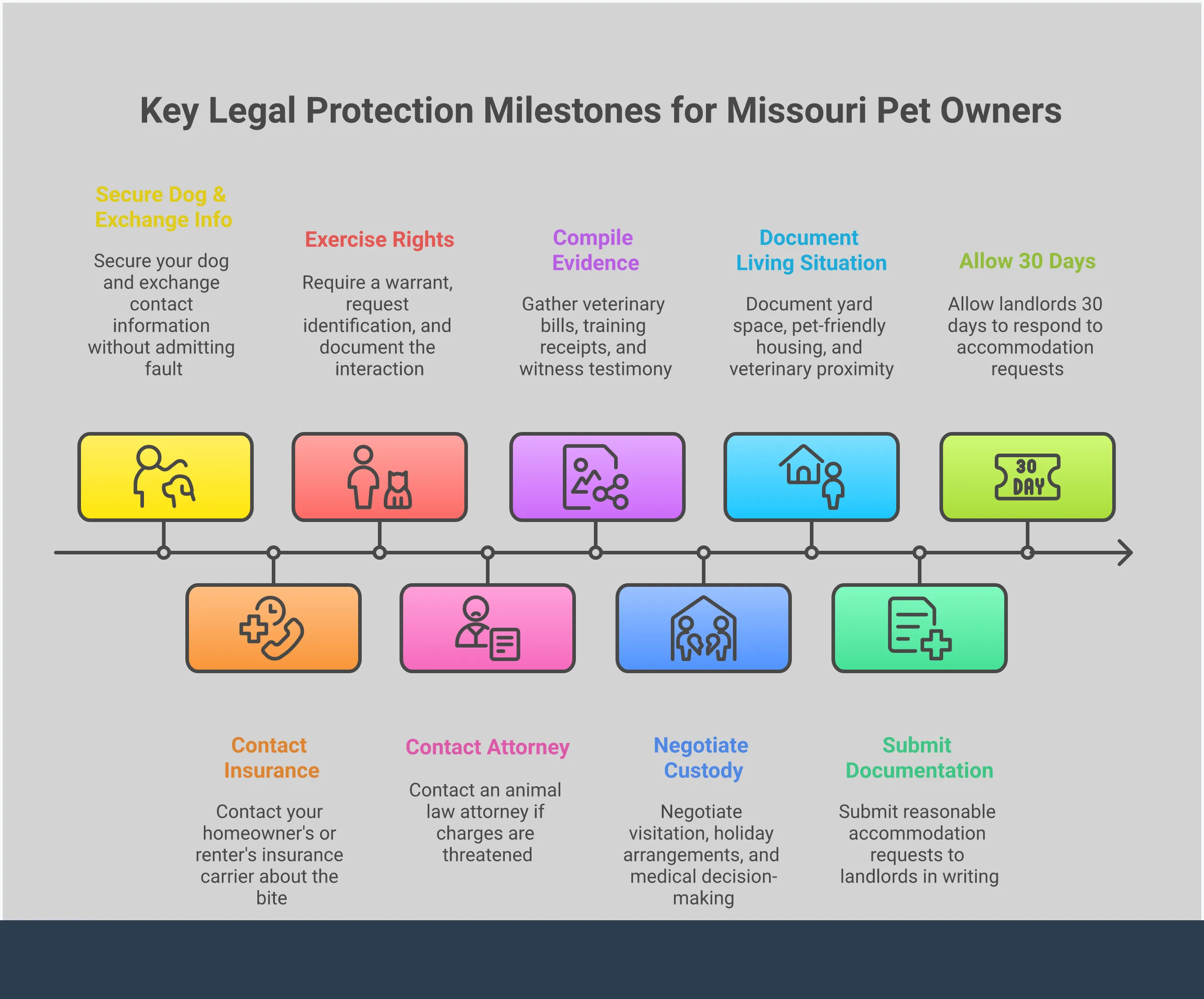
Understanding Your Pet’s Legal Status as Property
It can be tough to hear, but in Missouri, the law views your pet as personal property. This legal classification has significant implications, especially in difficult situations. For example, if your pet is wrongfully injured or killed, the compensation you can recover is often limited to the pet’s fair market value, not the emotional distress you’ve suffered. This same principle applies in ownership disputes, where a court will treat the situation similarly to a disagreement over any other possession. While this doesn’t diminish your bond, understanding that dogs are valued as personal property is crucial for facing legal challenges involving your pet.
Know Your Rights with Your Service Animal
Service animals have special protections that go beyond those for typical pets. Under Missouri law, a service animal is a dog individually trained to do work or perform tasks for a person with a disability. If you have a service animal, you have the right to be accompanied by them in public places where animals are normally not allowed, like restaurants, stores, and hotels. These establishments cannot charge you extra fees because of your service animal. It’s important to know that these specific protections are defined by Missouri statutes and are distinct from the rules governing emotional support animals, which do not have the same broad public access rights.
Keeping Your Pet Safe in Domestic Violence Situations
Leaving an abusive situation is incredibly difficult, and fear for a pet’s safety can make it even harder. Recognizing this, Missouri law now allows you to include your pets in a domestic violence protection order. This means a judge can grant you temporary custody of your pet, ensuring they can leave with you and stay safe. This legal tool is a critical resource for survivors, as it formally acknowledges the bond with a companion animal and prevents an abuser from using the pet as a means of control or coercion. These protections for pets are a vital part of a comprehensive safety plan for you and your entire family.
Are You Protected If Your Pet Causes Harm?
In certain situations, Missouri law limits a pet owner’s responsibility if their animal causes an injury. This is most common with horse-related activities. The law recognizes that activities like riding or being around horses come with inherent risks that can’t always be eliminated. Because of this, an equine activity sponsor or professional is generally not liable for injuries or death resulting from these risks. This legal framework, detailed in Missouri’s statutes, helps protect those who own stables or organize equestrian events, as long as they haven’t acted with negligence. Understanding these liability shields is important for anyone who owns or works with large animals.
How to Find the Right Animal Lawyer in Cape Girardeau
When you’re facing a legal issue involving your pet, the stress can feel overwhelming. Your animal is a part of your family, and you want to ensure they have the best possible advocate. Finding the right attorney is the most important step you can take. You need more than just a lawyer; you need a partner who understands the unique emotional and legal complexities of your situation. As you begin your search, focus on a few key qualities that separate a good attorney from the right one for you and your pet.
Why a Specialist in Animal Law Matters
Animal law is a highly specific field. While any licensed attorney can technically take your case, you’ll be better served by someone who focuses on this area of law. A specialist lives and breathes these unique cases, from pet custody disputes to veterinary malpractice claims. They understand that the law often views pets as property, but they also recognize the deep emotional bond you share. An attorney who specializes in animal law is more likely to be current on recent legal precedents and defense strategies that a general practitioner might overlook, giving your case the dedicated expertise it deserves.
Why a Personal Injury Lawyer Can Be a Great Choice
Many of the most stressful animal-related legal issues, particularly dog bites, fall directly under the umbrella of personal injury law. If you or a family member has been injured, a personal injury attorney can be your strongest ally. They handle the complex and often frustrating communications with the dog owner’s insurance company, fighting to secure fair compensation for your medical bills, lost income, and pain and suffering. Most work on a contingency fee basis, which means you don’t pay any legal fees unless they win your case. This arrangement allows you to seek justice and focus on your recovery without the added stress of upfront costs.
Practical Steps to Find the Right Attorney
Finding the right legal support starts with a bit of research. A great first step is to ask for a personal recommendation from friends or family you trust. You can also contact your local bar association, as they often provide referral services to connect you with qualified lawyers in your area. When you find a potential attorney, review their website to understand their experience and approach. Look for someone who is transparent about their process and makes you feel heard. The right fit is crucial, so don’t hesitate to schedule a consultation to discuss your case and ensure you feel comfortable and confident in their ability to represent you.
Does Your Lawyer Know Missouri’s Pet Laws?
Animal-related laws can change dramatically from one state, county, or even city to the next. It’s critical that your attorney has a firm grasp of Missouri’s animal statutes and any relevant local ordinances. This detailed knowledge is the foundation of a strong legal strategy. Whether you are dealing with a dog bite liability claim or a dispute with a landlord over an assistance animal, an attorney who knows the specific local laws can effectively protect your rights. Don’t hesitate to ask a potential lawyer about their experience with the laws in your specific jurisdiction.
Are They Prepared to Go to Court for You?
Many legal disputes are resolved outside of court, but you should always hire an attorney who is prepared and willing to go to trial. A lawyer with courtroom experience is not afraid to fight for you if a fair settlement can’t be reached. This readiness sends a clear message to the opposing side that you are serious about your case. During your initial consultation, ask about their trial experience. An attorney who is comfortable in a courtroom can be a powerful asset, providing you with leverage during negotiations and confidence if your case proceeds to trial.
Find an Attorney You Can Talk To
Legal processes can be confusing, so you need an attorney who communicates clearly, listens to your concerns, and keeps you informed. From your very first conversation, pay attention to how they interact with you. Do they take the time to understand your story? Do they explain your options in a way that makes sense? A good lawyer will make you feel like a partner in your own case, not just another file on their desk. You should feel comfortable asking questions and confident that you will receive timely updates. You can get in touch with our office to see how we prioritize clear and compassionate communication with every client.
What Will an Animal Law Attorney Cost?
Thinking about legal fees can be stressful, but it shouldn’t stop you from getting the help you need. The cost of hiring an attorney for an animal-related issue varies quite a bit depending on your specific situation. Most law firms, including ours, are transparent about their fee structures and will walk you through the potential costs during your initial consultation. Understanding the different ways lawyers charge for their services can help you feel more prepared and in control. Generally, you’ll encounter a few common models: hourly rates, contingency fees, and retainers. Let’s break down what each of these means for you.
How Do Animal Lawyers Get Paid?
The most common fee structure is an hourly rate. This means you pay the attorney for the actual time they spend working on your case. In Missouri, lawyer rates can range from around $150 to over $500 per hour, depending on the lawyer’s experience and the complexity of the case. For issues like pet custody disputes or defending against a local ordinance violation, an hourly fee is typical.
Alternatively, some cases, particularly personal injury claims like dog bites, are handled on a contingency fee basis. This means you don’t pay any attorney fees unless you win your case. If you receive a settlement or a court award, the attorney’s fee is a pre-agreed percentage of that amount. This approach makes legal help accessible, as you don’t need to pay anything upfront.
Understanding Contingency Fees
When you’re dealing with an injury, the last thing you need is another bill. That’s why for many personal injury cases, like dog bites, attorneys work on a contingency fee basis. This arrangement is simple: you don’t pay any attorney fees unless you win your case. The lawyer’s payment comes from a pre-agreed percentage of the settlement or court award they secure for you. If your case isn’t successful, you owe nothing for their time. This model makes it possible for anyone to seek justice without worrying about upfront costs. Before any work begins, everything is laid out in a clear agreement—the exact percentage, how case expenses like filing fees are handled—so you know exactly what to expect.
What’s a Retainer? Explaining Upfront Costs
For cases billed by the hour, you may be asked to pay a retainer. A retainer is essentially a down payment that your attorney holds in a trust account. They will bill their time against this fund as they work on your case. For example, if you pay a $2,000 retainer and your attorney’s rate is $250 per hour, the first eight hours of their work are covered. If the retainer runs out, you may need to deposit more funds.
Beyond the attorney’s fee, there are other potential expenses, such as court filing fees, costs for expert witnesses (like a veterinarian or animal behaviorist), and charges for obtaining official records. These are separate from the legal fees but are necessary parts of building a strong case.
What Factors Affect Your Legal Bill?
Several factors determine the total cost of your legal case. The most significant is the complexity of the issue. A straightforward negotiation with a neighbor will cost far less than a veterinary malpractice case that goes to trial. The attorney’s experience and reputation also play a role. A lawyer who specializes in animal law may have a higher hourly rate, but their expertise could resolve your case more efficiently.
Other factors include the amount of time your case requires and the other party’s willingness to negotiate a settlement. The more contentious a case is, the more time it will likely take. Understanding these common attorney fees and the variables that affect them will help you have a productive conversation about costs with any attorney you consider hiring.
Common Case Costs to Expect
When you hire an attorney for a pet-related issue, you’ll likely encounter an hourly fee structure. This is exactly what it sounds like: you pay the lawyer for the time they dedicate to your case. In Missouri, these rates can vary widely, typically from around $150 to over $500 per hour, based on the attorney’s experience and the specifics of your situation. For example, a dispute over a local ordinance violation will require less time and complexity than a contested pet custody battle. Your attorney will keep a detailed record of their work, and you’ll be billed accordingly for their time spent on research, communication, and court appearances.
A Warning About Costs for Injured Pet Cases
If your case is billed hourly, you will probably be asked to pay a retainer upfront. This is a lump sum that acts as a down payment for your legal services. Your attorney places this money into a special trust account and deducts their hourly fees from it as they work. It’s important to be realistic about the costs versus the potential outcome, especially in cases where your pet was injured. Because the law views pets as property, the financial compensation you can recover is often limited to the pet’s market value or vet bills. This can make it difficult to justify a lengthy legal battle on an hourly basis, which is a hard but necessary conversation to have with your attorney.
How is a Dog Bite Case Valued?
Unlike cases where a pet is injured, a dog bite case where a person is harmed is treated as a personal injury claim. This changes the financial structure significantly. Most personal injury attorneys handle these cases on a contingency fee basis. This means you pay no legal fees unless and until your lawyer secures a financial settlement or court award for you. The attorney’s fee is then a predetermined percentage of the total recovery, making legal help accessible when you need it most. This approach allows you to focus on your physical and emotional recovery without the added stress of upfront legal costs, ensuring you can pursue the justice you deserve.
The value of a dog bite case depends on several key factors. The most direct component is your economic damages, which include all medical expenses related to the injury—from the initial emergency room visit to any future procedures like plastic surgery for scarring. It also covers any lost wages if the injury kept you from working. Beyond these concrete costs, your case also has non-economic damages. This category accounts for your physical pain, emotional suffering, and any permanent scarring or disfigurement. An experienced attorney will carefully document all of these elements to build a strong case and ensure you are fairly compensated for everything you’ve endured.
Your First Meeting With an Animal Lawyer
Walking into a law office for the first time can feel a bit intimidating, but it doesn’t have to be. Your initial consultation is simply a structured conversation designed to help you and the attorney understand your situation and decide on the best path forward. Think of it as a strategy session. The goal is for the attorney to get a clear picture of what happened and for you to leave with a better understanding of your legal options.
Being prepared can make a huge difference in how productive this first meeting is. It helps your attorney give you more specific, relevant advice right from the start. It also ensures you don’t forget any critical details or questions you wanted to ask. This meeting is your opportunity to share your story, present your evidence, and determine if the attorney is the right fit for you and your beloved pet. At The Law Office of Chad G. Mann, we focus on creating a comfortable environment where you can speak openly about your concerns.
What to Bring to Your First Consultation
To make your first meeting as productive as possible, gather any relevant documents ahead of time. This might include veterinary records, adoption papers, police reports, or any correspondence related to your case. If your case involves an injury, bring photos of the injuries and any related bills. It’s also helpful to write down a simple timeline of events while they’re still fresh in your mind. Finally, jot down any questions you have for the attorney. This preparation helps us focus on what matters most when you contact our office to schedule your meeting.
Be Ready to Answer These Questions
Your attorney will guide the conversation, but it helps to know what to expect. We will likely ask about the specifics of your situation, including any incidents involving your pet, your relationship with the animal, and the details of what led you to seek legal advice. Be ready to discuss dates, locations, and the names of anyone else involved, like witnesses or the other party. We’ll also want to understand your desired outcome. Answering these questions honestly and thoroughly allows us to build the strongest possible case for you.
How a Lawyer Decides to Take Your Case
During the consultation, your attorney will evaluate your case by listening to your story and reviewing the documents you provide. We’ll analyze the facts against current Missouri laws and local ordinances to assess the strengths and weaknesses of your position. This initial review helps us determine if you have a valid legal claim and what the potential outcomes might be. We’ll explain the legal process, discuss possible strategies, and give you our professional opinion on the next steps. You can find more legal insights in our articles to better understand how we approach different cases.
Myths About Missouri Animal Law, Busted
When it comes to the law and our pets, there’s a lot of information floating around—and not all of it is accurate. Animal law is a specialized field with its own set of rules that can be surprisingly complex. Believing a common myth could put you and your beloved animal in a difficult position. Let’s clear up a few of the most common misunderstandings about Missouri animal law so you can be a more informed and prepared pet owner. Knowing the truth is the first step toward protecting your rights and your pet’s well-being.
Myth: Any Lawyer Can Handle an Animal Case
It’s easy to assume that any attorney can take on a case involving an animal, but that’s often not the best approach. Animal law isn’t just a smaller part of general practice; it’s a distinct area that involves a unique mix of local, state, and federal regulations. As one firm notes, “Every city has animal ordinances, and no one really knows too much about them.” An attorney who specializes in animal law will have the specific experience needed to handle cases involving pet custody, bite liability, or cruelty charges, ensuring you don’t get tripped up by an obscure local rule.
Myth: Every Dog Gets “One Free Bite”
Many people have heard of the “one-bite rule,” which suggests a dog owner isn’t liable for the first time their dog bites someone. This is a dangerous myth for Missouri pet owners. The reality is that “Missouri is a ‘no bite’ state, which means that you can sue the owner of the dog that bit you even if the dog had never previously bitten a person.” This is a form of “strict liability,” meaning a dog owner is responsible for injuries their dog causes, regardless of the animal’s history. Understanding this is crucial for both dog owners and bite victims in our state.
Myth: Criminal and Civil Cases Are the Same
The line between criminal and civil law can get blurry, especially when emotions are high. It’s important to know the difference. A civil case, like a lawsuit over a dog bite, is a dispute between two private parties, usually over financial compensation. A criminal case, however, is when the state prosecutes someone for breaking a law. When it comes to animals, “facing animal abuse charges in Missouri” is a criminal matter with serious consequences, including fines and jail time. The legal process and potential outcomes are vastly different, which is why having an attorney who understands both sides is so important.
Your Professional Pet Lawyer in Cape Girardeau, MO
Facing a legal issue involving your pet can be incredibly stressful. You’re not just dealing with a legal problem; you’re fighting for a member of your family. At The Law Office of Chad G. Mann, we get it. We combine legal expertise with a genuine understanding of the human-animal bond to support you through these difficult times. Our goal is to handle the legal complexities so you can focus on what matters most—the well-being of your pet. We are here to offer clear guidance and strong advocacy every step of the way.
Our Commitment to You and Your Pet
Our firm understands that animal law covers a wide range of sensitive issues, from heartbreaking custody disputes and neglect cases to claims of veterinary malpractice. We are dedicated to providing compassionate and knowledgeable legal representation to pet owners facing these challenges. We believe that you should feel informed and empowered throughout the legal process, not confused or left in the dark. That’s why we are committed to guiding you through the intricacies of your case, explaining your options clearly, and ensuring you have the information you need to make the best decisions for you and your pet.
Why Pet Owners in Missouri Trust Us
With extensive experience across our practice areas, we are well-versed in Missouri’s specific statutes and regulations regarding animal welfare, cruelty, and liability. We don’t believe in one-size-fits-all solutions. Instead, our firm offers a personalized approach, taking the time to understand your unique situation and tailoring our legal strategies to fit your specific needs. We are passionate about animal welfare and work diligently to advocate for the rights of pets and their owners in Missouri. When you work with us, you get a legal partner who is as committed to a just outcome as you are. You can learn more about our commitment to our clients and community.
Related Articles
- Springfield, MO Dog Bite Attorney – Fight for Your Rights
- Dog Bite in Missouri? Step-by-Step Legal Guide
- Missouri Animal Law – The Law Office of Chad G. Mann, LLC
- Missouri’s Miscellaneous Animal Laws – Barking Dog Nuisance
- Animal Liability in Missouri | Dog & Pet Injury Law Guide
If you need experienced legal representation, our dog bite attorney in Springfield can help protect your rights and fight for the compensation you deserve. Call (417) 842-8679 for a free consultation.
If you have been injured, take our free injury questionnaire to help us understand your case, or call (417) 842-8679 for a free consultation.
Frequently Asked Questions
My ex and I are splitting up. How is it decided who gets our dog? Because Missouri law treats pets as personal property, a judge will approach this issue similarly to how they would divide a couch or a car. To build the strongest case for custody, you should gather evidence showing you were the primary caregiver, such as vet records in your name, receipts for food and supplies, and testimony from friends or trainers. An attorney can help you negotiate a formal custody agreement that prioritizes your pet’s well-being or advocate for you in court.
What’s the first thing I should do if my dog bites someone in Missouri? First, secure your dog in a safe place to prevent any further incidents. Then, calmly exchange contact and insurance information with the injured person and encourage them to seek medical attention. It is very important that you do not admit fault or apologize in a way that could be seen as accepting liability. Because Missouri is a strict liability state, you should contact an attorney as soon as possible to understand your responsibilities and protect your rights.
Is an emotional support animal legally the same as a service animal? No, they are treated very differently under the law. A service animal, which is almost always a dog, is individually trained to perform specific tasks for a person with a disability and has broad rights to access public places. An emotional support animal (ESA) provides comfort and companionship but is not trained for a specific task. While ESAs have certain protections under fair housing laws, they do not have the same legal right to accompany you in public establishments like restaurants or stores.
If my pet is legally considered property, does that mean I can only get its purchase price back if something happens to it? This is one of the most difficult aspects of animal law. While damages are often limited to the animal’s “fair market value,” a skilled attorney can argue for recovering additional costs, such as all related veterinary bills. The law is slowly evolving, but it’s important to understand that the legal system’s valuation of a pet is very different from the emotional value they hold in our lives. An attorney can help you pursue the maximum compensation available under the current law.
I’ve been accused of animal neglect. What should I do right now? If you are facing an accusation of animal cruelty or neglect, the most important thing to do is to take it seriously and act immediately. Do not speak to law enforcement or animal control officers without legal representation. Anything you say can be used against you. Your first and only step should be to contact an experienced attorney who can protect your rights, review the evidence, and start building a defense on your behalf.