


Let’s be honest, estate planning often gets pushed to the bottom of the to-do list. Many people think it’s only for the wealthy or something to worry about much later in life. But these myths can stop us from protecting the people we care about most. The truth is, every adult can benefit from having a plan. It’s not about the size of your bank account. It’s about making sure your loved ones are provided for and your wishes are respected. This guide is here to clear up the confusion and show you how a Springfield MO estate planning attorney makes the process straightforward.
Key Takeaways
- Go Beyond a Basic Will: A truly effective estate plan protects you during your lifetime, not just after. Ensure your plan includes a durable power of attorney and a healthcare directive to safeguard your financial and medical wishes if you become unable to make decisions for yourself.
- Partner with a Local Specialist: The attorney you choose is your most important asset. Select a lawyer who specializes in Missouri estate law to get expert advice and avoid common pitfalls, ensuring your plan is legally sound and tailored to your specific needs.
- Keep Your Plan Up to Date: An estate plan is not a “set it and forget it” document. Review and update it every few years or after any major life event—like a marriage, birth, or divorce—to ensure it always reflects your current wishes and protects the right people.
Why Bother with Estate Planning?
It’s a task that’s perpetually on the to-do list, but never quite makes it to the top. The reality is, putting off estate planning comes with a significant cost—not just financially, but emotionally for the people you leave behind. A staggering 70% of Americans pass away without a will, leaving the state to decide the fate of their assets. This means your home, your savings, and your most cherished possessions could be distributed in a way you never intended. Without your instructions, the legal system has to follow a rigid, one-size-fits-all formula that doesn’t account for your unique family dynamics or personal wishes. The result is often confusion, conflict, and unnecessary stress for your loved ones during an already difficult time.
The Real Cost of Not Having a Plan
Understanding Intestate Laws in Missouri
When you die without a will in Missouri, your estate is considered “intestate.” This triggers a specific set of state laws, known as intestate succession laws, to determine how your property is divided. These rules are inflexible and may not reflect your actual desires. For example, if you have a spouse and children from a previous relationship, the law dictates a specific split of your assets that might not be what you would have chosen. Your partner could receive less than you intended, or a relative you’re not close with could inherit a significant portion of your estate. The only way to ensure your assets go to the people you choose is by creating a legally valid will that clearly outlines your wishes.
How Planning Protects Your Family’s Assets
A well-crafted estate plan does more than just direct where your assets go; it actively protects your family’s financial well-being. Research shows that families who plan ahead preserve significantly more of their wealth by avoiding the high costs and lengthy delays of probate court. A comprehensive plan typically includes several key documents, such as a will, trusts, a durable power of attorney for financial matters, and a healthcare directive. These tools work together to safeguard your assets, minimize taxes, and ensure your medical wishes are honored if you become incapacitated. By exploring your estate planning options with an attorney, you provide your loved ones with a clear roadmap, saving them from unnecessary legal fees and emotional strain.
What Can a Springfield Estate Planning Attorney Do for You?
Thinking about estate planning can feel overwhelming, but it’s one of the most thoughtful things you can do for yourself and your family. An experienced attorney does more than just draft documents; they act as your guide, helping you create a clear, legally sound plan that protects your assets and ensures your wishes are honored. They help you prepare for the unexpected, giving you and your loved ones invaluable peace of mind. From simple wills to more complex trusts and healthcare directives, a local attorney can help you build a comprehensive strategy tailored to your specific situation.
Assemble the Core Documents of Your Estate Plan
A solid estate plan is more than just a single document; it’s a collection of legal tools that work together to protect you and your family. Each piece serves a specific purpose, from outlining your wishes for your property to making sure your healthcare preferences are honored. Think of it as building a comprehensive safety net. An attorney can help you determine which documents are right for your situation, ensuring there are no gaps in your plan. Getting these core documents in place provides a clear roadmap for your loved ones, removing guesswork and stress during an already difficult time.
Last Will and Testament
The Last Will and Testament is often the first document people think of when it comes to estate planning, and for good reason. This is the foundational document that outlines exactly how you want your assets—like property, money, and personal belongings—to be distributed after you pass away. A will also allows you to name a guardian for any minor children, which is one of the most critical decisions a parent can make. Without a will, the state of Missouri will decide these things for you, and that outcome might not align with your wishes. It’s a straightforward way to provide clarity and make sure your legacy is handled exactly as you intend.
Revocable and Irrevocable Trusts
Trusts are powerful tools that can offer more control and privacy than a will alone. A revocable trust, also known as a living trust, lets you manage your assets during your lifetime and can be changed or canceled at any time. It also helps your estate avoid the often lengthy and public probate process. An irrevocable trust, on the other hand, generally cannot be altered once it’s created. While that sounds restrictive, it can provide significant benefits, such as protecting your assets from creditors and potentially reducing estate taxes. Deciding between the two depends entirely on your financial situation and long-term goals, making it a key topic to discuss with an attorney.
Powers of Attorney for Finances
What happens if you become unable to manage your own financial affairs due to an illness or injury? A Durable Power of Attorney for Finances is the answer. This crucial document lets you appoint a trusted person, known as your agent, to make financial decisions on your behalf. This person can pay bills, manage investments, and handle other financial matters for you. Having this in place is essential for avoiding a court-appointed guardianship or conservatorship, which can be a costly and complicated process for your family. It’s a proactive step that protects your financial stability when you are most vulnerable.
Healthcare Directives and Living Wills
Your medical preferences are deeply personal, and a healthcare directive ensures they are respected even if you can’t communicate them yourself. This document, sometimes called a living will, specifies your wishes for medical treatment and end-of-life care. It can cover everything from your feelings on life support to pain management preferences. You can also appoint a healthcare agent—someone you trust to make medical decisions for you based on your stated wishes. This document lifts a heavy burden from your family, as they won’t have to guess what you would have wanted during an emotional and stressful time.
Beneficiary Designations
Many people don’t realize that beneficiary designations on accounts like life insurance policies, 401(k)s, and IRAs often override what’s written in a will. This makes it incredibly important to keep them updated. For example, if you named an ex-spouse as your beneficiary years ago and forgot to change it, they could receive the funds instead of your current spouse or children. It’s a simple but critical step to review these designations regularly, especially after major life events like a marriage, divorce, or the birth of a child, to ensure they align with your overall estate plan and current wishes.
Create a Will That Protects Your Wishes
A Last Will and Testament is the cornerstone of any estate plan. This is the document where you officially state who should receive your property after you pass away. If you don’t have a will, Missouri state law will decide how to distribute your assets, and that outcome might not align with your intentions. An attorney ensures your will is drafted correctly, clearly states your wishes, and meets all legal requirements to be valid. They can help you address complex family dynamics, appoint a guardian for minor children, and make sure your final wishes are documented in a way that minimizes confusion and potential disputes for your family down the road.
Set Up Trusts to Secure Your Assets
Trusts are powerful legal tools that hold and manage your assets on behalf of your beneficiaries. While not everyone needs a trust, they offer significant advantages for many people. For instance, assets held in a trust can often avoid the probate court process, which saves your family considerable time, money, and stress. Trusts can also provide tax benefits and give you more control over how and when your assets are distributed. A skilled attorney can explain the different types of trusts and help you determine if one is a good fit for your estate planning goals, then handle the legal work to set it up properly.
Understanding Advanced Trust Provisions like the “5×5 Power”
Trusts can be customized with special clauses to address specific family needs, and this is where an attorney’s guidance becomes invaluable. A great example is the “5×5 Power,” a provision that gives a beneficiary the right to withdraw a certain amount from the trust each year. The amount is limited to the greater of $5,000 or 5% of the trust’s total value. This feature offers a perfect balance of flexibility and protection. It allows the beneficiary to access funds without needing constant approval from the trustee, while the annual limit prevents the trust from being depleted too quickly. This can be particularly useful if you’re concerned about a beneficiary’s money management skills. Furthermore, this controlled withdrawal right provides critical tax benefits, helping to ensure the trust assets aren’t fully included in the beneficiary’s own taxable estate. Exploring advanced provisions like this is a key part of creating a truly effective estate plan.
Plan for Your Health and Financial Decisions
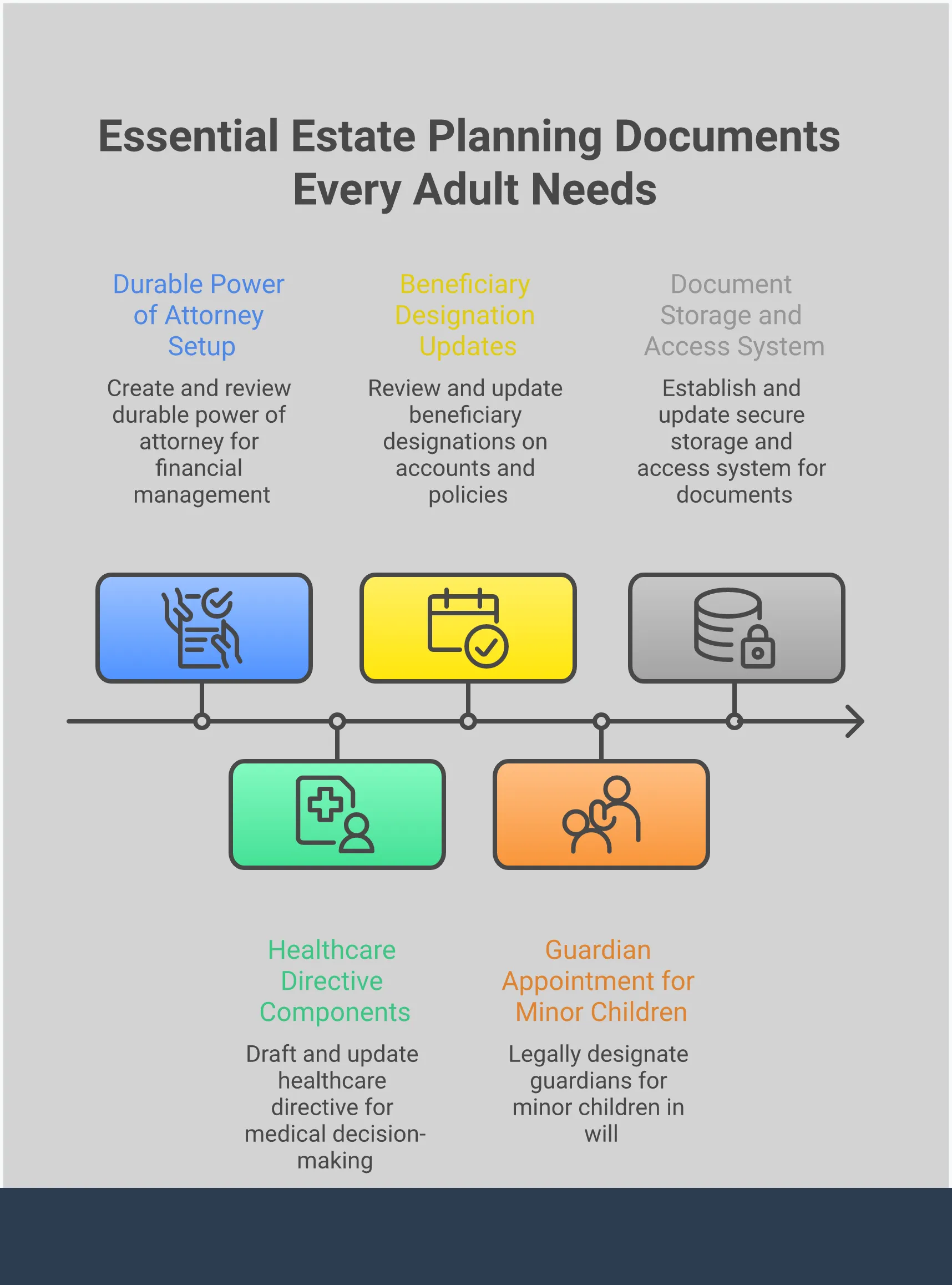
A good estate plan doesn’t just cover what happens after you die—it also protects you if you become unable to make decisions for yourself. A Durable Power of Attorney lets you appoint someone you trust to manage your financial affairs if you become incapacitated. Similarly, a healthcare directive outlines your wishes for medical treatment and appoints someone to make healthcare decisions on your behalf. Without these documents, your family may have to go to court to get the authority to help you, a process that can be both costly and emotionally draining. An attorney will help you prepare these critical documents to ensure you’re protected.
Simplify Probate for Your Loved Ones
After a person passes away, their estate typically goes through a court-supervised process called probate. This process can be complicated and lengthy, involving validating the will, paying off debts, and distributing the remaining assets to the heirs. An estate planning attorney can be an invaluable resource for your family during this difficult time. They can guide the executor of your will through each step, handling court filings and ensuring all legal requirements are met. This support lifts a significant administrative burden from your loved ones, allowing them to focus on grieving while knowing your affairs are being handled correctly and efficiently.
Address Specialized Planning Needs
Life is rarely simple, and your estate plan should reflect your unique circumstances. Beyond a standard will or trust, you might have specific concerns that require a more tailored approach. This could involve planning for long-term care, ensuring a smooth transition for a family business, or providing for a loved one with special needs. These situations call for specialized legal strategies to ensure every detail is handled correctly. A knowledgeable attorney can help you address these complexities, creating a plan that covers all your bases and provides comprehensive protection for what matters most to you and your family.
Elder Law and Medicaid Planning
As we or our parents get older, the potential cost of long-term care becomes a major concern. Elder law addresses a range of legal issues affecting seniors, and Medicaid planning is a crucial piece of that puzzle. An experienced attorney can help you understand the complex rules for Medicaid eligibility. They can help you qualify for necessary benefits by structuring your assets legally, ensuring your life savings aren’t depleted by nursing home expenses. This proactive planning provides peace of mind, securing the care you need without sacrificing the financial security you’ve worked so hard to build for your family.
Business Succession Planning
If you own a business, your estate plan needs a clear strategy for what happens when you’re no longer at the helm. Business succession planning is essential for a seamless transition of ownership and management, whether you intend to pass it to family, sell it, or explore other options. A skilled attorney can work with you to create a detailed plan that honors your wishes and protects the company’s future. This ensures the business you built can continue to thrive and that your legacy is preserved for years to come, avoiding potential conflicts or a forced liquidation.
Planning for Veterans Benefits
Veterans and their families may be eligible for valuable benefits that can help cover healthcare and long-term care costs, but accessing them can be a difficult process. An attorney with experience in this area can help you determine your eligibility and guide you through the application. They can ensure you understand all the support you are entitled to receive for your service. Getting this professional guidance can make a significant difference in your ability to plan for future medical needs and receive the benefits you have rightfully earned.
Creating Special Needs Trusts
For families with a loved one who has a disability, a special needs trust is an essential planning tool. These trusts allow you to provide financial support without risking your loved one’s eligibility for crucial government benefits like Medicaid or Supplemental Security Income (SSI). A skilled attorney can help you set up a trust that meets all legal requirements, ensuring your loved one’s needs are met throughout their life. This provides incredible peace of mind, knowing they will be cared for according to your wishes while their essential benefits remain protected.
How to Find the Right Springfield Estate Planning Attorney
Choosing an attorney to handle your estate plan is a deeply personal decision. This is the person you’ll trust with your family’s future, your financial legacy, and your most sensitive information. It’s not just about finding someone with a law degree; it’s about finding a partner who understands your goals and can translate them into a solid legal strategy. The right attorney will listen to your concerns, explain complex topics in a way that makes sense, and give you peace of mind.
To find the best fit for you and your family, you’ll want to focus on a few key areas. Think about their specific experience in estate law, how well you communicate with them, and how they structure their fees. Taking the time to vet your options carefully will ensure you build a relationship with a professional you can rely on for years to come. This isn’t a one-time transaction but the start of an important professional relationship that will help protect you and your loved ones through all of life’s changes.
Find an Attorney Who Focuses on Estate Law
When you’re creating a plan to protect your assets and family, you want an attorney who lives and breathes estate law. While many lawyers have a general practice, estate planning has specific complexities that require dedicated focus. An attorney who specializes in this area will be up-to-date on Missouri’s inheritance laws and tax regulations. Their experience helps them anticipate potential issues and craft documents, like a will or trust with a no-contest clause, that are less likely to face legal challenges down the road. Choosing an inexperienced lawyer can lead to costly mistakes, so it’s worth finding someone whose primary practice area is estate planning.
Look for Clear Communication and No-Surprise Fees
You should feel completely comfortable talking openly with your estate planning attorney. This person will be asking you about your finances, family dynamics, and personal wishes, so a strong rapport is essential. A compatible lawyer fosters a better partnership, leading to a more effective and personalized plan. Don’t forget to discuss costs during your first meeting. Many attorneys offer flat fees for standard documents, which makes budgeting much easier. Getting clarity on all potential fees upfront ensures there are no surprises, allowing you to focus on what truly matters: creating a secure future for your family. Feel free to contact us to start the conversation.
Questions to Ask in Your First Meeting
Your initial consultation is the perfect opportunity to interview a potential attorney and see if they’re the right fit. Come prepared with a few questions to guide the conversation. Start by asking, “What is your specific experience with estate planning?” This helps you understand their background and the depth of their expertise. Another great question is, “Based on my situation, what documents do you think I need in my estate plan?” Their answer will give you insight into their approach and whether they are truly listening to your unique needs. Getting to know your potential attorney and their qualifications is a critical first step.
How Much Does Estate Planning Cost in Springfield?
One of the first questions on everyone’s mind when they think about estate planning is, “What’s this going to cost me?” It’s a fair question, and the honest answer is: it depends. The cost of creating an estate plan isn’t a one-size-fits-all number. It varies widely based on your unique family situation, your assets, and your long-term goals. Think of it like building a house—a simple, one-story home will have a very different price tag than a custom-built mansion with unique features.
The good news is that you have options. The price is directly tied to the complexity of the plan you need. A straightforward will is much different from a comprehensive plan involving multiple trusts and business succession strategies. The key is to understand what you’re paying for: peace of mind and a clear, legally sound plan that protects you and your loved ones. An experienced attorney can walk you through the options and provide a transparent breakdown of the fees, so you know exactly what to expect before making any commitments.
Breaking Down the Costs of Wills and Trusts
To give you a general idea, a simple estate plan in Missouri usually costs between $500 and $1,500. This type of plan might include a basic will and powers of attorney. For a more complete or advanced plan that includes documents like a revocable living trust, you can expect the cost to be somewhere between $2,000 and $5,000. These more comprehensive plans offer greater control over your assets and can help your family avoid the probate process. For very complex estates with significant assets, business interests, or intricate family dynamics, a plan could range from $6,000 to $10,000 or more.
Typical Cost for a Standalone Will
If you’re only looking for a Last Will and Testament, the cost is generally more modest than a full trust-based plan. In Missouri, you can typically expect attorney fees for drafting a will to fall somewhere between $500 and $2,000. The final price depends on the complexity of your wishes and your family structure. A simple will for a single individual with straightforward asset distribution will be on the lower end of that spectrum. However, if your will needs to include provisions for appointing guardians for minor children, setting up testamentary trusts, or navigating unique family dynamics, the cost will likely be higher to reflect the additional time and legal expertise required to get it right.
What Factors Affect the Final Cost?
Several key elements can influence the final cost of your estate plan. The complexity of your estate is the biggest driver; if you have numerous properties, investments, or specific goals like minimizing taxes, your plan will require more detailed work. The type of plan you choose also matters—a trust-based plan is generally more involved than a will-based one. Other factors that influence legal fees include the attorney’s experience and the fee structure they use, whether it’s a flat fee or an hourly rate. Special circumstances, like planning for a blended family or a dependent with special needs, also require more specialized attention.
Factoring in Additional Fees like Notary Services
When you budget for your estate plan, it’s helpful to remember that the attorney’s fee might not be the only expense. There are often small, additional costs that are part of making your documents official. A common example is the notary fee. Many of your most important documents, such as your will and powers of attorney, must be notarized to be legally binding. While these fees are usually quite small—often between $5 and $20—they are a necessary part of the process. A good attorney will be upfront about these and any other potential expenses, like court filing fees, ensuring you have a clear and complete understanding of the total cost from the very beginning.
Simple vs. Complex Estates: What’s the Cost Difference?
So, what separates a simple estate from a complex one? A simple estate might belong to a single individual with one home, a retirement account, and clear beneficiaries. In this case, a basic will and powers of attorney might be sufficient, keeping costs on the lower end of the spectrum. In contrast, a complex estate could involve business ownership, properties in multiple states, or the need to establish special trusts for asset protection or charitable giving. These situations demand more sophisticated legal strategies, which naturally increases the cost. The best way to get an accurate quote is to schedule a consultation to discuss your specific needs and get a clear, personalized estimate.
Comparing Professional Legal Services vs. DIY Options
When you see ads for quick and cheap online legal services, it’s easy to feel tempted to handle your estate plan yourself. While these platforms promise a simple solution, the DIY approach often comes with hidden risks. A generic template can’t account for your unique family dynamics or offer the personalized advice you need. What feels like saving money today can lead to costly mistakes and major headaches for your family down the road. Partnering with an experienced attorney isn’t just about filling out paperwork—it’s about getting expert guidance. A professional will help you build a comprehensive plan that protects you throughout your life and ensures every document is legally sound under Missouri law. That kind of oversight provides a level of security a generic online form just can’t offer.
Don’t Fall for These Estate Planning Myths
When it comes to estate planning, there’s a lot of misinformation out there that can stop people from taking important steps to protect their families. These myths often make the process seem more complicated or less necessary than it truly is. The truth is, a well-crafted estate plan is one of the most thoughtful things you can do for your loved ones, providing clarity and security during a difficult time. It’s not about how much money you have; it’s about making sure your wishes are respected and the people you care about are taken care of.
Let’s clear up some of the biggest misconceptions. Thinking you’re too young, not wealthy enough, or that a simple will covers everything are common reasons people put off planning. But these assumptions can lead to unintended consequences, like family disputes, unnecessary legal fees, or your assets not going where you intended. By understanding the reality of estate planning, you can feel empowered to make informed decisions for your future and your family’s well-being. We’ll walk through these myths one by one to give you the confidence to get started.
Myth: “I’m not wealthy enough for an estate plan.”
This is one of the most persistent myths, but it couldn’t be further from the truth. Estate planning is for anyone who has assets they want to protect and loved ones they want to provide for. Many people assume that if they don’t have a mansion or a massive investment portfolio, they don’t need a plan. However, your estate includes everything you own—your home, car, bank accounts, and even personal belongings. An estate plan ensures these assets are distributed according to your wishes, preventing potential conflicts and confusion for your family down the road. It’s about protecting what you have, for the people you love.
Myth: “A simple will is all I need.”
While a will is a cornerstone of any good estate plan, it’s often not enough on its own. A common misconception is that having a will allows your family to bypass the probate process. In reality, a will is essentially a set of instructions for the probate court. Probate can be a time-consuming and public process that may drain your estate’s resources. To ensure a smoother transfer of assets and maintain your family’s privacy, you might need additional tools like trusts. An experienced attorney can help you understand all your legal options and create a comprehensive plan that truly protects your assets.
Myth: “I’m too young to worry about estate planning.”
It’s easy to think of estate planning as something for your retirement years, but life is unpredictable. Unexpected events can happen at any age, and without a plan, you leave important decisions in the hands of the courts. If you have minor children, an estate plan is the only way to legally name a guardian for them. It also allows you to create directives for your medical care and finances if you become unable to make those decisions yourself. Putting a plan in place now is a responsible and caring step that provides peace of mind for you and your family. If you’re ready to start the conversation, you can contact our office to learn more.
Myth: “Elder law is only for the elderly.”
The term “elder law” can be misleading, making many younger adults believe it doesn’t apply to them. In reality, this area of law is about planning for life’s uncertainties, regardless of your age. It focuses on preparing for potential long-term care needs, disability, and other issues that can arise unexpectedly. Thinking about these possibilities now allows you to make critical decisions for yourself, rather than leaving them to someone else down the road. It’s not about planning for old age; it’s about creating a comprehensive plan to protect their future and ensure your wishes are respected at every stage of life.
Common (and Costly) Estate Planning Mistakes to Avoid
Creating an estate plan is a huge step toward securing your family’s future. But it’s not just about having a plan; it’s about having the right plan. A few common missteps can unfortunately undermine even the best intentions, leading to confusion, conflict, and legal headaches for your loved ones down the road. The good news is that these mistakes are entirely avoidable with a bit of foresight and the right guidance. By understanding what to watch out for, you can create a solid plan that truly protects your assets and honors your wishes. Let’s walk through some of the most critical errors people make and how you can steer clear of them.
Mistake: Not Hiring a Specialist
This is probably the most significant mistake you can make. While a general practice lawyer might be great for other matters, estate law is a highly specialized field with its own complex rules and tax implications. Think of it this way: you wouldn’t see a general doctor for heart surgery. A qualified estate planning attorney brings deep expertise to the table, helping you handle legal complexities and crafting a plan tailored to your unique needs. They stay current on ever-changing laws to ensure your documents are effective and legally sound, preventing costly errors that a non-specialist might overlook. Working with an expert ensures your plan will function exactly as you intend when it’s needed most.
Mistake: Forgetting to Update Your Plan
Your estate plan shouldn’t be a “set it and forget it” document. Life is dynamic, and your plan needs to reflect that. Major life events—like getting married or divorced, having a baby, a beneficiary passing away, or a significant change in your financial situation—are all crucial moments to review your documents. An outdated plan can cause serious problems. For example, an ex-spouse could unintentionally inherit assets, or a new child might be left out. It’s a good practice to review your plan with your attorney every three to four years, even if you don’t think anything major has changed. This ensures your plan always aligns with your current life circumstances and wishes.
Mistake: Overlooking Beneficiaries and Incapacity Plans
A will is a cornerstone of an estate plan, but it doesn’t control everything. One of the most common mistakes is failing to update beneficiary designations on accounts like 401(k)s, IRAs, and life insurance policies. These designations supersede your will, so if they’re outdated, your assets could go to the wrong person. It’s also vital to plan for incapacity—the possibility that you might be unable to make your own financial or medical decisions. This involves creating documents like a durable power of attorney and a healthcare directive. And if you have minor children, assigning a guardian is absolutely essential to ensure they are cared for by someone you trust. A comprehensive plan covers you while you’re alive, not just after you’re gone.
Mistake: Adding Relatives to Property Deeds Without Legal Counsel
It might seem like a simple shortcut to add your child’s name to the deed of your house, but this move can create a tangled mess down the road. Don’t add other relatives’ names to your property as joint owners without talking to an attorney, as it can cause problems later. This action can unintentionally expose your home to their financial problems, like debts or divorce settlements. It could also create unintended tax consequences for both of you. Instead of simplifying things, you might be setting the stage for future family disputes over ownership and control. A brief consultation with a legal professional can help you explore safer, more effective ways to transfer property, like using a trust, ensuring your home is protected and your wishes are clearly honored.
Mistake: Naming Beneficiaries Without Professional Advice
Always talk to an attorney before naming beneficiaries for your accounts to make sure it fits your overall plan and avoids tax issues. Many people don’t realize that the beneficiary designations on their retirement accounts, life insurance policies, and bank accounts override whatever is written in their will. If you haven’t updated these in a while, your assets could end up going to an ex-spouse or someone you no longer intend to provide for. Failing to seek professional advice can result in a major misalignment with your estate plan, leading to unintended tax consequences or bitter disputes among your heirs. An experienced attorney can review your designations to ensure they work in harmony with your will and trust, creating a seamless plan that truly reflects your final wishes.
Why Choose a Local Springfield Attorney for Your Estate Plan?
When you start thinking about an estate plan, you’ll find countless online services offering quick, fill-in-the-blank templates. While these might seem convenient, they miss a critical element: the human touch and local expertise. Estate planning is deeply personal, and the laws governing it are specific to Missouri. Working with a local Springfield attorney means you’re not just getting a legal document; you’re gaining a trusted advisor who understands both the law and the community you call home. This local connection can make all the difference in creating a plan that truly protects your family’s future and gives you peace of mind.
They Understand Missouri’s Specific Estate Laws
Estate laws aren’t one-size-fits-all; they change from state to state. An attorney based right here in Springfield has a deep and practical understanding of Missouri’s specific statutes, from probate court procedures in Greene County to unique state inheritance rules. This isn’t just textbook knowledge—it’s hands-on experience from helping your neighbors navigate these exact same issues. A local expert can provide tailored advice that a generic online service simply can’t match. Choosing someone you can speak with honestly about your goals is crucial, and a local attorney ensures your will, trusts, and directives are built on a solid foundation of current Missouri law, giving you confidence that your plan will hold up when it matters most.
Easy Access for Future Questions and Updates
Creating an estate plan is a major step, but it’s not a one-and-done task. Your life is always changing—you might get married, welcome a new child, start a business, or experience other significant shifts. Each of these events can impact your estate plan. One of the biggest benefits of working with a local attorney is having an accessible partner for the long haul. You can schedule a face-to-face meeting to review your documents and make necessary updates. This ongoing relationship ensures your plan evolves with you, preventing it from becoming outdated. Instead of trying to handle complex updates alone, you have a professional you can easily contact for continued guidance and support.
A Local Attorney Invested in Your Future
A local attorney is more than just a legal professional; they’re a member of your community. They understand the local landscape and the specific challenges that families in the Springfield area face. This shared context means they’re personally invested in their clients’ well-being. They’re not an anonymous voice on a helpline; they’re a neighbor dedicated to helping you secure your family’s future. By choosing a local attorney like Chad G. Mann, you’re partnering with someone who is committed to the community and has a genuine interest in seeing you and your loved ones thrive for generations to come. This personal investment translates into more thoughtful, empathetic, and effective legal guidance.
Related Articles
- Missouri Estate Planning Guide – Understand Its Importance
- Estate Planning in Missouri: A Simple 7-Step Guide – The Law Office of Chad G. Mann, LLC
- Estate Planning in Missouri: Comparing Wills & Trusts
- How to Find a Trust Lawyer in Springfield, MO | A Guide
Frequently Asked Questions
I don’t have a lot of assets. Do I really need an estate plan? Absolutely. Estate planning is less about the size of your bank account and more about making sure your wishes are respected and your loved ones are cared for. A plan allows you to name a guardian for your children, specify your healthcare preferences, and decide who receives your sentimental belongings. It provides clarity for your family during a difficult time, which is a valuable gift regardless of your net worth.
What happens if I die without a will in Missouri? If you pass away without a will, Missouri’s state laws will determine how your property is divided. This legal process doesn’t consider your personal relationships or intentions. Your assets will be distributed according to a predetermined formula, which may not be what you would have wanted. This can create unnecessary stress and potential conflict for your family, who will have little control over the outcome.
How often should I review my estate plan? A good rule of thumb is to review your plan with an attorney every three to four years. However, you should update it immediately after any major life event. This includes getting married or divorced, having a child, the death of a beneficiary, or a significant change in your financial situation. Keeping your plan current ensures it always reflects your life and your wishes.
What’s the main difference between a will and a trust? Think of it this way: a will is a set of instructions for the court that takes effect after you die. It goes through a public court process called probate to be validated and executed. A trust, on the other hand, is a private legal tool that can manage your assets both while you’re alive and after you’re gone. Assets held in a trust typically avoid the probate process, saving your family time, money, and privacy.
Can I just use an online template for my will? While online templates seem convenient, they carry significant risks. These generic documents can’t provide the personalized advice needed for your unique family and financial situation. They often fail to account for the specifics of Missouri law, which can lead to invalid documents or legal challenges down the road. Working with an attorney ensures your plan is legally sound and truly protects your family as you intend.
Building a Flexible Plan That Grows With You
An estate plan is not a static, one-time task you can check off your list and forget about. Think of it as a living document that should evolve right alongside you. Life is full of changes, and your plan needs to keep up. It’s a good idea to review your documents every few years, but it’s absolutely essential to update them after any major life event. This could be a marriage, the birth of a child, a divorce, or a significant change in your financial standing. Keeping your plan current ensures it always reflects your wishes and protects the right people, preventing outdated information from causing confusion or conflict for your family when they need clarity the most.
Is It Too Late to Start Planning?
The short answer is no. It’s a common feeling to think you’ve missed the boat on estate planning, but the truth is, the best time to start is always right now. There’s no magic age or net worth you need to reach before it becomes important. The reality is that you can always make changes to your plan later on. Getting a foundational plan in place today provides immediate protection for you and your loved ones. It’s far better to have a basic plan that you can refine over time than to have no plan at all, which leaves your family and your assets vulnerable to a lengthy and often impersonal court process.
Even if you’re facing a sudden health crisis or feel you’ve waited too long, there are still meaningful steps you can take. Planning in response to an unexpected event is often called “crisis planning,” and it’s designed to protect assets and establish legal authority even under pressure. An experienced attorney can help you put essential documents in place quickly, such as powers of attorney and healthcare directives, to ensure your wishes are honored. No matter your circumstances, taking action now is a powerful move. If you’re ready to take that first step, you can contact our office to discuss your situation.
Crisis Planning for Unexpected Life Events
Life doesn’t always follow a predictable path. A sudden illness, an accident, or an unexpected diagnosis can force you to confront difficult decisions without much time to prepare. This is where crisis planning comes in. It’s a focused approach to estate planning designed to address urgent needs and protect you and your family in the midst of an emergency. For example, if a loved one needs to move into a nursing home unexpectedly, you might think it’s too late to protect their assets. However, there are still legal strategies available that can help with Medicaid qualification and preserve a portion of their estate, ensuring they get the care they need without losing everything they’ve worked for.
How an Attorney Can Help, Even After a Loved One Is in a Nursing Home
When a family member is already in long-term care, an attorney can be an essential ally. They can help you explore legal options to protect assets from being entirely depleted by the high cost of care. This often involves handling the complex rules of Medicaid eligibility, which can be incredibly difficult to do on your own. A knowledgeable attorney can guide you through strategies that are legally sound and designed to preserve family resources while ensuring your loved one qualifies for the benefits they need. This expert guidance provides immense relief during an emotionally and financially stressful time, allowing you to focus on your family’s well-being. You can learn more about our approach to these situations on our estate planning page.