


A dog attack leaves you with more than just physical wounds. There’s the emotional trauma, the mounting medical bills, and the frustrating conversations with an uncooperative owner or insurance adjuster. It’s easy to feel powerless. But here’s the truth: you have options. Taking the first step to understand your legal rights is how you start taking back control. This guide will show you what makes a strong dog bite case and how to find a dedicated advocate to fight for you. We’ll cover everything from gathering crucial evidence to choosing the right legal partner.
Key Takeaways
- Prioritize specialized experience: Look for an attorney with a proven history in dog bite cases, as they will be familiar with Missouri’s strict liability laws and common defense tactics used by insurance companies.
- Gather evidence immediately: Your first steps are crucial, so document your injuries with photos, get prompt medical care, and collect witness information. This evidence provides the foundation for your claim, and remember that most personal injury lawyers work on a contingency basis, so you don’t pay unless you win.
- Don’t delay seeking legal advice: Acting quickly is essential for preserving evidence and witness memories. Missouri has a strict deadline for filing claims, and waiting too long can weaken your case or even prevent you from recovering compensation altogether.
How to Find the Best Dog Bite Lawyer for You
After a dog bite, finding the right legal support can feel like another mountain to climb. But choosing the right lawyer is one of the most important steps you can take to protect your rights and secure the compensation you deserve. Not every personal injury attorney has the specific skills needed for these unique cases. Dog bite claims involve complex state laws and often require a delicate touch when dealing with insurance companies and dog owners, who may even be neighbors or friends.
To find the best fit, you’ll want to look for someone with a proven history in this specific area of law. You need an advocate who understands the nuances of Missouri’s statutes and who makes you feel supported and heard throughout the process. Focusing on a few key qualifications can help you confidently select a lawyer who is equipped to handle your case and fight for your best interests.
Do They Have the Right Experience?
When you start your search, look for an attorney who has specific experience handling dog attack cases, not just general personal injury claims. Dog bite law has its own set of rules and common defense tactics that a generalist might not be familiar with. An experienced lawyer will understand how to investigate the incident, determine liability under Missouri law, and accurately calculate the full extent of your damages, including future medical needs and emotional distress.
During your consultation, ask potential attorneys how many dog bite cases they’ve managed. Their familiarity with these claims is a direct advantage for you. This specialized knowledge is a key part of building a strong case, and it’s something you should prioritize when making your decision. A lawyer who regularly handles personal injury cases involving premises liability will have the background needed to get started.
What’s Their Track Record of Success?
Experience is one thing, but a history of success is another. An attorney with a track record of securing favorable settlements or jury awards for dog bite victims is invaluable. Don’t be shy about asking for examples of past cases they’ve handled and the outcomes they achieved. While every case is different and past results don’t guarantee a future outcome, this conversation will give you a sense of their competence and what they consider a successful resolution.
A confident and transparent lawyer will be open to discussing their history. This shows they stand by their work and are proud of the results they’ve delivered for past clients. You are hiring someone to represent your best interests, so it’s perfectly reasonable to want proof that they know how to win.
Are They an Expert in Missouri Dog Bite Law?
Dog bite laws vary significantly from state to state, so your lawyer must have a deep understanding of Missouri’s specific statutes. Missouri operates under a “strict liability” law for dog bites, which means a dog owner is typically liable for injuries their dog causes, even if the dog has never shown aggression before. An attorney who is well-versed in this law can use it to your advantage and counter any attempts by the owner’s insurance company to shift blame.
Ask the lawyer how they stay current on changes in state and local laws that could affect your case. You can also check for memberships in legal associations or look at articles they’ve written, as these can showcase their dedication and expertise. A lawyer who actively shares their legal insights is often one who is passionate and knowledgeable about their field.
Will They Keep You in the Loop?
Finally, choose an attorney who communicates openly and effectively. You’ve been through a traumatic event, and the last thing you need is a lawyer who is hard to reach or who speaks in confusing legal jargon. You should feel comfortable asking questions and confident that you’ll receive clear, straightforward answers. The right lawyer will listen to your story with empathy and keep you informed at every stage of the legal process.
Pay attention to your gut feeling during the initial consultation. Do you feel heard and respected? A strong attorney-client relationship is built on trust and communication. You’ll be working closely with this person, so find someone whose approach aligns with your needs. A lawyer with a client-centered philosophy will make you feel like a partner in your own case.
The Reality of Dog Bites: A Look at the Numbers
It’s easy to underestimate the frequency and severity of dog bites until you or someone you love becomes a victim. These incidents are far more common than most people realize, and their consequences can be life-altering, both physically and financially. Understanding the statistics behind dog attacks helps put your experience into perspective and highlights why taking legal action is a necessary step for so many. The numbers paint a clear picture: you are not alone in this, and the financial stakes are high, making experienced legal guidance essential.
How Often Do Dog Bites Happen?
Dog bites are a serious public health concern across the country. While we often think of dogs as friendly companions, the reality is that any dog can bite under the right circumstances. Each year, over 4.7 million people are bitten by dogs, and of those, a staggering 800,000 require medical attention for their injuries. These aren’t just minor incidents; they often result in significant physical and emotional trauma that requires professional care. The sheer volume of these attacks shows just how widespread the issue is and underscores the importance of holding negligent owners accountable to ensure community safety.
The Financial Impact of Dog Bite Claims
The financial side of a dog bite claim can be just as overwhelming as the physical injury. These claims cost insurance companies hundreds of millions of dollars annually, which reflects the serious nature of the damages involved. For victims, the average payout for a dog bite case is nearly $100,000, with most claims settling for between $10,000 and $100,000. This compensation is designed to cover everything from medical bills and lost wages to pain and suffering. In Missouri, strict liability laws mean owners are responsible for these damages, which is why having an attorney who understands how to secure fair compensation for your personal injury is so critical.
How Much Does a Dog Bite Lawyer Cost?
After a traumatic dog bite, the last thing you should have to worry about is how you’ll afford legal help. It’s a common concern, and many people hesitate to contact a lawyer because they assume the costs will be overwhelming. The good news is that personal injury law, including dog bite cases, works differently. Most attorneys in this field use a payment structure designed to protect you from financial risk, allowing you to focus on your recovery while they handle your case. This approach ensures that everyone has access to justice, regardless of their financial situation. Let’s break down exactly how legal fees work so you can move forward with confidence.
What Are Contingency Fees?
Most personal injury lawyers work on what’s called a contingency fee basis. This is a straightforward arrangement: your lawyer only gets paid if you win your case, either through a settlement or a court verdict. Instead of charging an hourly rate or asking for a large upfront payment, their fee is a pre-agreed-upon percentage of the total amount you recover. This percentage typically ranges from 30% to 40%. This structure means your attorney is fully invested in getting you the best possible outcome. If you don’t receive any compensation, you don’t owe them any attorney fees. It’s a system that aligns your interests with your lawyer’s from day one.
Are There Other Costs to Expect?
While you won’t pay attorney fees unless you win, there are other expenses involved in building a strong case. These are often called “case costs” or “litigation expenses” and can include things like court filing fees, the cost of obtaining your medical records, fees for expert witnesses (like doctors who can testify about your injuries), and deposition transcripts. A reputable law firm will typically cover these costs for you as they come up. Then, if you win your case, these expenses are reimbursed from your settlement. Your fee agreement should clearly outline how these common court costs are handled, so be sure to review it carefully and ask questions.
Common Myths About Lawyer Fees, Debunked
One of the biggest myths stopping people from seeking legal help is the belief that hiring a lawyer is simply too expensive. This idea often comes from a misunderstanding of how legal fees work in personal injury cases. You do not need to have money saved up to hire a skilled dog bite attorney. The contingency fee model was created specifically to remove that financial barrier. You don’t pay a retainer, and you aren’t billed by the hour. The entire system is designed so your lawyer takes on the financial risk of the case. Don’t let worries about cost prevent you from exploring your options. A free consultation with our team can clarify everything and help you understand your rights.
What Does the Legal Process Look Like?
The legal system can feel complicated, but when you break it down, it’s a series of clear, manageable steps. Knowing what’s ahead can help you feel more in control as you move forward with your dog bite claim. From your first conversation with an attorney to the final resolution, each stage has a specific purpose designed to build your case and secure the compensation you deserve. Here’s a look at the typical journey.
Your First Meeting: What to Expect
Your first step is the initial consultation, which is really just a conversation. This meeting is your chance to share your story in a confidential setting and ask any questions you have. You’ll discuss the details of the attack, the extent of your injuries, and the impact it’s had on your life. We’ll listen carefully and give you an honest assessment of your case. Consulting with a dog attack injury attorney can clarify the complexities of your situation and help you understand your options for pursuing compensation. Think of it as a no-pressure way to get information and decide on your next steps.
Building a Strong Case with Evidence
After the initial meeting, if you decide to move forward, we get to work building a strong case for you. A solid dog bite claim depends on thorough documentation, but it’s easy to underestimate how important it is to gather the right evidence. We handle this for you, collecting everything from medical records and police reports to photos of your injuries and statements from witnesses. In more complex cases, we may work with medical experts, animal behaviorists, or other specialists to strengthen your claim and demonstrate the full impact of the incident. Our goal is to build an undeniable case on your behalf.
Taking the First Legal Step: Filing Your Claim
Once we have a strong foundation of evidence, the next step is to formally file a claim. This usually begins with a demand letter to the dog owner’s insurance company, outlining the facts of the case and the compensation we’re seeking. The legal grounds for a dog bite claim often involve proving negligence or holding an owner to a standard of strict liability. We handle all the legal paperwork and communications, making sure every document is filed correctly and on time. This step officially puts the responsible party on notice and starts the process of seeking justice for you.
Will Your Case Settle or Go to Trial?
Most personal injury cases are resolved through a negotiated settlement, without ever going to court. We will negotiate directly with the insurance company on your behalf, fighting for a fair offer that covers your medical bills, lost wages, and pain and suffering. It’s worth noting that victims who have a dog attack injury attorney often receive significantly higher settlements. If the insurance company refuses to offer a fair amount, we are fully prepared to take your case to trial. Whether we’re at the negotiating table or in the courtroom, you can trust that we will advocate for your best interests every step of the way.
Why Most Dog Bite Cases Settle Out of Court
The idea of a courtroom trial can be intimidating, but the reality is that most dog bite cases are resolved through a negotiated settlement. This is often the preferred path for everyone involved because it avoids the time, expense, and uncertainty of a trial. For you, a settlement means a faster resolution, which is crucial when you’re dealing with medical bills and trying to move forward. From a legal standpoint, the grounds for a dog bite claim often involve proving negligence or holding an owner to a standard of strict liability. Insurance companies recognize this and are usually more willing to negotiate a fair offer rather than risk a more costly outcome in court. An experienced attorney can handle these negotiations for you, fighting for a settlement that covers not just your medical expenses but also lost wages and pain and suffering, often securing a significantly higher amount than you could on your own.
What Compensation Can You Recover?
After a dog bite, the physical and emotional toll can be overwhelming. It’s natural to wonder what financial recovery is possible to help you get back on your feet. In a personal injury case, this is called “compensation” or “damages,” and it’s designed to cover the full range of losses you’ve experienced because of the attack.
The goal is to make you whole again, at least from a financial standpoint. This includes not only the bills you can see, like hospital receipts, but also the less tangible impacts on your life. Understanding the different types of compensation you can pursue is the first step toward securing the resources you need to heal. These are some of the key areas we will look at when building your personal injury claim.
Understanding Average Settlement Amounts
It’s completely normal to wonder what your case might be worth. While every situation is different, looking at averages can give you a general idea of what to expect. The average payout for a dog bite case is around $97,500, with many settlements landing somewhere between $10,000 and $100,000. Of course, this is just a starting point. The final amount depends heavily on the specific details of your case, such as the severity of your injuries, the total cost of your medical treatment, and how the attack has affected your ability to work and enjoy your life. An experienced attorney can help you calculate the full extent of your damages to ensure you’re seeking a fair amount.
Settlement Ranges Based on Injury Severity
The single biggest factor influencing a settlement is the severity of your injuries. Insurance companies and courts look at the real-world impact of the attack to determine a fair value. For instance, minor injuries like scratches or small bites that don’t require extensive treatment might result in settlements from $10,000 to $30,000. More moderate injuries, such as deep cuts, infections, or nerve damage, can lead to settlements between $50,000 and $100,000. In cases involving severe injuries like permanent disfigurement or amputation, settlement amounts can reach $250,000 or more. These figures aren’t arbitrary; they reflect the true cost of your recovery, from medical bills to the emotional pain you’ve endured.
Covering Your Medical Bills (Now and Later)
The most immediate financial burden after a dog attack is often the medical expenses. Compensation covers everything from the initial emergency room visit and ambulance ride to any necessary surgeries, stitches, or infection treatments. But it doesn’t stop there. Many dog bite injuries require long-term care, such as physical therapy to regain mobility, reconstructive surgery for scarring, or counseling to address trauma. We will work to calculate not just your current bills but also the projected cost of any future medical care your doctors anticipate you will need for a full recovery.
What About Lost Wages and Future Earnings?
A serious injury can easily put you out of work for days, weeks, or even longer. You have the right to be compensated for the wages you lost while you were unable to work. Be sure to keep records of your missed time and regular pay rate. In more severe cases, an injury might permanently affect your ability to do your job or earn the same income as before. This is known as “loss of earning capacity.” If the attack has impacted your long-term career path, we can fight to recover compensation for that future financial loss, ensuring your financial stability isn’t compromised.
Can You Be Compensated for Pain and Suffering?
Not all injuries are visible on a medical bill. The law recognizes that you deserve compensation for the physical pain and emotional distress caused by the attack. This category, often called “pain and suffering,” acknowledges the human cost of your injuries. It can account for the physical agony of the bite itself, the discomfort during recovery, and the emotional hardship of the experience. It also includes compensation for permanent scarring or disfigurement, which can have a lasting impact on your confidence and quality of life. As your advocate, Chad G. Mann is committed to making sure this aspect of your suffering is not overlooked.
How “Pain and Suffering” Is Calculated
Putting a dollar amount on physical pain and emotional trauma can feel impossible, but it’s a necessary part of the legal process. There isn’t a simple calculator for this, but lawyers and insurance companies often use a common approach called the “multiplier method” to arrive at a reasonable figure. This method starts with the total cost of your medical bills and multiplies that number by a factor, usually between 1.5 and 5. The multiplier isn’t random; it’s determined by the severity and long-term impact of your injuries. A minor bite with no lasting effects might get a lower multiplier, while a severe attack causing permanent scarring, nerve damage, or significant emotional distress like PTSD would justify a much higher one. This ensures the final figure reflects the true human cost of the incident.
Getting Compensation for Emotional Distress
The psychological aftermath of a dog attack can be just as devastating as the physical wounds. It’s common for victims to develop a deep-seated fear of dogs (cynophobia), post-traumatic stress disorder (PTSD), anxiety, or depression. You might experience panic attacks, nightmares, or a general loss of enjoyment in life. These are real and serious injuries, and you can be compensated for the emotional trauma you’ve endured. Seeking therapy or counseling is a brave step toward healing, and the costs associated with your mental health recovery can be included in your claim. If you are struggling, please reach out for a consultation to discuss your options.
How to Gather Evidence for Your Dog Bite Claim
After a dog bite, what you do next can make a huge difference in your ability to get fair compensation. Building a strong personal injury claim starts with gathering the right evidence right away. While your lawyer will handle the legal heavy lifting, the information you collect in the hours and days following the incident provides the foundation for your case. Think of yourself as the first responder for your own claim; these simple but crucial steps can protect both your health and your legal rights.
What to Do Immediately After an Attack
Your top priority is your health. See a doctor as soon as possible, even if the bite seems minor. Puncture wounds can easily get infected, and there’s always a risk of rabies. Seeking immediate medical attention not only protects you but also creates an official record of your injuries, which is vital for your claim. Insurance companies may argue that a delay in treatment means your injuries weren’t serious. Don’t give them that opportunity. Go to an urgent care clinic, the emergency room, or your primary care physician right away.
Report the Incident to Animal Control
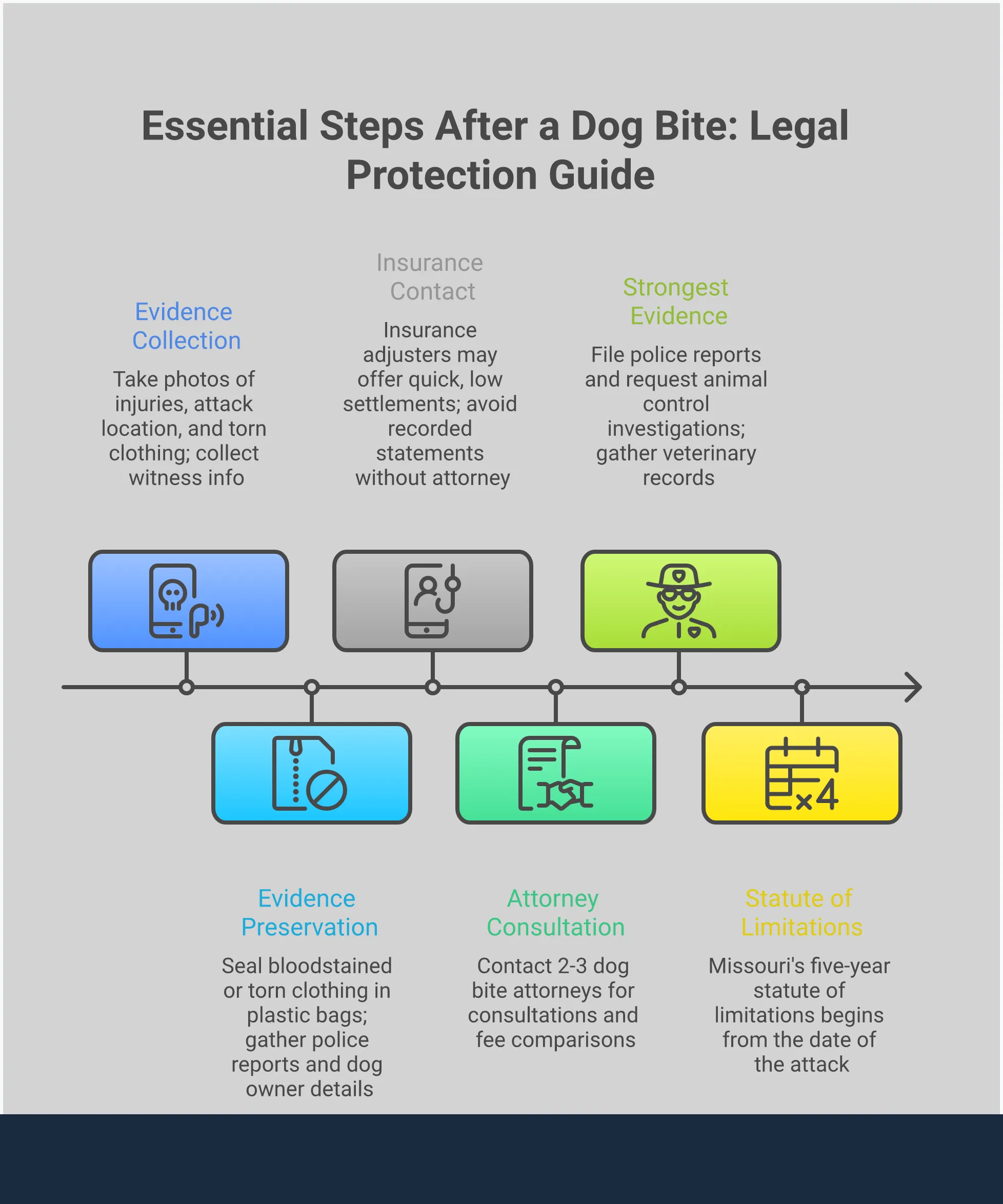
After you’ve received medical care, your next step should be to report the attack to your local animal control or public health department. This is a critical step for both public safety and the strength of your legal claim. Filing a report creates an official, third-party record of the incident, which can be invaluable later as memories fade and stories change. Animal control will investigate, document the details, and ensure the dog is quarantined if necessary to check for rabies. This formal report helps establish the facts of the case and shows that you took the situation seriously from the very beginning, which is important for any future legal action.
The investigation by animal control can uncover important information, such as whether the dog has a history of aggression or if its vaccinations are up to date. This is particularly relevant in Missouri, which has a strict liability statute for dog bites. This law means the owner is responsible for the harm their dog causes, regardless of whether the dog has ever been violent before. An official report from an authority figure provides powerful, unbiased evidence that supports your account of what happened and can help counter any attempts by the owner to downplay the incident.
This official documentation also strengthens your position when dealing with the dog owner’s insurance company. An animal control report adds a layer of credibility that is difficult for an insurance adjuster to dismiss. It solidifies the date, time, and circumstances of the attack, making it harder for the dog owner to change their story or claim you were at fault. Insurance companies often look for reasons to minimize or deny claims, but a formal report from a government agency makes your case much more difficult to dispute. This simple action helps build a more robust case, making it easier to secure the compensation you need.
Documenting Your Injuries: Photos and Medical Records
A picture is worth a thousand words, especially in a dog bite case. Use your phone to take clear photos of your injuries immediately after the attack and continue to document them as they heal. Bruising and swelling can change over time, so having a visual record is powerful. Also, take pictures of the location where the incident occurred. Alongside photos, keep a file of all your medical documentation. This includes every bill, prescription receipt, and doctor’s report. This paper trail directly connects the dog bite to the financial costs you’ve incurred and is essential for building your personal injury claim.
Understanding a “Level Three” Bite
You may hear your injury described as a “Level Three” bite, which is a clinical way of saying the dog’s teeth broke your skin and left bloody marks. These wounds are serious, not just because of the immediate pain, but because of the high risk of infection. Even if the puncture doesn’t seem deep, a dog’s mouth contains bacteria that can cause significant complications if not treated properly. From a legal perspective, this level of injury provides clear evidence of physical harm, which is essential for your claim. It validates the need for medical treatment, like stitches and antibiotics, and underscores the emotional trauma that comes with such a frightening and personal attack.
Get Contact Info from Witnesses and the Owner
If anyone saw the attack, their account can be incredibly helpful. Politely ask for the names and phone numbers of any witnesses. An independent third party who can back up your story adds a lot of credibility to your claim. It’s also crucial to identify the dog’s owner. Get their name, address, and phone number if you can. If the owner is uncooperative, don’t get into an argument. Instead, try to remember what they look like and where they live. Any information you can gather will help your attorney locate them later.
How to Preserve Key Physical Evidence
The physical evidence from the attack itself can be very compelling. Take the clothes you were wearing and place them in a sealed bag without washing them. Torn or blood-stained fabric serves as tangible proof of the incident’s severity. If any of your personal belongings were damaged, like your glasses, phone, or purse, set them aside as well. Once you have gathered what you can safely, the next step is to secure legal guidance. An experienced attorney can help you organize this evidence and ensure nothing is overlooked. We are here to help you take the next steps and build a strong case.
Do You Have a Strong Dog Bite Case?
After a dog attack, it’s natural to feel overwhelmed and unsure of what to do next. You might be wondering if you even have a case worth pursuing. Evaluating the strength of a dog bite claim comes down to a few key factors. First, you need to establish that the dog’s owner is legally responsible for the attack. This involves understanding Missouri’s specific laws and how they apply to your situation.
Next, you must clearly connect the attack to the harm you’ve suffered. This includes not just the obvious physical injuries but also the financial and emotional fallout. A strong case is built on solid proof that your injuries are a direct result of the incident. Finally, every legal action is subject to a deadline. Knowing and respecting Missouri’s statute of limitations is critical, because missing it could prevent you from ever receiving the compensation you deserve. Understanding these three pillars, owner fault, proven damages, and timely action, will help you determine if you have a strong foundation for a personal injury claim.
Proving the Dog’s Owner Was at Fault
In Missouri, the law is often on the victim’s side. The state follows a “strict liability” rule for dog bites. This means if a dog bites you without being provoked, the owner is typically held responsible for your damages. This applies whether you were on public property or lawfully on private property. You don’t have to prove the owner knew their dog was dangerous beforehand.
In situations not covered by this specific statute, you may need to prove negligence. This involves showing the owner had a duty to keep others safe from their dog (like using a leash in a public park), they failed in that duty, and their failure directly caused your injuries. An experienced attorney can help determine the best way to establish fault in your case.
Missouri Law vs. the “One-Bite Rule”
Many people have heard of the “one-bite rule,” a legal concept used in some states. This rule can make it difficult for victims to get justice, as it often requires them to prove the owner knew their dog had dangerous tendencies before the attack occurred. Essentially, it can give a dog a “free bite.” Thankfully, Missouri law offers much stronger protections. Our state follows a strict liability statute, which is a critical advantage for victims. This means you don’t have to prove the owner was aware of any prior aggression. If a dog bites you without being provoked, the owner is held responsible for the harm caused, making it more straightforward to establish liability and seek the compensation you deserve.
Linking Your Injuries Directly to the Attack
A strong dog bite case requires a clear and direct link between the attack and your injuries. Dog bites can cause severe harm, including deep puncture wounds, nerve damage, broken bones, and permanent scarring. It’s also important to account for the emotional trauma, which can lead to anxiety or PTSD.
To connect the attack to these injuries, documentation is key. Medical records from the emergency room or your doctor are essential. Photos of your injuries taken immediately after the incident and throughout your recovery process also provide powerful visual evidence. By gathering this proof, you can effectively demonstrate the full extent of the physical, emotional, and financial damages you’ve suffered and start building your case.
Don’t Miss Missouri’s Filing Deadline
Every state sets a time limit for filing a lawsuit, known as the statute of limitations. In Missouri, you generally have five years from the date of the dog bite to file a personal injury claim. While that might sound like a lot of time, it’s crucial to act quickly. If you miss this deadline, you will likely lose your right to seek compensation forever.
Waiting too long can also weaken your case. Evidence can get lost, witness memories can fade, and it becomes harder to prove the full impact of your injuries. Contacting an attorney soon after the incident ensures that important evidence is preserved and your claim is filed correctly and on time. An experienced lawyer like Chad G. Mann can guide you through the process and protect your rights.
Overcoming Common Challenges in Dog Bite Cases
After a dog bite, you might assume that getting compensation is a simple process. Unfortunately, these cases often come with unexpected hurdles that can make recovery difficult. From uncooperative insurance companies to complex legal arguments from the dog’s owner, several challenges can stand in your way. Understanding these potential obstacles is the first step toward building a strong case and protecting your rights.
How to Handle Insurance Company Tactics
One of the first challenges you’ll likely face is the dog owner’s insurance company. While you might expect them to be helpful, their primary goal is to protect their bottom line by paying out as little as possible. Adjusters may contact you shortly after the incident to offer a quick, low settlement before you know the full extent of your injuries. They might also try to get you to make a recorded statement that they can later use against you.
An experienced personal injury lawyer can handle all communications with the insurance company on your behalf. They understand the tactics adjusters use and can accurately calculate the true value of your claim, ensuring you don’t accept an offer that fails to cover your long-term medical bills, lost wages, and pain. This allows you to focus on your recovery while a professional fights for your interests.
How to Prove a Dog Was Dangerous
In Missouri, dog owners are held strictly liable for bites, meaning you don’t necessarily have to prove the dog was dangerous before it attacked you. However, establishing a history of aggression can still significantly strengthen your case. Evidence that the owner knew their dog had vicious tendencies can help counter claims that you provoked the animal and may even support a claim for additional damages.
Gathering this proof can be difficult. It often involves tracking down neighbors who may have witnessed previous aggressive behavior, searching for past reports filed with animal control, or finding veterinary records. A lawyer knows exactly where to look for this information and how to use it to build a compelling narrative that demonstrates the owner’s negligence.
Who Is Actually Liable for the Bite?
Figuring out who is legally responsible for your injuries isn’t always straightforward. While the dog’s owner is usually the liable party, other people or entities could also be at fault. For example, was the dog under the care of a dog walker, a kennel, or a friend? Was the attack on a rental property where the landlord knew about a dangerous animal but did nothing?
These situations create layers of complexity that can be hard to sort through on your own. Victims are often left feeling confused about who to hold accountable and how to move forward with a claim. A skilled attorney can investigate the circumstances of the attack to identify all potentially liable parties, which is a critical step in ensuring you can recover the full compensation you deserve. If you’re unsure who is responsible for your injuries, it’s best to schedule a consultation to discuss the details.
When a Landlord Can Be Held Responsible
In some cases, a landlord can be held partially responsible for a dog bite that happens on their property. This usually occurs if the landlord was aware that a tenant’s dog was dangerous but failed to take reasonable steps to protect others. For a landlord to be sued successfully, a plaintiff must show the landlord knew the dog was dangerous. This could mean they were aware of previous attacks, aggressive behavior, or complaints from other tenants. Simply allowing tenants to have pets is not enough to make a landlord liable. However, if they had knowledge of a specific threat and did nothing, they may share in the responsibility for your injuries under premises liability laws.
What is “Scienter” Liability?
While Missouri’s strict liability law is a powerful tool for victims, it’s also helpful to understand the concept of “scienter.” This legal term essentially means “guilty knowledge.” In the context of a dog bite, an owner or caregiver can be held responsible if they knew the dog was mean or dangerous before it attacked you. Proving scienter involves showing that the owner was aware of the dog’s aggressive tendencies, perhaps because it had bitten someone before or frequently lunged at people. While not always necessary in Missouri, evidence of the owner’s prior knowledge can make your case even stronger and help counter any defense that you provoked the animal. It adds another layer to the owner’s legal responsibility for their pet’s actions.
Common Defenses Dog Owners Use
Even in cases that seem clear-cut, the dog owner and their insurance company will likely try to build a defense to avoid paying your claim. Two of the most common arguments are that you provoked the dog or that you were trespassing on their property at the time of the attack. They might claim you were teasing the animal or that you entered a fenced yard without permission.
A proactive lawyer will anticipate these defenses from the very beginning. They will gather evidence to prove you were lawfully on the property and did nothing to provoke the attack. This could include witness statements, photos of the scene, and your own testimony about what happened. By building a case that directly counters these common defenses, your attorney can position you for a much stronger negotiation or, if necessary, a successful outcome in court.
Arguing It Wasn’t a Bite
Sometimes, a dog owner will try to argue that their dog didn’t actually bite you. They might claim the dog only jumped on you and knocked you over, or that your injuries were from scratching, not teeth. This defense is an attempt to sidestep Missouri’s strict liability law, which specifically applies to bites. However, this argument doesn’t mean you don’t have a case. Even if your injuries weren’t caused by a bite, the owner can still be held responsible under general negligence principles if they failed to control their animal. An experienced attorney can help you build a case based on the owner’s carelessness, regardless of how the injury occurred.
Claiming They Aren’t the Owner
Another common defense is for the person you believe is responsible to claim they aren’t the dog’s legal owner. Liability for a dog bite typically falls on the owner, but determining ownership isn’t always simple. The dog might have been staying with a friend, a relative, or a dog sitter at the time of the attack. In these situations, the person in control of the dog may try to shift the blame back to the absent owner. A thorough investigation is often needed to identify the legally responsible party. We can help untangle these complex situations to ensure your claim is filed against the correct person.
Blaming the Victim (Comparative Negligence)
One of the most frequent defenses is to blame the victim by claiming you provoked the dog. The owner might say you were teasing, petting the dog too roughly, or startling it. In Missouri, this is related to a legal concept called comparative negligence. If a court finds you were partially at fault for the incident, your compensation can be reduced by your percentage of blame. For example, if you are found 10% responsible, your final award would be reduced by 10%. An attorney can fight back against these accusations by gathering witness statements and other evidence to show you did nothing to provoke the attack.
Special Considerations for Young Children
Cases involving children are especially heartbreaking, and the law treats them differently. A dog owner cannot use the same “provocation” defense against a very young child as they would against an adult. The legal system recognizes that small children, particularly those under the age of five, are not capable of understanding the risk of their actions and cannot be held responsible for provoking an animal. This provides a crucial layer of protection for the most vulnerable victims. If your child has been bitten, securing compensation is vital for covering their medical care, potential therapy for emotional trauma, and any future procedures like scar revision.
How a Lawyer Can Strengthen Your Case
After a dog bite, managing a legal claim is the last thing you should worry about. A personal injury lawyer does more than file paperwork; they become your advocate, handling the complexities of your case so you can focus on healing. From building a strong claim to facing insurance companies, their expertise is essential.
Finding Evidence You Might Miss
A strong claim depends on solid proof, but victims are often too injured or overwhelmed to gather it. Your attorney will immediately collect all necessary documentation, including police reports, medical records, photos of your injuries, and witness statements. They know exactly what’s needed to establish the dog owner’s negligence and build a compelling case, ensuring no critical detail is overlooked.
Inspecting the Scene and the Dog’s Environment
A lawyer’s investigation often goes deeper than the incident itself. They will look at the bigger picture, which includes the dog’s living situation. An attorney might inspect the scene of the attack and the dog’s home for clues about its history and behavior. Things like a frayed tether, a broken fence, or signs of neglect can tell a powerful story about the owner’s lack of care. These details help establish a pattern of negligence and counter any claims that the dog was a well-behaved pet that was simply provoked. This thorough approach ensures that every piece of evidence is used to build the strongest possible argument on your behalf.
Gathering All Relevant Records
Beyond what you can collect yourself, an attorney has the resources to obtain official records that are crucial to your case. This includes everything from the dog’s veterinary history, which might show past aggression, to reports from animal control or the police. They will also gather all your medical documentation, from the initial emergency room bill to receipts for prescriptions and physical therapy. This creates an undeniable paper trail that directly connects the dog bite to the financial costs you’ve incurred. This comprehensive collection of records is essential for building a personal injury claim that accurately reflects the full extent of your damages.
Using Medical Experts to Prove Your Injuries
Understanding the full extent of your injuries is key to securing fair compensation. An experienced lawyer has a network of trusted professionals to consult. They may work with medical experts to detail future treatment needs, financial specialists to calculate lost earning capacity, and even animal behaviorists to establish a dog’s history of aggression. This expert testimony provides powerful, credible support for your claim and quantifies the full impact of the attack.
How Experts Analyze Wounds
A medical expert can provide a professional analysis that clearly links the attack to your injuries. They go beyond your initial medical records to explain the long-term impact of the harm you’ve suffered, from deep puncture wounds and nerve damage to the likelihood of permanent scarring. Their testimony can detail the need for future surgeries, physical therapy, or psychological counseling for trauma like anxiety or PTSD. This expert opinion is crucial because it provides an objective, credible assessment of your damages, making it much harder for an insurance company to downplay the severity of your personal injury claim.
Choosing the Right Animal Behavior Expert
In some cases, understanding the dog’s history is key to proving owner negligence. An animal behavior expert can investigate the dog’s past conduct, interview neighbors, and review any prior incident reports to establish a pattern of aggression. Their professional opinion can be invaluable in countering common defenses, such as the owner’s claim that the dog was provoked or had never been violent before. An experienced lawyer like Chad G. Mann maintains a network of these trusted professionals, ready to provide the credible testimony needed to strengthen your case and hold the responsible party accountable.
Taking on the Insurance Adjusters for You
Insurance companies aim to settle claims for as little as possible. Their adjusters are skilled negotiators trained to protect the company’s bottom line, not your best interests. A lawyer levels the playing field. They handle all communications with the insurer, protecting you from tactics designed to weaken your claim. By presenting a well-documented case and negotiating firmly, your attorney fights for a settlement that truly covers your needs.
Standing Up for You in Court
While most cases settle out of court, having a lawyer prepared for trial is a significant advantage. This readiness often motivates insurers to offer a more reasonable settlement. If an agreement can’t be reached, your attorney will be your advocate in the courtroom. They manage all legal procedures, present evidence, and argue your case before a judge or jury. With an experienced trial lawyer like Chad G. Mann, you can feel confident your story will be told effectively.
How to Find and Vet Potential Lawyers
Finding the right legal partner is a critical step in your recovery. It’s not just about finding someone with a law degree; it’s about finding an advocate who understands your situation and has the right experience. The process doesn’t have to be overwhelming. Here’s how you can find and vet potential lawyers to ensure you have the best possible representation for your case.
Where to Start Your Search
A great place to begin is by focusing your search on lawyers who specialize in personal injury. While a general practice lawyer might be great for some things, a dog bite case has specific nuances that an experienced personal injury attorney will understand. You can ask trusted friends or family for recommendations or use online legal directories to find qualified attorneys in your area. The goal at this stage is to create a shortlist of a few potential candidates who seem to have the right background. Don’t worry about making the final decision yet; just gather a few promising names to research further.
What to Look for in Reviews and Credentials
With your shortlist in hand, it’s time to do some homework. Look up each attorney online and read through client reviews and testimonials. Pay attention to what past clients say about their experience. Do they mention the lawyer being honest, compassionate, and a good communicator? These qualities are just as important as legal skill. You can also check your state’s bar association website to confirm they are in good standing. This research helps you get a feel for an attorney’s reputation and professional standards before you even pick up the phone. Getting to know an attorney’s background and values can also provide peace of mind.
Smart Questions to Ask a Dog Bite Lawyer
The final step is the initial consultation, which is often free. This meeting is your opportunity to interview the attorney and see if they’re a good fit. Come prepared with a list of questions. Ask about their specific experience with dog bite cases, not just personal injury in general. You can also ask about their communication style and how they would approach your case. Most importantly, pay attention to how you feel during the conversation. You should feel comfortable and confident in their ability to represent you. If you’re ready to take this step, you can schedule a consultation to discuss your case.
When Should You Contact a Dog Bite Attorney?
After a dog bite, your first priority is medical care. But soon after, you’ll likely have questions about who is responsible for your medical bills and other damages. Dog bite cases can be more complex than they seem, and waiting to get legal advice can put your ability to recover compensation at risk. An attorney can help you understand your rights and handle the process, so you can focus on healing.
Why Acting Quickly Is So Important
The moments after a dog attack are chaotic, but it’s important to act quickly to protect your legal rights. Key evidence can disappear fast. Witnesses might forget important details, and the scene of the incident could change. Contacting an attorney right away allows them to start preserving this crucial information while it’s still fresh. Taking swift legal action also shows the dog owner and their insurance company that you are serious about receiving fair compensation for your injuries, allowing your lawyer to manage all communications from the start.
Red Flags: When to Call a Lawyer Now
Some situations are clear signals that you need an attorney right away. You should contact a lawyer immediately if the bite resulted in serious injuries, such as deep wounds, broken bones, or significant scarring. Other red flags include the dog owner denying responsibility, blaming you for the attack, or not having insurance. If an insurance adjuster contacts you with a quick, low settlement offer, it’s another sign to seek legal advice. These initial offers rarely cover the full extent of your damages, especially future medical costs.
What You Risk by Waiting to File a Claim
Delaying your decision to contact a lawyer can seriously jeopardize your case. Missouri has a statute of limitations, which is a strict deadline for filing a personal injury lawsuit. If you miss this window, you could lose your right to seek compensation forever. Waiting also gives evidence a chance to fade and allows insurance companies to argue your injuries weren’t severe. The legal process is complicated, and an attorney’s experience is vital for a fair outcome. Don’t risk your recovery by waiting. If you’ve been injured, contact a lawyer to discuss your case as soon as possible.
Related Articles
- Dog Bite in Missouri? Step-by-Step Legal Guide
- Springfield Dog Bite Lawyer: Your Legal Guide After an Attack – The Law Office of Chad G. Mann, LLC
- Dog Bite Injury Attorney Guide – Expert Legal Support
- Dog Bite Injury Attorney Springfield MO | Free Consultation
- Dog Bite Attorney Springfield MO | Get Your Compensation
Frequently Asked Questions
Do I really need a lawyer for a dog bite? While you are not required to hire one, a lawyer acts as your professional advocate, especially when you are focused on recovering from your injuries. They handle all the complex communications with insurance companies, gather the necessary evidence to build a strong case, and ensure you don’t accept a low settlement offer. Having an expert on your side significantly improves your chances of receiving fair compensation for your medical bills, lost work, and suffering.
How much will it cost me to hire a lawyer? Most personal injury attorneys work on a contingency fee basis, which means you pay nothing upfront. The lawyer’s fee is a percentage of the compensation they recover for you. If you do not win your case through a settlement or verdict, you do not owe any attorney fees. This arrangement allows you to get expert legal help without any financial risk.
What if the dog owner is a neighbor or family member? This is a common and understandable concern. It’s important to remember that a personal injury claim is typically filed against the owner’s homeowner’s or renter’s insurance policy, not against them personally. A lawyer can handle these sensitive communications with professionalism and care, allowing you to focus on healing while they secure the compensation you need for your medical bills from the insurance provider.
How long do I have to file a dog bite claim in Missouri? In Missouri, you generally have five years from the date of the incident to file a lawsuit. This is known as the statute of limitations. While that may seem like a long time, it is critical to act much sooner. Waiting can cause evidence to be lost and witness memories to fade, which can weaken your case. Contacting an attorney early ensures everything is properly documented and filed on time.
What kind of compensation can I actually receive? Compensation is meant to cover all of your losses resulting from the attack. This includes clear financial costs like your current and future medical bills and any income you lost from being unable to work. It also covers the non-economic impacts, such as the physical pain you’ve endured, emotional trauma, and any permanent scarring or disfigurement.
Have you been injured? Take our free injury questionnaire to help us understand your case, or call (417) 842-8679 for a free consultation today.