


After an accident, you might assume your insurance company is firmly in your corner, ready to protect you. While they have a duty to defend you, their role is much more complicated than that of a simple ally. An insurer’s primary goal is to minimize financial loss, which can create a surprising conflict of interest. They control the legal strategy and can even take legal action themselves. This complexity often leaves people wondering, can the insurer be the plaintiff or the defendant? In fact, they can be either, depending on the circumstances. Knowing when they might sue to recover costs or when they must defend you is crucial for protecting your rights and making informed decisions throughout your case.
Key Takeaways
- Recognize the insurer’s conflicting duties: While an insurance company is required to defend you and pay for covered damages, its primary goal is to limit its own financial payout, which can put its interests directly at odds with yours.
- Know when legal action is an option: You have the right to sue an insurance company for acting in bad faith or breaking its contract, just as an insurer can file its own lawsuits to recover costs or clarify policy responsibilities.
- Take control of your legal defense: The lawyer provided by your insurer ultimately works to protect the company. Understanding your policy, spotting conflicts of interest, and hiring your own attorney are essential steps to ensure your rights are prioritized.
What Role Does an Insurance Company Play in a Lawsuit?
When a lawsuit is filed, especially after a car crash or a slip-and-fall, the defendant’s insurance company often steps into the ring. They aren’t just a source of money; they become a major player with specific legal obligations outlined in the insurance policy. The insurer’s primary role is to protect their policyholder from financial loss, but how they do that can significantly impact the case’s direction and outcome. Their involvement is typically defined by two core responsibilities: a duty to defend their client and a duty to indemnify, or pay for, covered damages.
Understanding these roles is crucial because the insurance company’s goals might not always align with yours, even if you’re their customer. They are businesses focused on minimizing payouts. For someone filing a claim against an insured person, this means facing a well-funded opponent. For the policyholder being sued, it means the company controlling your defense might prioritize a cheap settlement over clearing your name. These dynamics create a complex legal landscape. Knowing the insurer’s duties and the common misconceptions about their involvement can help you protect your rights and make informed decisions throughout the legal process. It all starts with understanding the two key promises in every liability policy.
Duty to Defend vs. Duty to Indemnify: What It Means for You
Think of these two duties as separate promises from your insurer. The duty to defend is their obligation to hire and pay for a lawyer to represent you when you’re sued for an incident covered by your policy. This responsibility is incredibly broad. If even one part of the lawsuit against you could potentially be covered, the insurance company generally has to defend you against the entire case, even the parts that might not be covered. The “duty to indemnify” is the insurer’s promise to pay for the damages if you are found legally responsible, up to your policy limits. This duty is narrower; they only pay if the final judgment is for a claim that is actually covered by your policy.
Common Myths About an Insurer’s Involvement
Many people believe the insurance company is solely on the policyholder’s side, but that’s not always the case. A common myth is that their interests and yours are perfectly aligned. In reality, an insurer’s main goal is to resolve the claim for the least amount of money possible. This can create a conflict of interest, especially when deciding whether to accept a settlement or go to trial. Another misconception is that the insurer only pays for damages. As we’ve seen, they also have a duty to manage and pay for the legal defense. This means they often control the legal strategy, which can be a surprise to policyholders involved in personal injury cases.
When Can an Insurance Company Be the Plaintiff?
It might seem unusual, but your insurance company can absolutely be the one to file a lawsuit. While we typically see them on the defense side, there are specific situations where they take the lead as the plaintiff. This usually happens when they need to recover money they’ve already paid out or when they need a court to clarify their responsibilities under a policy. It’s not something they do lightly, but it’s a crucial part of how the insurance system functions.
Understanding these scenarios can help you see the full picture of how insurance and the legal system interact. The three main reasons an insurer might initiate a lawsuit are to recover costs from a responsible third party, to get a legal ruling on coverage disputes, or to pursue action against a policyholder for fraud. Each situation is unique and follows specific legal principles. If you find yourself involved in a case where an insurer is the plaintiff, knowing the “why” behind their actions is the first step in protecting your own interests. These cases can be complex, which is why having a clear understanding of different practice areas is so important.
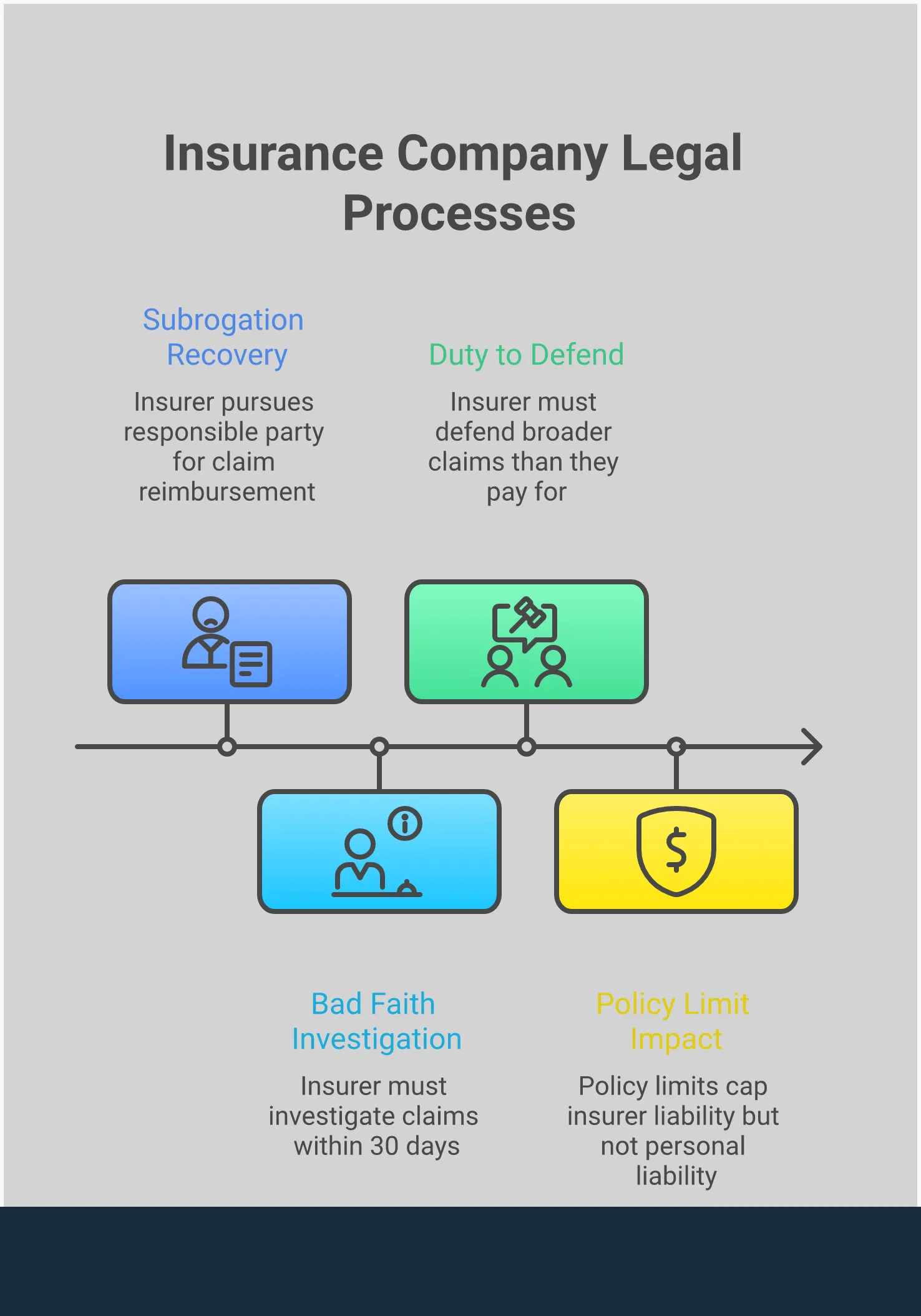
Recovering Money Through Subrogation
Subrogation is a legal term that sounds more complicated than it is. Think of it this way: if someone else causes an accident and your insurance company pays for your damages, subrogation allows your insurer to “step into your shoes” and sue the at-fault person to get that money back. For example, if another driver runs a red light and hits your car, your insurance might pay for your repairs right away. Through subrogation, your insurer can then file a lawsuit against the other driver to recover the amount it paid you. This process ensures the responsible party is ultimately held accountable for the financial loss, not you or your insurer.
Filing Lawsuits to Clarify Coverage
Sometimes, the language in an insurance policy isn’t crystal clear about whether a specific incident is covered. When there’s a genuine disagreement about what the policy means, an insurance company might file a lawsuit called a “declaratory judgment action.” They are essentially asking a judge to read the policy and make a final decision on whether they are obligated to provide coverage or pay a claim. This often happens in complex liability cases where the insurer is defending the policyholder but isn’t sure if the claim falls under the policy’s terms. It’s a proactive step they take to clarify their legal duties before a lot of money is on the line.
Suing for Fraud or Policy Violations
Insurance companies take fraud very seriously. If they have evidence that a policyholder lied on their application, staged an accident, or exaggerated an injury to get a payout, they can sue to recover the money they paid. This is a direct action against the policyholder for their misconduct. An insurer might also sue if a policyholder violates a key term of the insurance agreement, like failing to cooperate with an investigation. These lawsuits are meant to protect the insurer from wrongful losses and uphold the integrity of the insurance contract. If you’re facing such an accusation, it’s critical to contact an attorney immediately.
When Can You Sue an Insurance Company?
Dealing with an insurance company can be frustrating, especially when you feel like you’re not being treated fairly after an accident or injury. While your policy is a contract that’s meant to protect you, sometimes insurers fall short of their obligations. The good news is that you have rights, and in certain situations, you can take legal action against an insurance company to hold them accountable. This usually happens when the company refuses to honor the terms of its policy or fails to handle your claim in a reasonable and fair manner. Understanding when you can file a lawsuit is the first step toward getting the compensation you deserve.
Filing a Bad Faith Claim
An insurance policy is more than just a standard contract; it includes an implied promise from the insurer to act in “good faith” and deal with you fairly. When an insurer breaks this promise, you may have grounds for a bad faith claim. This can happen if they unreasonably deny, delay, or underpay your claim without a valid reason. For example, if they fail to conduct a proper investigation, misrepresent the facts or policy terms, or refuse to settle a case for a reasonable amount, they may be acting in bad faith. The law allows you to sue if their actions cause you to suffer additional damages, and a successful claim can help you recover what you’re owed.
Suing an Insurer Directly
In many personal injury cases, the insurance company plays a central role behind the scenes. While you might technically file a lawsuit against the at-fault person, their insurer is often the one managing the defense and controlling settlement negotiations. However, there are circumstances where you can sue the insurance company directly. This often occurs when there are disputes over the scope of coverage or the insurer’s duty to defend its policyholder. These insurance law issues are frequently at the heart of personal injury litigation and can be the main drivers for reaching a settlement. An attorney can help determine if a direct lawsuit is the right strategy for your situation.
Holding Insurers Accountable for Breach of Contract
At its core, an insurance policy is a legally binding contract. You pay your premiums, and in return, the insurance company agrees to cover your losses as outlined in the policy. If the insurer fails to uphold its end of the bargain, you can sue for breach of contract. This is one of the most common reasons for suing an insurance company. A breach of contract could involve refusing to pay for a claim that is clearly covered, failing to defend you in a lawsuit when the policy requires it, or not paying a settlement or judgment against you. If you believe your insurer has violated your policy’s terms, it’s important to get legal advice to understand your options.
The Legal Rules for Insurer Lawsuits
When an insurance company gets involved in a lawsuit, a specific set of legal rules dictates what they can and cannot do. Understanding these rules is the first step in protecting your rights, whether you’re dealing with your own insurer or someone else’s. Here are a few of the most important legal concepts that come up in insurance disputes.
The Basics of Subrogation Rights
Imagine someone else causes an accident, and your insurance company pays for your medical bills. Subrogation is the legal right your insurer has to pursue the at-fault person to recover that money. This principle allows one party to seek reimbursement from another who is ultimately responsible for the damages. It’s essentially your insurer stepping into your shoes to collect a debt from the person who caused the harm. This process is common in car accident and personal injury cases and is a key reason why determining fault is so important. The goal is to hold the responsible party accountable.
Laws Governing Bad Faith Claims
Your insurance policy is a contract, and your insurer must act fairly. When it fails to do so, it may be acting in “bad faith.” This can include unreasonably denying a valid claim, refusing to settle a case for a reasonable amount, or failing to conduct a proper investigation. As legal experts note, issues like bad faith and the duty to defend are often central to personal injury litigation and can be the main drivers for reaching a settlement. These laws exist to hold insurance companies accountable and ensure they treat you fairly, especially when you are vulnerable after an injury.
How Courts Interpret Insurance Contracts
Insurance policies are complex legal contracts, so disputes often arise over what is and isn’t covered. When this happens, courts have specific rules for interpreting the language. One important rule is that if a term is ambiguous, it’s usually interpreted in the way that favors you, the policyholder. A fundamental part of this contract is the insurer’s duty to defend you in a lawsuit. This means the insurer must hire and pay for a lawyer to represent you if you’re sued for something covered by your policy, which also gives them control over the legal defense.
How an Insurer’s Involvement Affects Your Case
When an insurance company gets involved in your personal injury claim, the dynamic shifts. You’re no longer dealing with just an individual but a corporation focused on minimizing its payout. The insurer’s presence influences everything from settlement talks to legal strategy, making the process far more complex. Understanding their role is the first step toward protecting your rights. This is why having an experienced legal team is so important for any personal injury claim.
The Role of Policy Limits in Settlement Talks
Every insurance policy has a limit, which is the maximum amount the company will pay for a claim. This number is a critical factor because it often defines the boundaries for settlement negotiations. Even if your damages far exceed this amount, the insurer is typically only responsible for paying up to their policyholder’s limit. A skilled attorney will investigate all available insurance coverage to understand these limits from the start. This allows them to frame negotiations realistically and explore other avenues for recovery if your damages are higher than the available coverage.
Why the Insurance Company Often Controls the Defense
Most insurance policies contain a “duty to defend” clause, giving the insurer the right and obligation to manage the legal defense for their policyholder. In practice, this means the insurer, not the person who caused your injury, controls the defense strategy. They decide what arguments to make and whether to offer a settlement or go to trial. Their decisions are driven by their own financial interests, which is why you need a strong advocate who can counter their tactics and fight for your best interests throughout the legal process.
Who Is the “Real Party in Interest”?
While the person who caused your accident is the named defendant, their insurer is often the “real party in interest.” This is because the insurance company is the one who will pay any settlement or judgment, up to the policy limits. The defendant may not have the personal assets to cover your losses, making the policy the only practical source of recovery. Because their money is on the line, their priorities guide the process. If you feel you’re facing an uphill battle, it’s a good time to contact an attorney who knows how to level the playing field.
How to Protect Your Rights in an Insurance Dispute
When you’re dealing with a legal issue, the last thing you want is another fight with an insurance company. But these disputes are common, and knowing how to handle them is key to protecting your interests. Whether you’re the one with the policy or the person filing a claim, the process can feel overwhelming. Insurance companies have teams of lawyers looking out for their bottom line, so taking a few proactive steps can help ensure you are treated fairly and that your rights are respected from start to finish.
Know Your Rights as a Policyholder vs. a Claimant
Understanding your role in an insurance claim is the first step. If you’re a policyholder, you have a direct contract with the insurer that outlines their obligations to you. For a plaintiff to trigger your insurance coverage, their lawsuit must describe events and request damages that are at least potentially covered by your policy. On the other hand, if you’re a claimant filing against someone else’s policy, you don’t have that direct contract. This distinction changes how the company interacts with you and what rights you have. Reading the policy carefully is essential; it’s the rulebook for your coverage and the foundation of your rights in any of our firm’s practice areas.
When to Hire Your Own Attorney
The insurance company will likely provide a lawyer to defend you, but it’s important to remember who that lawyer ultimately works for. Their primary goal is to protect the insurance company, which often means settling a case as cheaply as possible. If you feel your interests aren’t being fully represented, or if the stakes are high, it’s wise to consider hiring your own attorney. An independent lawyer works only for you. They can offer unbiased advice, manage negotiations, and ensure your side of the story is prioritized. Having dedicated legal representation is especially critical if the other party has the resources to drag out litigation. You can contact our office for a consultation to discuss your specific situation.
How to Spot a Potential Conflict of Interest
A conflict of interest can arise when the insurance company’s goals don’t align with yours. While most insurers have a “duty to defend” their policyholders, they also want to minimize their financial exposure. A conflict might appear if the potential damages in a lawsuit exceed your policy limits. In that case, the insurer might be motivated to settle within the policy limit, even if it’s not the best outcome for you. Another red flag is if the lawyer provided by the insurer seems to be pushing you toward a quick settlement that benefits the company more than it protects you from future liability. As a lawyer committed to integrity, I believe you should always trust your gut; if something feels off, it’s worth investigating. You can learn more about me and my firm’s client-centered approach.
Related Articles
- How Insurance Companies Handle Claims: What to Expect
- What Is Bad Faith Insurance? Know Your Rights
- Your Guide to Bad Faith Insurance Practices
Frequently Asked Questions
What’s the real difference between an insurer’s “duty to defend” and “duty to indemnify”? Think of it like this: the duty to defend is the insurer’s job to hire and pay for a lawyer to represent you in a lawsuit. This duty is very broad and kicks in even if only part of the lawsuit might be covered. The duty to indemnify is their separate promise to actually pay for the damages if you are found responsible, but only for claims that are officially covered by your policy and only up to your policy limit.
The insurance company provided a lawyer for my case. Do I still need to hire my own? While the lawyer provided by your insurer is there to defend you, their primary client is the insurance company. This can create a conflict, as their goal might be to settle the case as cheaply as possible, which may not be your best outcome. Hiring your own attorney ensures you have someone whose only loyalty is to you. They can provide independent advice and make sure your personal interests are the top priority.
Why does the insurance company get to control the legal strategy in my case? This control comes from the “duty to defend” clause in most insurance policies. Because the insurer is paying for the legal defense, the contract gives them the right to manage it. They get to choose the lawyer, approve legal strategies, and make key decisions about whether to settle or go to trial. This is a major reason why understanding your policy and having your own advocate is so important.
What exactly is a “bad faith” claim, and when can I file one? A bad faith claim arises when an insurance company fails to treat you fairly and honestly, breaking the implied promise in your contract. You might have grounds for a claim if your insurer denies your claim without a good reason, refuses to pay a fair settlement, or intentionally delays the process to wear you down. It’s a way to hold them accountable for not upholding their end of the bargain.
What happens if my damages are more than the at-fault person’s insurance policy limits? Policy limits are the maximum amount an insurer will pay for a single claim. If your damages, like medical bills and lost wages, exceed that amount, the insurance company is generally not required to pay the difference. An experienced attorney can help by investigating if there are other insurance policies that might apply or by exploring whether the at-fault person has personal assets that could be used to cover the remaining damages.
If you or a loved one has been affected by a insurance claim in Springfield or Southwest Missouri, the experienced legal team at The Law Office of Chad G. Mann is here to help. Contact our auto accident injury attorney for a free consultation, or call (417) 842-8679 today.
Have you been injured? Take our free injury questionnaire to help us understand your case, or call (417) 842-8679 for a free consultation today.