

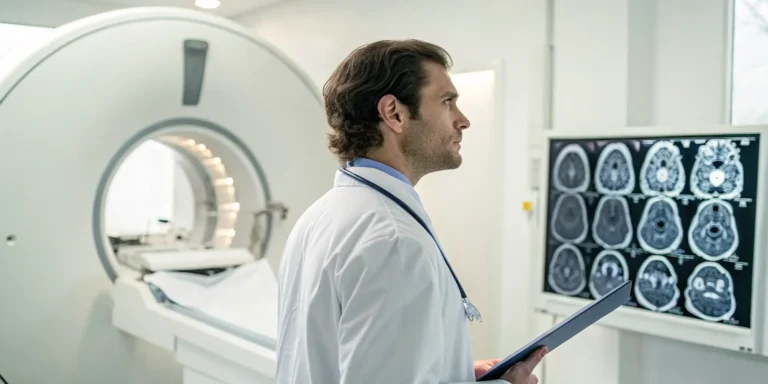
Feeling okay right after an accident doesn’t mean you’re in the clear. The most serious damage from a head injury often appears hours or even days later. This hidden threat is a secondary brain injury—a dangerous chain reaction that unfolds inside the skull after the initial impact. Swelling, reduced blood flow, and inflammation can quietly cause more harm than the first event. Recognizing the warning signs is crucial for protecting yourself or a loved one. We’ll cover what causes this delayed damage, the symptoms to watch for, and why immediate medical care is absolutely non-negotiable.
Key Takeaways
- The injury doesn’t stop at impact: A secondary brain injury is the internal damage, like swelling and inflammation, that develops hours or days later, which is why ongoing medical observation is critical even if you initially feel okay.
- Medical intervention is time-sensitive: While the initial trauma is instant, many secondary injuries can be prevented or minimized, so getting immediate medical help allows doctors to control factors like brain swelling and blood pressure within a critical time window.
- Proving the full injury is essential for your claim: Because a secondary brain injury unfolds over time, its full impact isn’t immediately apparent, and a successful personal injury claim must account for this delayed damage to secure the resources needed for long-term recovery.
What Is a Secondary Brain Injury?
When you think of a head injury, you probably picture the initial impact from an accident. But the damage doesn’t always stop there. A secondary brain injury is the evolving damage that happens in the hours, days, or even weeks after the first trauma. It’s not a new injury, but rather a harmful chain reaction inside the brain triggered by the initial event. This delayed process involves a series of cellular and chemical changes, like swelling, inflammation, and reduced oxygen flow, which can quietly cause more destruction to brain tissue.
Understanding this “second wave” of injury is critical because it’s often what makes a head trauma so much more severe over time. It highlights why ongoing medical observation is so important after any significant head impact, even if you feel fine at first. These types of personal injury cases can be complex because the full extent of the damage isn’t immediately obvious. The long-term consequences are often tied to this secondary phase of the injury, and proving the full scope of harm requires understanding how the injury progressed long after you left the scene of the accident.
Primary vs. Secondary Injury: What’s the Difference?
It helps to think of brain injuries in two distinct phases. A primary brain injury is what happens at the exact moment of impact. Think of a car accident, a fall, or a blow to the head. This is the immediate, mechanical damage caused by the physical force hitting the brain’s structures. A secondary brain injury, on the other hand, is the fallout. It’s the series of harmful biological processes that unfold after the initial event. Imagine a powerful storm hitting a town. The primary injury is the storm itself, breaking windows and tearing off roofs. The secondary injury is the flooding and damage that happens in the hours and days that follow because the initial defenses are down.
How a Secondary Injury Quietly Develops
The initial trauma sets off a cascade of events inside the brain. This isn’t a single problem but a complex chain reaction. Following the primary injury, blood vessels can change, and the brain’s natural protective barrier, which keeps harmful substances out, can break down. This allows damaging chemicals and cells to enter the brain tissue. The body’s own inflammatory response, meant to help, can sometimes go into overdrive and cause more harm than good. This environment of swelling, reduced blood flow, and chemical imbalances creates a toxic situation where more brain cells are at risk of dying, long after the initial accident is over.
Why Secondary Brain Damage Is So Dangerous
What makes a secondary brain injury so dangerous is that it’s a silent threat. Shockingly, this secondary damage can sometimes be more devastating than the initial injury itself. It is a leading cause of death for people hospitalized with head injuries. Statistics show that many people who suffer a fatal brain trauma don’t pass away immediately, but days or weeks later, often due to these secondary complications. In fact, about 40% of people with a traumatic brain injury actually get worse after they’ve been admitted to the hospital. This is why what happens in the minutes, hours, and days following an accident is just as critical as the accident itself.
Traumatic Brain Injury by the Numbers: Statistics and Risk Factors
Key TBI Statistics in the U.S.
Traumatic brain injuries are far more common than most people think. In the United States alone, around 1.7 million people experience a TBI each year. This isn’t a rare occurrence; it’s a significant public health issue affecting individuals and families across the country. The outcomes can be severe, with TBIs contributing to approximately 52,000 deaths annually. These numbers highlight the critical importance of understanding the risks and seeking immediate medical attention after any head trauma. The statistics underscore that what seems like a minor incident can have life-altering consequences, making awareness and prevention essential for everyone.
Who Is Most at Risk?
While a traumatic brain injury can happen to anyone, certain factors dramatically increase a person’s risk. Age is one of the most significant predictors of both the likelihood of sustaining a TBI and the severity of its outcome. The human brain’s resilience and recovery mechanisms change over a lifetime, making some age groups far more susceptible to the devastating effects of head trauma. This isn’t just about being more prone to accidents; it’s about how the brain itself responds to injury. Understanding who is most vulnerable is key to prevention and ensuring that at-risk individuals receive the rapid, specialized care they need after an incident.
Vulnerability in Children and Older Adults
Children and older adults represent the two most at-risk populations. Because their brains are still developing, children are more sensitive to secondary injuries like brain swelling, low blood pressure, and oxygen deprivation. On the other end of the spectrum, adults aged 75 and older face the highest risk of TBI, frequently from falls. Their brains often have less room to accommodate swelling, and other health issues can complicate the healing process. For both groups, what might seem like a minor bump can have serious consequences, making it essential for caregivers to recognize this heightened vulnerability and seek immediate medical advice.
The Danger of Low Blood Pressure After an Injury
One of the most dangerous secondary injury factors is a sudden drop in blood pressure, known as hypotension. This complication can quietly cause devastating harm. Research shows that a single episode of systolic blood pressure dropping below 90 mmHg can double a patient’s mortality rate and lead to a worse long-term recovery. This drop starves the already-injured brain of the oxygen it desperately needs, triggering a cascade of further cell damage. It’s a stark reminder of why professional medical monitoring in the hours and days after an accident is so critical. Stabilizing blood pressure is a key intervention that can prevent a manageable injury from becoming a catastrophic one.
What Causes a Secondary Brain Injury?
After a primary brain injury from an accident, the brain is incredibly vulnerable. A secondary brain injury isn’t caused by another blow to the head. Instead, it’s a cascade of harmful processes that happen inside the body in the hours and days following the initial trauma. Think of it as a chain reaction where one problem leads to another, causing further damage to brain cells that were not affected by the first impact. This delayed damage is often what leads to long-term disabilities or more severe outcomes, and it can develop silently without any obvious external signs.
The body’s own response to the injury can sometimes make things worse. Processes that are normally helpful, like inflammation, can become destructive in the delicate environment of the brain. Understanding these causes is crucial because many of them can be managed or even prevented with prompt and proper medical care. If you or a loved one has suffered a head injury, knowing what’s happening inside the brain can help you advocate for the best possible treatment. It’s also a critical part of understanding the full scope of various personal injury claims and why ongoing medical monitoring is so important for a full recovery.
When the Brain Doesn’t Get Enough Oxygen
One of the most immediate threats to the brain after an injury is a lack of oxygen, a condition known as hypoxia. Brain cells need a constant supply of oxygen to function and survive. When that supply is cut off, even for a few minutes, cells begin to die. This can happen for several reasons after an accident, such as a blocked airway, damage to the lungs, or a drop in blood circulation. This oxygen deprivation can significantly worsen the initial injury, leading to more widespread and permanent brain damage. Medical teams work quickly to restore normal oxygen levels to protect the brain from this dangerous secondary injury.
How Blood Pressure Fluctuations Cause Damage
Your brain also relies on steady blood flow to deliver oxygen and essential nutrients. After a traumatic injury, it’s common for a person’s blood pressure to drop dangerously low, a condition called hypotension. When blood pressure is too low, not enough blood can reach the brain, which can be just as damaging as a lack of oxygen. In fact, studies show that low blood pressure can double the mortality rate for people with a traumatic brain injury. That’s why first responders and emergency room staff focus so heavily on stabilizing a patient’s blood pressure. Maintaining adequate blood flow is a critical step in preventing further harm to the brain.
When Pressure Builds Inside the Skull
The skull is a rigid, bony box that protects the brain, but it doesn’t have much extra room. When the brain swells or bleeds after an injury, it has nowhere to go. This leads to a dangerous buildup of pressure inside the skull, known as increased intracranial pressure (ICP). This pressure can squeeze and compress delicate brain tissue, cutting off blood flow and causing widespread damage. Doctors monitor ICP very closely in patients with severe head injuries and have several methods to control swelling, from medication to surgery. Managing this pressure is essential to give the brain the space it needs to heal.
How the Body’s Own Response Can Cause Harm
Inflammation is the body’s natural way of healing itself. When you get a cut, the area gets red and swollen as your immune system sends cells to repair the damage. A similar process happens in the brain after an injury. However, sometimes this response can be too aggressive. The inflammatory process can release chemicals that are toxic to brain cells and cause even more swelling. While some inflammation is necessary for repair, an uncontrolled inflammatory response can contribute significantly to secondary brain damage. It’s a delicate balance that medical professionals work hard to manage during a patient’s recovery.
How Seizures Worsen Brain Damage
Following a significant head trauma, the brain is in a fragile and unstable state. This can sometimes lead to seizures, which are sudden, uncontrolled electrical disturbances in the brain. While frightening on their own, post-traumatic seizures pose a serious threat because they dramatically increase the brain’s metabolic demand. Essentially, a seizure forces the brain to work in overdrive at the exact moment it needs to rest and conserve energy to heal. This surge in activity can also increase pressure inside the skull, further restricting blood flow and oxygen. Each seizure can therefore cause additional brain cell death, compounding the initial damage and making the secondary injury much more severe.
The Impact of Systemic Issues on the Brain
The brain doesn’t heal in a vacuum; its recovery is directly tied to the overall health of your body. After a primary injury, problems affecting the entire body—known as systemic issues—can create a hostile environment that prevents the brain from healing properly. These issues can disrupt the delicate balance of chemicals, nutrients, and oxygen that the brain desperately needs during this critical time. Effectively managing these body-wide conditions is a crucial part of medical care, as it directly influences whether a secondary injury gets worse or if the brain has a chance to recover.
How Fever, Blood Sugar, and Anemia Contribute
Several common systemic problems can be particularly harmful. A high fever, for instance, increases the brain’s metabolic rate, putting extra stress on already-injured cells. Blood sugar imbalances are also dangerous; low blood sugar can starve brain cells of energy, while high blood sugar is consistently linked to worse outcomes. Furthermore, a condition like anemia, which reduces the blood’s ability to carry oxygen, can have a devastating effect by limiting the vital oxygen supply to the brain. Each of these issues can quietly contribute to the severity of a secondary brain injury.
What Happens Inside the Brain During a Secondary Injury?
A secondary brain injury isn’t a single event. Instead, it’s a harmful process that unfolds in the hours and days following the initial trauma. Think of it less like a second impact and more like a series of internal reactions that can quietly cause significant damage. This progression happens on a cellular level as the brain tries to respond to the initial injury, but its own defense mechanisms can sometimes make things worse. Understanding this sequence of events highlights why immediate and ongoing medical attention is so critical after any head trauma.
The Chain Reaction of Cell Damage
After the initial impact, a destructive chain reaction begins inside the brain. The primary injury triggers a cascade of harmful cellular and chemical changes that spread from the original site of damage. This process doesn’t happen all at once; it develops over time as brain cells struggle to function. Deprived of adequate oxygen and blood flow, these cells begin to die off, releasing toxic substances that, in turn, damage neighboring cells. This domino effect is why symptoms can worsen or new ones can appear long after the accident occurred.
Calcium Overload and Oxidative Stress
Two other major culprits in this destructive process are calcium overload and oxidative stress. Normally, calcium plays a vital role in how our brain cells communicate. But after a trauma, the cell’s defenses break down, allowing a flood of calcium to rush in. This overload is toxic, damaging the parts of the cell that produce energy and ultimately leading to cell death. At the same time, the injury triggers a state of oxidative stress, where the brain produces an excess of harmful molecules called free radicals. These unstable molecules attack and damage everything they touch, including cell walls and DNA, contributing to the widespread cellular damage that defines a secondary injury.
When Brain Chemicals Go Haywire
A healthy brain relies on a delicate balance of chemicals to communicate and function properly. The trauma from a primary injury throws this system into chaos. One major issue is the release of excessive amounts of certain chemicals, like glutamate. While glutamate is essential for normal brain function, too much of it becomes toxic to nerve cells, overexciting them to the point of destruction. This chemical imbalance contributes to further cell death and can interfere with the brain’s ability to regulate itself, worsening the overall injury.
The Role of Excitotoxicity and Glutamate Overload
The process where brain cells are damaged by being overstimulated is known as excitotoxicity, and it’s a major driver of secondary brain damage. Glutamate, a chemical messenger, is usually a good thing—it helps nerve cells fire and communicate. But when a primary injury occurs, damaged cells release a massive, uncontrolled flood of it. This chemical tidal wave overwhelms nearby healthy cells, forcing them into overdrive until they essentially burn out and die. This destructive cycle is a key reason why the effects of a head injury can spread and worsen over time, long after the initial accident is over.
Why Inflammation Makes Everything Worse
Inflammation is the body’s natural response to injury, meant to clean up damaged cells and start the healing process. However, when it happens within the closed space of the skull, it can be incredibly dangerous. The inflammatory response causes swelling, which increases pressure on the brain tissue. This pressure can restrict blood flow, starving healthy brain cells of the oxygen they need to survive. What starts as a protective measure can quickly become a source of further damage, complicating recovery from serious automobile accidents and other personal injuries.
When the Brain’s Defenses Fail
Your brain is protected by a highly selective filter called the blood-brain barrier. You can think of it as a security checkpoint that allows essential nutrients to pass through while blocking harmful substances. Following a head injury, this barrier can break down. When it fails, substances that are normally kept out of the brain can leak in, causing swelling, inflammation, and further damage to delicate brain tissue. This breach compromises the brain’s stable environment, leaving it vulnerable to a host of secondary problems that can have lasting effects.
What Are the Warning Signs of a Secondary Brain Injury?
After a head injury, the initial shock can mask more subtle problems that develop later. A secondary brain injury doesn’t happen at the moment of impact. Instead, it’s a cascade of harmful changes that can occur in the hours and days that follow. Because these symptoms can be delayed and sometimes mistaken for a normal part of recovery, it’s critical to know what to look for. Paying close attention to any new or worsening symptoms can be the key to getting timely medical help and preventing long-term damage.
Early Warning Signs You Can’t Ignore
Some signs of a secondary brain injury are immediate and alarming. If you or a loved one experiences a sudden downturn after a head injury, it’s a medical emergency. Watch for a sharp increase in confusion, a severe headache that won’t go away, or convulsions. Another critical sign is a change in the pupils, such as one pupil becoming noticeably larger than the other. These are indicators of a serious problem, like swelling or bleeding in the brain, that requires immediate medical intervention. Don’t wait to see if things get better. These types of traumatic brain injury symptoms signal a need for urgent care.
Spotting Changes in Mood and Memory
Not all warning signs are dramatic. Sometimes, the most telling symptoms are changes in a person’s cognitive function or personality. You might notice they have trouble speaking clearly, struggle to find the right words, or seem to forget things easily. Their thinking and reaction time may feel slower than usual. Family and friends are often the first to spot personality shifts, like uncharacteristic irritability, mood swings, or social withdrawal. While it’s easy to dismiss these as stress from the accident, they can be subtle clues that the brain is in distress. Trust your instincts if someone just doesn’t seem like themselves after an injury.
Don’t Ignore These Physical Symptoms
Beyond the initial pain of an injury, certain physical symptoms can signal a developing problem. A headache that continues to worsen instead of improve is a major red flag. You should also be on the lookout for issues with balance, coordination, or dizziness that make it difficult to walk or stand. Persistent nausea and vomiting are other serious signs that something is wrong. While a mild headache or brief nausea can be common after a concussion, symptoms that linger or intensify over time are not normal. These physical cues are your body’s way of telling you that the brain is under increasing pressure and needs medical attention.
Why Symptoms Can Take Hours or Days to Appear
It can be confusing when serious symptoms appear hours or even days after an accident. This delay happens because a secondary injury is caused by the body’s response to the initial trauma, not the impact itself. Think of it as a chain reaction. The first injury triggers a series of harmful events inside the skull, including swelling, inflammation, and decreased blood flow. This process unfolds over time, gradually damaging brain cells. Understanding this timeline is crucial for anyone recovering from a head injury. It’s why monitoring is so important in the days following an accident. If your injury was caused by someone else’s negligence, exploring your legal practice areas can help you understand your rights.
Can You Prevent a Secondary Brain Injury?
Yes, in many cases, you can. While the initial impact of a primary brain injury is instantaneous and irreversible, the secondary injury is a different story. It unfolds over hours and days, creating a critical window where medical intervention can make a significant difference. Preventing or minimizing a secondary brain injury isn’t about turning back time; it’s about taking immediate and decisive action to protect the brain from further harm.
The key is understanding that the danger doesn’t end after the initial accident. The brain is incredibly vulnerable during this period, and a series of harmful biological processes can be set in motion. Fortunately, many of these processes can be managed or stopped with the right medical care. From the moment first responders arrive to the specialized monitoring in a hospital, every step is focused on stabilizing the patient and giving the brain the best possible environment to heal. This proactive approach is the most powerful tool we have to limit long-term damage.
Why Every Second Counts After an Injury
After any head trauma, seeking immediate medical evaluation is the single most important step you can take. A secondary brain injury can often be prevented or treated, but it’s also what causes most of the lasting brain damage for people who survive the initial event. You might feel okay at first, but dangerous conditions like swelling or bleeding can develop silently.
Getting to an emergency room allows doctors to assess the injury and begin monitoring for complications. This early intervention can stop the cascade of events that leads to secondary damage. Don’t wait for symptoms to worsen. If you or a loved one has sustained a blow to the head, it’s essential to get checked by a doctor right away.
The Lifesaving Role of First Responders
The effort to prevent secondary brain injury begins the moment help arrives. First responders like paramedics and EMTs are trained to protect the brain from further harm at the scene of an accident. Getting patients with head injuries to the right medical center quickly and managing their injuries well before they reach the hospital is very important.
These professionals focus on the ABCs: Airway, Breathing, and Circulation. They work to ensure the brain gets enough oxygen, stabilize blood pressure, and immobilize the head and neck to prevent further trauma during transport. Their actions are the first line of defense, creating a stable foundation for the hospital team to build upon.
What Hospitals Do to Monitor for Secondary Damage
Once a patient is at the hospital, a specialized team takes over. Doctors need to closely watch for signs of secondary injury, including changes in brain pressure, blood flow, and body functions, to step in early. This isn’t a “wait and see” approach; it’s active and constant surveillance.
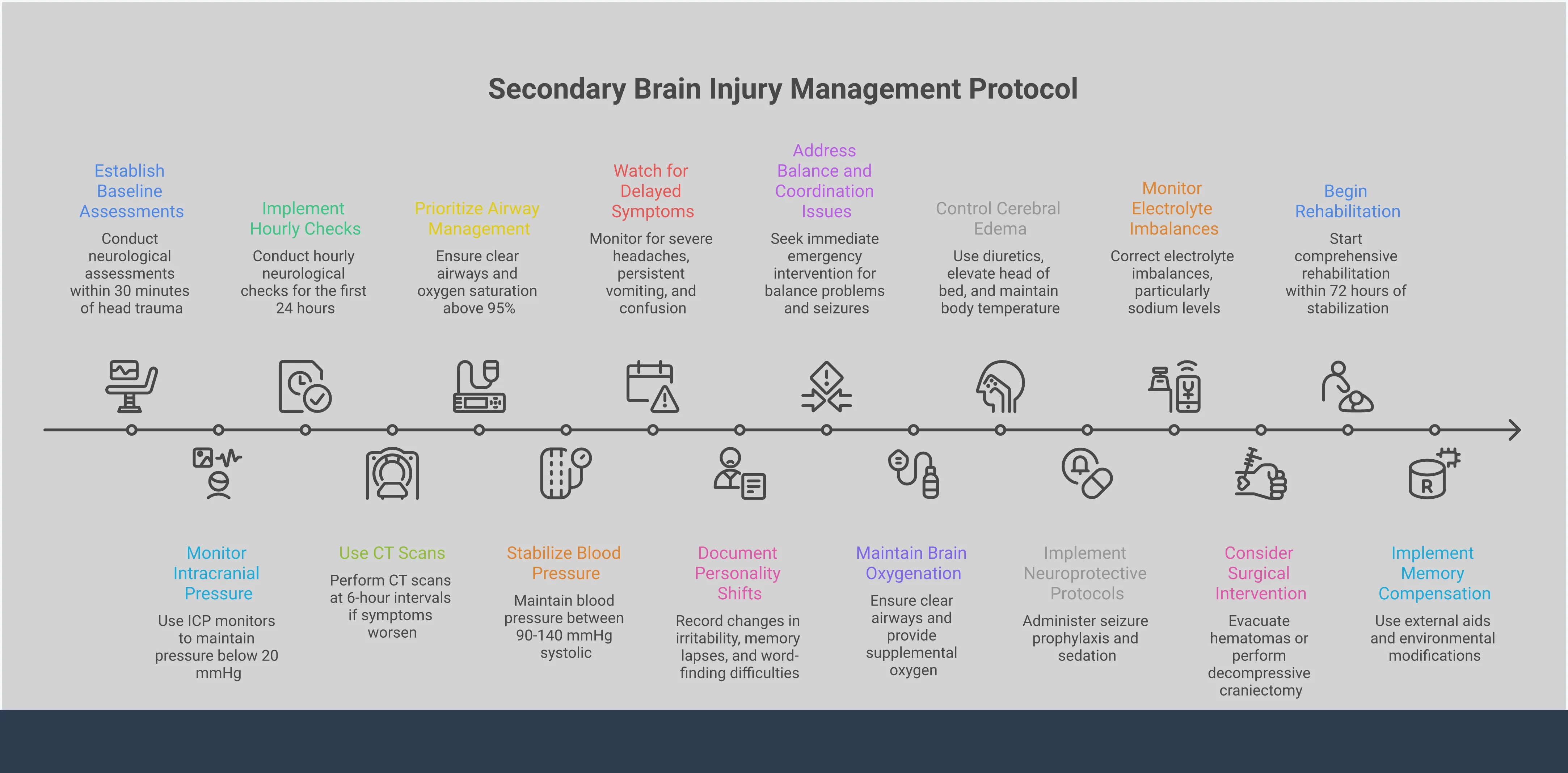
Medical staff use advanced tools to track what’s happening inside the skull. This can include intracranial pressure (ICP) monitors, frequent neurological exams, and imaging tests like CT scans. By keeping a close eye on these vital signs, doctors can immediately address dangerous changes, such as rising pressure or decreased oxygen, before they cause permanent damage to brain cells.
Understanding the Critical Window for Treatment
For some types of head trauma, time is measured in minutes, not hours. This is especially true for brain bleeds, where pressure builds rapidly inside the skull. Research shows that if surgery for certain types of brain bleeds is delayed by more than two hours after the injury, the risk of death nearly doubles.
This statistic highlights why there is no time to waste after a serious accident. Hesitating to call 911 or delaying a trip to the hospital can close this critical window for treatment. Whether the injury was caused by a car crash, a slip and fall, or another type of automobile accident, acting quickly gives medical professionals the best chance to intervene successfully and improve the outcome.
How Is a Secondary Brain Injury Treated?
When someone suffers a brain injury, the immediate medical goal is to stop the damage from spreading. Treating a secondary brain injury isn’t about reversing the initial impact; it’s about managing the body’s response to it. Doctors focus on creating the best possible environment for the brain to heal by controlling the factors that can cause additional harm, like swelling, low oxygen, and unstable blood pressure.
This process begins the moment a patient arrives at the hospital. A dedicated medical team works to stabilize the patient and closely monitor their condition, ready to intervene at the first sign of trouble. Every action taken is designed to protect brain cells that are vulnerable but not yet permanently damaged. This proactive approach is critical because the steps taken in the first few hours and days can significantly influence the long-term outcome. If you or a loved one has suffered a serious head wound, understanding these treatments can help you grasp the road ahead and the importance of proper medical care in any potential personal injury case.
First Steps: Stabilizing the Patient
In the emergency room, the first priority is to get a clear picture of the injury and stabilize the patient’s vital signs. This usually involves a neurological exam and imaging tests, like a CT scan, to assess the extent of the initial damage. The medical team will check breathing, blood pressure, and oxygen levels to ensure the brain isn’t being starved of essential resources. This initial phase is all about preventing the situation from worsening. According to medical guidelines, a referral to rehabilitation from acute care should happen quickly, as this planning can improve the chances of a better recovery down the line.
Managing Oxygen Levels and Airway Support
After a traumatic injury, the brain’s demand for oxygen can increase dramatically. At the same time, the injury itself can interfere with the body’s ability to breathe effectively. This creates a dangerous situation where brain cells are at risk of dying from oxygen deprivation. To prevent this, doctors work to ensure a steady supply of oxygen. This might involve placing the patient on a ventilator or providing supplemental oxygen through a mask. Making sure the brain gets enough oxygen is absolutely vital for recovery, as it helps protect vulnerable tissue and gives the brain the energy it needs to begin healing.
How Doctors Control Brain Swelling and Blood Pressure
One of the most serious threats after a head injury is brain swelling, also known as cerebral edema. The skull is a fixed space, so when the brain swells, pressure builds up inside. This intracranial pressure can compress brain tissue and restrict blood flow, leading to more damage. Doctors use several methods to manage this, from elevating the head of the bed to administering medications that draw fluid out of the brain. They also carefully manage blood pressure, as levels that are too high or too low can worsen swelling or reduce blood flow. If you have questions about the care a loved one received, don’t hesitate to contact our office.
Medical Goals: Managing ICP and CPP
Two of the most critical numbers doctors watch after a head injury are the ICP and CPP. Think of ICP, or Intracranial Pressure, as the amount of pressure building up inside the skull. When the brain swells, this pressure rises and can squeeze delicate tissue, cutting off blood flow. On the other hand, CPP, or Cerebral Perfusion Pressure, is the force that pushes oxygen-rich blood into the brain. The medical team’s goal is to keep the ICP low and the CPP within a safe range, usually between 50 and 70 millimeters of mercury. It’s a delicate balancing act, as high pressure inside the skull directly reduces the brain’s blood supply. Successfully managing these pressures is a primary focus of treatment and is essential for preventing further secondary damage.
When Are Medication or Surgery Necessary?
Doctors may use specific medications to manage the effects of a brain injury. These can include diuretics to reduce swelling, anti-seizure drugs to prevent convulsions, or sedatives to lower the brain’s metabolic demands, giving it a chance to rest. In more severe cases, surgery may be necessary. A surgeon might need to remove a blood clot (hematoma) that is putting pressure on the brain or perform a procedure called a craniectomy, where a portion of the skull is temporarily removed to give the brain room to swell. These interventions are often life-saving measures designed to stop a secondary injury in its tracks. As an attorney, I understand how critical these medical steps are for a patient’s future.
Treatment Challenges and Developing Therapies
Finding effective treatments for secondary brain injuries is one of the biggest challenges in modern medicine. Because the damage unfolds over time through a complex chain reaction, there isn’t a single pill or procedure that can fix everything. The medical community is constantly researching new approaches, but progress involves a lot of trial and error. Some therapies that seem promising in early studies don’t always hold up in larger trials, while others can even cause unintended harm. This ongoing search for better solutions highlights the complexities of brain recovery and why specialized, long-term care is often necessary.
The Search for Effective Medications
While there is no magic bullet, some medications have shown real promise in managing secondary brain injuries. Current treatments focus on preventing further damage through early surgery and intensive care monitoring. Within that framework, doctors are exploring drugs that can interrupt the harmful cascade. For example, statins, which are typically used to lower cholesterol, may help reduce oxidative stress and lower the risk of death in TBI patients. Another drug, Amantadine, has been found to help improve recovery for patients who experience long-term problems with consciousness after their injury. These developments show that researchers are finding new ways to use existing medications to protect the brain.
Mixed Results and Potentially Harmful Treatments
The path to finding effective treatments is filled with setbacks. Several drugs, including Magnesium Sulfate and Nimodipine, have not consistently shown benefits in large human studies, despite early hopes. Even cooling the brain, a procedure known as therapeutic hypothermia, has had mixed results. While it can help reduce dangerous pressure inside the skull, some studies have shown it can also increase the risk of death. More importantly, some treatments have been proven to be harmful. Non-selective anti-inflammatory drugs like steroids, once thought to be helpful, actually increase the risk of pneumonia and death from other complications after a TBI.
Promising Drugs in TBI Recovery
Despite the challenges, there is hope for the future. The medical community recognizes the need for a deeper understanding of exactly how secondary injuries progress. This knowledge is paving the way for smarter clinical trials and new therapeutic strategies. Rather than searching for a single cure, researchers are now exploring how combinations of treatments might work together to protect the brain from different angles. This multi-faceted approach is considered one of the most promising avenues for improving care and helping patients achieve better long-term outcomes after a traumatic brain injury.
What Does Long-Term Recovery Look Like?
Recovering from a secondary brain injury is a marathon, not a sprint. The path forward is unique for every person and often involves relearning skills and finding new ways to approach daily tasks. While the brain has an incredible capacity to heal and adapt, long-term recovery requires patience, professional support, and a strong network of family and friends. Understanding what this journey can entail helps set realistic expectations and highlights the importance of having the right resources in place from the very beginning.
Common Physical and Cognitive Hurdles
After a brain injury, you might face challenges with memory, concentration, and problem-solving. Physical effects can include issues with balance, strength, and coordination. The goal of rehabilitation is to help the brain create new pathways and learn alternative ways of working. When brain tissue is damaged but not destroyed, it can gradually regain function over time. This process involves targeted therapies designed to rebuild cognitive and physical skills, helping you regain as much independence as possible.
How a Brain Injury Affects Everyday Life
Living with the effects of a brain injury often requires significant adjustments. Daily routines that were once simple, like cooking a meal or managing finances, can become complex. Rehabilitation focuses on more than just physical recovery; it also involves learning new strategies to compensate for abilities that may have permanently changed. This might mean using memory aids, breaking down tasks into smaller steps, or modifying your home environment. Having access to the right resources and supports is essential for adapting to these new circumstances and maintaining a good quality of life.
Why Every Recovery Journey Is Different
No two brain injuries are exactly alike, and neither are any two recovery paths. The outcome depends on a wide range of factors, including the severity of the injury, your overall health, and your age. Your personal circumstances also play a huge role. Things like your motivation, coping skills, and the strength of your social support system can significantly influence your progress. Because each journey is so personal, it’s important to avoid comparing your recovery to someone else’s and to focus on the small, steady gains you make each day.
What Factors Shape the Recovery Outcome?
A positive outcome is heavily influenced by early and consistent rehabilitation. Getting the right therapy as soon as possible is key to helping you recover to your fullest ability. A comprehensive brain rehabilitation therapy program helps with relearning functions and adapting to new challenges. Securing the financial resources to cover extensive medical care, therapy, and lost income is also critical. This is where having a dedicated legal advocate can make all the difference, ensuring you have the support you need to focus completely on your healing.
### The Blurring Line Between Primary and Secondary DamageUnderstanding the distinction between primary and secondary brain injuries is crucial for recognizing the full impact of head trauma. A primary brain injury occurs at the moment of impact, resulting in immediate mechanical damage to the brain’s structures. In contrast, a secondary brain injury is the evolving damage that unfolds in the hours, days, or even weeks following the initial trauma. This process is not a new injury but rather a harmful chain reaction triggered by the initial event. It involves a series of cellular and chemical changes, such as swelling, inflammation, and reduced oxygen flow, which can lead to further destruction of brain tissue. This delayed process highlights why ongoing medical observation is so important after any significant head impact, even if you feel fine at first.
### The Risk of Long-Term Cognitive DeclineThe dangers of secondary brain injuries extend beyond immediate physical symptoms; they can also lead to long-term cognitive decline. The body’s response to the initial injury can sometimes exacerbate the situation, as processes that are typically beneficial, like inflammation, can become destructive in the brain’s delicate environment. This “second wave” of injury can be more devastating than the initial trauma itself, making it a leading cause of death for individuals hospitalized with head injuries. Research indicates that about 40% of people with a traumatic brain injury actually get worse after they’ve been admitted to the hospital, underscoring the critical importance of monitoring and intervention. This is why a successful personal injury claim must account for the full, evolving nature of the damage to secure the resources needed for future care.
Debunking Myths About Secondary Brain Injury
When it comes to brain injuries, misinformation can be just as damaging as the injury itself. Believing common myths can stop people from seeking the medical attention and legal support they desperately need. Let’s clear up a few of the most dangerous misconceptions so you can advocate for yourself or your loved one with confidence.
Myth: It’s Too Late After the Initial Injury
This is one of the most harmful myths out there. The reality is that the initial impact is just the beginning. A secondary brain injury isn’t caused by another blow to the head; it develops in the hours and days following the first trauma. It’s the result of a series of harmful changes inside the brain, like swelling and a lack of oxygen, that are triggered by the primary injury. This is why immediate and ongoing medical care is so critical. Doctors can work to manage these secondary effects, which can make a huge difference in the long-term outcome.
Myth: Recovery Isn’t Possible
Hearing that a loved one has a brain injury is terrifying, and it’s easy to fear the worst. While these injuries are serious and can have lasting effects, it’s simply not true that recovery is impossible. The brain has a remarkable capacity to heal, and many people make significant recoveries with the right treatment, rehabilitation, and support system. The path to recovery can be long and challenging, but progress is absolutely possible. Never let this myth discourage you from pursuing every available option for treatment and therapy.
Myth: A Clear Scan Means No Injury
Many people are sent home from the emergency room with a sense of false security because their CT scan or MRI came back “clear.” However, these imaging tests are designed to detect issues like bleeding or skull fractures, not microscopic brain damage. Not all brain injuries, and especially not concussions, will appear on these scans. If you or a loved one is still experiencing symptoms like headaches, confusion, or memory problems after an accident, trust your instincts. A “clear” scan doesn’t mean you’re fine; it means you need to keep seeking answers.
What Are Your Legal Rights After a Brain Injury?
When a secondary brain injury occurs, the focus is rightly on medical care and recovery. But it’s also important to understand your legal options, especially if the injury was caused or worsened by someone else’s actions. A secondary injury can complicate a personal injury case, adding layers that require careful legal attention. Knowing your rights is the first step toward securing the resources your family needs to handle the challenges ahead. This is where the legal system can provide support, holding responsible parties accountable and ensuring you have what you need for long-term care and recovery.
How Is Fault Determined in an Injury Case?
Figuring out who is responsible for a secondary brain injury can be complex. The fault may lie with the person who caused the initial accident, but it can also extend to medical providers. Secondary brain injuries can happen because of negligence during the initial treatment. If medical professionals fail to properly monitor and manage a patient’s condition, leading to more complications, they may be held liable for the harm caused. Proving this requires a deep understanding of both medical standards and personal injury law, which is why it’s so important to examine all aspects of the case, from the initial incident to the hospital care that followed.
What if Delayed Treatment Worsened the Injury?
After a head injury, time is critical. The actions taken in the hours and days following the initial trauma can significantly affect the outcome. Unfortunately, about 40% of people with a TBI get worse after being hospitalized, often because of a secondary injury. When this decline is due to delayed or improper medical care, it may be considered medical negligence. A failure to control swelling, maintain oxygen levels, or respond to changing symptoms can turn a manageable injury into a life-altering one. If a loved one’s condition worsened because of a healthcare provider’s inaction, you have the right to question the quality of care they received.
How to Seek Compensation for Medical Bills and More
A brain injury can create enormous financial strain from medical bills, lost income, and the need for long-term care. The goal of a personal injury claim is to secure compensation that covers these costs. Rehabilitation is key in helping injured people recover to their fullest ability, and a legal settlement can provide the funds for necessary therapies. Compensation can cover medical expenses, ongoing rehabilitation, lost wages, and the pain and suffering the injury has caused. This financial support is not just about paying bills; it’s about ensuring access to the best possible care and quality of life moving forward.
Why You Need an Experienced Attorney
Living with a brain injury requires a tremendous range of resources, strategies, and supports. While you and your family focus on healing, an experienced attorney can handle the legal process for you. These cases involve complex medical evidence and require a thorough investigation to prove how the secondary injury occurred and who is responsible. An attorney who understands the specific challenges of brain injury cases can build a strong claim on your behalf. If you have questions about your situation, our team is here to help you understand your options and fight for the justice you deserve. Please contact us for a consultation.
Related Articles
- Can Trauma Cause Brain Damage? What to Know
- Can Emotional Trauma Cause Brain Damage? The Proof
- How Long Can You Live With a Brain Lesion? Explained
- Live Brain Lesion: Your Guide to What Comes Next
- What is CTE? A Guide to Causes and Symptoms
For more information, read our guide on recognizing initial symptoms.
Frequently Asked Questions
How is a secondary brain injury different from a concussion? Think of a concussion as the initial, primary injury that happens at the moment of impact. A secondary brain injury is the harmful chain reaction that can follow. It’s the swelling, inflammation, and lack of oxygen that develops in the hours and days afterward. While a concussion is the event, the secondary injury is the dangerous process that can unfold because of it.
How long after an accident can a secondary brain injury develop? This is not an immediate event. The harmful processes that cause a secondary brain injury typically begin within hours of the initial trauma and can continue to evolve over several days or even weeks. This delayed timeline is why ongoing medical observation is so critical after any significant blow to the head.
Can I feel fine right after an accident and still be at risk? Yes, and this is what makes secondary brain injuries so dangerous. The adrenaline and shock from an accident can easily mask initial symptoms. Meanwhile, harmful processes like swelling or bleeding can be developing silently inside the skull. This is why you should always get checked by a doctor after a head injury, even if you think you are okay.
What is the single most important thing to do after a head injury? Seek immediate medical evaluation. Don’t wait for symptoms to appear or worsen. Getting to an emergency room allows doctors to assess the initial trauma and begin monitoring for the subtle changes that signal a developing secondary injury. Early intervention is the most effective tool for preventing or minimizing long-term damage.
Why is it important to contact an attorney if a secondary brain injury occurs? A secondary brain injury often results in extensive medical bills, long-term rehabilitation, and lost income. These cases can be complex because the full extent of the damage isn’t apparent right away. An experienced attorney can help document how the injury progressed over time and fight to secure the financial resources you need for a full recovery, especially if delayed or improper medical care made the injury worse.
If you or a loved one has been affected by a brain injury in Springfield or Southwest Missouri, the experienced legal team at The Law Office of Chad G. Mann is here to help. Contact our understanding brain injuries for a free consultation, or call (417) 842-8679 today.
Have you been injured? Take our free injury questionnaire to help us understand your case, or call (417) 842-8679 for a free consultation today.