


Most small business owners are masters of doing it all, from marketing to accounting. That DIY spirit is a superpower. But when it comes to serious debt, going it alone can be a huge risk. Trying to manage a complex financial problem yourself can lead to costly mistakes, like missing a lawsuit summons or agreeing to a terrible settlement. Knowing your limits is what makes you a smart leader. This article will help you spot the clear red flags that signal it’s time to get professional legal help for debt. We’ll show you exactly when hiring an expert for debt collection isn’t just an option—it’s essential for protecting your small business.
Key Takeaways
- Protect your business with clear policies: Prevent payment issues by establishing written payment terms, keeping meticulous records of all transactions, and communicating your policies clearly from the start.
- Know when to seek legal support: Don’t wait for a situation to worsen; contact an attorney if you are facing illegal collection tactics, receive a lawsuit notice, or your own efforts to collect a major debt are unsuccessful.
- Understand your legal pathways to resolution: You can resolve debt issues by negotiating a settlement, filing a formal complaint against collectors for illegal behavior, or hiring an attorney for creditor representation.
Understanding Your Financial Situation
It’s one thing to use debt strategically to grow your business, but it’s another to feel like you’re constantly trying to stay afloat. Before you can create a plan to move forward, you need an honest picture of where you stand. Many business owners get so caught up in the day-to-day that they miss the early signs of financial trouble. Recognizing these red flags isn’t about admitting failure; it’s about taking control before a small problem becomes a crisis that threatens everything you’ve built. A clear-eyed assessment is the first step toward finding a sustainable solution and protecting your company’s future.
Warning Signs You Might Have a Debt Problem
Debt is a common tool for businesses, but it becomes a problem when it starts managing you instead of the other way around. The line is often crossed when you can no longer make your payments on time without resorting to extreme measures. You might have a significant debt issue if you find yourself constantly juggling payments, using one line of credit to pay off another, or working extra hours just to cover the interest. Other clear warning signs include receiving frequent calls from creditors or collection agencies, being turned down for new loans, or dipping into personal savings to cover routine business expenses. These aren’t just minor hurdles; they are signals that your current financial strategy is unsustainable and requires immediate attention.
The High Cost of Carrying Debt
Ignoring a growing debt problem is one of the most expensive mistakes a business owner can make. The longer you wait, the more you pay in interest, which can quickly spiral out of control. For example, carrying a $30,000 balance on a high-interest credit card or loan could take decades to pay off if you only make minimum payments, potentially costing you an additional $50,000 in interest alone. Think about what your business could do with that money—it could fund a new marketing campaign, hire a key employee, or be invested back into your operations. Addressing debt head-on isn’t just about stopping the bleeding; it’s about reclaiming your company’s financial resources and future potential.
Are You Facing These Debt Collection Issues?
As a small business owner, you wear many hats, and “debt collector” probably isn’t your favorite one. Whether you’re chasing down unpaid invoices or fielding calls from collectors yourself, debt-related issues can quickly pull your focus from what you do best: running your business. These problems can feel overwhelming, but understanding them is the first step toward finding a solution.
Many business owners find themselves in a tough spot when a customer pays late or not at all. This creates cash flow gaps that can strain your operations. On the flip side, if your business is the one with outstanding debts, you might face aggressive collection tactics that cross a legal line. It’s a stressful cycle, and knowing how to handle these situations is key to protecting your company’s financial health and your own peace of mind. Recognizing when a problem requires professional support can make all the difference, whether you need help with creditor representation or are defending your own business.
When Unpaid Invoices Hurt Your Cash Flow
Unpaid invoices are more than just an annoyance; they can seriously disrupt your cash flow and halt your business’s growth. When you’ve delivered a product or service, you have a right to be paid on time. Yet, many small businesses spend countless hours sending reminders, making phone calls, and trying to recover money they’re owed. This time and energy could be spent serving other customers and growing your business. When your own collection efforts aren’t getting results, it might be time to consider a more formal approach to ensure you get paid for your hard work.
Is a Debt Collector Harassing You?
If your business owes a debt, you should expect to be contacted by creditors or collection agencies. However, there is a clear line between persistent communication and illegal harassment. You do not have to tolerate abusive language, threats, or constant calls at all hours. The Fair Debt Collection Practices Act (FDCPA) sets firm rules for how collectors can behave. If you feel a collector is crossing that line, it’s important to document everything and understand that you have rights. You shouldn’t have to deal with intimidation while trying to manage your business’s finances.
How to Respond to Threats from Collectors
Receiving a letter threatening a lawsuit or a notice that you’re being sued can be incredibly stressful. It’s tempting to ignore it and hope it goes away, but that is the worst thing you can do. A legal threat is a serious escalation. If a debt collector files a lawsuit, you must respond by the deadline specified in the court documents. Failing to do so could result in a default judgment against you, which allows the creditor to take further action, like garnishing accounts. This is a critical moment to seek legal advice to ensure your rights are protected.
What If the Debt Amount Is Wrong?
Mistakes happen. Sometimes, a debt collector may contact you about an incorrect amount, a bill you’ve already paid, or a debt that doesn’t even belong to your business. Information can get lost or miscommunicated as debts are passed from the original creditor to a collection agency. You have the right to ask for verification of the debt. If you believe the amount is wrong, you can formally dispute it. It’s essential to handle this in writing to create a paper trail and clearly state your case. Don’t pay a cent until you are certain the debt is accurate and you truly owe it.
What Are Your Legal Rights in Debt Collection?
When you’re facing calls from debt collectors, it’s easy to feel overwhelmed and powerless. But you have more control than you might think. Federal and state laws exist specifically to protect you from unfair treatment. Understanding these rights is the first step toward taking charge of the situation and finding a clear path forward. Think of this knowledge as your shield; it helps you identify when a line has been crossed and empowers you to stand up for your business.
How the FDCPA Protects Your Business
The Fair Debt Collection Practices Act (FDCPA) is a crucial federal law that sets the ground rules for debt collectors. Its main purpose is to prevent abusive, unfair, or deceptive collection tactics. This means a collector cannot harass you with constant calls, use obscene language, or threaten you with violence or harm. They also can’t lie about the amount you owe or falsely claim to be an attorney or government representative. The FDCPA applies to personal, family, and household debts, which can sometimes include debts incurred by very small businesses or sole proprietors. Knowing these protections helps you recognize and report illegal behavior.
How State Laws Affect Debt Collection
Beyond the federal FDCPA, it’s important to know about your state’s specific debt collection laws. Many states, including Missouri, have their own regulations that provide an additional layer of protection for consumers and business owners. These laws often build on the FDCPA, sometimes offering even stronger safeguards against unfair or deceptive practices. For example, a state law might place stricter limits on when a collector can contact you or what fees they can add to a debt. Familiarizing yourself with local rules gives you a more complete picture of your rights and ensures you’re protected on all fronts.
When and How Can Collectors Contact You?
Debt collectors don’t have unlimited access to you. The FDCPA establishes clear rules regarding how and when they can contact you. For instance, they cannot call you before 8 a.m. or after 9 p.m. unless you agree to it. They are also prohibited from contacting you at work if you’ve told them your employer disapproves. Crucially, they generally cannot discuss your debt with third parties, like your family, neighbors, or co-workers. They can only contact others to find your address or phone number, but they can’t reveal that they are a debt collector. These rules are designed to protect your privacy and prevent harassment.
Yes, You Can Ask a Collector to Prove the Debt
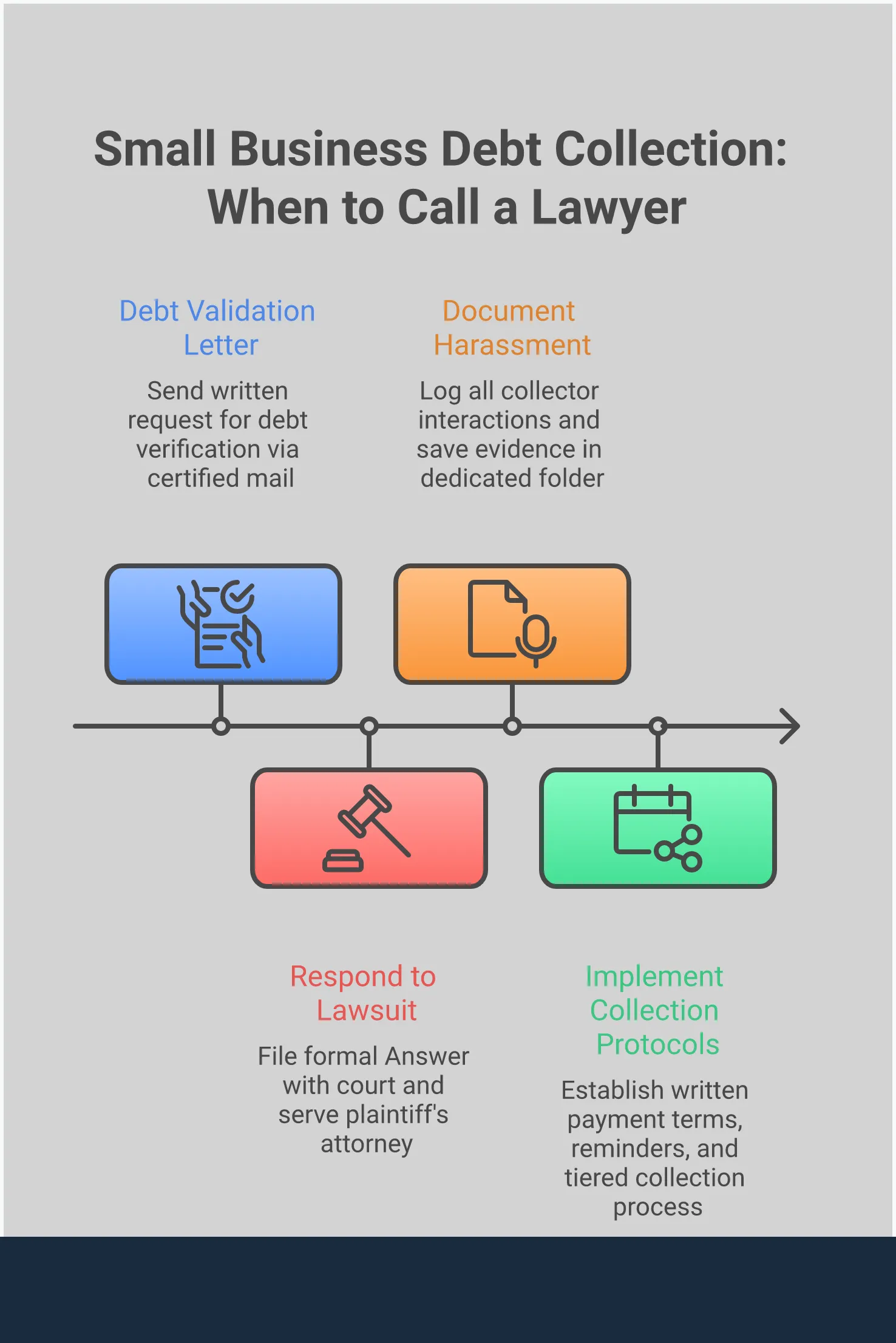
If you receive a collection notice, you don’t have to take the collector’s word for it. You have the right to validate and dispute any debt you believe is incorrect. Within 30 days of first being contacted, you can send the collection agency a written letter requesting verification of the debt. Once they receive your letter, they must stop all collection efforts until they provide you with proof, such as a copy of the original bill. This is a powerful tool that forces collectors to prove you actually owe the money and that the amount is accurate before they can continue pursuing payment.
What Happens If You’re Sued for Debt?
When a debt collector moves from making phone calls to filing a lawsuit, the situation has become much more serious. This isn’t just another collection attempt; it’s a formal legal action that requires your immediate attention. Receiving a court summons can feel intimidating, and it’s easy to want to push it aside and hope it disappears. However, ignoring a lawsuit is one of the most damaging mistakes you can make for your business’s financial future. This is the point where the legal system gets involved, and you must participate to protect your rights and your assets. Understanding the process and what’s at stake is the first step toward handling the situation effectively.
Understanding the Lawsuit Response Deadline
When you receive a lawsuit notice, often called a summons, it will include a strict deadline by which you must file a formal response with the court. This is not a suggestion—it is a legal command. Failing to respond in time tells the court that you do not contest the creditor’s claims. Many people make the mistake of ignoring these documents out of fear or uncertainty, but this inaction essentially hands the win to the other side. Responding to the lawsuit is your opportunity to tell your side of the story, dispute the debt amount, or present any defenses you may have. This is a critical moment where you should get professional guidance to ensure your response is filed correctly and on time.
The Consequences of a Default Judgment
If you miss the deadline to respond to the lawsuit, the court will likely issue a default judgment against you. This is a legally binding ruling in the creditor’s favor, made without hearing your side of the case. A default judgment gives the creditor powerful tools to collect the money they claim you owe. They can pursue wage garnishment, where a portion of your paycheck is sent directly to them, or a bank levy, which allows them to freeze your bank accounts and take funds. This can cripple your business’s cash flow and create a significant financial crisis. Securing proper legal representation is the best way to avoid a default judgment and protect your assets from these aggressive collection measures.
When Is It Time for Legal Help for Debt?
As a business owner, you’re used to wearing many hats, but the “legal expert” hat can be a tricky one to pull off. It’s tempting to try and handle everything yourself, especially when you’re worried about legal fees. However, some situations involving debt collection can quickly spiral out of control, putting your business at serious risk. Knowing when to pass the baton to a professional isn’t a sign of failure; it’s a smart strategic move. If you find yourself dealing with aggressive collectors, confusing legal notices, or simply a debt situation that feels too big to handle, it’s time to call in an expert.
An attorney does more than just offer advice. They can step in to manage all communication, interpret complex laws, and advocate for your best interests. This not only protects your company’s finances but also frees you up to focus on what you do best: running your business. Think of it as an investment in peace of mind and security. Whether you’re being pursued for a debt or trying to collect one, having a legal professional on your side ensures the process is handled correctly and that your rights are protected every step of the way. Exploring the different practice areas a firm covers can help you see the full scope of how they can support your business.
When Collector Behavior Crosses the Line
If you’re on the receiving end of debt collection efforts, there are firm rules about what collectors can and cannot do. When a collector crosses the line into harassment, it’s time to get a lawyer involved. This includes behavior like constant phone calls at all hours, threats of harm, or using profane language. Similarly, if they demand payment for debts you don’t recognize or refuse to provide validation for the debt, your rights may be violated. An attorney can put an immediate stop to these illegal practices and ensure you are treated fairly under the law. They will handle all communication with the collector, protecting you from further stress and intimidation.
If You’ve Received a Lawsuit or Legal Threat
Receiving a notice that a creditor is filing a lawsuit against you is one of the most serious escalations in the debt collection process. This is not something to ignore or handle alone. If you fail to respond to the lawsuit by the court’s deadline, the creditor can win a default judgment against you. This gives them the legal power to garnish your wages or seize business assets. An experienced attorney can help you file a formal response, represent you in court, and explore all possible defenses. Their involvement is critical to protecting your business from a potentially devastating legal outcome and gives you the best chance at a fair resolution.
If the Financial Stakes Are High
Not all debts are straightforward. If you’re dealing with a substantial amount of money or a situation with tangled legal threads, it’s wise to seek legal counsel. Complex scenarios might involve disputes over contract terms, questions about the statute of limitations, or multiple creditors. An attorney can help you make sense of the details and develop a clear strategy. They have the expertise to analyze contracts, verify the legitimacy of the debt, and negotiate on your behalf. Trying to manage a high-stakes or complicated debt issue without legal guidance can lead to costly mistakes and unfavorable agreements that could have been avoided.
When You’ve Hit a Dead End Negotiating
This works both ways. If you’re the one trying to collect a significant debt from a client and your invoices and follow-up calls are going unanswered, you might need legal support. When your own attempts to recover what you’re owed have failed, an attorney can take the next steps. They can send a formal demand letter, which often gets a faster response than a standard invoice. If necessary, they can advise you on the process of filing a lawsuit to recover the funds. Using a legal professional for creditor representation shows you are serious and can help you recover payments while you focus on your other clients.
Smart Moves to Safeguard Your Business
When you’re running a business, dealing with debt can feel overwhelming, whether you’re trying to collect what you’re owed or managing your own obligations. The best defense is a good offense. Taking a few proactive steps now can save you from major headaches, financial strain, and legal trouble down the road. It’s all about creating strong financial habits that protect your business’s health from the very beginning. These practices create a solid foundation, making it easier to handle any financial challenges that come your way.
Establish Clear Payment Policies
Your payment and credit policies are the foundation of your financial relationships. Before you do business with anyone, make sure your terms are crystal clear. This includes due dates, accepted payment methods, and any late fees. It’s also important to understand whether you’re dealing with commercial or consumer debt, as this distinction determines your legal rights and the collection methods you can use. Having these policies clearly defined and communicated upfront prevents misunderstandings and gives you a solid framework to fall back on if a payment becomes overdue. It sets professional expectations from day one.
Keep Detailed Records of Every Transaction
Good record-keeping is non-negotiable. It’s your business’s memory and your best evidence if a dispute arises. Keep detailed records of every transaction, including invoices, contracts, payment receipts, and all communications related to payments. As experts in collection communication advise, it’s vital to create comprehensive file notes that include call dates, who you spoke with, and what was discussed. This diligence isn’t just for tax season; it’s a crucial practice that provides the proof you need to validate a debt, challenge an incorrect claim, or support your case in any legal action. Think of it as building a fortress of facts around your business.
Have a Game Plan for Collector Calls
Whether you’re collecting a debt or being contacted by a collector, having a clear communication plan is key. Decide who on your team is authorized to discuss financial matters and train them to remain professional and calm. All communication should be documented. If you are the one trying to collect, remember that your approach can protect or damage your business relationships. Effective debt collection is about more than just getting paid; it’s about protecting your company’s financial stability and reputation. A consistent, professional protocol ensures you handle these sensitive conversations correctly and effectively every time.
Always Get Financial Agreements in Writing
A verbal agreement or a handshake might feel simpler in the moment, but it can lead to serious complications later. Always put financial agreements in writing. This applies to everything from sales contracts and service agreements to payment plans with customers or settlement terms with collectors. A written contract clearly outlines the obligations of all parties, leaving no room for misinterpretation. If you agree to a payment plan, for example, getting the plan in writing protects your business from misunderstandings or predatory practices. This simple step provides legal certainty and a clear reference point for everyone involved.
What Are Your Legal Options?
When you’re dealing with a difficult debt situation, it can feel like you’re out of options. The good news is, you have several paths you can take to resolve the issue and protect your business. Understanding these choices is the first step toward regaining control. Whether you’re trying to collect what you’re owed or you’re facing collection actions yourself, here are four key legal avenues to consider.
How to File a Formal Complaint
If you believe a debt collector is using unfair or harassing tactics, you don’t just have to put up with it. You have the right to file a formal complaint with federal regulators. The Consumer Financial Protection Bureau (CFPB) and the Federal Trade Commission (FTC) are the two main agencies that enforce the Fair Debt Collection Practices Act (FDCPA). They accept and investigate complaints about debt collectors who cross the line. This is a serious step that holds collectors accountable for their actions. You can learn more about your protections as a consumer and find out exactly how to submit your complaint on their websites.
Hiring a commercial debt collection attorney
Sometimes, your own efforts to collect a debt just aren’t enough. If the amount owed is substantial, the debtor is avoiding you, or you’re facing legal threats yourself, it’s probably time to bring in a professional. A commercial debt collection attorney can take over the process for you. They understand the legal system and can apply pressure in ways you can’t. This is especially important if you need help with creditor representation. An experienced lawyer can handle the complex parts of debt recovery, making sure your rights are protected and giving you the best chance of getting paid what you’re owed.
Is Mediation or Arbitration Right for You?
Not every dispute has to end in a courtroom battle. Mediation and arbitration are two forms of alternative dispute resolution that can be incredibly effective. These processes involve a neutral third party who helps both sides reach an agreement. It’s a more collaborative and less confrontational approach than litigation. This can be a huge advantage if you want to preserve a professional relationship with the other party, which is often the case in business disputes. It’s a practical way to find a middle ground and resolve the debt without the time and expense of a lawsuit.
How to Negotiate a Settlement or Payment Plan
Often, the most direct path to a resolution is a straightforward negotiation. You can work with the other party to agree on a settlement amount (a lump sum that’s less than the total debt) or a structured payment plan. This can be a win-win, as it provides a manageable solution for the debtor and ensures the creditor gets paid. The most important rule here is to get everything in writing. A verbal agreement is not enough. A written contract protects your business and makes the terms clear, preventing any future misunderstandings or predatory practices.
Alternative Debt Relief Options
If you’re feeling weighed down by debt, it’s important to know that you have options. There isn’t a one-size-fits-all solution, and the right path for you depends entirely on your unique financial picture. For some, a disciplined do-it-yourself approach is enough to get back on track. For others, working with a professional organization or exploring legal avenues provides the structure and protection needed for a fresh start. Understanding the different strategies available is the first step toward taking control of your finances and moving forward with confidence.
DIY Debt Payoff Strategies
For those with a manageable amount of debt and a steady income, a structured payoff plan can be incredibly effective. Two of the most popular methods are the debt snowball and the debt avalanche. The debt snowball method involves paying off your smallest debts first to gain psychological momentum. The debt avalanche method focuses on tackling debts with the highest interest rates first, which can save you money on interest over time. Choosing between them is a personal decision based on whether you’re motivated more by quick wins or long-term savings.
Credit Counseling and Debt Management Plans (DMPs)
If you need more structure than a DIY plan can offer, a non-profit credit counseling agency might be a good next step. These organizations can help you create a budget and may suggest a Debt Management Plan (DMP). With a DMP, you make a single monthly payment to the agency, and they distribute the funds to your creditors. Creditors might agree to lower your interest rates or waive fees, but this isn’t guaranteed. It’s a good idea to check with your creditors yourself to confirm they will work with the agency and agree to the proposed terms before you commit to a plan.
Debt Consolidation
Debt consolidation is the process of combining several debts into a single, larger loan, ideally with a lower interest rate. This simplifies your finances by leaving you with just one monthly payment to manage. A debt consolidation loan is a personal loan you use to pay off existing debts, but be cautious, as some may require you to use your home or car as collateral. A balance transfer credit card allows you to move high-interest credit card debt to a new card with a low or 0% introductory interest rate, giving you a window to pay down the principal without accumulating more interest.
Bankruptcy as a Legal Option
Sometimes, debt becomes so overwhelming that even the best-laid plans aren’t enough. In these situations, bankruptcy can be a powerful legal tool that provides a path to a fresh start. It is a serious decision with long-term consequences for your credit, but it can offer immediate relief from creditor harassment and lawsuits. The two main types for individuals are Chapter 7, which involves liquidating assets to pay off debts, and Chapter 13, which sets up a repayment plan. Because the process is complex, it’s wise to seek professional legal guidance. If you can’t afford a lawyer, you may be able to find free or lower-cost legal help to guide you.
Warnings About Debt Relief Scams
When you’re stressed about debt, you can become a target for scammers who promise a quick and easy fix. These predatory companies often charge high fees for services that they can’t actually deliver, leaving you in a worse financial position than when you started. They prey on feelings of desperation and hope, so it’s crucial to approach any offer of debt relief with a healthy dose of skepticism. Knowing the warning signs can help you protect yourself and your business from these deceptive practices and ensure you’re working toward a real solution, not falling for a false promise.
Common Red Flags of a Scam
Debt relief scams often sound too good to be true, because they are. Be on high alert if a company guarantees they can make your debt disappear or settle it for “pennies on the dollar.” No one can promise this, as creditors are never obligated to settle. Another major red flag is a demand for large upfront fees before any services are provided. Legitimate organizations will not do this. Also, be wary of any company that tells you to stop communicating with your creditors. This is terrible advice that can lead to lawsuits and default judgments against you. If it feels like a high-pressure sales pitch, it’s best to walk away.
The Risks of For-Profit Debt Negotiation Programs
For-profit debt settlement or negotiation programs can be incredibly risky. These companies often encourage you to stop paying your creditors and instead pay into a savings account from which they will attempt to negotiate settlements. In the meantime, your credit score can plummet due to missed payments, and you’ll likely rack up late fees and penalties. There is no guarantee your creditors will agree to negotiate, and they can still sue you for the full amount owed. These programs also charge significant fees, which can eat up a large portion of your savings, leaving you with less money to actually pay off your debt.
The Truth About Credit Repair Scams
You’ve probably seen ads for companies that promise to “clean up” your credit report for a fee. The reality is that these services are almost always a scam. No one can legally remove accurate negative information from your credit report. Information like late payments, defaults, and bankruptcies will remain on your report for seven to ten years. The only thing that can improve a credit report is time and a consistent history of on-time payments. You can dispute inaccurate information on your own for free, so there is no reason to pay a company to do something you can handle yourself.
How to Choose the Right Legal Partner
Choosing a lawyer can feel like a monumental task, especially when you’re already stressed about debt collection. But finding the right legal partner is one of the most important steps you can take to protect your business. Think of it less as just hiring someone and more as finding an advocate who understands your situation and is committed to helping you through it. The right attorney will not only offer legal advice but also provide peace of mind.
What Makes a Good Debt Collection Attorney?
When you start your search, focus on finding an attorney with specific experience in creditor representation and debt collection. This area of law has its own set of rules, and you want someone who knows them inside and out. Make sure any lawyer you consider is licensed to practice in your state and has a solid understanding of federal laws like the Fair Debt Collection Practices Act (FDCPA).
Beyond credentials, look for a professional whose approach feels right for you. You’re looking for a partner who will listen to your concerns and treat your business with respect. A good way to get a feel for an attorney’s philosophy is to read about their background and values. Finding someone who is transparent about their process and fees from the very beginning is a strong indicator of a trustworthy partner.
Questions to Ask Before You Hire an Attorney
Your initial consultation is your opportunity to interview a potential attorney. Don’t be shy about asking direct questions to make sure they’re the right fit. This conversation will help you gauge their expertise and determine if you can build a good working relationship.
Come prepared with a few key questions, such as:
- What is your experience with cases similar to mine?
- What is your general approach to handling debt collection for small businesses?
- Based on my situation, what are some initial strategies you might recommend?
- How will you communicate with me and keep me updated on my case?
The answers to these questions will give you a clear sense of their legal style and whether it aligns with your needs. When you’re ready to have this conversation, you can schedule a consultation to get the process started.
Making Sense of Attorney Fees
Talking about money can be uncomfortable, but it’s essential. A reputable attorney will be upfront and transparent about their fee structure. Be cautious of anyone who promises a specific outcome or asks for a large payment before they’ve even started working on your case.
Ask for a clear explanation of how they charge for their services, whether it’s an hourly rate, a flat fee, or another arrangement. It’s crucial to understand what is included and what might be an additional cost down the line. Always ask for a written fee agreement before moving forward. This document protects both you and the attorney by clearly outlining the financial terms of your partnership, ensuring there are no surprises.
The Dangers of Using Non-Lawyer Assistance
When you’re trying to cut costs, it can be tempting to accept help from a well-meaning friend or use a cheap document preparation service instead of hiring an attorney. However, this can be a risky move. Legal matters, especially those involving debt and finances, are complex and full of potential pitfalls. Someone without the right training might not understand the nuances of the law, which could lead to critical errors in paperwork or missed deadlines. As the U.S. Bankruptcy Court warns, this kind of informal help can result in your case being completely thrown out, leaving you in a worse position than when you started. Investing in professional legal advice ensures that your case is handled correctly from the beginning.
Finding Free and Low-Cost Legal Resources
While hiring an attorney is a crucial investment, the cost can be a real concern for a small business owner already facing financial strain. The good news is that you don’t have to handle this alone, even if your budget is tight. There are many reputable organizations and programs designed to connect people with affordable legal support. These resources can provide guidance, help you understand your options, and ensure your rights are protected without adding a huge financial burden. Knowing where to look is the first step toward getting the qualified help you need to move forward with confidence.
Legal Aid Organizations
Legal aid societies are non-profit organizations that offer free or low-cost legal services to eligible individuals. These groups are often funded by grants and donations, including support from the Legal Services Corporation (LSC), a government-sponsored organization dedicated to ensuring equal access to justice. While they typically focus on low-income individuals, some small business owners or sole proprietors facing significant financial hardship may qualify for assistance with civil matters like debt collection defense. These organizations are staffed by qualified attorneys who can provide expert advice and representation, making them a valuable resource if you’re in a tough financial spot.
Bar Association Referral Services
If you don’t qualify for legal aid, your local or state bar association is an excellent next stop. Most bar associations run lawyer referral services that can connect you with a qualified, pre-screened attorney in your area who specializes in your specific legal issue. Often, these services offer an initial consultation at a reduced, flat fee, allowing you to discuss your case and get professional advice without a major financial commitment. This is a great way to understand your legal standing and decide on your next steps. You can find a lawyer through The Missouri Bar to ensure you’re connecting with a reputable professional.
Free Legal Clinics
Many communities, law schools, and courts host free legal clinics where you can get advice from volunteer attorneys and law students. These clinics often focus on specific areas of law, such as bankruptcy, housing, or family law, and can be a fantastic resource for getting answers to specific questions. While they may not be able to take on your entire case, they can provide crucial guidance on how to fill out forms, respond to a notice, or understand a legal process. Check the website for your local court or nearby law schools to see if they offer clinics that could help with your situation.
Ready to Take Action? Start Here.
Feeling overwhelmed by a debt situation is completely normal, but you can regain control by taking a few focused, practical steps. Moving forward starts with getting organized and understanding your position. Here’s where to begin.
Get Your Paperwork in Order
Before you can make any decisions, you need all the facts in front of you. Start by collecting every piece of paper and digital file related to the debt. This includes contracts, invoices, purchase orders, emails, and any written correspondence. It’s also vital to keep comprehensive notes on all your communications. After every phone call, immediately write down the date, who you spoke with, and a summary of what was discussed. This detailed record-keeping is a crucial part of building a strong case for any of our practice areas.
Take an Honest Look at Your Finances
Next, it’s time to look at the numbers. Create a straightforward list of all your business debts, including loans, credit card balances, and any money you owe suppliers. For each debt, note the total amount, the interest rate, and the monthly payment. Sorting them can help you see which debts are the most urgent and where your money is going. This financial snapshot isn’t just about seeing what you owe; it’s about understanding your complete financial health so you can make informed decisions. Once you have this organized, it’s easier to see a path forward and contact a professional for guidance.
Is It Time to Ask for legal help
Sometimes, your best efforts aren’t enough. If your own attempts to collect a debt have failed, if the amount is substantial, or if a debtor is simply avoiding all contact, it may be time to bring in legal help. On the other hand, if a collector has filed a lawsuit against you, it is critical to respond by the date specified in the court papers to protect your rights. Don’t wait for the situation to escalate. Seeking legal advice isn’t admitting defeat; it’s a strategic move to protect your business. A consultation with an experienced attorney like Chad G. Mann can clarify your options and provide a clear plan.
Related Articles
- Choosing the Right Missouri Collection Agency: A Business Owner’s Guide
- Commercial Debt Settlement: Hiring an Attorney
- Commercial Collection Attorney: The 2025 Guide
- Your Guide to Hiring a Commercial Debt Collection Attorney
Frequently Asked Questions
How can I tell if a debt collector’s actions are just persistent or actually illegal harassment? There’s a clear difference between persistence and harassment. A collector can contact you to discuss a debt, but they cross a legal line when they use abusive language, threaten you with harm, or call you repeatedly at unreasonable hours, like before 8 a.m. or after 9 p.m. The Fair Debt Collection Practices Act (FDCPA) sets these rules to protect you from intimidation and unfair treatment. If their behavior feels threatening or abusive, it probably is.
I just received a letter threatening a lawsuit over a debt. Can I just ignore it? Absolutely not. Ignoring a legal threat or a lawsuit notice is one of the riskiest things you can do. If you fail to respond to a lawsuit by the court’s deadline, the creditor can win a default judgment against you. This gives them the legal authority to take more aggressive actions, like seizing business assets. This is a critical moment to seek professional legal advice to understand your options and file a proper response.
What’s the first thing I should do if a collector contacts me about a debt I don’t think I owe? Your first step should be to formally request debt validation in writing. You have a right to ask the collection agency to provide proof that you actually owe the money and that the amount is correct. Once they receive your written request, they must pause all collection efforts until they send you verification. This simple action protects you from paying for a mistake and forces the collector to prove their claim.
My own attempts to collect from a client have failed. Is it worth hiring a lawyer for this? When your invoices and follow-up calls are being ignored, bringing in a lawyer can be a very smart business move. A formal demand letter from an attorney often gets a much faster response because it shows you are serious about recovering the payment. If that doesn’t work, a lawyer can guide you through the legal process to get what you’re owed, freeing you up to focus on running your business instead of chasing down payments.
Why is it so important to get payment plans or settlements in writing? A verbal agreement is easily forgotten or misinterpreted. A written contract creates a clear, legally enforceable record of the terms you’ve both agreed to. It outlines the exact payment amounts, due dates, and what happens if a payment is missed. This simple step protects your business from future disputes and ensures everyone is on the same page, providing security and clarity for both parties.