

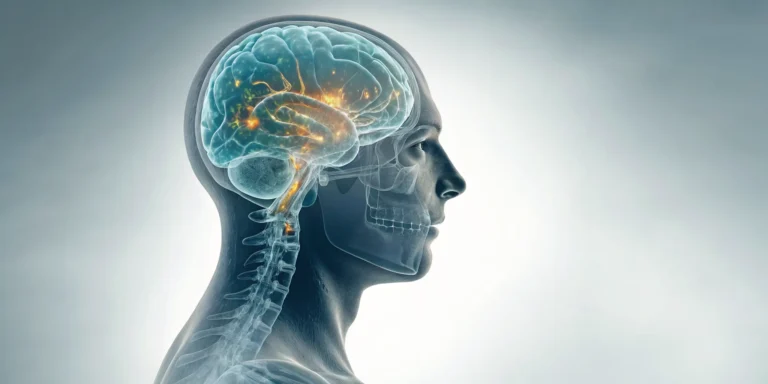
It’s a dangerous myth that you need a massive blow to the head to get a brain injury. The truth is, even a minor fender bender or a simple fall can cause a closed brain injury when the brain hits the inside of the skull. Because there’s no open wound, the symptoms can be subtle and show up later, causing people to wait too long for medical care. These hidden injuries can seriously affect your ability to think and work. Here, we’ll give you the straightforward facts on the causes, symptoms, and long-term effects of these misunderstood injuries.
Key Takeaways
- Don’t ignore a head impact, even if you feel fine initially. A closed brain injury is internal and often has delayed symptoms, so getting a medical evaluation is the only way to understand the full extent of the damage and protect your health.
- Understand that serious brain injuries can result from common accidents. Car crashes, falls, and sports impacts are leading causes, and the resulting cognitive and emotional changes can have a lasting impact on your life and ability to work.
- Protect your future by documenting your injury and seeking legal advice. A prompt medical diagnosis provides crucial evidence for a personal injury claim, which can help you secure the financial resources needed for long-term medical care, therapy, and lost income.
What Is a Closed Brain Injury?
When you hear the term “brain injury,” you might picture a visible wound, but that’s not always the case. A closed brain injury is a type of trauma where the brain is injured, but the skull remains intact. Think of it like shaking an egg: the shell doesn’t crack, but the yolk inside can get damaged. This happens when a sudden, forceful impact, like the jolt from a car crash or a slip and fall, causes your brain to move violently within your skull. The brain can collide with the hard bone, leading to bruising, bleeding, and the tearing of delicate nerve fibers.
These injuries are often called “invisible” because there are no outward signs of damage to the head itself. This makes them particularly deceptive and dangerous. Someone might walk away from an accident feeling a little dazed but otherwise fine, not realizing the serious injury that has occurred internally. Because the skull doesn’t break, pressure can build up inside as the brain swells or bleeds. This pressure can cause significant, sometimes permanent, damage if not treated promptly. Understanding the nature of these injuries is the first step in recognizing their seriousness. It’s why seeking a full medical evaluation after any type of head impact is critical, even if you feel okay. Getting the right diagnosis is essential for your health and for protecting your rights if you need to pursue a personal injury claim.
Open vs. Closed: What’s the Difference?
The key difference between an open and a closed brain injury lies in the skull. In a closed brain injury, the skull is not broken or penetrated. The injury is caused by the brain striking the inside of the skull, which often happens from the rapid acceleration and deceleration in a car accident or a bad fall. An open brain injury, on the other hand, is when an object actually breaks through the skull and enters the brain tissue. Both are incredibly serious, but closed injuries can be harder to diagnose initially because there’s no obvious external wound.
From Concussions to Contusions: Common Injury Types
Closed brain injuries come in several forms, and some are more common than others. A concussion is the most well-known type, causing a temporary disruption in brain function. A more severe injury is a cerebral contusion, which is essentially a bruise on the brain tissue itself. An intracranial hematoma involves a broken blood vessel that causes blood to pool around the brain, creating dangerous pressure. One of the most serious types is a diffuse axonal injury, where the brain’s long connecting nerve fibers are torn. This type of injury is frequently seen in serious automobile accidents and can have devastating, long-term consequences.
The Danger of Internal Swelling
One of the most critical risks of a closed brain injury is internal swelling. When your head is jolted in an accident, your brain can slam against the hard, bony surface of your skull. This impact causes bruising and bleeding inside, but because the skull is a fixed, enclosed space, there’s nowhere for the swelling to go. As pressure builds, it can restrict blood flow to brain tissue, leading to secondary damage that is often more severe than the initial impact. This is why a seemingly minor bump can have major consequences if it’s not properly evaluated by a medical professional.
What makes this situation so deceptive is that the symptoms of brain swelling can be delayed, sometimes for days or even weeks after the accident. You might walk away from a car crash feeling shaken but otherwise okay, only to develop headaches, confusion, or dizziness later on. This delay can lead people to underestimate the severity of their injury, which can be a dangerous mistake. Seeking an immediate medical evaluation after any impact to the head is the only way to be sure. It not only protects your health but also creates a crucial medical record if you later need to file a personal injury claim to cover your care.
The Reality of Brain Injuries: A Look at the Numbers
Brain Injuries in Children and Young Adults
It’s a tough reality to face, but children and young adults are especially vulnerable to closed brain injuries. In fact, these injuries are the most common reason for physical disability and cognitive challenges among young people. You might be surprised to learn that falls are a major culprit, causing over a third of all brain injuries in the U.S. This is particularly true for the very young, from infants to four-year-olds, and for older adults over 75. A simple tumble on the playground or a fall from a bicycle can have consequences that aren’t immediately obvious, making it crucial for parents and caregivers to be vigilant after any head impact, no matter how minor it seems.
Common Causes by the Numbers
The numbers surrounding closed brain injuries are staggering and highlight just how common they are. Each year in the United States, around 1.7 million people sustain a brain injury, and about 75% of those are closed-head injuries. The leading causes are events many of us experience or witness: motor vehicle crashes and falls. For children, these injuries are tragically the most common cause of death from an accident. Beyond the immediate physical trauma, the long-term effects can be profound. More than half of all individuals who suffer a traumatic brain injury will go on to develop mental health issues, a hidden consequence that can affect their quality of life for years to come.
What Causes a Closed Brain Injury?
A closed brain injury happens when a sudden, forceful impact or jolt damages the brain, but no object breaks through the skull. Think of it like shaking an egg: the shell stays intact, but the yolk inside can be damaged. These injuries are surprisingly common and can result from a wide range of everyday activities and accidents. Understanding the most frequent causes is the first step in recognizing the risks and knowing when to seek help if an injury occurs. From car crashes to simple falls, the events that lead to a closed brain injury can happen to anyone, anywhere.
How Vehicle Accidents Lead to Brain Injuries
Vehicle collisions are a leading cause of closed brain injuries. The intense, rapid back-and-forth motion during a crash can cause the brain to strike the inside of the skull, leading to bruising, swelling, or more severe damage. This can happen even in what seems like a minor fender bender, as the force is often greater than you’d expect. Whether you are a driver, passenger, or motorcyclist, the risk is significant. If you or a loved one has suffered a head injury from a collision, understanding your rights is a critical part of the recovery process. Seeking guidance on how to handle the aftermath of an automobile accident can provide clarity during a confusing time.
The Hidden Dangers of Everyday Falls
You don’t have to be in a high-speed crash to sustain a serious brain injury. Falls are the second most common cause, and they can happen anywhere: a slippery floor at the grocery store, an uneven sidewalk, or a poorly lit staircase. For older adults, falls are a particularly high risk. When a property owner’s negligence leads to such an accident, it falls under an area of law known as premises liability. The impact of hitting your head on a hard surface can be severe, and it’s important to take any head trauma from a fall seriously, even if you feel fine at first.
The Risks in Sports and Recreational Activities
Participating in sports is a great way to stay active, but it comes with risks. Contact sports like football, hockey, and soccer are common sources of concussions, a type of mild traumatic brain injury. Even non-contact activities like cycling or skateboarding can lead to head injuries if a fall occurs. While a single concussion needs time to heal, repeated mild injuries can cause long-term problems. Following safety protocols and using proper protective gear is essential for athletes of all ages. Recognizing the signs of a concussion and getting proper medical attention is key to preventing more serious complications down the road.
When Accidents Happen at Work
Certain occupations, especially those in construction, manufacturing, or transportation, carry a higher risk of head injuries. A fall from a ladder, being struck by a falling object, or a vehicle-related incident on a job site can all result in a closed brain injury. When an injury happens at work, the situation can become complicated, often involving workers’ compensation claims. Working through this process while trying to recover can be overwhelming. If you’ve been injured on the job, it’s important to understand your rights and the steps you need to take to protect your health and financial stability. Don’t hesitate to contact a legal professional for guidance.
Recognizing the Signs of a Closed Brain Injury
After an accident, it’s easy to focus on visible injuries like cuts or broken bones. A closed brain injury, however, is an internal injury, and its symptoms aren’t always obvious right away. The signs can be subtle and may not appear for hours, days, or even weeks after the initial impact. This delay can make it difficult to connect the symptoms back to the accident, which is why awareness is so important for anyone involved in a car crash, a fall, or any other incident involving a blow to the head.
Understanding what to look for is the first step in getting the right help. The symptoms of a closed brain injury fall into a few main categories: physical, cognitive, and emotional. Sometimes a person might seem fine at the scene of the accident, only to develop serious issues later as the brain swells or bleeding occurs. Paying close attention to any changes, no matter how small they seem, is critical for a proper diagnosis and recovery. If you or a loved one experiences any of these symptoms after an accident, seeking medical attention is the most important first step. It ensures you get the care you need and creates a medical record that can be vital later on if you need to pursue a personal injury claim.
What Physical Symptoms Appear First?
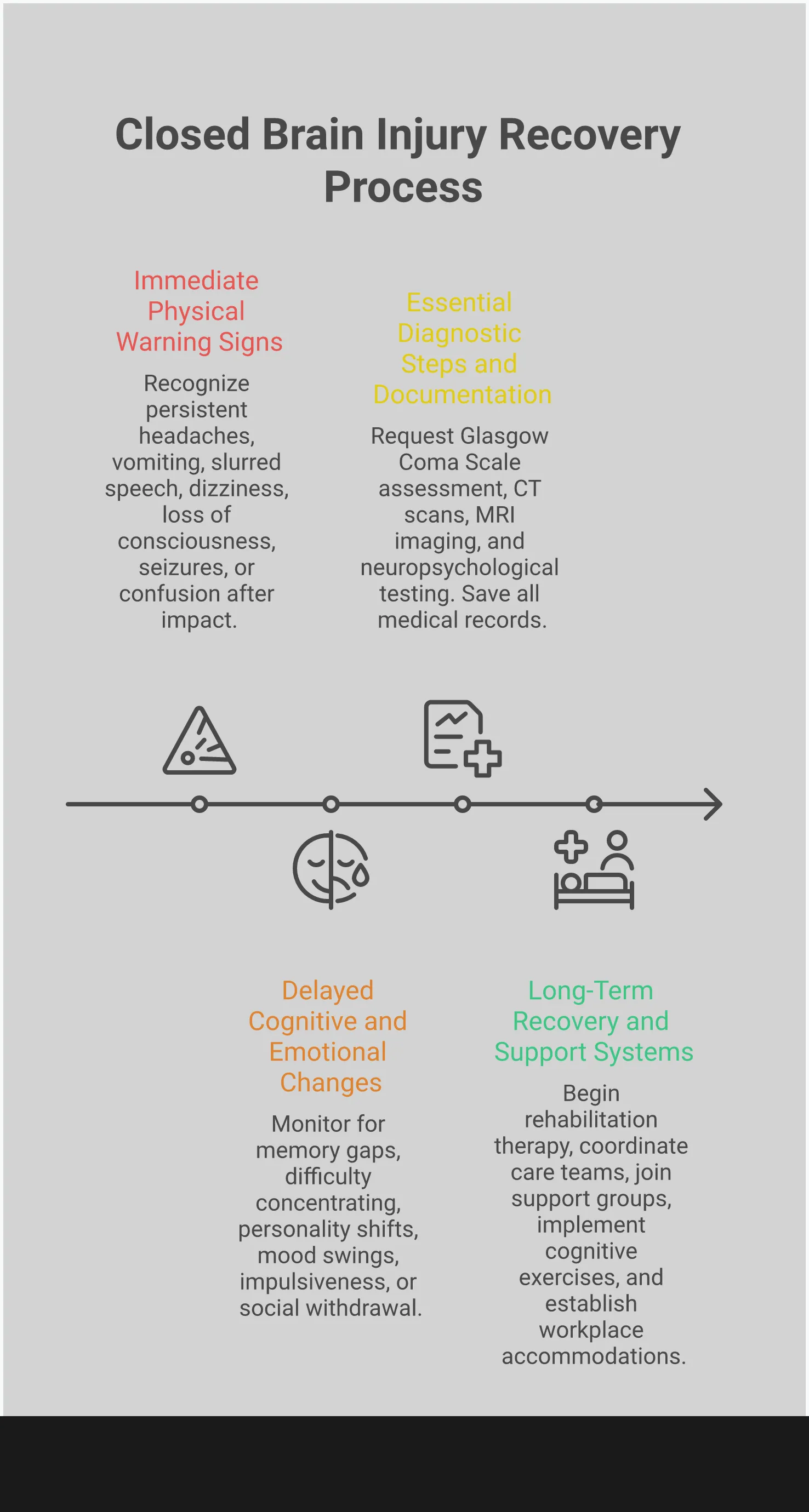
Some physical signs of a brain injury can show up soon after the incident. A persistent headache, dizziness, or feeling sick to your stomach are common early indicators. You might also notice nausea, vomiting, or slurred speech. While these symptoms can sometimes be dismissed as just feeling shaken up, they can also point to swelling in the brain.
More severe injuries can cause alarming symptoms like seizures, convulsions, or a loss of consciousness, even for a moment. Any of these signs require immediate medical evaluation. It’s important to remember that even a seemingly minor accident can have serious consequences, so never ignore new physical symptoms that appear after a head impact.
Sensory and Vision Changes
A closed brain injury can also disrupt your senses in ways you might not expect. You could experience blurred vision, see “stars,” or find that your eyes are suddenly sensitive to light. It’s also common to hear a persistent ringing in your ears, a condition known as tinnitus. Some people report a strange, bitter taste in their mouth or a change in their sense of smell. Because these symptoms can seem unrelated to a head impact, they are often dismissed. However, these sensory changes are important clues that your brain is struggling to process information correctly after an injury. Documenting every new or unusual symptom is crucial for your doctor and for your own records.
Severe Warning Signs
While many symptoms of a closed brain injury are subtle, some are unmistakable signs of a medical emergency. If you or someone you know loses consciousness, even for a few seconds, it requires immediate medical attention. The same is true for seizures or convulsions. Other critical warning signs include one pupil being larger than the other, clear fluids draining from the nose or ears, or an inability to wake up from sleep. These symptoms can indicate a very serious injury, such as significant brain swelling or bleeding, that requires urgent care. Do not wait to see if these symptoms improve; go to the nearest emergency room or call 911 right away.
Noticing Shifts in Mood and Thinking
A closed brain injury doesn’t just affect the body; it can significantly alter a person’s thoughts and emotions. You might notice personality changes, sudden mood swings, or uncharacteristic impulsiveness. Some people struggle with a lack of motivation or find it hard to interact in social situations, especially if the frontal lobe of the brain was damaged.
These shifts can be incredibly challenging for everyone involved. The injured person may feel a lower sense of self-worth or experience depression, particularly if their injury makes it difficult to return to their normal routine. Recognizing these behavioral and emotional changes as part of the injury is a key part of the recovery process for both the individual and their family.
Delayed Symptoms: What Might Appear Later
One of the most confusing aspects of a closed brain injury is that some symptoms take time to develop. You might feel fine immediately after an accident, only to notice issues weeks later. Some people develop post-concussion syndrome, a condition where they don’t feel quite like they did before the injury and may experience a new set of symptoms.
It’s also very common for mental health issues to arise following a traumatic brain injury. In fact, research shows that more than half of people who sustain a TBI will face mental health challenges. This is why it’s so important to monitor your well-being long after an accident and to speak with a doctor about any new or lingering symptoms.
Symptoms to Watch for in Children
It’s especially tough to spot a brain injury in young children because they often can’t explain how they feel. Instead of complaining about a headache, they might show their discomfort in other ways. Parents and caregivers should watch for changes in eating or nursing habits, unusual irritability, or crying that you can’t seem to soothe. You might also notice shifts in their sleep patterns, a sudden loss of interest in their favorite toys, or appearing unusually drowsy. Because a child’s brain is still developing, the long-term effects of an injury can be significant. If you notice any of these unusual symptoms after a fall or accident, it’s important to trust your instincts and get them checked out by a doctor right away.
How Do Doctors Diagnose a Closed Brain Injury?
Figuring out the extent of a closed brain injury isn’t a single-step process. Doctors use a combination of methods to understand what’s happening inside the skull, from physical exams to high-tech imaging. This careful diagnostic process is essential not only for creating an effective treatment plan but also for documenting the injury’s severity. This documentation becomes incredibly important if you need to file a personal injury claim to cover medical bills and other losses. A thorough diagnosis helps connect the injury directly to the accident, which is a critical part of any case.
The diagnostic journey usually starts the moment a patient receives medical attention and can continue for weeks or even months. Each test provides a different piece of the puzzle, helping medical professionals build a complete picture of the injury, its immediate effects, and the potential long-term outlook. Understanding these steps can help you and your family feel more prepared as you work with your medical team.
What to Expect at Your First Medical Exam
When a person is first evaluated for a potential head injury, doctors often start with the Glasgow Coma Scale (GCS). This isn’t a complicated test but a straightforward way to check a person’s basic functions. A medical professional will assess three things: eye movement, speech, and physical movements. They assign a score based on the responses. A high score (up to 15) suggests a milder injury, while a low score (below 8) indicates a more severe one. This initial assessment gives doctors a quick, critical snapshot of the brain’s condition right after the incident.
Understanding the Glasgow Coma Scale
The Glasgow Coma Scale might sound technical, but it’s really just a structured way for doctors to measure a person’s level of consciousness. They look at three key areas. First is your eye response: do your eyes open on their own, or only when someone speaks to you or applies pressure? Next is your verbal response: are you able to talk and make sense, or are you confused or only making sounds? Finally, they check your motor response: can you follow simple commands like “squeeze my hand,” or do you only move in response to pain? Each response gets a score, and the total number helps classify the injury’s severity. This score provides a crucial baseline that helps medical teams make immediate treatment decisions and is a key piece of evidence in a personal injury case.
Using Brain Scans to See the Full Picture
To see what’s happening inside the brain, doctors rely on imaging tests. A CT (computed tomography) scan is often the first choice in an emergency because it’s fast and effective at showing major problems like brain swelling, bleeding, or skull fractures. These are common concerns following a serious automobile accident. For a more detailed look, a doctor might order an MRI (magnetic resonance imaging). An MRI can reveal subtle injuries that a CT scan might miss, such as damage to nerve fibers or issues with blood flow, providing a much clearer picture of the brain’s tissue.
When Advanced Diagnostics Are Needed
Sometimes, even after a physical exam and imaging, doctors need more information to fully understand an injury. In these cases, they may turn to advanced diagnostic tools. This can include looking for specific proteins, known as biomarkers, in a person’s blood or spinal fluid. Elevated levels of certain proteins, like the tau protein, can be a sign of nerve damage. These tests not only help confirm a diagnosis but can also give doctors insight into the injury’s severity and help predict the path to recovery. This detailed medical evidence is crucial for both treatment and legal proceedings.
Your Path to Recovery: Treatment Options
After a closed brain injury, the path to recovery can look different for everyone. It often involves several stages of medical care, from emergency treatment to long-term therapy. Understanding these options can help you and your family feel more prepared for the road ahead. The focus is always on stabilizing the injury, preventing further damage, and helping you regain as much function as possible. Here’s a look at the typical treatment journey, from the initial moments in the hospital to the ongoing process of rehabilitation.
The Importance of Immediate Medical Care
When you arrive at the hospital after an automobile accident, the medical team’s first priority is to stabilize your condition. They will immediately check to make sure you can breathe, have enough oxygen, and that your blood pressure is stable. Because neck injuries often happen at the same time as head injuries, they will likely immobilize your neck as a precaution. For more severe injuries, doctors may need to monitor the pressure inside your skull, known as intracranial pressure. This helps ensure your brain is getting enough blood flow, which is critical for healing. This initial care is the foundation for your entire recovery process.
When Is Surgery Necessary?
In some situations, surgery becomes a necessary step to address the damage from a closed brain injury. Doctors may need to operate to remove large blood clots that have formed or to relieve dangerous pressure building up inside the skull. One procedure, called a decompressive craniectomy, involves temporarily removing a piece of the skull to give the brain space to swell safely. The timing of this surgery is often critical, and it tends to be most effective when performed soon after the injury. These are serious decisions, but they are made with the goal of giving the brain the best possible chance to heal.
Medications That Can Aid Recovery
Medication plays a crucial role in managing the effects of a closed brain injury, addressing both physical and cognitive challenges. Initially, treatment often focuses on pain management and preventing secondary issues. For example, doctors may prescribe blood thinners a few days after the injury to reduce the risk of dangerous blood clots forming. As recovery progresses, the focus may shift to cognitive healing. To help with issues like poor concentration and mental fatigue, doctors sometimes use psychostimulants like methylphenidate. Research has shown that these medications can improve attention and how quickly the brain processes information, helping individuals feel more like themselves as they work through rehabilitation. This comprehensive approach to medication is a key part of a long-term recovery plan.
Rebuilding with Rehabilitation and Therapy
Recovery from a closed brain injury doesn’t end when you leave the hospital. Long-term rehabilitation is essential for regaining skills and independence. This process usually involves a team of specialists, including physical and occupational therapists, who work together to create a personalized plan. Therapy focuses on improving everything from cognitive functions like memory and attention to physical movement and coordination. The goal is to help you get back to your daily life. Starting rehabilitation early can make a significant difference, and having a strong advocate can help ensure you have the resources for this critical care. You can learn more by speaking with a legal professional about your case.
Cognitive Rehabilitation Therapy
Cognitive rehabilitation is a specialized therapy designed to help you rebuild the mental skills affected by a brain injury. This isn’t about relearning everything from scratch; it’s about finding new ways to manage daily tasks. A therapist will work with you to create a personalized plan that targets specific challenges, whether it’s improving your memory, sharpening your focus, or strengthening your problem-solving abilities. The ultimate goal is to help you regain as much independence as possible and confidently return to your life. This therapy is a cornerstone of long-term recovery, providing practical strategies that can make a real difference in your day-to-day routine.
Lifestyle Adjustments for a Healthy Recovery
Beyond formal therapy, your daily habits play a huge role in how well you recover. Creating a structured, predictable routine can help reduce mental strain and make your days feel more manageable. It’s also essential to pay close attention to your emotional well-being. It is very common for mental health issues like anxiety or depression to surface after a TBI; in fact, research shows more than half of people who sustain one will face these challenges. Don’t be afraid to talk to your doctor or a mental health professional about what you’re experiencing. Acknowledging these changes is a sign of strength and a critical step toward a holistic recovery.
The Role of Mental and Physical Rest
Rest is one of the most important, yet often overlooked, components of healing from a brain injury. This means more than just getting enough sleep; it also involves giving your brain a break from demanding tasks. In the early stages of recovery, your brain is working overtime to heal, and things like reading, screen time, or even long conversations can be exhausting. Pushing yourself too hard can slow down your progress and worsen your symptoms. Think of rest as an active part of your treatment plan. It gives your brain the time and space it needs to stabilize and prevent further damage, laying the groundwork for a stronger recovery.
Activities to Approach with Caution
As you start to feel better, you’ll naturally want to get back to your normal activities, but it’s important to do so carefully. Your doctor will give you specific guidance, but generally, you should ease back into things gradually. This is especially true for activities that carry a risk of another head impact, like contact sports. It’s also wise to be cautious with cognitively demanding tasks, such as returning to work or driving, until you’re cleared by your medical team. Following safety protocols and listening to your body are key. Recognizing your limits and giving yourself permission to take it slow is not a setback—it’s a smart strategy for preventing complications and ensuring a lasting recovery.
What Are the Long-Term Effects of a Brain Injury?
A closed brain injury can affect your life long after the initial accident. While some people recover fully, many face challenges that can change how they think, feel, and interact with the world. The path to recovery is different for everyone, and it’s important to understand that these lasting effects are a real and direct result of the injury. They can impact your ability to work, your relationships with family and friends, and your overall quality of life.
These long-term changes aren’t always visible to others, which can make the experience feel isolating. You might look fine on the outside while struggling with significant internal changes. Recognizing these potential long-term impacts is the first step in getting the right support, both medically and legally. Understanding what you might be facing can help you and your loved ones prepare for the road ahead and ensure you have the resources you need for the best possible outcome.
How Brain Injuries Affect Memory and Thinking
After a closed brain injury, you might find it harder to process information, concentrate, or remember new things. These cognitive issues can be frustrating and can affect daily tasks you once did with ease. For some, memory loss right after the accident, known as post-traumatic amnesia, can be an indicator of future challenges. The longer this period of amnesia lasts, the more likely a person is to experience lasting difficulties with thinking and reasoning. These challenges can make returning to work or school feel overwhelming, but with the right therapy and support systems, you can learn strategies to manage them.
Understanding Emotional and Behavioral Changes
One of the most difficult long-term impacts of a brain injury can be the changes to your personality and emotions. It’s common for people to experience mood swings, feel more impulsive, or struggle with a lack of motivation. These shifts often happen when the front part of the brain is damaged. For family and friends, these changes can be confusing and upsetting. It’s crucial to remember that these new behaviors are not a choice but a symptom of the injury itself. Patience, understanding, and professional counseling can make a significant difference for both the individual and their loved ones.
Managing Lasting Physical Symptoms
The physical effects of a closed brain injury can linger for months or even years. Some people develop post-concussive syndrome, a condition where symptoms like headaches, dizziness, and fatigue persist long after the injury was expected to heal. Beyond the physical pain, the emotional toll can be immense. Many people feel a lower sense of self-worth and may develop depression or anxiety as they struggle to adjust to their new reality. When these challenges prevent you from living your life as you once did, it’s important to understand all of your options for support. Exploring different practice areas can help you see how the law can protect you.
How Brain Injuries Impact a Child’s Development
When a child suffers a brain injury, the consequences can be especially severe because their brain is still a work in progress. An injury can disrupt critical stages of child development, and the full extent of the damage may not be apparent for years. A child might seem to recover quickly from a fall or a car accident, but as they grow, they may struggle to meet developmental milestones that their peers reach with ease. Research shows that children under eight years old are particularly vulnerable and more likely to face long-term thinking problems after an injury. The initial injury can set off a chain reaction, affecting their ability to learn, form relationships, and regulate their emotions as they move through childhood and into their teenage years.
Long-Term Complications to Be Aware Of
The long-term effects of a childhood brain injury can touch every part of their life. Cognitively, a child may struggle with memory, attention, and problem-solving, which can lead to significant challenges in school. Emotionally, you might notice personality changes, mood swings, or difficulty with impulse control. It’s not uncommon for mental health issues to develop, as more than half of people who sustain a traumatic brain injury face these challenges. Physically, a child might suffer from persistent headaches, dizziness, and fatigue associated with post-concussive syndrome. These combined issues can make it difficult for a child to socialize, participate in activities, and simply enjoy being a kid, requiring long-term support and understanding from everyone around them.
Protecting Your Rights After a Brain Injury
After a serious injury, the last thing you want to think about is a legal battle. But taking steps to protect your rights is a critical part of your recovery. The financial strain from medical bills and time away from work can be overwhelming, and you shouldn’t have to carry that burden alone if someone else’s carelessness caused your injury. Understanding your legal options can provide the financial stability you need to focus completely on getting better.
An experienced personal injury attorney can handle the complex legal work for you. They will gather evidence, speak with insurance companies, and build a strong case on your behalf. This allows you to put your energy where it matters most: your health and your family. Navigating the legal system can be complicated, but with the right advocate, you can confidently pursue the justice you deserve. The goal is to secure the resources necessary for your long-term well-being, covering everything from immediate medical care to future rehabilitation needs. Exploring your practice areas of concern with a legal professional is a strong first step.
How to Prove Fault After an Accident
To hold someone accountable for your injury, you generally need to prove they were negligent. In legal terms, this means showing that the person had a responsibility to act with reasonable care, but they failed to do so, and their failure directly caused your injury. For example, every driver has a duty to follow traffic laws and pay attention to the road. If a driver runs a red light and hits your car, they have breached that duty. If you suffer a brain injury as a result, their negligence is the cause. An attorney can help you gather the necessary evidence, like police reports and witness statements, to establish liability.
What Compensation Can You Recover?
Filing a legal claim allows you to seek compensation for all the ways the injury has impacted your life. This isn’t just about covering your initial hospital stay. A successful claim can provide the financial resources for ongoing rehabilitation, therapy, and any necessary mental health support. It also accounts for income you’ve lost while unable to work and may cover future lost earning capacity if you can’t return to your job. Beyond the financial costs, compensation can also be awarded for your physical pain and emotional suffering. Taking legal action is about ensuring you have what you need to rebuild your life.
The Challenge of “Invisible” Injuries
Brain injuries are often called “invisible injuries” because the most severe symptoms aren’t always obvious from the outside. Unlike a broken bone, a TBI can cause cognitive, emotional, and behavioral changes that are difficult to see. This can make it challenging to prove the full extent of your suffering to an insurance company or a jury. Because of this, detailed medical records, testimony from medical experts, and statements from family and friends are essential. An attorney who understands the unique nature of brain injuries knows how to present this evidence effectively to show the true impact on your life. Having a lawyer who is a dedicated client advocate is key.
Finding Support: Resources for Recovery
Recovering from a closed brain injury is a marathon, not a sprint, and you don’t have to run it alone. Building a strong support system is one of the most important steps you can take. From medical specialists to people who understand exactly what you’re going through, the right resources can make all the difference in your healing process.
Where to Find Medical and Therapy Support
A comprehensive approach is key to recovery. This usually involves a combination of medical treatment and specialized therapy. National organizations are excellent sources for finding vetted information and care providers. The Model Systems Knowledge Translation Center (MSKTC) works with top researchers to create practical resources for individuals living with traumatic brain injuries and their families.
Another vital resource is the Brain Injury Association of America (BIAA), which provides information and support to help families manage the challenges of recovery. These organizations can connect you with specialists and programs focused on improving cognitive, emotional, and physical well-being after an injury.
Connecting with Local and Online Support Groups
Connecting with others who have similar experiences can be incredibly validating and comforting. Support groups offer a safe space for brain injury survivors, caregivers, and loved ones to share their stories and advice. For those in our community, the Brain Injury Association of Missouri provides local resources and a network of support groups.
If you need immediate assistance or don’t know where to start, the BIAA also runs a National Brain Injury Information Center. You can call their helpline to get free and confidential referrals for resources tailored to your specific needs. Whether you prefer meeting in person or connecting online, finding a community can significantly lighten the emotional load of recovery.
How to Choose the Right Legal Advocate
Taking legal action is often a necessary step to secure the financial stability you need to focus on healing. Compensation from a personal injury claim can cover medical bills, ongoing therapy, lost income, and other costs associated with your recovery. Understanding your legal rights is the first step in this process.
Traumatic brain injuries are frequently called “invisible injuries” because the symptoms aren’t always obvious to an outsider. This can make proving your case challenging. A skilled legal advocate knows how to gather the right medical documentation and expert testimony to demonstrate the full impact of the injury. They can handle the legal complexities so you can concentrate on what matters most: your health.
Debunking Common Myths About Brain Injuries
When it comes to brain injuries, what you don’t know can hurt you. A lot of misinformation circulates about head trauma, often causing people to downplay serious symptoms or wait too long to get help. Understanding the truth is the first step toward protecting your health and your rights after an accident. Let’s clear up two of the most common and dangerous myths.
Myth: A “Minor” Accident Can’t Cause a Serious Injury
Many people believe that you have to be in a high-speed collision or take a major fall to sustain a serious brain injury. The reality is that even low-impact events can have severe consequences. A closed-head injury, where the skull isn’t broken, is the most common type of brain injury. In fact, about 75% of the 1.7 million brain injuries that happen each year are considered mild or are closed-head injuries. The force from a fender bender, a slip on a wet floor, or a sports-related bump can be enough to cause your brain to strike the inside of your skull, leading to bruising, bleeding, and long-term damage. No accident is too “minor” to take seriously.
Myth: Symptoms Always Appear Right Away
It’s a dangerous assumption that you’re in the clear if you feel fine immediately after hitting your head. While some symptoms like confusion or a headache might show up right away, many signs of a brain injury can take hours, days, or even weeks to develop. The brain can swell or bleed slowly, so delayed symptoms are common. Be on the lookout for persistent headaches, dizziness, nausea, slurred speech, or changes in your mood or sleep patterns. Because these signs can get worse without treatment, it’s critical to get a medical evaluation after any head impact. If you have questions about an injury from an accident, it’s wise to get in touch for guidance.
Staying Safe: How to Prevent Closed Brain Injuries
While you can’t control every situation, you can take meaningful steps to reduce the risk of a closed brain injury for yourself and your loved ones. Prevention is about being aware of potential dangers and making conscious choices to prioritize safety in your daily life. Many of these injuries happen during everyday activities, from driving to work to playing a weekend sport or simply moving around your home. By adopting a few key habits, you can create a safer environment and significantly lower your chances of experiencing a serious head injury.
Understanding the most common causes is the first step. Most closed brain injuries result from car accidents, falls, and sports-related impacts. Because these incidents are so common, it’s easy to become complacent about the risks. However, a proactive approach to safety can make all the difference. The following tips focus on practical actions you can take at home, on the job, on the road, and on the field. If an accident does happen, knowing what to do and who to turn to is critical, but preventing the injury in the first place is always the best outcome.
Simple Safety Tips for Home and Work
Your home and workplace are where you spend most of your time, so making them safe is essential. At home, prevent falls by securing rugs, cleaning up spills immediately, and using non-slip mats in the bathroom. Ensure you have good lighting, especially on stairs. When you need to reach something high, always use a proper step stool instead of a chair.
On the job, especially in fields like construction, always use the recommended safety equipment. This includes wearing a hard hat, using safety harnesses, and following all established protocols. Simple awareness and consistent use of safety gear are your best defenses against a preventable injury.
Fall Prevention for Older Adults
Falls are a particularly serious risk for older adults, often leading to closed brain injuries. A slip on a wet floor or a trip over a loose rug can have life-altering consequences. The good news is that many of these falls are preventable with a few simple changes at home. Start by installing grab bars in the bathroom, adding brighter lighting to hallways and staircases, and securing any loose carpets. Encouraging activities that improve balance and strength can also make a big difference. According to the CDC, taking these proactive measures is key to helping older adults stay safe and independent.
Creating a Safer Environment for Children
Children are naturally curious and active, which also puts them at a higher risk for falls and the closed brain injuries that can result. Creating a safe environment for them to explore is one of the most important things a parent or caregiver can do. Simple measures can dramatically reduce the risk of a serious accident. Use safety gates at the top and bottom of stairs, install window guards, and ensure local playgrounds have soft surfaces like mulch or rubber. For sports and recreational activities, insisting on proper protective gear, like a helmet, is non-negotiable. These proactive steps are key to preventing a serious injury.
Playing it Safe in Sports
Staying active is great for your health, but it’s important to protect your head while playing sports. Helmets are vital in activities like football, hockey, and cycling. However, a helmet doesn’t make you invincible. Some research suggests that wearing a helmet can sometimes lead players to take bigger risks, so it’s crucial to pair protective gear with smart playing habits.
Focus on using proper techniques, following the rules, and being aware of your surroundings and other players. Good coaching and a culture of safety are just as important as the equipment you wear. Always prioritize your well-being over winning a single play or game.
How to Practice Safer Driving
Driving is one of the most common causes of traumatic brain injuries, even with modern safety features like seatbelts and airbags. The best way to stay safe is to practice defensive driving. Always wear your seatbelt and make sure every passenger does, too. Children should always be secured in age-appropriate car seats.
Avoid distractions at all costs. Put your phone away, set your GPS before you start driving, and keep your focus on the road. Never get behind the wheel if you are tired or under the influence of alcohol or drugs. These simple habits can prevent devastating automobile accidents and protect you and others from serious harm.
Related Articles
- Live Brain Lesion: Your Guide to What Comes Next
- Can Trauma Cause Brain Damage? What to Know
- How Long Can You Live With a Brain Lesion? Explained
- What is CTE? A Guide to Causes and Symptoms
- Your Guide to Recognizing Early CTE Symptoms
For more information, read our guide on understanding head trauma.
Frequently Asked Questions
What if I didn’t go to the hospital right after my accident but am now experiencing symptoms? It is never too late to seek medical attention. Delayed symptoms are very common with closed brain injuries because it can take time for swelling or other internal issues to develop. Seeing a doctor as soon as you notice any changes, like a persistent headache, dizziness, or mood swings, is the most important thing you can do for your health. This medical visit also creates a crucial record that helps connect your symptoms directly to the accident.
My brain scan was clear, so why do I still feel so off? This is a very common and frustrating experience. Standard imaging like CT scans or MRIs are excellent for detecting major issues like bleeding, fractures, or swelling, but they can’t always see microscopic damage to the brain’s nerve fibers. Your symptoms are real, even if a scan doesn’t show them. Further evaluation, such as neuropsychological testing, can often provide a more complete picture of how the injury has affected your cognitive function and well-being.
How long does it take to recover from a closed brain injury? Recovery looks different for everyone, and there isn’t a set timeline. The healing process depends on the severity of the injury and the individual. For some, symptoms may resolve within a few weeks or months. For others, recovery involves learning long-term strategies to manage lasting changes. It’s best to think of it as a journey rather than a race, with progress that isn’t always in a straight line.
Why should I consider talking to an attorney if I have a brain injury? Brain injuries are complex, and their full impact isn’t always obvious right away. Insurance companies may not understand the long-term financial and personal costs associated with your recovery. An attorney who understands these types of injuries can help ensure your condition is properly documented and can work to secure the resources you need for medical care, therapy, and lost income. This allows you to focus your energy on healing instead of fighting for fair compensation.
Can a seemingly minor fall or fender bender really cause a serious brain injury? Absolutely. The severity of an accident doesn’t always determine the severity of the injury. A sudden jolt from a low-speed collision or a slip on a hard floor can be enough to cause your brain to move forcefully inside your skull. This impact can lead to bruising, torn nerve fibers, and other serious internal damage, even if you have no visible cuts or bruises on the outside.
Have you been injured? Take our free injury questionnaire to help us understand your case, or call (417) 842-8679 for a free consultation today.