

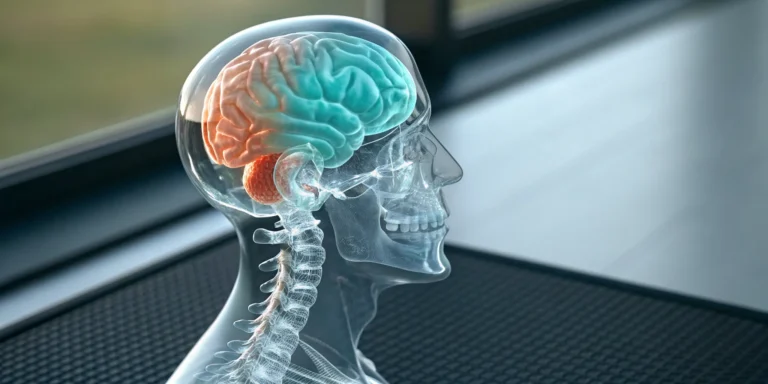
After an accident, it’s easy to feel relieved if you don’t see any obvious injuries. But that relief can be misleading. The biggest danger of a closed head injury is that the symptoms often show up late. What starts as a mild headache or slight confusion can escalate into serious cognitive and physical problems over time. Because all the damage is internal, it’s critical to know what to watch for in the hours, days, and even weeks that follow to protect your health.
Key Takeaways
- Recognize the hidden danger: A closed head injury can cause serious internal damage without any visible cuts or immediate symptoms, so it’s important to monitor for delayed signs like headaches, confusion, or personality changes.
- Prioritize a medical diagnosis: After any impact to the head, getting a professional medical evaluation is the most critical step for your health and provides the necessary documentation for a potential legal claim.
- Protect your rights through documentation: Keep detailed records of your symptoms, medical visits, and related expenses to build a clear and accurate account of how the injury has affected your life.
What Is a Closed Head Injury?
When you hear the term “head injury,” you might picture a visible wound, but that’s not always the case. A closed head injury is a type of brain injury where the skull is not broken or pierced. Think of it like this: even if an eggshell doesn’t crack, shaking it can still damage the yolk inside. Similarly, a sudden jolt or blow to the head can cause the brain to move violently within the skull, leading to bruising, bleeding, and swelling without any external signs of trauma. This internal damage is why these injuries can be so deceptive.
These injuries are a common form of traumatic brain injury and can result from everyday accidents, like a car wreck, a slip and fall, or a sports incident. Because the damage is hidden, it’s easy to underestimate the severity. You might walk away from an accident feeling fine at first, only to have serious complications develop hours or even days later. This delayed onset of symptoms is one of the biggest risks. Understanding the different types of closed head injuries and how they differ from open injuries is the first step in recognizing the danger and seeking the right medical and legal help when you need it most.
From Concussions to Contusions: Common Injury Types
Closed head injuries can take several forms, each affecting the brain differently. A concussion is one of the most well-known types, causing a temporary disruption in how the brain works. Another common injury is a cerebral contusion, which is essentially a bruise on the brain tissue itself. More severe injuries include intracranial hematomas, where a blood vessel breaks, causing blood to collect inside the skull and put pressure on the brain. A diffuse axonal injury is a particularly serious type, often seen in car accidents, where the brain’s rapid movement causes widespread damage to nerve cells.
Closed vs. Open Head Injury: What’s the Difference?
The main difference between a closed and an open head injury is whether the skull has been penetrated. A closed head injury leaves the skull intact, meaning nothing has broken through to the brain. In contrast, an open, or penetrating, head injury occurs when an object fractures the skull and enters the brain tissue. While open injuries carry a high risk of infection, closed head injuries are dangerous because the swelling and bleeding are contained within the skull. This creates immense pressure that can cause significant brain damage. Both are serious forms of craniocerebral trauma that require immediate medical attention.
The Prevalence and Risks of Head Injuries
It’s easy to think of a serious head injury as something rare, but the reality is they happen far more often than we realize. From a fender bender on the way to work to a simple slip on a wet floor, the potential for head trauma is a part of daily life. The damage isn’t always obvious, which makes understanding the frequency and the risk factors so important. Knowing who is most vulnerable and what situations commonly lead to these injuries can help you recognize the danger when it arises and take the right steps to protect your health and your rights.
Head Injury Statistics at a Glance
Head injuries are surprisingly common, and the numbers show just how widespread they are. Each year in the United States, about 1.7 million brain injuries occur, and the vast majority—around 75%—are closed-head injuries or mild traumatic brain injuries. This means the skull isn’t fractured, which is why so many of these injuries go unnoticed at first. Falls are a leading cause, accounting for over a third of all brain injuries. This is especially true for the very young and the elderly, with children under four and adults over 75 being particularly vulnerable. These statistics highlight that a serious injury can happen during everyday activities, not just in major accidents.
Who Is Most at Risk?
While anyone can sustain a head injury, certain groups face a higher risk. Statistics show that males are more likely to experience head trauma than females across all age groups, with young boys having the highest rates of hospital visits for brain injuries. The elderly, especially those over 65, and very young children are also more vulnerable. Beyond age and gender, your daily activities can play a role. People with physically demanding jobs and athletes in contact sports are at an increased risk. The most common causes are things many of us encounter regularly, including falls, car accidents, physical altercations, and sports-related incidents. Understanding these risks can help you stay vigilant, especially after an accident.
How Do Closed Head Injuries Happen?
A closed head injury happens when a sudden, forceful impact or jolt damages the brain, but the skull remains intact. Understanding how these injuries occur is the first step in recognizing the risks in our daily lives. While they can happen in countless ways, a few scenarios are responsible for the majority of cases. From traffic collisions to simple falls, the cause of the injury can often give doctors important clues about the potential damage and the best path for treatment.
Car, Truck, and Motorcycle Crashes
Collisions on the road are a leading cause of closed head injuries. The sheer force involved in an automobile accident can cause your brain to strike the inside of your skull, leading to significant trauma. Research shows these impacts frequently affect the frontal and temporal regions of the brain. Whether you are a driver, passenger, or motorcyclist, the rapid acceleration and deceleration during a crash create a high-risk environment for this type of injury. Even a seemingly minor fender bender can have serious consequences, so it’s crucial to seek medical attention after any traffic incident.
Slips, Trips, and Falls
You don’t have to be in a high-speed crash to sustain a serious head injury. In fact, falls are one of the most common culprits, accounting for over a third of all traumatic brain injuries. These incidents are particularly dangerous for young children and older adults. A simple slip on a wet floor, a trip over an unseen obstacle, or a fall from a short height can generate enough force to cause a concussion or a more severe brain injury. This is why property owners have a responsibility to maintain safe environments, a concept known as premises liability.
Sports-Related Head Injuries
Athletic activities, from school sports to weekend hobbies, are another frequent source of closed head injuries. Contact sports like football and hockey carry obvious risks, but injuries can also happen in activities like soccer, basketball, and cycling. It’s estimated that sports-related incidents contribute to nearly half of all concussions each year. The repetitive nature of some impacts in sports can also lead to cumulative damage over time. Wearing proper protective gear and following safety rules can reduce the risk, but it’s important for athletes, parents, and coaches to recognize the signs of a head injury and take them seriously.
Acts of Violence
Unfortunately, intentional acts of violence are also a cause of closed head injuries. An assault, a fight, or any other violent encounter that involves a blow to the head can result in significant brain trauma. These injuries can occur in various situations and can be just as severe as those from high-impact accidents. The force from a direct strike can cause bruising, bleeding, and swelling in the brain. If you have sustained a head injury due to someone else’s violent actions, getting medical help immediately is your first priority.
Blast Injuries as a Cause
While less common for most people, explosions can cause severe closed head injuries through blast waves. You don’t need to be hit by debris to be hurt; the primary shockwave from a blast can pass through the body and cause significant brain trauma. This is why these are often called ‘invisible injuries,’ as there might be no external signs of damage at all. The sudden change in pressure can lead to concussions, contusions, and other serious internal harm. These types of injuries are frequently associated with military service but can also occur in industrial accidents or other unexpected events. Because the damage is hidden, it’s vital to get a medical check-up after any exposure to a blast, even if you feel fine initially.
Spotting the Signs of a Closed Head Injury
After any kind of accident involving a blow to the head, knowing what to watch for is incredibly important. A closed head injury can be deceptive because there might not be any visible cuts or bruises. The real damage is internal, and the signs can show up right away or take hours, days, or even weeks to appear. These symptoms can be physical, mental, or emotional, and paying close attention to any changes after an incident is the first step toward getting the right care.
It’s critical to get a medical evaluation if you or a loved one experiences a head injury, even if things seem fine at first. Problems can escalate quickly, and prompt medical attention can prevent more serious damage. Understanding the wide range of possible symptoms helps you advocate for yourself and ensure you get a proper diagnosis and treatment plan.
The Two-Stage Injury Process: Primary and Secondary Damage
A closed head injury isn’t a single event but a two-part process. First, there’s the primary injury—the damage that occurs at the exact moment of impact. This could be a bruise on the brain or torn blood vessels from the force of the blow. What’s often more dangerous, however, is the secondary injury. This is a chain reaction of damage that unfolds in the hours and days that follow, as the brain reacts to the initial trauma. Swelling, inflammation, and increased pressure inside the skull can starve brain cells of oxygen and lead to more widespread harm. This secondary phase is why immediate medical evaluation and ongoing monitoring are so critical; the goal is to stop this harmful cascade before it causes lasting damage.
What to Look for Right Away
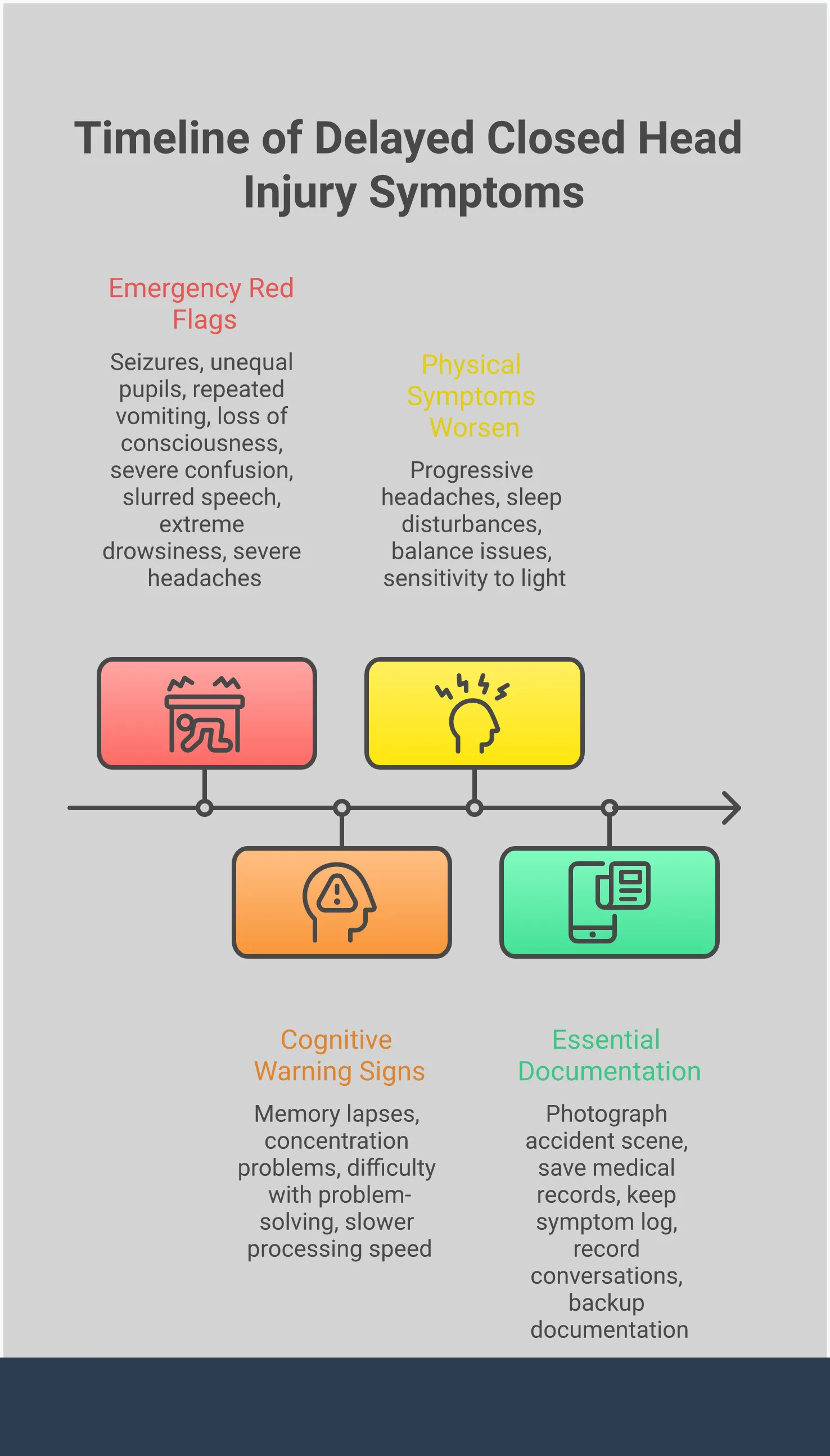
Some symptoms of a closed head injury appear almost instantly. You might experience a persistent headache, feel dizzy or nauseous, or even vomit. Slurred speech and a general sense of confusion are also common red flags. In more severe cases, a person might have seizures, lose consciousness (even for a moment), or fall into a coma. Any of these danger signs signal a medical emergency. Don’t try to “wait it out” or “sleep it off.” Seeking immediate medical help is the most important thing you can do, as delaying treatment can lead to more significant brain damage.
Specific Physical Signs to Watch For
Beyond the most urgent signs, there are other physical symptoms you should monitor closely. A headache that won’t go away or keeps getting worse is a major warning sign. You might also feel unusually tired or struggle with dizziness and balance problems, making it hard to walk straight. Some people experience sensitivity to light or sound, or they might notice blurred vision or ringing in their ears. Nausea and vomiting are also common physical reactions. It’s important to remember that these symptoms can be easy to dismiss as just feeling “off” after an accident, but they can indicate serious internal injury that requires medical attention.
Don’t Ignore These Delayed Symptoms
Not all symptoms are immediate. Sometimes, the most challenging effects of a closed head injury surface during the recovery period. You might notice changes in your personality, struggle with feelings of depression or anxiety, or find it difficult to get back into your normal routine. Problems with thinking and memory can also become more apparent over time. These secondary symptoms can be frustrating and isolating, especially if they affect your ability to work or connect with others. It’s important to remember that these delayed changes are part of the injury and deserve the same level of medical attention as the immediate physical signs.
Changes in Body, Mind, and Mood
A closed head injury can affect you in many ways. Cognitively, you might have trouble with your memory, find it hard to concentrate, or feel like your thinking has slowed down. Emotionally, you could experience personality shifts, feel unmotivated, or act more impulsively than usual. These changes can be especially pronounced if the frontal lobe of the brain was injured. Physically, sleep can be a major issue, with some people sleeping far more than usual or developing sleep apnea. These long-term effects can be life-altering, which is why understanding your legal options is crucial if your injury was caused by someone else’s negligence.
Post-Concussion Syndrome and Long-Term Effects
For some people, the symptoms of a concussion don’t fade away within a few weeks. Instead, they can linger for months or even longer, a condition known as post-concussion syndrome. This goes beyond a simple headache; it can involve persistent dizziness, fatigue, and sensitivity to light and sound. The cognitive effects are often the most disruptive, making it hard to concentrate at work or remember simple things. You might also notice emotional changes, like feeling more irritable, anxious, or depressed than usual. These ongoing issues can significantly impact your daily life, turning routine tasks into major challenges and affecting your relationships and ability to earn a living.
How Doctors Diagnose a Closed Head Injury
If you suspect a closed head injury after an accident, getting a medical evaluation is the most important first step. Doctors use a careful, multi-step process to understand what’s happening inside the brain. This process usually starts with a physical exam and conversation, followed by advanced imaging and sometimes blood tests to get a complete picture of the injury. A thorough diagnosis is not only critical for your health but also serves as a key piece of evidence if your injury was caused by an event like an automobile accident. Knowing what to expect at the hospital can help you feel more prepared during a stressful time.
Your First Doctor’s Visit: What to Expect
The first thing a doctor will do is talk to you and perform a physical examination. They need to understand exactly how the injury occurred, so be prepared to share as many details as you can. They will likely ask if you lost consciousness, even for a moment, and if you are taking any medications like blood thinners. The doctor will also check for common symptoms, including headache, nausea, dizziness, confusion, or changes in your vision or hearing. This initial conversation and assessment helps the medical team decide which diagnostic tests are needed next to determine the extent of your injuries.
Determining Severity: The Glasgow Coma Scale (GCS)
To quickly get a sense of how serious a head injury is, medical professionals often use a tool called the Glasgow Coma Scale (GCS). This standardized system helps them assess a person’s level of consciousness right after an injury. The scale looks at three key responses: eye opening, verbal response, and motor response. Each category is scored, and the total number helps classify the injury’s severity. A score of 13 to 15 is generally considered a mild injury, 9 to 12 is moderate, and a score of 8 or less indicates a severe head injury. This initial assessment is critical in an emergency setting because it provides a clear baseline, allowing doctors to monitor for any changes in your condition over time and make informed decisions about your care.
Seeing Inside: How Brain Imaging Helps
To see what’s going on inside the skull, doctors rely on imaging tests. The most common first step is a CT (computed tomography) scan. A CT scan is very fast and effective at identifying skull fractures or bleeding in the brain. If the doctor needs a more detailed view, they may order an MRI (magnetic resonance imaging). An MRI takes longer to complete but provides a much clearer picture of the brain’s soft tissues. This can help them spot subtle injuries that a CT scan might miss, giving your medical team crucial information for your treatment plan.
Can Blood Tests Detect a Brain Injury?
In addition to imaging, doctors may use blood tests to help diagnose a head injury. These tests look for specific proteins, or biomarkers, that are released into the bloodstream when brain cells are damaged. Measuring the levels of these substances can help doctors confirm a diagnosis and get a better sense of how severe the injury might be. While not a replacement for imaging, these blood tests provide another layer of information that can guide treatment decisions and help predict your potential recovery path. This is a developing area of medicine that is making diagnosis more precise.
The Role of the GFAP Blood Test
One of the newer tools doctors are using to diagnose head injuries is the GFAP (Glial Fibrillary Acidic Protein) blood test. This test works by measuring specific proteins that brain cells release into your bloodstream when they are damaged. Think of these proteins as biomarkers that signal something is wrong. By checking the levels of these substances, doctors can get a clearer idea of whether a brain injury has occurred and how severe it might be. This is an important step forward, as it gives medical teams another piece of the puzzle to work with beyond traditional imaging, making the diagnostic process more precise and thorough.
The GFAP test doesn’t replace CT or MRI scans, but it provides valuable information that these imaging techniques can’t always capture. While a CT scan is great for spotting a skull fracture or bleeding, the GFAP test can help predict a patient’s potential recovery path by showing the extent of cellular damage. This level of detail is not only vital for creating a tailored treatment plan but can also be crucial when documenting the full impact of your injuries. Having this objective data is incredibly helpful when building a strong personal injury claim, as it provides clear evidence of the injury’s severity.
What Are the Treatments for a Closed Head Injury?
After a closed head injury is diagnosed, the focus immediately shifts to treatment. The primary goals are to stabilize the patient, prevent further damage to the brain, and manage symptoms to support the best possible recovery. Treatment plans are highly individualized and depend on the severity of the injury. For some, care might involve simple observation and rest. For others, it can require a combination of emergency procedures, medication, and long-term therapy.
The medical team will work quickly to assess the situation and determine the right course of action. This often starts in the emergency room, where doctors prioritize the most immediate threats to the patient’s health. From there, treatment can extend into the intensive care unit (ICU), a regular hospital room, and eventually, rehabilitation facilities. Understanding the different treatment options can help you and your family feel more prepared for the road ahead. It’s a stressful time, and knowing what to expect can provide a small sense of control. We’ll walk through the common approaches to treating a closed head injury, from initial emergency care to the medications that aid in recovery, so you have a clearer picture of the path forward.
First Steps: Getting Immediate Medical Help
When someone arrives at the hospital with a suspected closed head injury, the first priority is stabilization. Medical professionals are trained to act fast to prevent the injury from worsening. Their initial steps focus on the basics: making sure the patient has a clear airway to breathe, protecting the neck in case of a spinal injury, and maintaining stable blood pressure. These actions are critical because they ensure the brain receives the oxygen and blood flow it needs to function. This immediate response is a cornerstone of traumatic brain injury treatment and sets the foundation for the patient’s recovery journey.
Special Considerations for Patients on Blood Thinners
For individuals taking blood thinners, a blow to the head is especially dangerous. These medications are designed to prevent blood clots, but after an injury, they can turn a minor bleed into a life-threatening emergency. It is absolutely critical to tell emergency responders and doctors about any anticoagulant or antiplatelet medications you are taking, including common ones like aspirin. This information allows the medical team to take immediate steps to counteract the medication’s effects and control any internal bleeding before it causes severe brain damage. Even a seemingly minor fall or bump can have serious consequences, so seeking a prompt medical evaluation is non-negotiable.
Is Surgery Necessary for a Head Injury?
While many closed head injuries don’t require surgery, it can be a life-saving measure in severe cases. The main reason for surgery is to relieve pressure building up inside the skull. This pressure can come from a large blood clot (hematoma) or significant brain swelling. To address this, a surgeon might perform a procedure to remove the clot or even temporarily remove a piece of the skull, giving the brain room to swell without being compressed. It’s a serious step, but this type of surgical intervention is sometimes necessary to prevent further, irreversible brain damage and give the patient the best chance at recovery.
How Medication Can Help Your Recovery
Medication is a key part of managing a closed head injury, both in the short and long term. In the hospital, doctors may use drugs to help reduce brain swelling and prevent seizures. It’s important to note that some common anti-inflammatory medications can be harmful in these cases, so treatment is carefully managed. As recovery progresses, other medications might be prescribed to handle related symptoms. For instance, antidepressants are sometimes used to help with the emotional and psychological effects of the injury, such as depression. This focus on symptom management helps improve a person’s overall quality of life as they heal.
What Does Recovery from a Head Injury Look Like?
After a closed head injury, the path forward can feel uncertain. It’s normal to wonder what recovery will look like and how long it will take. While every person’s journey is unique, understanding the key phases of recovery can help you and your family prepare for what’s ahead. The process often involves a combination of time, specialized therapy, and learning to adapt to new challenges. Focusing on these steps can make the journey feel more manageable as you heal.
How Long Does Recovery Take?
One of the first questions people ask is, “How long will this take?” The honest answer is that it varies. Your personal recovery timeline depends on several factors, including your age and overall health. The severity of the injury also plays a major role. Doctors will consider how long you were unconscious or experienced amnesia and what your brain scans show to get a clearer picture of the healing process. Patience is essential during this time, as progress is often slow and steady rather than immediate.
Lifestyle Adjustments for a Healthy Recovery
Healing from a closed head injury is an active process that goes beyond just waiting for symptoms to fade. Your daily habits play a huge role in giving your brain the best chance to recover. Following your doctor’s orders is the most important first step—this means getting plenty of rest, avoiding physically and mentally demanding tasks, and sticking to any prescribed medication schedule. A closed head injury can cause significant internal bruising and swelling, so creating a calm, low-stress environment is essential for healing. It’s also important to be patient with yourself emotionally. You might struggle with frustration or mood changes, so leaning on your support system and communicating your needs can make a real difference in your recovery.
How Rehabilitation Therapy Supports Recovery
Rehabilitation is a critical part of regaining your skills and independence. It’s a partnership between you and a team of specialists, including physical, occupational, and speech therapists, who create a plan based on your goals. This often includes cognitive retraining to help with memory and problem-solving, as well as exercise therapy to improve movement. Starting rehabilitation therapy early is especially important for physical recovery, but it’s encouraging to know that thinking skills can continue to improve even much later in the process.
Emerging Therapies like Virtual Reality
Beyond traditional methods, rehabilitation is also embracing new technologies to help with recovery. Virtual reality (VR) is one of the most promising tools, creating safe, simulated environments where you can practice everyday tasks. For example, you might work on navigating a virtual grocery store to improve memory and planning skills, or practice crossing a busy street to rebuild your confidence and reaction time. This technology offers a powerful way to supplement the cognitive retraining and problem-solving work you do with your therapy team. By providing repeatable, controlled scenarios, virtual reality can help you regain skills and independence in a supportive setting.
Medications to Aid Cognitive Function
While there isn’t a single medication to reverse a brain injury, doctors can prescribe drugs to manage symptoms that get in the way of your cognitive recovery. As your medical team works to control immediate issues like brain swelling or seizures, they also focus on your long-term well-being. For example, antidepressants are sometimes used to help with the emotional effects of the injury, which can make it easier to engage in therapy. In some cases, doctors may also prescribe specific medications to help with attention, memory, or agitation. This focus on symptom management is designed to improve your overall quality of life and support your ability to heal.
How to Manage Long-Term Symptoms
Recovery isn’t just physical. A closed head injury can leave behind lasting changes in thinking, behavior, and emotions. It’s common to struggle with memory, concentration, or mood swings. These changes can affect your relationships and ability to return to daily activities, which sometimes leads to feelings of frustration or depression. Acknowledging these struggles is the first step. Building a strong support system and knowing your legal rights can ease the burden, allowing you to focus on your well-being. If you need guidance, our team is here to help you understand your options.
The Importance of Education and Emotional Support
The journey after a closed head injury extends far beyond physical healing. The emotional and cognitive changes can be the most challenging part, both for you and your loved ones. Because the symptoms are often invisible, friends and family may not understand why your personality seems different or why you’re struggling with tasks that used to be simple. This is where education becomes a powerful tool. Learning about the effects of the injury helps everyone involved develop patience and empathy. A strong support system is built on understanding, and it provides the encouragement you need to keep moving forward on difficult days.
Understanding Your Prognosis
Your doctor will likely discuss your prognosis, which is their professional forecast of your recovery. This isn’t a guarantee, but rather an educated outlook based on the specifics of your injury, your age, and how your body is responding to treatment. They will consider the cognitive and emotional shifts you’re experiencing, from memory difficulties to changes in mood. While hearing a prognosis can be intimidating, it’s important to view it as a roadmap, not a final destination. Many people recover more function than initially expected through dedicated rehabilitation and support. Focus on your therapy and celebrate small victories along the way.
Don’t Believe These Closed Head Injury Myths
When it comes to head injuries, what you don’t know can hurt you. Misconceptions are everywhere, and they often prevent people from getting the care they need right after an accident. Believing these myths can lead to serious health complications down the road. Let’s clear up a few of the most common and dangerous myths about closed head injuries so you can protect your health and your rights.
Myth: “If I Didn’t Pass Out, I’m Fine”
This is one of the most persistent myths out there. Many people believe that if they didn’t lose consciousness after an impact, they couldn’t have a serious brain injury. The truth is, you don’t have to pass out to sustain significant harm. A concussion or another traumatic brain injury can happen even if you remain awake and alert the entire time. After a serious fall or automobile accident, the force of the impact alone can be enough to cause damage. Never assume you’re okay just because you didn’t black out.
Myth: “No Visible Injury Means No Brain Injury”
Just because you don’t have a cut, a scrape, or a bruise on your head doesn’t mean your brain is uninjured. Closed head injuries are internal, and the damage isn’t always visible from the outside. Your brain is a complex organ, and an impact can cause it to move inside your skull, leading to bruising, bleeding, or swelling. These internal injuries can have widespread effects on your cognitive and physical functions. Thinking you’re fine because there’s no external sign of trauma is a risky assumption. Always get a medical evaluation to be sure.
The Danger of Ignoring Delayed Symptoms
Feeling fine immediately after an accident can give you a false sense of security. It’s a dangerous myth that if symptoms don’t appear right away, you’re in the clear. In reality, the signs of a traumatic brain injury can take hours, days, or even weeks to surface. You might initially feel a little dazed, but then develop severe headaches, dizziness, memory problems, or mood changes later on. Ignoring these delayed symptoms can have severe consequences. If you’ve sustained any kind of blow to the head, seeking a medical opinion is the most important step you can take.
Why You Might Need Legal Support After a Head Injury
After a head injury, your first priority is getting the right medical care and focusing on recovery. But soon, you might face a mountain of medical bills, lost income from time off work, and confusing calls from insurance companies. It can feel overwhelming, especially when you’re trying to heal. If your injury was caused by someone else’s carelessness, whether from a car accident or a fall on unsafe property, you don’t have to handle the aftermath alone.
Working with a legal professional can help you manage the complexities of a personal injury claim. An attorney can protect your rights and work to secure the compensation you need to cover your expenses and support your recovery. This allows you to put your energy where it matters most: on getting better.
What Are Your Rights After an Accident?
When an accident is caused by another person’s negligence, you have the right to seek compensation for your injuries. This isn’t just about covering your immediate medical bills. It can also include future medical care, lost wages, and the physical and emotional pain you’ve experienced. However, the responsibility falls on you to prove your case.
In legal terms, this is called the “burden of proof.” You must show that the other party was responsible for the accident and that their actions directly caused your head injury. An experienced attorney can help you understand your rights and gather the evidence needed to build a strong claim. They can explain the different types of personal injury cases and guide you through the process of holding the responsible party accountable.
Start Documenting Now: Here’s Why It Matters
From the moment the injury occurs, keeping detailed records is one of the most important things you can do. This documentation serves as the foundation of your personal injury claim. Start by keeping every medical record, bill, and receipt related to your treatment. If possible, take photos of the accident scene and your injuries.
It’s also helpful to keep a daily journal. Write down your symptoms, pain levels, and any challenges you face in your day-to-day life. Note any appointments, missed work days, and conversations with doctors or insurance adjusters. This information helps create a clear picture of how the injury has affected your life. For an attorney, these details are crucial for connecting the trauma to the specific physical, cognitive, and emotional difficulties you are now experiencing.
How a Personal Injury Attorney Can Help
Traumatic brain injury cases involve intricate medical and legal issues that can be difficult to handle on your own. A personal injury attorney acts as your advocate, managing all communication with insurance companies and legal teams so you can focus on your health. They will investigate the accident, collect evidence, and consult with medical experts to build a compelling case on your behalf.
Proving the full extent of a head injury can be challenging. Unlike a broken arm, the effects of a brain injury, like psychological trauma, aren’t always visible on an X-ray. An attorney understands how to demonstrate the true impact of your injury, including the emotional and cognitive changes that are often hard to quantify. If you’re unsure what to do next, you can contact a lawyer to get clarity on your situation and explore your options.
How Can You Prevent Head Injuries?
While you can’t control every situation, you can take meaningful steps to protect yourself and your loved ones from head injuries. Many of these injuries are preventable through awareness and simple safety precautions. Making smart choices at home, on the job, and while you’re out and about can significantly reduce your risk. It’s about creating safe habits that become second nature, giving you peace of mind as you go about your day.
Staying Safe at Home and on the Job
Your home and workplace are where you spend most of your time, so it’s the perfect place to start. Simple adjustments can make a huge difference in preventing falls, which are a leading cause of head injuries. Make sure your home is well-lit, especially in hallways and on stairs. Secure loose rugs and immediately clean up any spills to avoid slips. At work, particularly in construction or industrial settings, always use the recommended safety equipment, like a hard hat. Following established safety protocols isn’t just about following rules; it’s about protecting your long-term health and well-being.
Safety on the Road and on the Field
When you’re behind the wheel, safety should always be your top priority. Always wear a seatbelt, and make sure children are in the proper car seats for their age and size. One of the most critical rules is to never drive after drinking alcohol or using substances that impair your judgment. These choices are a major factor in serious automobile accidents.
During sports and recreational activities, wearing a helmet is essential for biking, skating, or playing contact sports. While helmets provide crucial protection, it’s also important to remember they don’t make you invincible. Always play by the rules and use proper techniques to minimize risk. Combining the right gear with safe practices is the best way to stay active while keeping yourself safe.
Related Articles
- What is CTE? A Guide to Causes and Symptoms
- Live Brain Lesion: Your Guide to What Comes Next
- Can Trauma Cause Brain Damage? What to Know
Frequently Asked Questions
What is the most important first step if I suspect a closed head injury? The single most important thing you can do is get a professional medical evaluation right away. Don’t try to tough it out or wait to see if you feel better tomorrow. Because the damage is internal, symptoms can be delayed or easy to dismiss. A doctor can perform the right tests to understand the extent of the injury and create a treatment plan to prevent more serious complications.
Is a concussion the same thing as a closed head injury? A concussion is a specific type of closed head injury, often considered to be on the milder end of the spectrum. However, the term “closed head injury” is a broader category that includes everything from concussions to more severe trauma like brain contusions or hematomas. It’s helpful to think of a concussion as one possible diagnosis under the larger umbrella of closed head injuries, all of which require medical attention.
Why do some symptoms of a head injury take days or weeks to appear? The brain’s response to trauma isn’t always immediate. After an impact, a slow bleed, gradual swelling, or chemical changes can develop over time. This is why you might feel relatively fine at first, but then start experiencing headaches, memory issues, or mood swings later on. This delayed onset is precisely why doctors often recommend monitoring yourself closely after any blow to the head.
Can I have a brain injury even if my CT scan came back clear? Yes, it is possible. A CT scan is an excellent tool for identifying major problems like skull fractures or significant bleeding in the brain. However, it may not pick up on more subtle damage, such as microscopic injury to nerve cells (diffuse axonal injury) or minor bruising. If you continue to have symptoms after a clear CT scan, your doctor may recommend more sensitive imaging, like an MRI, or further neurological testing.
When is the right time to speak with an attorney after a head injury? It’s wise to seek legal advice as soon as you are able, once your immediate medical needs have been addressed. An attorney can help you protect your rights, especially before you give any statements to insurance companies. They can advise you on how to document your injuries and expenses properly from the very beginning, which is essential for building a strong case if your injury was caused by someone else’s actions.
The Helmet Debate: Understanding Risk Compensation
Helmets are a non-negotiable piece of safety gear for many activities, but they come with a psychological catch. It’s a concept called risk compensation: when we feel protected, we sometimes take bigger risks than we would otherwise. While a helmet is excellent at preventing a skull fracture, it can’t stop your brain from moving inside your skull during a sudden impact. This is how a closed head injury can still happen, even with protective gear. This is why safety isn’t just about the equipment you wear; it’s about the choices you make. Following the rules of the game and using proper technique are just as vital as buckling your helmet, especially in cases of sports-related head injuries.
If you or a loved one has been affected by a brain injury in Springfield or Southwest Missouri, the experienced legal team at The Law Office of Chad G. Mann is here to help. Contact our head trauma guide for a free consultation, or call (417) 842-8679 today.
Have you been injured? Take our free injury questionnaire to help us understand your case, or call (417) 842-8679 for a free consultation today.