


Does something feel off in your conversations with the insurance adjuster? Maybe they’re dragging their feet, ignoring your calls, or pushing you to accept a quick, low offer. These aren’t just minor frustrations; they are calculated tactics designed to make you settle for less. Trust your instincts. If you feel like you’re not being treated fairly, it’s time for professional help. A skilled Insurance Claim Lawyer in Missouri recognizes these red flags immediately. They know exactly how to step in, take over communication, and stop these strategies cold, ensuring your claim is handled properly.
Key Takeaways
- Your Lawyer Is Your Professional Shield: An attorney protects you from insurance company tactics, manages all complex communication and negotiations, and builds a strong case on your behalf so you can focus on healing.
- Know When to Call for Help: If your claim is denied, delayed, or the insurer’s communication feels off, it’s time to get legal advice. Acting quickly helps preserve evidence and ensures you don’t miss crucial legal deadlines in Missouri.
- You Can Afford Expert Legal Representation: Don’t let cost stop you from seeking help. Most personal injury lawyers use a contingency fee model, which means you only pay attorney fees if they successfully recover money for you.
What Can an Insurance Claim Lawyer in Missouri Actually Do?
When you hear “insurance claim lawyer,” you might picture someone buried in paperwork. While there’s certainly paperwork involved, their role is much more active and essential. Think of them as your professional advocate, the person who steps in to handle the complex legal details so you can focus on your recovery. They are your representative and your shield, ensuring the insurance company listens to your side of the story and treats you fairly. An insurance claim lawyer becomes your voice when you might feel unheard.
An experienced lawyer understands the tactics insurance companies use to minimize payouts. They know Missouri law inside and out and use that knowledge to build a strong case on your behalf. From gathering evidence and speaking with witnesses to negotiating with adjusters, their goal is to make sure you receive the full compensation you deserve under your policy. They manage the entire process, translating confusing legal jargon and guiding you every step of the way. This support allows you to step back from the stressful back-and-forth and feel confident that a professional is protecting your interests. They handle the deadlines, the phone calls, and the legal strategy, giving you the space to heal.
What Types of Insurance Claims Do They Handle?
Insurance claim lawyers work on a wide variety of cases, not just car accidents. While they frequently handle claims for property damage and injuries from auto collisions, their expertise covers a much broader spectrum. They can assist with disputes over life insurance policies, denied health insurance costs, and damage to your home or business.
Essentially, if you have a dispute where an insurance company is refusing to pay what you believe you are owed, a lawyer can help. This includes situations where the insurer is acting in bad faith or unfairly denying a valid claim. The specific practice areas can vary, but the core issue is always the same: holding an insurance company accountable to the policy you paid for.
It’s More Than Paperwork: How They Fight for You
A good lawyer does far more than just fill out forms. They begin by conducting a thorough investigation of your claim, gathering all the necessary evidence to support your case. They will review your insurance policy in detail to understand exactly what coverage you are entitled to and explain your rights in plain English.
From there, they take over all communication with the insurance company. This is a huge relief for many people. Instead of dealing with constant calls and pressure from adjusters, you have an expert fighting for you. They work to make sure the insurance company fulfills its obligations and will negotiate for a fair settlement. If you feel your claim was unfairly denied or the insurer is dragging its feet, it’s wise to contact an experienced lawyer right away.
When Should You Hire an Insurance Claim Lawyer?
After an accident or property damage, dealing with an insurance company can feel like a full-time job you never applied for. You might wonder if you can handle it on your own or if it’s time to call in a professional. While many simple claims can be resolved directly, certain situations are clear signals that you need an experienced lawyer on your side. An attorney can protect your rights and work to get you the fair compensation you deserve, especially when the insurance company’s goals don’t align with yours. Knowing the warning signs can make all the difference in the outcome of your case.
Key Signs You Need Legal Help
Trust your gut. If something feels off in your communications with the insurance adjuster, it probably is. One of the most obvious red flags is an outright claim denial. If your insurer refuses to pay without a clear and fair reason, you should contact a lawyer immediately. You should also be wary of any significant delays. If the company is dragging its feet or ignoring your calls, they may be hoping you’ll just give up. Finally, pay close attention to the paperwork they send. If you receive a “reservation of rights” letter or are asked to sign a “non-waiver agreement,” don’t sign anything until an attorney has reviewed it. These documents can seriously limit your rights.
Why You Shouldn’t Wait to Call a Lawyer
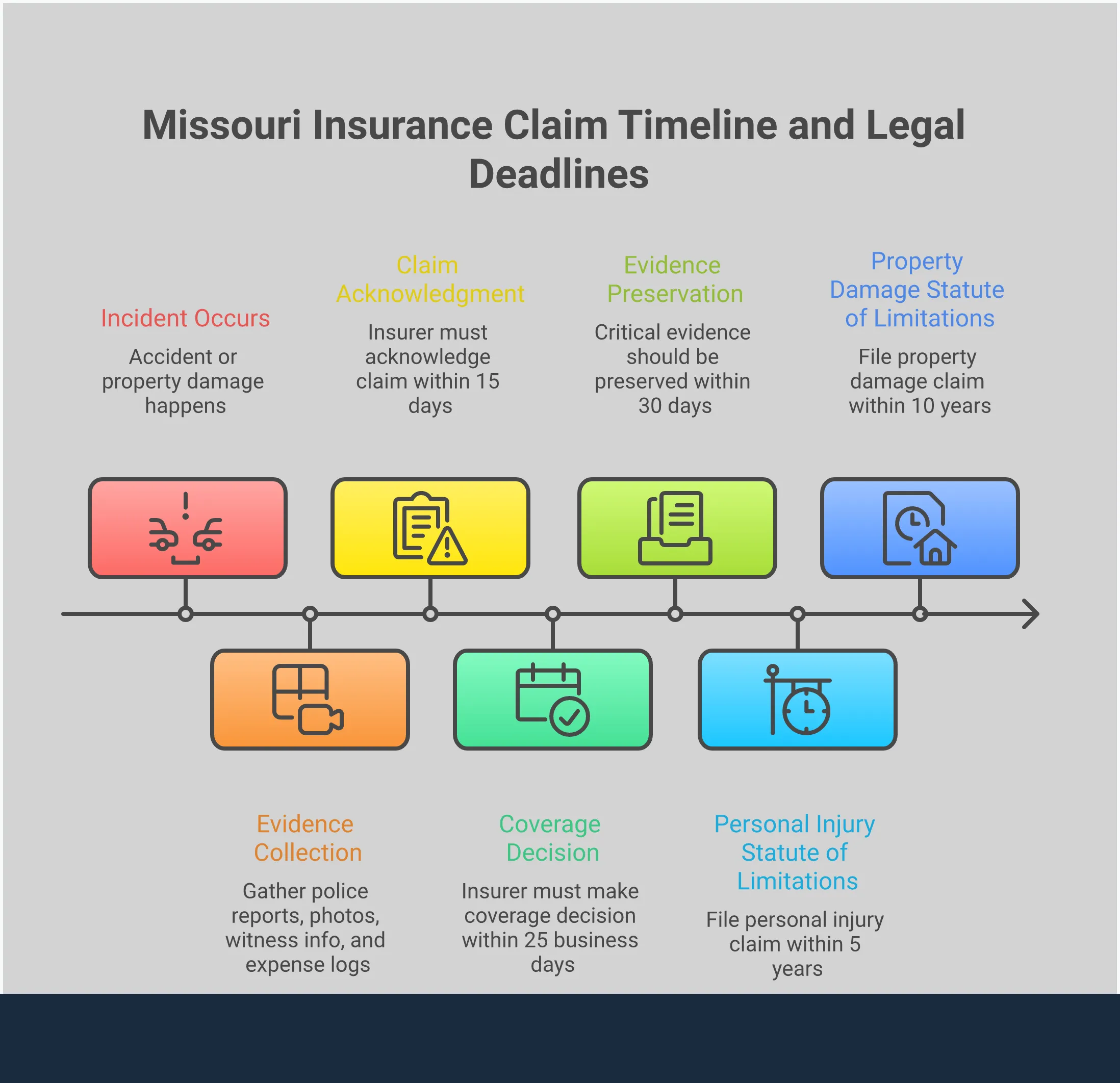
When it comes to insurance claims, time is not on your side. Missouri has strict deadlines, known as statutes of limitations, for filing a lawsuit. If you miss this window, you could lose your right to pursue compensation forever. Acting quickly allows your attorney to preserve crucial evidence, like witness statements and accident scene photos, before it disappears. The insurance company has a team of professionals working on your case from day one, so the sooner you have an advocate in your corner, the better. An experienced lawyer understands the tactics insurers use and can build a strong case for the various personal injury claims you may have, ensuring you are on a level playing field from the start.
Your Insurance Claim Was Denied. Now What?
A denial letter from your insurance company is a major setback. After everything you’ve been through, it’s the last thing you need. But a denial is not the end of the story. It’s often the starting point for a fight you don’t have to face alone. Understanding why your claim was denied and what you can do about it is the first step toward getting the compensation you deserve.
Why Did the Insurance Company Deny Your Claim?
It’s easy to feel singled out when your claim is denied, but it happens often. Insurance companies are for-profit businesses, and they sometimes look for reasons to avoid paying out. They might point to a small detail in your policy to justify their decision. Common reasons for denial in Missouri include claims of insufficient evidence, a failure to report the accident on time, or an assertion that your policy doesn’t cover the incident. It can feel like they’re using confusing language on purpose, leaving you frustrated and unsure what to do next.
Blaming Pre-Existing Damage or “Wear and Tear”
Another common reason for denial is the “pre-existing damage” argument. The insurance company might claim that the damage you’re reporting isn’t new but was actually there before the incident. For example, after a car accident, an adjuster could point to a dent and say it’s from an old fender bender, not the recent collision. Similarly, in a property damage claim, they might attribute a leaky roof to “normal wear and tear” rather than storm damage. This is one of the tricks insurance companies use to avoid paying what they owe. An attorney can fight this by gathering maintenance records, photos, and expert opinions to prove the damage is recent and directly related to your claim.
Claiming an Uncovered Cause
Insurance policies are filled with specific terms and exclusions, and adjusters sometimes use this complex language to their advantage. They might deny your claim by attributing the damage to a cause that isn’t covered by your policy. For instance, they could argue that water damage in your basement was caused by “flooding”—which many standard policies exclude—when it was actually from a burst pipe, which is typically covered. This misinterpretation of policy rules can feel unfair and may even constitute bad faith on the insurer’s part. A lawyer will carefully review your policy, challenge the company’s interpretation, and hold them accountable for the coverage you paid for.
How a Lawyer Can Fight a Denial
A denial letter is not the final word. Think of it as the insurance company’s opening move. When you hire an attorney, you get an expert who knows the rules and isn’t intimidated by their tactics. Your lawyer will review your policy and the denial letter to find weaknesses in the company’s argument. From there, they will gather evidence, handle all communications, and build a strong appeal on your behalf. They understand Missouri’s insurance laws and can hold the company accountable. The first step is to contact a lawyer to discuss your case and get a clear plan of action.
Steps to Take When Disputing a Claim
If your claim has been denied or you’ve received a lowball offer, don’t just accept it. You have the right to challenge the insurance company’s decision. The key is to be strategic and organized. Following a clear set of steps can make a significant difference and show the insurer that you are serious about getting a fair outcome. It starts with demanding clarity and then formally presenting your case through the company’s own appeal process. These actions create a paper trail and put the pressure back on the insurer to justify their position. It’s about taking control of the situation and methodically building your argument.
Demand a Written Explanation
Never settle for a denial over the phone. The first and most important step is to formally request a written explanation for their decision. This letter isn’t just a formality; it’s a critical piece of evidence. It forces the insurance company to go on record, citing the specific language in your policy they are using to justify the denial or low offer. This document becomes the foundation of your appeal. Having their reasoning in writing prevents them from changing their story later and gives your attorney a clear target to challenge. Insist on this documentation before you take any other action.
File an Internal Appeal and Provide New Evidence
Once you have the denial letter, you can begin the internal appeal process. Most insurers have a formal system for this, and you should use it. Write a professional letter that clearly states you are appealing their decision and outlines why you believe it is incorrect. This is your chance to strengthen your case. Don’t just resubmit the same information; provide new evidence that directly counters their reasons for denial. This could be a second opinion from another doctor, a more detailed repair estimate from a different mechanic, or statements from additional witnesses. Always keep detailed records of every conversation, including who you spoke with and when.
Fighting Back Against Bad Faith Insurance Tactics
Under Missouri law, insurance companies must act in “good faith,” meaning they must treat you fairly and honestly. Unfortunately, that doesn’t always happen. When an insurer unreasonably denies, delays, or underpays a valid claim, they may be acting in bad faith. Examples include refusing to conduct a proper investigation, misrepresenting your policy, or using intimidation to make you accept a lowball offer. An attorney like Chad G. Mann can identify these practices and hold the insurance company accountable. Proving bad faith can help you recover your original claim and may entitle you to additional damages.
Understanding “Bad Faith” and Potential Damages
When an insurance company acts in bad faith, Missouri law recognizes you’ve been wronged in a way that goes beyond the initial claim denial. This is why you may be able to recover additional damages. These damages aren’t just about getting the money you were originally owed; they are meant to compensate you for the harm caused by the insurer’s dishonest behavior. This can include financial losses you incurred because of the delay, the emotional distress of the ordeal, and even the attorney fees you had to pay to hold them accountable. In some cases, a court might also award punitive damages, which are designed to punish the company for its conduct and discourage it from happening again. Calculating and proving these damages is complex, which is why working with a lawyer who understands bad faith insurance law is so important.
What Are the Benefits of Hiring an Insurance Claim Lawyer?
After an accident, you might wonder if hiring a lawyer is really worth it. You’re dealing with enough stress, and adding a legal process to the mix can feel overwhelming. But bringing in a professional isn’t just about having someone file paperwork. It’s about protecting your rights and securing your future. A good lawyer can make a significant difference in the outcome of your claim, from the settlement you receive to the peace of mind you gain. Let’s look at the tangible benefits you can expect when you have an expert in your corner.
Getting the Full Compensation You Deserve
Let’s talk numbers, because they matter when you’re facing medical bills and time off work. Research shows that personal injury claimants who hire a lawyer receive settlements that are, on average, 3.5 times larger than those who handle their claims alone. Why the huge difference? An experienced attorney knows how to calculate the true value of your claim. This goes far beyond just your immediate medical expenses. We look at future treatment needs, lost earning capacity, and the non-economic costs of pain and suffering. An insurance adjuster’s first offer is rarely their best; we handle all types of personal injury cases and fight to ensure the compensation you receive truly covers the full scope of your losses.
Your Advocate Against Insurance Company Tactics
Insurance companies are businesses, and their goal is to protect their bottom line by paying out as little as possible. Adjusters are skilled negotiators trained to find reasons to devalue or deny your claim. They might try to get you to admit partial fault, ask for a recorded statement to use against you later, or rush you into a lowball settlement. When you hire a lawyer, all communication goes through them. We act as your shield, protecting you from these tactics. An attorney understands how to counter arguments about fault and ensures you aren’t unfairly blamed, giving you the space to focus on your recovery while we handle the fight.
Why a Missouri-Based Lawyer Gives You an Edge
Personal injury law isn’t one-size-fits-all; it changes from state to state. Having a lawyer who deeply understands Missouri’s specific statutes is a major advantage. For example, Missouri has a “pure comparative fault” rule, which can affect how your settlement is calculated if you’re found partially responsible. An experienced Missouri lawyer knows how to use evidence, like police reports and witness statements, effectively within the local legal system. They are familiar with court procedures, filing deadlines, and even the tendencies of local insurance adjusters and defense attorneys. This insider knowledge is crucial for building a strong, successful claim and ensuring every detail is handled correctly.
How to Choose the Right Insurance Claim Lawyer in Missouri
Finding the right lawyer can feel like a monumental task, especially when you’re already dealing with the stress of an injury and a difficult insurance company. But making a thoughtful choice is one of the most important steps you can take for your case. The right legal partner won’t just handle the paperwork; they will be your advocate, your guide, and your shield against the tactics insurers use to pay out as little as possible.
Choosing the right local injury lawyer can significantly impact the outcome of your case and your overall experience. To help you find the best fit, let’s walk through what to look for, what to ask, and what to avoid. Think of this as your checklist for finding a lawyer who is not only qualified but also someone you can trust to fight for you every step of the way.
What to Look For in an Insurance Lawyer
When you start your search, focus on a lawyer’s specific experience with insurance claims in Missouri. You want someone who has a deep understanding of the state’s laws and has gone head-to-head with insurance companies before. A lawyer’s reputation is critical because insurers know which attorneys are willing to take a case to trial if a fair offer isn’t made. This reputation alone can influence how seriously they take your claim from the very beginning.
Look for a lawyer who specializes in personal injury law and can show you a track record of success with cases like yours. Beyond their professional credentials, pay attention to how they make you feel. You should feel heard, respected, and confident in their ability to represent you.
Important Questions to Ask During a Consultation
Your initial consultation is more than just a chance to tell your story; it’s an interview. You are hiring someone for a very important job, so it’s essential to ask the right questions. This is your opportunity to gauge their expertise, communication style, and whether they are a good fit for you personally. Don’t be afraid to come prepared with a list of questions.
Here are a few to get you started:
- Have you handled cases similar to mine before? What were the outcomes?
- What is your strategy for my case?
- How will you and your office keep me updated on my case’s progress?
- Who will be my main point of contact?
- Can you explain your fee structure clearly?
A good lawyer will welcome your questions and provide clear, straightforward answers. If you’re ready to have that conversation, you can schedule a consultation to get the process started.
Lawyer Red Flags: When to Walk Away
Just as important as knowing what to look for is knowing which red flags to avoid. Be wary of any lawyer who guarantees a specific outcome or promises a quick, multi-million dollar settlement. The legal process has too many variables for anyone to make those kinds of promises ethically. Another warning sign is poor communication from the start. If they are difficult to get ahold of for a consultation or rush you through your questions, imagine what it will be like once you’re a client.
Also, be cautious of anyone who pressures you to sign a contract on the spot. You should feel comfortable taking the time you need to make your decision. Finally, don’t fall for the myth that hiring a lawyer means you’re destined for a long, drawn-out trial. Most personal injury cases are settled out of court. A good attorney will work to secure a fair settlement first, and only prepare for trial if the insurance company refuses to be reasonable.
How Much Does an Insurance Claim Lawyer Cost in Missouri?
One of the first questions on anyone’s mind after an accident is, “Can I even afford a lawyer?” It’s a completely valid concern, especially when you’re already dealing with medical bills and lost wages. The good news is that most personal injury lawyers, including our team at The Law Office of Chad G. Mann, work on a contingency fee basis. This structure is designed to remove the financial barrier so you can get the legal help you need without paying anything upfront.
This approach means your lawyer’s payment is tied directly to the success of your case. It’s a partnership where we are invested in getting you the best possible outcome. While the attorney’s fee is the main component, there are other case-related expenses that can come up. A trustworthy lawyer will always be transparent about these potential costs from the very beginning. Understanding how this works can give you the confidence to seek justice without worrying about adding another bill to your pile. If you have questions about your specific situation, we are always here to provide a clear explanation during a free consultation.
How Contingency Fees Work (You Don’t Pay Upfront)
A contingency fee is a straightforward arrangement: we only get paid if we win your case. If you don’t receive a settlement or a court award, you owe us nothing in attorney’s fees. This model makes quality legal representation accessible to everyone, regardless of their financial situation. When your case is successful, the lawyer’s fee is a pre-agreed-upon percentage of the total amount recovered. In Missouri, this typically ranges from 25% to 40%, depending on the complexity of your claim. This structure helps debunk common myths about hiring a lawyer being too expensive for the average person. It ensures our goals are perfectly aligned with yours: to secure the maximum compensation you deserve.
Can the Insurance Company Be Ordered to Pay Your Attorney’s Fees?
It’s a fair question: if the insurance company is the one causing all this trouble, why should you have to pay a lawyer to fix it? In some cases, you don’t. Missouri law has a powerful protection for policyholders called the “vexatious refusal to pay” statute. This law applies when an insurer denies your claim without a reasonable cause or a legitimate reason to dispute it. Essentially, if they are found to be acting in bad faith, a court can order them to pay your reasonable attorney’s fees in addition to the compensation you’re owed. This isn’t a guarantee in every case, but it serves as a strong deterrent against unfair insurance practices and helps level the playing field for you.
Are There Other Hidden Costs to Consider?
Yes, and it’s important to have a clear picture of them. Separate from the attorney’s contingency fee are “case costs.” These are the out-of-pocket expenses required to build and pursue your claim effectively. Examples include court filing fees, the cost of obtaining medical records and police reports, and fees for expert witnesses who may need to testify on your behalf. These costs are essential for gathering the critical evidence needed to prove your case. Typically, these expenses are covered by the law firm upfront and then reimbursed from the final settlement amount after the attorney’s fees are calculated. We will always discuss these potential costs with you so there are no surprises down the road.
What Does It Take to Win an Insurance Claim?
A successful insurance claim rarely comes down to luck. It’s built on a solid foundation of preparation, clear documentation, and a smart strategy. When you’ve been injured, your focus should be on recovery, but understanding what the insurance company needs to see is critical for getting the compensation you deserve. It’s about telling a clear, undeniable story of what happened and how it has affected your life.
This means gathering the right proof, meticulously tracking your medical journey, and knowing how to handle the insurance adjuster’s tactics. Each piece works together to build a strong case that can stand up to scrutiny. By focusing on these key areas, you can significantly improve your chances of a fair outcome.
Gathering the Right Evidence for Your Claim
Think of evidence as the building blocks of your claim. The stronger your evidence, the more solid your case will be. Successfully pursuing an injury claim in Missouri depends on compiling a thorough and credible set of proof. This isn’t just about one single document; it’s about creating a complete picture for the insurance company. Key pieces include the official police report, photos and videos of the accident scene and your injuries, and contact information for any witnesses. It’s also vital to keep detailed records of all related expenses, like repair bills and lost wages. This documentation helps demonstrate who was at fault and shows the true extent of your damages, leaving less room for the insurer to dispute your claim.
Keep Detailed Records of All Communication
From the moment you file your claim, every interaction with the insurance company is important. It’s essential to keep a detailed log of every phone call, email, and letter. After each conversation, take a few minutes to jot down the date, time, the name of the person you spoke with, and a summary of what was discussed. This creates a clear timeline and a factual record of your claim’s progress. This documentation is more than just good organization; it’s a powerful tool. If an adjuster makes a promise on the phone and later denies it, your notes can help hold them accountable. This paper trail can become crucial evidence if a dispute arises and you need to prove the insurance company is not handling your claim fairly.
Wait for an Adjuster Before Making Permanent Repairs
After your property has been damaged, whether it’s your car or your home, your first instinct might be to get it fixed as quickly as possible. It’s important to resist that urge. The insurance company has a right to inspect the damage before you make any permanent repairs. If you fix your car before the adjuster sees it, they could argue that the damage wasn’t as severe as you claimed, giving them a reason to undervalue or deny your claim. Instead, take extensive photos and videos of the damage from every possible angle right away. You can make temporary fixes to prevent further damage, like covering a broken window, but hold off on anything permanent until the adjuster has completed their inspection and given you the green light.
Requesting an Advance for Living Expenses
In cases involving significant property damage, like a house fire that forces you out of your home, you may need immediate financial help. Many homeowners and renters insurance policies include coverage for “Additional Living Expenses” (ALE), which is designed to cover costs like temporary housing, food, and clothing while your home is uninhabitable. Don’t wait for the final settlement to get help. You can, and should, ask your insurance company for an advance on your claim to cover these essential needs. This isn’t a loan; it’s an early payment of the benefits you are entitled to under your policy. Being proactive and requesting an advance can provide critical financial stability during a very stressful time.
How Your Injuries and Medical Records Affect Your Case
Your medical records are one of the most powerful tools in your claim. They serve as the official story of your injuries, directly linking them to the accident and justifying the compensation you’re asking for. This is why seeking medical attention immediately after an accident is so important, even if you feel fine. Some injuries don’t show up right away. Following your doctor’s treatment plan precisely is also crucial. Comprehensive medical evidence is essential for calculating damages, which includes not just your current medical bills but also the cost of future care, lost income, and your pain and suffering. An experienced personal injury lawyer knows how to use these records to build a compelling case for the full value of your claim.
Common Tactics Insurance Companies Use Against You
It’s important to remember that the other party’s insurance adjuster is not on your side. Their job is to protect their company’s bottom line by paying out as little as possible. Be aware of common tactics, like asking you for a recorded statement right after the accident. You are not legally required to provide one, and anything you say can be used against you. Another frequent strategy is offering a quick, lowball settlement before you even know the full extent of your injuries. They may also try to assign partial fault to you to reduce their payout. Understanding these strategies is your first line of defense. Before you sign anything or agree to a statement, it’s wise to get legal advice to protect your rights.
Delay Tactics and Repeated Paperwork Requests
Does it feel like you’re stuck in a loop, sending the same documents to the insurance company over and over again? This is rarely an accident. Insurance companies sometimes use these delays as a strategy to wear you down. By asking for the same paperwork repeatedly or taking an unusually long time to respond, they create frustration, hoping you’ll get tired of fighting and accept a lower offer just to be done with it. This isn’t just poor customer service; it’s a calculated tactic. If you feel like your claim is being intentionally stalled, it’s a clear sign that the insurer is not acting in your best interest. An attorney can step in, manage all communication, and hold them accountable to Missouri’s deadlines.
Controlling Repairs with “Managed Repair Programs”
After your car is damaged, the insurance company might strongly suggest you use one of their “preferred” or “managed” repair shops. While this might sound convenient, you should be cautious. These shops often have a direct relationship with the insurer, which can create a conflict of interest. Their priority may be to keep costs low for the insurance company rather than ensuring your vehicle receives the highest quality repairs. Poor workmanship can lead to bigger problems down the road. Remember, in most cases, you have the right to choose your own repair shop. If you feel pressured or are concerned about the quality of work, an attorney can review your policy and protect your rights in all types of automobile accident claims.
The Role of Independent Experts in Your Case
Sometimes, your word and your medical records aren’t enough to convince an insurance company. They have their own team of experts whose job is to find reasons to downplay your injuries and devalue your claim. That’s when your lawyer might bring in an independent expert. This isn’t a sign that your case is weak; it’s a powerful strategy to level the playing field. These experts are neutral, third-party professionals who can provide an unbiased assessment of your situation. Their testimony can add a layer of credibility that is difficult for the insurance company to ignore, helping to prove key elements of your case.
The type of expert needed depends on your specific case. For injury claims, a doctor may perform an Independent Medical Examination (IME) to offer an unbiased opinion on your injuries and future treatment needs. In a complex car accident, an accident reconstructionist can show exactly how the crash happened and who was at fault. For claims involving long-term disability, a vocational expert can testify about your inability to work and calculate future lost income. These professionals provide the specialized evidence needed to build a rock-solid case and fight for the full compensation you deserve.
Myths About Hiring an Insurance Claim Lawyer
The decision to hire a lawyer can feel intimidating, especially when you’re already dealing with the stress of an injury. A lot of misinformation circulates, often making people hesitate when they need help the most. Let’s clear up a couple of the biggest myths that might be holding you back from getting the support you deserve. Understanding the truth can help you make a confident choice for your future.
Addressing Your Fears About Cost and Going to Court
One of the most common worries is about the cost. Many people believe hiring a lawyer will leave them with less money in their pocket, but that’s rarely the case. Most personal injury lawyers work on a contingency fee basis, meaning they only get paid if you win your case. In fact, studies show that claimants who have legal representation often receive settlements that are significantly larger than those who go it alone. Another major fear is being dragged into a stressful court battle. The reality is that the vast majority of personal injury cases are settled out of court. An experienced lawyer is a skilled negotiator whose primary goal is to secure a fair settlement for you without ever stepping into a courtroom.
Do You Need a Lawyer for a “Minor” Claim?
It’s easy to think that a seemingly minor fender-bender or a small slip doesn’t warrant a call to a lawyer. However, what feels like a “minor” injury at first can sometimes lead to major expenses down the road. Adrenaline can mask pain, and some injuries don’t show their full extent for days or even weeks. Even small claims can involve future medical bills, lost wages, and physical therapy. Insurance adjusters may try to offer a quick, low settlement before you realize the true cost of your injury. Speaking with a lawyer helps you understand your rights and ensures you don’t settle for less than you need to fully recover. A free consultation can give you clarity without any obligation.
Understanding Your Rights Under Missouri Insurance Law
When you’re dealing with an insurance claim, it can feel like the insurance company holds all the cards. But in Missouri, you have specific rights designed to protect you from unfair treatment. Understanding these rules is your first line of defense. The law sets clear expectations for how insurers must behave and establishes timelines to keep your claim moving forward. Knowing what you’re entitled to can make a huge difference in the outcome of your case and give you the confidence to stand up for yourself.
These protections aren’t just suggestions; they are legal obligations. If an insurance company fails to meet them, you have options. This knowledge empowers you to hold them accountable and ensure you receive the fair treatment and compensation you deserve. It’s about leveling the playing field and making sure your voice is heard throughout the process.
How Does Missouri Law Protect Policyholders?
In Missouri, insurance companies are required by law to act in “good faith.” This simply means they have to treat you fairly and honestly when handling your claim. They can’t use deceptive tactics or look for unreasonable excuses to deny or delay your payment. If an insurer fails to uphold this standard, you have the right to take action. This is where experience with personal injury law becomes critical. When an insurer acts in bad faith, you may be able to recover not just your policy benefits, but also compensation for financial losses, attorney fees, and other damages. In serious cases where an insurer acts with malice, you could even be awarded punitive damages.
Unfair Claim Settlement Practices Act
Missouri puts these consumer protections into official law with the Unfair Claim Settlement Practices Act. This law isn’t just a set of vague guidelines; it’s a clear list of specific actions that insurance companies are legally forbidden from taking. For example, they cannot misrepresent facts about your policy, fail to acknowledge your claim promptly, or refuse to pay without conducting a reasonable investigation first. The act is designed to prevent insurers from dragging their feet or using confusing tactics to avoid paying what they owe. When an insurance company violates these rules, they are engaging in bad faith insurance tactics. Knowing that these protections are written into law gives you a solid foundation to stand on if you feel you’re being treated unfairly.
Understanding Arbitration Clauses in Your Policy
Tucked away in the fine print of your insurance policy, you might find an “arbitration clause.” It sounds technical, but it simply means you agree to resolve disputes with the insurer through a private process instead of going to court. This means you give up your right to have your case heard by a judge and jury. These clauses are common, and many people agree to them without realizing the rights they are signing away. The insurance company includes this language to control how disagreements are handled, which can put you at a disadvantage from the start.
While arbitration can be faster, it often limits your legal options. You lose the right to a full appeal if you disagree with the outcome, and the process may favor the insurance company, which has extensive experience in these proceedings. Some mandatory arbitration clauses can even strip away legal principles that normally protect you, like the rule that unclear policy language should be interpreted in your favor. It’s crucial to understand what you’re agreeing to and what it could mean for your future.
Don’t Miss Your Deadline: The Statute of Limitations
Time is a critical factor in any insurance claim. In Missouri, insurance companies must make a decision on your claim within 25 business days of receiving it. While the law doesn’t set a strict deadline for sending the settlement check, it does require them to do so in a “reasonable and prompt” manner. Knowing these timelines helps you understand what to expect and when to push back if things are taking too long. If you feel an insurer is dragging its feet or you’re worried about missing a critical deadline for your case, it’s a good idea to contact a lawyer to discuss your situation and protect your rights.
What’s the Claim Process Like with a Lawyer on Your Side?
When you decide to work with an attorney, you’re not just hiring someone to fill out forms. You’re bringing in a professional to manage a structured process designed to protect your rights and fight for the compensation you deserve. It can feel overwhelming to deal with an insurance company on your own, but a lawyer brings a clear, methodical approach to the table. They handle the legal complexities so you can focus on your recovery. The entire process is built around a single goal: making sure the insurance company holds up its end of the bargain.
The Legal Process, Step-by-Step
Once you have a lawyer on your side, the path forward becomes much clearer. While every case is unique, the process generally follows a few key stages. First, you’ll have an initial consultation to review your insurance policy and the details of your claim. From there, your attorney will conduct a thorough investigation, gathering all the evidence needed to build a strong case for your personal injury claim. With the evidence compiled, your lawyer will enter into negotiations with the insurance company to secure a fair settlement. If the insurer refuses to offer a reasonable amount, your attorney will be prepared to take the fight to court.
How Filing a Lawsuit Can Impact Your Timeline
Filing a lawsuit is a strategic step, not a failure. It’s what happens when an insurance company refuses to be reasonable during negotiations. While it might sound like it will drag things out, filing a lawsuit actually introduces a formal timeline with court-mandated deadlines. This can be a powerful tool, as it forces the insurer to stop stalling and take your claim seriously. It’s also the only way to protect your claim if you’re approaching Missouri’s statute of limitations—a strict legal deadline for taking action. An attorney files a lawsuit to preserve your right to compensation before that window closes. It’s important to know that this doesn’t mean you’re automatically headed for a long trial; in fact, many cases settle shortly after a lawsuit is filed because it shows the insurance company you are prepared to fight.
How Long Will My Insurance Claim Take?
Throughout this entire journey, you should expect clear communication and steady guidance from your legal team. Your lawyer acts as your advocate, keeping you informed about your case’s progress and advising you on the best steps to take. They handle the deadlines, the phone calls, and the tough conversations with the insurance adjuster. In Missouri, insurance companies generally have a set amount of time to respond to a claim, and your lawyer will ensure they stick to it. You can expect a partner who is committed to getting you the best possible outcome. If you’re ready to have an expert in your corner, the first step is to get in touch.
Related Articles
- How to Fight a Denied Insurance Claim in Missouri
- Guide to Auto Insurance and Injury Claims in Missouri
- How to Navigate Insurance Claims After Missouri Accidents
- Auto Coverage & Injury Claims in Missouri – Know Your Rights
- Auto Insurance & Injury Claims | Chad G. Mann Law Office
For more information, read our guide on auto accident injury attorney.
Frequently Asked Questions
What should I do if the insurance adjuster calls me before I’ve hired a lawyer? It’s best to be polite but brief. You can confirm basic information like your name and address, but you are not required to give a recorded statement or discuss the details of the accident or your injuries. Simply tell the adjuster that you are focusing on your recovery and will have your attorney contact them shortly. This protects you from saying something that could be misinterpreted or used to weaken your claim later on.
Is my case too small to involve a lawyer? Many people worry about this, but the initial severity of an injury isn’t always a good indicator of a claim’s true value. What seems like a minor issue can lead to ongoing medical needs and lost time from work. Insurance companies often try to settle these “small” claims quickly for far less than they are worth. A consultation is typically free, so it never hurts to discuss your situation with a professional to understand your rights and the potential value of your claim.
How long does it take to resolve an insurance claim with an attorney? The timeline for an insurance claim can vary quite a bit. A straightforward case might be resolved in a few months, while a more complex one could take longer. The process depends on factors like the severity of your injuries, the clarity of who was at fault, and how willing the insurance company is to negotiate fairly. A good lawyer will focus on getting you the right settlement, not just the fastest one, and will keep you updated every step of the way.
Will I have to go to court if I hire you? This is a very common concern, but the reality is that most personal injury cases never see the inside of a courtroom. The vast majority are settled through negotiation between your lawyer and the insurance company. An experienced attorney prepares every case as if it might go to trial, which actually makes the insurance company more likely to offer a fair settlement to avoid the time and expense of a court battle.
What’s the difference between attorney’s fees and case costs? This is a great question. The attorney’s fee is what you pay your lawyer for their work, and it’s taken as a percentage of your final settlement. Case costs are different; they are the direct expenses needed to build your case. These can include things like fees for filing court documents, obtaining your medical records, or hiring an expert witness. These costs are usually covered by the law firm upfront and then reimbursed from the settlement.
Have you been injured? Take our free injury questionnaire to help us understand your case, or call (417) 842-8679 for a free consultation today.