


As a business owner, you wear countless hats, but “debt collector” is one you never wanted. When clients don’t pay, protecting your cash flow becomes the top priority. The difference between getting paid and writing off a loss often comes down to having a clear, consistent plan. This guide provides that structure. We’ll outline a professional process for recovering business debt, from the first friendly reminder to the final legal steps. You’ll get the tools to handle unpaid invoices with confidence and keep your business financially healthy.
Key Takeaways
- Establish clear policies from the start: The most effective way to handle unpaid debt is to prevent it. This means vetting new clients, using detailed contracts with explicit payment terms, and keeping organized records of all transactions and communications.
- Act quickly and professionally on late payments: When an invoice is overdue, begin with polite reminders and direct communication. If those attempts fail, a formal demand letter is a powerful next step that shows you are serious and often prompts payment without a lawsuit.
- Understand the tools of legal action: Be mindful of the statute of limitations, which sets a firm deadline for filing a lawsuit. If you win a court judgment, you can then use legal tools like wage garnishments, bank levies, and property liens to collect the money you are owed.
Recovering Business Debt: When Is It Time for Legal Action?
Dealing with unpaid invoices is one of the most frustrating parts of running a business. You’ve delivered a product or service, held up your end of the bargain, and now you’re left chasing payments. While you’ve likely sent reminders and made phone calls, there comes a point when you have to consider your next move. Deciding to take legal action can feel like a big step, but sometimes it’s the only way to protect your company’s financial health. The key is knowing when to make that call.
Before escalating the situation, you should always start with clear, professional communication. This includes sending polite reminders, making direct contact, and eventually, sending a formal letter that clearly states the amount owed and the payment deadline. These initial steps show you’ve made a good-faith effort to resolve the issue amicably. However, if your requests are met with silence or repeated excuses, it’s time to think about getting legal help. The longer you wait to collect a debt, the more difficult it becomes to recover.
So, when is it officially time to bring in an attorney? A few clear signs indicate you’ve reached that point. If the debt is substantial, say over a few thousand dollars, the potential loss justifies the cost of legal support. Another major red flag is when the debtor stops communicating entirely or begins to dispute the charges without a valid reason. At this stage, an experienced attorney can assess your situation and guide you on the best path forward, which might include filing a lawsuit. It’s also important to act before the legal deadline, known as the statute of limitations, runs out.
Taking legal action doesn’t always mean you’ll end up in a courtroom battle. Often, a formal demand letter from a law firm is enough to show you’re serious and prompt a payment. An attorney specializing in creditor representation can help you understand your options, ensure you comply with all state and federal laws, and handle the stressful parts of the process. This allows you to focus on running your business while a professional works to recover the money you’re rightfully owed.
The Widespread Impact of Unpaid Business Debts
If you’re dealing with late-paying clients, you’re far from alone. It’s one of the most common and stressful challenges business owners face. What starts as a minor inconvenience can quickly spiral, affecting your ability to pay your own bills, invest in growth, and maintain financial stability. Understanding just how widespread this issue is can help you see the importance of creating a solid plan for debt recovery. It’s not a personal failing; it’s a business reality that requires a strategic response. Protecting your company’s health means being prepared to handle unpaid debts professionally and effectively.
Late Payments by the Numbers
The statistics on late payments show just how significant this problem is for small businesses. According to a report from the U.S. Chamber of Commerce, more than half of small businesses have clients who are over 30 days late on their payments. This isn’t just an occasional issue; for many, it’s a constant battle that strains resources and creates uncertainty. The consequences are real, with a large percentage of business owners having to use personal funds or apply for loans to bridge the cash flow gaps created by these delays. These numbers confirm that waiting and hoping for payment is not a viable strategy when your financial stability is on the line.
How Unpaid Invoices Affect Your Business’s Health
Beyond the immediate numbers, unpaid invoices create a ripple effect that can destabilize your entire operation. Consistent cash flow is the lifeblood of any business, and late payments choke that supply, forcing you to delay paying your own vendors, halt growth plans, or even struggle to make payroll. The crucial thing to remember is that time is not on your side. The probability of collecting a debt drops significantly the longer an invoice goes unpaid. Taking early, professional steps can prevent a small problem from escalating into a major financial headache and give you a clear path forward when your own attempts to collect have been exhausted.
What Should You Do First to Recover an Unpaid Debt?
Before you jump into legal proceedings, there are several practical steps you can take to recover an unpaid debt. These initial actions are often effective on their own and can help you avoid the time and expense of a lawsuit. More importantly, they establish a clear record of your attempts to collect the debt, which is essential if you do need to take legal action later. Think of these steps as building a strong foundation for your case while giving your client every opportunity to make things right.
Start by Documenting Everything
Proper documentation isn’t just paperwork; it’s your strongest asset in debt recovery. From the moment you agree to provide a product or service, keep a detailed record of everything. This includes contracts, invoices, purchase orders, and any correspondence you have with the client. Make notes of phone calls, including the date, time, and what was discussed. This paper trail creates an undeniable history of the debt and your efforts to collect it. Having organized records strengthens your position in any creditor representation case and makes the entire process smoother, whether you’re negotiating with the debtor or presenting your case in court.
Send a Friendly (But Firm) Payment Reminder
Sometimes, a late payment is simply an oversight. The sooner you try to collect, the better your chances of getting paid. It’s a good practice to send friendly reminders within the first 45 days of the due date. Your initial reminder should be polite and professional, not accusatory. Assume the client has forgotten and just needs a gentle nudge. In your email or letter, clearly state the invoice number, the amount due, and the original due date. Often, this simple, courteous follow-up is all it takes to resolve the issue and maintain a positive business relationship with your client.
Get on the Phone or Meet in Person
If written reminders don’t work, the next step is to reach out directly. Start with a friendly email or a phone call to discuss the overdue payment. This conversation can help you understand why the payment is late. Perhaps the client is having cash flow issues, or maybe they never received the original invoice. When you call, have a copy of the invoice handy and be prepared to discuss the details. The goal is to open a line of communication and find a solution together. If you feel the conversation is becoming difficult or unproductive, it might be time to contact a legal professional for guidance.
Propose a Workable Payment Plan
If a client is genuinely struggling to pay the full amount, offering a payment plan can be a practical solution. After all, a structured payment plan is much better than getting no money at all. This shows you’re willing to be flexible and work with them, which can preserve the business relationship. If you agree on a plan, make sure to get the terms in writing. The document should clearly outline the amount of each payment, the due dates, and what happens if they miss a payment. This formalizes the new agreement and protects your interests while giving the client a manageable way to settle their debt.
First, Understand the Reason for Non-Payment
When written reminders go unanswered, your next move is to connect directly. A simple phone call or personal email can often reveal the real reason for the delay, which might be something as simple as a lost invoice or a temporary cash flow issue. Instead of assuming the worst, approach the conversation with a genuine desire to understand their situation. The goal is to open a line of communication and find a workable solution together, not to create a conflict. This empathetic approach not only improves your chances of getting paid but can also preserve a valuable business relationship for the future.
When Reminders Fail: Your Legal Options for Debt Recovery
When polite reminders and direct communication don’t result in payment, it’s time to consider your formal legal options. Taking the next step can feel intimidating, but it’s often necessary to protect your business’s financial health. Fortunately, you have several paths you can take to recover what you’re owed. Each option has its own process and is suited for different situations, from sending a final warning to pursuing a court judgment. Understanding these choices will help you decide on the most effective strategy for your specific circumstances.
Sending a Statutory Demand
When your own reminders go unanswered, a formal demand letter, sometimes called a statutory demand, is your next move. This isn’t just another email; it’s a formal, written request that clearly outlines the debt, demands payment by a specific deadline, and states your intention to pursue legal action if the deadline is missed. This letter serves as a final warning and shows the debtor you are serious about recovering the money you are owed. Often, the weight of a formal letter, especially one sent by an attorney, is enough to prompt a response and secure payment without ever needing to step into a courtroom. This step is a critical part of effective creditor representation and formally documents your efforts to resolve the issue.
Drafting and Sending a Demand Letter
Before heading to court, your first official move should be sending a formal demand letter. Think of this as the final, serious notice before you initiate legal proceedings. This isn’t just another invoice; it’s a legally significant document. You should send it via certified mail with a return receipt to prove the debtor received it. The letter must clearly state the total amount owed, reference the original invoice, and provide a firm payment deadline, such as 10 to 14 days. It should also explain the consequences of non-payment, which is typically legal action. A well-drafted letter from an attorney often gets results, as it shows you are serious about recovering the debt.
Is Small Claims Court the Right Choice?
If the demand letter is ignored, small claims court is a practical next step for recovering smaller debts. Missouri has a limit on how much you can sue for in small claims court, making it a more streamlined and less expensive option than a full civil lawsuit. To succeed, you’ll need solid documentation. Be prepared to present copies of your contract, invoices, and any records of your previous attempts to collect the payment. The court will need to see clear proof that the debt remains outstanding despite your efforts. This is where your diligent record-keeping really pays off.
Taking the Next Step: Filing a Civil Lawsuit
For debts that exceed the small claims court limit, filing a civil lawsuit is your primary option. This process is more complex and formal, so working with an attorney who understands creditor representation is essential. One of the most critical factors is the statute of limitations, which is the legal time limit you have to file a lawsuit. If you wait too long, you could lose your right to collect the debt entirely. Winning the lawsuit is just the first step; you’ll receive a court judgment in your favor. After that, you must use legal tools like liens or garnishments to actually collect the money from the debtor.
Should You Hire a Collection Agency?
If you prefer not to handle the legal process yourself, hiring a professional debt collection agency is another effective route. These agencies specialize in recovering payments and can often do so while preserving your relationship with the client. Many collection agencies work on a contingency basis, which means you don’t pay them unless they successfully recover your money. This can be a great choice if you lack the time or resources to pursue the debt on your own. They handle the communication and follow-up, allowing you to focus on running your business while they work to get your accounts settled.
Knowing When to Escalate: The 60-90 Day Rule
While it’s important to be persistent, there’s a point where friendly follow-ups stop being effective. Many experts point to a 60-90 day window as a critical timeframe. If an invoice remains unpaid after two to three months of your own collection efforts, your chances of recovering the money start to drop significantly. This is the moment to escalate your approach. If your internal efforts for more than 60–90 days remain unsuccessful, it may be time to consider professional help. For substantial debts, the potential loss easily justifies the cost of legal support. At this stage, moving forward with a formal demand letter or consulting with an attorney isn’t just an option; it’s a necessary business decision to protect your bottom line.
Get Your Paperwork in Order: What You’ll Need
When you decide to take legal action for an unpaid debt, the strength of your case depends almost entirely on your documentation. Think of it as building a case file. The more organized and thorough you are, the smoother the process will be. Before you can even begin, you need to gather all the paperwork that proves a debt is owed, the amount of that debt, and the attempts you’ve made to collect it. This evidence is the foundation of any successful creditor representation case.
Having your documents in order shows the court that you’ve acted professionally and have a legitimate claim. It also helps your attorney build the strongest possible argument on your behalf. Without solid proof, a debtor can easily dispute the claim, leading to a longer, more complicated, and potentially unsuccessful legal battle. So, before you make the first call to a lawyer, take the time to collect every relevant piece of paper, email, and record you can find. This preparation is one of the most important steps you can take.
Gather All Contracts and Agreements
The most critical document is the original contract or written agreement. This is your primary proof that a business relationship existed and that both parties agreed to specific terms. The contract should clearly outline the scope of work, the products or services provided, payment due dates, and any penalties for late payments. This document establishes the legal obligation of the debtor to pay you. As one industry expert puts it, “Proper documentation isn’t just paperwork—it is a business’s strongest asset in debt recovery.” A clear, signed contract is the best place to start building your case and is often the most powerful piece of evidence you have.
Compile Invoices and Payment Records
Next, you’ll need a complete record of all invoices and a detailed payment ledger. Invoices show the specific amounts billed for services or goods, while the ledger provides a running history of what has been paid and what remains outstanding. This financial paper trail is essential for proving the exact amount of the debt. Be sure to gather every invoice sent to the debtor, along with any statements of account. This detailed financial history helps eliminate any confusion about the balance owed. Collection agencies and attorneys heavily rely on this client-provided documentation to pursue recovery effectively.
Find All Relevant Emails and Letters
Don’t underestimate the power of your communication records. Gather all emails, letters, text messages, and even logs of phone calls related to the debt. This correspondence serves two purposes. First, it can include admissions from the debtor that they owe the money. Second, it demonstrates your good-faith efforts to resolve the issue before resorting to legal action. This paper trail shows a clear history of your attempts to collect and the debtor’s responses, or lack thereof. This documentation of attempts to pursue the debt is a key part of showing the court you’ve followed best practices.
Collect Any Other Proof of the Debt
Beyond contracts and invoices, you should collect any other evidence that supports your claim. This could include things like signed delivery receipts, proof of shipment, photographs of completed work, or sworn statements from witnesses. The goal is to create a comprehensive file that leaves no doubt about the validity of the debt. Anything that proves you held up your end of the agreement is valuable. Without this supporting evidence, your claim could be contested, making the collection process much more difficult. Gathering these types of documents strengthens your position and shows you’re prepared.
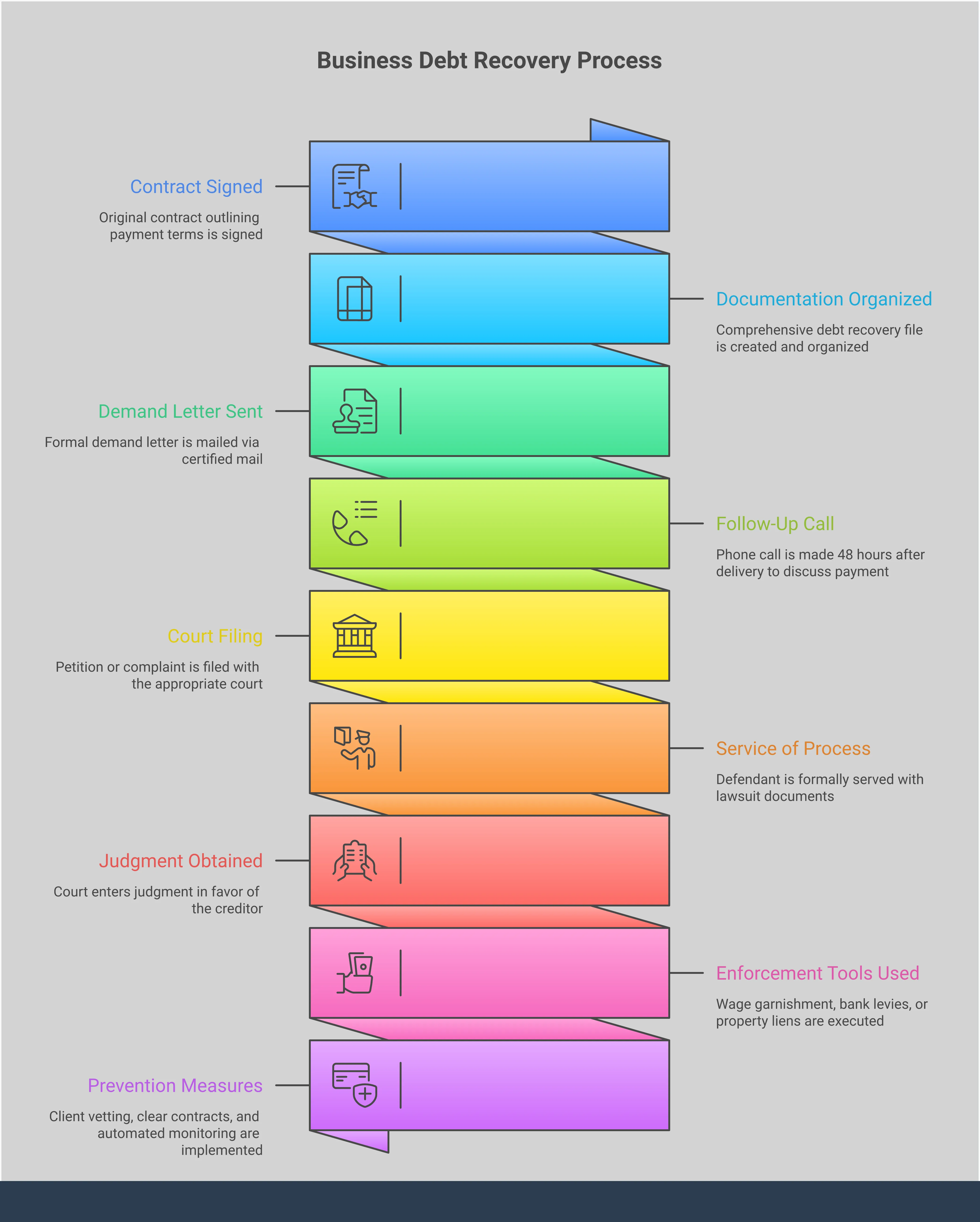
Understanding the Legal Landscape: Business vs. Consumer Debt
When you’re trying to collect an unpaid invoice, it’s easy to assume all debt is created equal. However, the law sees a major difference between money owed by a consumer and money owed by another business. This isn’t just a minor legal detail; it fundamentally changes the rules of the game. The strategies and regulations that apply to collecting a personal credit card bill are completely different from those for a commercial invoice. Understanding this distinction is crucial because it impacts every step you take, from how you communicate with the debtor to the legal actions you can pursue to recover your money.
Why the FDCPA Doesn’t Apply to B2B Collections
You may have heard of the Fair Debt Collection Practices Act (FDCPA), a federal law that protects individuals from abusive, unfair, or deceptive debt collection tactics. It sets strict rules on when and how a collector can contact someone about a personal debt. But here’s the key takeaway for business owners: the FDCPA does not apply to commercial debt. As one law firm clarifies, the federal law that protects regular people from debt collectors “does not apply to debts between businesses.” This means that when you are collecting from another company, you are not bound by the same restrictions, which gives you more flexibility in your approach.
What This Means for Your Collection Strategy
Because the FDCPA’s rules don’t apply to B2B collections, you can be more direct in your efforts, but your strategy must remain professional and well-documented. Unpaid invoices are more than just a frustration; they can seriously disrupt your operations. When businesses don’t get paid, it directly “hurts their money flow and how well they run,” which can affect everything from paying your own bills to securing future loans. Since the legal landscape is so different for commercial debt, a one-size-fits-all approach won’t work. The right strategy depends on your unique situation, which is where professional guidance makes all the difference. An attorney specializing in creditor representation can help you develop the most effective plan for your circumstances, ensuring your actions are legally sound while you focus on your business.
How Long Do You Have to Collect a Business Debt?
When you’re running a business, an unpaid invoice isn’t just an annoyance; it’s a direct hit to your bottom line. While it’s tempting to give clients the benefit of the doubt, waiting too long to act can mean losing your right to collect the debt entirely. The law sets a firm deadline for filing a lawsuit to recover what you’re owed. This deadline is called the statute of limitations, and understanding how it works is critical for protecting your business.
What Is the Statute of Limitations?
The statute of limitations is a law that sets the maximum time you have to initiate legal proceedings after an event. For business debt in Missouri, the timeline depends entirely on the type of agreement you had. If you have a written contract, you generally have ten years to file a lawsuit. For an oral or unwritten agreement, the window is much shorter: you only have five years. This major difference highlights why having clear, signed contracts is one of a business owner’s best practices. A written agreement provides solid proof and gives you a much longer timeframe to pursue creditor representation if a client fails to pay.
When Does the Clock Start?
Knowing your deadline is only half the battle; you also need to know when the countdown begins. The clock on the statute of limitations typically starts ticking on the date the cause of action “accrues.” In debt collection, this is usually the date the payment was first missed or the due date specified in your contract. If the debtor makes a partial payment, it can sometimes restart the clock from the date of that last payment. Once this deadline passes, your legal right to sue for the debt expires. You can still ask for the money, but you can no longer use the court system to force payment.
Can the Deadline Be Extended?
While these deadlines seem straightforward, certain circumstances can pause or “toll” the statute of limitations. For example, if the debtor moves out of Missouri, the clock may stop until they return. Similarly, if the debtor acknowledges the debt in writing or is a minor, the timeline can be affected. These exceptions can be complex and depend heavily on the specific details of your case. Because the rules can be tricky, it’s wise to get professional advice instead of making assumptions. If you’re dealing with an old debt and are unsure if you can still take action, it’s best to contact an attorney to review your options.
Filing a Lawsuit: What to Expect
Deciding to file a lawsuit can feel like a big step, but it’s often the most effective way to recover what you’re owed. The legal process is structured and follows a clear path, so knowing what’s ahead can make it feel much more manageable. It isn’t about creating conflict; it’s about using the system that’s in place to enforce the agreement you made in good faith. From gathering your paperwork to appearing in court, each step is designed to bring a fair resolution.
This is where having an experienced attorney can make all the difference. Instead of trying to figure out complex legal procedures on your own, you have a professional to handle the details. An attorney will ensure every form is filed correctly, every deadline is met, and your case is presented as strongly as possible. This allows you to focus on running your business while we handle the legal work. Let’s walk through the key stages of a debt collection lawsuit so you know exactly what to expect.
Organize Your Documentation for Court
Think of your documentation as the foundation of your entire case. Before you can file a lawsuit, you need to gather every piece of paper that proves the debt exists and is unpaid. This includes the original contract or agreement, all invoices, account statements, and any correspondence like emails or letters you’ve sent regarding the payment. Proper documentation isn’t just paperwork; it is your business’s strongest asset in debt recovery. It tells a clear, undeniable story to the court, leaving little room for dispute. An organized file shows you’re professional and serious about recovering the funds.
How to Correctly File Your Lawsuit
Once your documents are in order, the next step is to officially file the lawsuit with the court. This involves more than just telling a judge your side of the story. You’ll need to complete specific legal forms, known as a petition or complaint, which outlines who you are suing, why, and what you are asking for. These documents, along with your supporting evidence, are filed with the appropriate court. Following the correct procedure is critical. A simple mistake on a form or filing in the wrong jurisdiction can cause significant delays or even lead to your case being dismissed, making professional legal guidance invaluable.
What It Means to “Serve” the Defendant
After your lawsuit is filed, the person or business you are suing (the defendant) must be formally notified. This is called “service of process,” and it’s a legal requirement that can’t be skipped. You can’t just send them a text or an email; the law has strict rules on how the defendant must receive the court documents. Usually, this is handled by a sheriff’s deputy or a private process server who personally delivers the paperwork. Proper service ensures the defendant is aware of the lawsuit and has an opportunity to respond. If this step isn’t done correctly, the court can’t move forward with the case.
From Court Hearings to Final Judgment
After the defendant is served, they have a specific amount of time to file a formal response with the court. If they don’t respond, you may be able to win by default. If they do respond, the next steps could involve negotiation, mediation, or a court hearing where both sides present their case. The ultimate goal is to obtain a judgment, which is an official court order declaring that the debtor legally owes you the money. This judgment is the key that allows you to use more powerful legal tools to collect the debt. If you have questions about this process, it’s always best to contact an attorney to discuss your specific situation.
You Won in Court. Now How Do You Collect the Money?
Winning a judgment is a major victory, but it doesn’t automatically put money in your bank account. The final step is actually collecting what you’re owed. This process is called enforcing the judgment, and the law gives you several powerful tools to do it. You don’t have to figure this out alone; an experienced attorney can help you determine the best strategy for your specific situation. If you have a judgment you need to collect, you can contact our office to understand your options.
How to Garnish Wages
If the person or business who owes you money has a steady source of income, wage garnishment can be an effective collection method. Garnishment is a legal process where a court orders the debtor’s employer to withhold a certain amount from their paycheck and send it directly to you. This isn’t something you can do on your own; you must have a court order to start the process. There are legal limits on how much can be garnished from someone’s pay, but it provides a consistent way to receive payments until the debt is fully satisfied.
How to Levy a Bank Account
Another powerful tool is a bank levy. A bank levy allows you to take funds directly from the debtor’s bank account to pay off the judgment. Like garnishment, this requires a court order. Once the order is issued, it is sent to the debtor’s bank, which then freezes the account and turns the funds over to you. This can be a very fast way to collect a significant portion, or even all, of the debt at once, provided the debtor has sufficient funds in their account. It’s a direct and often surprising action that can resolve the matter quickly.
Putting a Lien on Their Property
What if the debtor doesn’t have a job or cash in the bank? You can place a lien on their property. A lien is a legal claim against a property that secures the debt you are owed. This means the debtor cannot sell or refinance the property, such as a house or a piece of land, without paying you first. The lien stays on the public record, acting as a red flag to potential buyers or lenders. While it may not result in immediate payment, it ensures you get paid when the property is eventually sold, making it a strong long-term collection strategy.
How to Seize Goods and Assets
If the debtor owns valuable property, like business equipment or vehicles, you can take steps to seize those assets to satisfy the judgment. This isn’t something you can do on your own; it’s a formal legal process that begins after you have a court judgment in hand. With the judgment, you can ask the court for a special order called a writ of execution. This writ gives law enforcement the legal authority to take possession of the debtor’s non-exempt property. The seized assets are then typically sold at a public auction, and the proceeds are used to pay off your debt. It’s a powerful way to enforce a judgment when other methods aren’t working, but it requires following strict legal procedures to ensure everything is done correctly.
Setting Up a Court-Enforced Payment Plan
Sometimes, the most practical approach is to work with the debtor. If they can’t pay the full amount at once, you can negotiate a payment plan. This is often a good option if the debtor is willing to cooperate but simply lacks the funds for a lump-sum payment. It’s crucial that any agreement is documented in writing. The document should clearly outline the payment schedule, the amount of each payment, and what happens if a payment is missed. A formal, enforceable payment plan can save both parties time and additional legal fees while ensuring you get paid over time.
Be Aware of Judgment Expiration Dates
After all the work of winning a lawsuit, it’s easy to think the court judgment you receive is permanent. However, a judgment is not a lifelong guarantee; it has an expiration date. In Missouri, a judgment is valid for ten years from the date it was issued. This means you have a decade to collect the debt using legal tools like garnishments and liens. If the debt isn’t paid off within that time, you must take action to revive the judgment before it expires. Failing to do so can be a costly mistake, as an expired judgment becomes unenforceable, and you lose your legal power to collect the money you are rightfully owed.
The Reality of Legal Debt Recovery: Costs and Challenges
Deciding to take legal action to recover a debt is a big step, and it’s smart to go in with your eyes wide open. While it can be the most effective way to get what you’re owed, the process isn’t without its costs and challenges. Understanding these hurdles upfront helps you create a realistic strategy and decide on the best path forward for your business. It’s not just about the money you’re owed; it’s also about the time, energy, and resources you’ll need to invest to get it back. Let’s break down the main financial considerations and common roadblocks you might encounter.
The Unique Challenges of B2B Collections
Collecting a debt from another business comes with its own set of rules and challenges. Unlike consumer debt, the federal law that protects individuals from aggressive collection tactics (the FDCPA) does not apply to debts between businesses. This changes the landscape, but it also highlights the need for a professional approach. B2B transactions are often more complex and involve larger sums of money, meaning a single unpaid invoice can seriously disrupt your cash flow. Because of this complexity, having clear contracts and meticulous records is non-negotiable. The goal is to recover what you’re owed while, if possible, preserving the business relationship, which requires a strategic and well-documented approach from the start.
Breaking Down Attorney and Court Fees
When you decide to pursue a debt through the legal system, you’ll have to account for attorney and court fees. Filing a lawsuit requires paying fees to the court, and these costs can vary depending on the court and the amount of the debt. Hiring an attorney also comes with its own costs, but it’s often a necessary investment. For larger or more complicated debts, an attorney’s expertise can dramatically increase your chances of success. They understand the legal system, know how to build a strong case, and can handle the complex procedures involved in creditor representation. Think of it as investing in a professional guide to get you through a tricky process.
Understanding Collection Agency Fees
Another option is to work with a collection agency. Unlike hiring a lawyer, you typically don’t pay collection agencies an upfront fee. Instead, they work on commission, taking a percentage of the money they successfully recover for you. This commission can be quite high, often ranging from 20% to 50% of the collected amount. While this means you only pay if they get results, it also means you’ll receive a significantly smaller portion of the original debt. This path can be effective for smaller debts where the cost of legal action might not be justified, but for larger sums, you may recover more by working directly with a legal professional.
What If They Still Don’t Pay? Common Roadblocks
Recovering a debt isn’t always a straight line from A to B. Several common roadblocks can make the process more difficult. One of the biggest is simply waiting too long. The older a debt gets, the harder it is to collect. People move, businesses close, and memories fade, making it tougher to track down the debtor and prove your case. Another challenge is not having a clear, consistent collection policy in place from the start. Without one, your efforts can feel disorganized and ineffective. You can also run into debtors who dispute the debt, have filed for bankruptcy, or simply don’t have the funds to pay, all of which add layers of complexity to the recovery process.
When the Debtor Files for Bankruptcy
One of the most significant challenges you can face is when a debtor files for bankruptcy. The moment they file, a legal protection called an automatic stay immediately goes into effect. This powerful tool halts all collection activities, meaning you must stop sending letters, making calls, or pursuing any legal action against them. Your next move is to formally notify the court that you are owed money by filing a document known as a “proof of claim.” This officially places you in line with other creditors. It’s important to have realistic expectations, as businesses with unsecured debts often recover very little, if anything. This is a complex area of law, and handling it correctly is critical to protecting your rights.
Is It Worth It? Weighing Costs vs. Rewards
Ultimately, you need to weigh the potential costs against the potential return. Ask yourself: is the amount of the debt significant enough to justify the expense and effort of legal action? A successful lawsuit can result in a judgment in your favor, but that doesn’t automatically put money in your bank account. Winning is one thing; collecting is another. You still have to enforce the judgment through steps like wage garnishment or bank levies. It’s crucial to perform a cost-benefit analysis before you begin. For a clear assessment of your situation and to understand if legal action is the right choice, it’s often best to schedule a consultation with an experienced attorney.
Assessing the Debtor’s Ability to Pay Before You Sue
Winning a lawsuit against someone who has no money is a hollow victory. Before you invest time and resources into legal action, it’s critical to assess whether the debtor can actually pay. This step is about being practical; a court judgment is worthless if there are no assets to collect from. Before taking legal steps, do some research to check a company’s financial health. Are they still in business? Do they own property? A quick online search can sometimes tell you if they’ve filed for bankruptcy or have other judgments against them. This investigation helps you make a smart decision: pursue the full amount, negotiate a smaller settlement, or cut your losses before you throw good money after bad.
Common (and Costly) Debt Recovery Mistakes to Avoid
Successfully recovering a debt isn’t just about what you do; it’s also about what you don’t do. Certain missteps can complicate the process, damage your reputation, or even land you in legal trouble. By steering clear of these common mistakes, you can make your collection efforts more effective and professional from the start. Handling this process correctly protects your interests and maintains the integrity of your business operations.
Mistake #1: Waiting Too Long to Take Action
When an invoice goes unpaid, time is not on your side. The longer you wait to address an overdue payment, the lower your chances of ever collecting it. As weeks turn into months, the debtor’s financial situation could change, they could move, or their business could close. Acting promptly shows that you are serious about the debt and expect to be paid. Don’t let overdue accounts sit on the back burner. Establish a clear internal process for following up as soon as a payment becomes late. This proactive approach is one of the most effective ways to manage your accounts receivable and maintain healthy cash flow.
Mistake #2: Having a Messy Paper Trail
Think of your documentation as the foundation of your claim. Without solid proof, it’s your word against theirs. Proper documentation isn’t just paperwork; it’s your strongest asset in debt recovery. From the very beginning of any business relationship, you should keep meticulous records, including contracts, invoices, signed delivery receipts, and all email or written correspondence about the debt. These documents are essential evidence if you need to take legal action. Regularly auditing your accounts receivable process and maintaining standardized documentation practices will make any future collection efforts much smoother and more successful.
Mistake #3: Accidentally Breaking the Law
Even when you are rightfully owed money, you must follow the law when trying to collect it. Both federal and state laws regulate debt collection practices to prevent harassment and abuse. While business-to-business collections often have more flexibility than consumer collections, you still must avoid unfair or deceptive tactics. Actions like calling at unreasonable hours, making threats, or misrepresenting the debt can expose your business to lawsuits and penalties. It’s crucial to understand the rules that apply in your situation. Working with an attorney who specializes in creditor representation ensures your collection efforts are both effective and fully compliant with the law.
Mistake #4: Not Respecting the Debtor’s Rights
It’s easy to get frustrated with a non-paying client, but letting emotions drive your actions is a mistake. Debtors have rights, and treating them with disrespect is not only unprofessional but also counterproductive. Aggressive or threatening communication can make a debtor less willing to cooperate and may damage your business’s reputation. Instead, maintain a professional, solution-oriented approach. The goal is to get paid, and sometimes that means being open to a payment plan or negotiation. Preserving a respectful tone can keep the lines of communication open and may even salvage the business relationship once the debt is resolved.
How Can You Prevent Unpaid Debts in the Future?
While knowing the legal steps for debt recovery is essential, the best-case scenario is avoiding the situation altogether. Putting a few proactive measures in place can protect your business’s cash flow and save you from the stress and expense of chasing down payments. Think of it as building a strong financial foundation for your business. By being diligent on the front end, you can significantly reduce the chances of dealing with unpaid invoices later. A little prevention goes a long way in maintaining healthy client relationships and a healthier bottom line. These simple strategies can help you secure your revenue and keep your focus on growing your business, not collecting old debts. It’s about setting clear expectations from the beginning and having solid processes to fall back on. When you establish these habits, you create a professional environment where payments are made on time, and you have a clear path forward when they aren’t. The following steps aren’t complicated, but they do require consistency. Integrating them into your daily operations will make a noticeable difference in how smoothly your finances run.
Vet New Customers Thoroughly
Before you extend credit or enter into a significant contract, it’s wise to know who you’re working with. For new clients, especially those asking for a large line of credit, running a credit check is a standard and prudent business practice. This step gives you a clearer picture of their financial history and reliability. It’s not about being suspicious; it’s about making informed decisions to protect your own financial stability. A quick check can help you identify potential red flags early on, allowing you to adjust payment terms or decide if you want to move forward. This simple due diligence can prevent major collection headaches down the road.
Put Clear Payment Terms in Every Contract
Your contract is one of your most powerful tools for preventing payment disputes. A clear, written agreement that leaves no room for interpretation is crucial. Your contract should explicitly detail all payment terms, including the total amount due, payment deadlines, and acceptable payment methods. It’s also important to outline the consequences of late payments, such as interest charges or late fees. By putting everything in writing, you ensure both parties are on the same page from the start. This clarity not only prevents misunderstandings but also provides a solid legal foundation if you ever need to pursue creditor representation.
Offer Incentives for Early Payment
Another smart way to encourage timely payments is by offering a small reward for clients who pay ahead of schedule. Consider giving a small discount, like 5-10%, if a debtor pays their invoice early. This simple incentive can do wonders for your cash flow by motivating clients to prioritize your bill. More than just a financial strategy, this approach sends a positive message. It shows you’re willing to be flexible and work with them, which can help preserve the business relationship. Instead of only penalizing for late payments, you’re also rewarding good behavior, which fosters goodwill and can make clients more loyal in the long run.
Use Technology to Automate Invoicing
Manually tracking invoices and sending reminders is a time-consuming task that can easily fall through the cracks. This is where technology can be a game-changer. Use accounting software or computer programs to send reminders, create invoices, and track payments automatically. Setting up an automated system ensures that no invoice is forgotten and that follow-ups are sent consistently and on time. This can help streamline your collection process and ensure timely follow-ups without you having to personally monitor every account. It not only makes your business more efficient but also presents a professional and organized image to your clients.
Keep a Close Eye on Your Accounts Receivable
Staying organized is key to managing your finances and preventing debts from slipping through the cracks. Make it a regular habit to review your accounts receivable to see which invoices are outstanding and for how long. Good record-keeping is just as important. Document every transaction, invoice, and payment. If you communicate with a client about a payment, keep a record of that conversation, including the date, time, and what was discussed. This meticulous documentation creates a clear paper trail that can be invaluable if a dispute arises or if you need to take legal action to recover the debt.
Don’t Let Overdue Invoices Linger
When an invoice becomes overdue, time is not on your side. The longer a debt goes unpaid, the more difficult it becomes to collect. It’s important to have a system in place for following up on late payments promptly. A friendly reminder sent a few days after the due date is often all it takes. If you still don’t receive payment, don’t hesitate to follow up with a phone call. Acting quickly shows that you take your payment terms seriously and can often resolve the issue before it escalates. If your initial attempts are unsuccessful, it may be time to contact our office to discuss your next steps.
Related Articles
- Choosing the Right Missouri Collection Agency: A Business Owner’s Guide
- Collecting Debt in Missouri – Legal Steps for Creditors
- Choosing the Right Creditor Representation Law Firm in Missouri
Frequently Asked Questions
What if we never signed a formal contract? Can I still collect the debt? Yes, you can often still collect a debt even without a signed contract. While a formal contract is always best, other documents can establish a legal agreement. Things like emails confirming the scope of work, invoices you sent, and any proof of payment or partial payment can be used to demonstrate that an agreement existed. Your case will depend on the strength of this documentation, which is why keeping detailed records of all your business interactions is so important.
Is it worth the cost to legally pursue a smaller debt? This is a great question, and it really comes down to a cost-benefit analysis. For very small amounts, the court and attorney fees might not make sense. However, taking legal action doesn’t always mean filing an expensive lawsuit. Often, a formal demand letter drafted by an attorney is enough to show you are serious and can prompt payment for a relatively low cost. It’s a powerful step you can take before deciding to go to small claims court or file a larger suit.
My client has completely stopped responding. What’s my immediate next step? When communication stops, it’s a clear sign that you need to escalate your approach. If you’ve already sent polite reminders and tried calling, the next logical step is to send a formal demand letter. This letter should be sent via certified mail so you have proof of delivery. It officially states the amount owed, sets a final deadline, and explains that legal action will be your next course of action. This often gets a response when previous attempts have failed.
What happens if I win the lawsuit but the debtor still won’t pay? Winning a court judgment is a critical step, but it’s not the final one. The judgment is a legal tool that gives you the power to collect the money. If the debtor still refuses to pay, you can use the judgment to pursue enforcement actions. These can include garnishing their wages, levying their bank accounts, or placing a lien on their property. An attorney can help you use these tools effectively to ensure you actually receive the money you are owed.
How can I be sure my own collection efforts are legal? It’s smart to be cautious, as there are strict laws governing debt collection. The most important rule is to remain professional and avoid any form of harassment. This means you should not call at unreasonable hours, make threats, or misrepresent the amount of the debt. To ensure all your actions are compliant, especially as you move toward more formal steps, it is always best to consult with an attorney who understands creditor representation. They can guide you to make sure your efforts are both effective and completely within legal bounds.