


When an invoice goes unpaid, you face a tough decision: is it worth your time to chase it down? Every hour you spend sending reminders is an hour you’re not serving paying clients. For small amounts, it feels easier to just write it off—but that lost revenue adds up. This guide helps you make that decision with confidence. We’ll break down the real costs of handling collections yourself versus hiring a professional. You’ll learn to spot the red flags, giving you a clear strategy to collect unpaid invoices without draining your resources.
Key Takeaways
- Handle overdue invoices with a step-by-step approach: Begin with friendly reminders, document every interaction to create a clear record, and send a formal demand letter if the payment is still late.
- Prevent payment issues with strong contracts: Your best defense is a clear agreement signed before work begins. Always include specific payment terms, due dates, and any penalties for late payments to avoid confusion.
- Recognize when to hire a professional: For large or unresponsive debts, a debt collection attorney can be your most effective tool. They ensure your actions are legally compliant and can use methods like wage garnishment to recover your money.
Look for Deeper Business Issues
When you’re dealing with an unpaid invoice, it’s easy to focus only on the missing money. However, a late payment can often be a symptom of a deeper issue within your business. It might signal that a client is unhappy with your product or service, or that there was a breakdown in communication somewhere along the way. As financial services company Stripe points out, unpaid invoices can “point to bigger issues in your business, like problems with your products, services, or how happy your customers are.” Taking a moment to consider why the payment is late can give you valuable feedback to improve your operations and prevent similar problems in the future.
Many of the common reasons for late payments are entirely preventable. Issues like unclear communication, incorrect billing information, or a confusing payment process can create friction that stops a client from paying on time. By tightening up your internal systems, you can solve many of these problems before they start. Establishing clear payment terms in your contracts, double-checking invoices for accuracy, and offering simple payment methods are proactive steps that protect your cash flow. Addressing these root causes not only helps you get paid faster but also strengthens your customer relationships and builds a more resilient business.
Your Guide to Collecting Unpaid Invoices in Missouri
Dealing with unpaid invoices is one of the most frustrating parts of running a business. You’ve delivered a great product or service, but your client hasn’t held up their end of the bargain. While it’s tempting to get angry, a structured and professional approach is far more effective. Following a clear process not only increases your chances of getting paid but also protects your business if you need to take legal action later. Here are the essential steps to take when collecting on an overdue invoice in Missouri.
Start with a Polite Follow-Up
Your first step should always be a gentle nudge. It’s entirely possible your client simply forgot, misplaced the invoice, or is dealing with a clerical error. Your first reminder for a late payment should be polite, as it might just be an oversight. A simple, friendly email or a quick phone call is often all it takes to resolve the issue. In your message, clearly state the invoice number, the amount due, and the original due date. This approach helps you maintain a positive relationship with your client while still addressing the overdue payment professionally. It shows good faith and gives them the benefit of the doubt before you take more serious action.
Use Your Work as Leverage
If a polite reminder doesn’t work, your ongoing business relationship can be your most effective tool. When a client with an outstanding balance asks you to start a new project, you have a natural opening to address the old one. You can professionally explain that your policy is to clear any existing balances before taking on new work. This isn’t about being difficult; it’s about setting a clear professional boundary that reinforces the value of your services. By making new work conditional on payment, you create a powerful incentive for the client to settle their debt. It frames the payment not just as an old obligation, but as a necessary step for them to get what they need from you now.
Withhold Final Deliverables
For project-based work, one of the strongest positions you can hold is having the final product in your possession. A smart practice is to never hand over the final deliverables—whether that’s a finished website, a set of architectural plans, or a final report—until you have received the final payment. This strategy protects your work and ensures the client understands that payment is a required part of the exchange. By making the final payment a prerequisite for project completion, you give the client a clear and compelling reason to pay you promptly. They can’t use what you’ve created until they fulfill their end of the agreement, which often resolves payment delays very quickly.
Halt Ongoing Work
What happens when a client stops paying in the middle of a long-term project? In this situation, you should pause all ongoing work until the issue is resolved. Continuing to work without payment is essentially giving your services away for free, and it can put your business in a difficult financial position. Stopping work sends an unmistakable message that timely payments are essential for the project to continue. This action protects you from sinking more time and resources into an account that isn’t paying. It also shifts the responsibility for project delays to the client, motivating them to resolve the issue so that work can get back on track.
When It’s Time for a Formal Demand Letter
If your friendly reminders go unanswered, it’s time to escalate your approach. When a payment is late, start with a friendly reminder. If that doesn’t work, send a formal letter asking for payment. This isn’t just another email; it’s an official piece of correspondence that signals you are serious about collecting the debt. Your demand letter should be professional and firm, clearly stating the invoice details, the total amount owed (including any late fees), and a new, firm deadline for payment. It’s also wise to mention that this is your final attempt to resolve the matter before seeking legal assistance. You can contact our office for help drafting a letter that is both effective and legally sound.
Make Invoices Easy to Pay
Sometimes, the reason an invoice goes unpaid has less to do with your client’s willingness to pay and more to do with the process itself. If paying you is a hassle, it’s going to fall to the bottom of their to-do list. You can get ahead of this by making the payment process as smooth as possible. Offer a variety of payment options, such as credit cards, ACH bank transfers, or online payment portals. The more choices you provide, the more likely your client will find one that’s convenient for them, which means you get your money faster.
Your invoice design also plays a crucial role. Don’t make your client hunt for the important details. Your payment terms, the total amount due, and the due date should be impossible to miss—think bold text or a prominent position on the page. If an invoice becomes overdue, resend it with a clear visual cue, like a bright red “Past Due” stamp. Providing simple instructions and making key information stand out removes any excuse for confusion or delay and reinforces the urgency of the payment.
Create a Clear Paper Trail
From the very first reminder, you need to act as if you might end up in court. Always write down everything. Keep copies of invoices, contracts, payments, and all your messages (emails, calls, letters) about the debt. For phone calls, jot down the date, time, and a summary of the conversation. This creates a strong record if you need to take further action. Meticulous documentation is your best evidence, showing that you made every reasonable effort to collect the payment. This paper trail is invaluable for an attorney and can make or break your case. You can find more helpful tips in our articles on related legal topics.
Include a Late Fee Clause
One of the most effective ways to handle late payments is to prevent them from happening in the first place. Including a late fee clause in your contracts is a powerful proactive strategy. This clause serves as a clear deterrent, giving clients a financial incentive to pay on time. More importantly, it establishes firm expectations from the very beginning of your professional relationship. As noted by financial services company Square, if you find yourself dealing with multiple overdue invoices, you should consider adding a late fee for new customers and making sure this policy is clearly stated in your agreements beforehand. This simple step can save you significant time and frustration down the road.
For a late fee to be enforceable, it must be clearly communicated and agreed upon before you begin any work. The payment platform Stripe advises business owners to “Always tell customers clearly about payment due dates, how they can pay, and any late fees *before* you start work. Get them to agree in writing.” This written agreement is crucial, as it removes ambiguity and provides you with legal standing if a dispute arises. Having well-defined terms in your contracts is a cornerstone of sound business practice. If you need guidance on drafting strong agreements or other aspects of creditor representation, understanding the relevant practice areas can be a helpful first step.
Establish Clear Payment Terms from Day One
The easiest way to handle an unpaid invoice is to prevent it from happening in the first place. To avoid big problems, have a plan for collecting debts from the very beginning of working with a customer. Your contracts and initial agreements should clearly outline your payment terms. This includes specifying due dates, accepted payment methods, and any penalties for late payments. When expectations are clear from day one, there’s less room for confusion or disputes later. Strong contracts are a cornerstone of a healthy business and a key part of the creditor representation services we provide to protect our clients’ financial interests.
Missouri Debt Collection Laws You Need to Know
When you’re trying to collect an unpaid invoice, it’s easy to feel like you’re in the right. And while you deserve to be paid for your work, it’s essential to follow the rules. In Missouri, debt collection is governed by a mix of state and federal laws designed to protect everyone involved. Understanding these regulations isn’t just about checking a box; it’s about handling your business professionally and legally, which protects your company from potential lawsuits and maintains your reputation.
Most of the regulations you’ll encounter come from a federal law called the Fair Debt Collection Practices Act (FDCPA). While this law primarily targets third-party debt collectors, its principles of fair play are a great guide for any business. Missouri also has its own specific rules, like the statute of limitations, which sets a deadline for how long you have to take legal action. Knowing these timelines and rules is the first step in creating a collection strategy that is both effective and compliant. Let’s walk through the key laws you need to be aware of.
Following the Fair Debt Collection Practices Act (FDCPA)
The Fair Debt Collection Practices Act (FDCPA) is the main federal law that outlines what collectors can and cannot do. If you hire a collection agency, they are bound by this act. One of its most important rules is the validation notice. Within five days of first contacting a client about a debt, a collector must send a written notice. This letter has to clearly state the amount owed, the name of the original creditor, and inform the client that they have 30 days to dispute the debt. Following these guidelines ensures transparency and gives your client a clear opportunity to address the invoice, which can prevent misunderstandings from escalating.
What Is Missouri’s Statute of Limitations on Debt?
Time is of the essence when it comes to collecting debt. In Missouri, a law called the statute of limitations sets a firm deadline for how long you have to file a lawsuit to recover an unpaid invoice. If you miss this window, you lose your legal right to sue for the money. The timeline varies depending on the type of agreement you had:
- Written contracts: You have 10 years to file a lawsuit. This includes things like personal loans or medical bills with a signed agreement.
- Open accounts: You have 5 years. This typically applies to credit cards or debts based on a verbal agreement.
- Contracts for goods: You have 4 years for contracts related to the sale of goods, like a car purchase or store financing.
Knowing these deadlines is critical for managing your creditor representation needs effectively.
Know the Missouri Merchandising Practices Act
The Missouri Merchandising Practices Act (MMPA) is another important law to keep in mind. It’s designed to protect consumers from deceptive or unfair practices related to the sale of goods and services. While it covers the initial transaction, its principles extend to the collection process. This means you must be honest and straightforward when communicating about an overdue payment. Misrepresenting the amount owed, using deceptive language, or making false threats are all practices that could get you into trouble under the MMPA. The best approach is to maintain clear, honest communication from the initial sale all the way through your collection efforts.
Send a Formal Letter via Certified Mail
If your polite follow-ups aren’t getting a response, it’s time to take a more formal step. Sending a formal demand letter is how you officially communicate that you’re serious about collecting what you’re owed. This letter needs to be firm but professional. Be sure to include all the key details: the original invoice number, the total amount due (with any late fees), and a new, non-negotiable payment deadline. You should also state that this is your last attempt to settle the matter before you consider legal options. Using certified mail to send it is a smart move because it gives you proof that they received it, which strengthens your position if you need to take further action.
Having the “Overdue Payment” Conversation
Discussing money is often uncomfortable, but it’s a necessary part of running a business. Approaching conversations about late payments with a clear, professional strategy can make the process smoother and more effective. The right approach can help you get paid while preserving your client relationships for the future.
How to Maintain a Professional Tone
When an invoice is past due, your first instinct might be frustration. However, it’s essential to keep your communication professional and level-headed. As attorney Chad G. Mann advises, “Always communicate calmly and factually, whether in writing or on the phone. Avoid getting emotional or aggressive.” This approach keeps the conversation productive and prevents you from damaging a client relationship over what might be a simple oversight. Sticking to the facts of the invoice, like the amount, due date, and services rendered, removes personal feelings from the discussion and focuses everyone on a business solution.
Create a Strategic Follow-Up Timeline
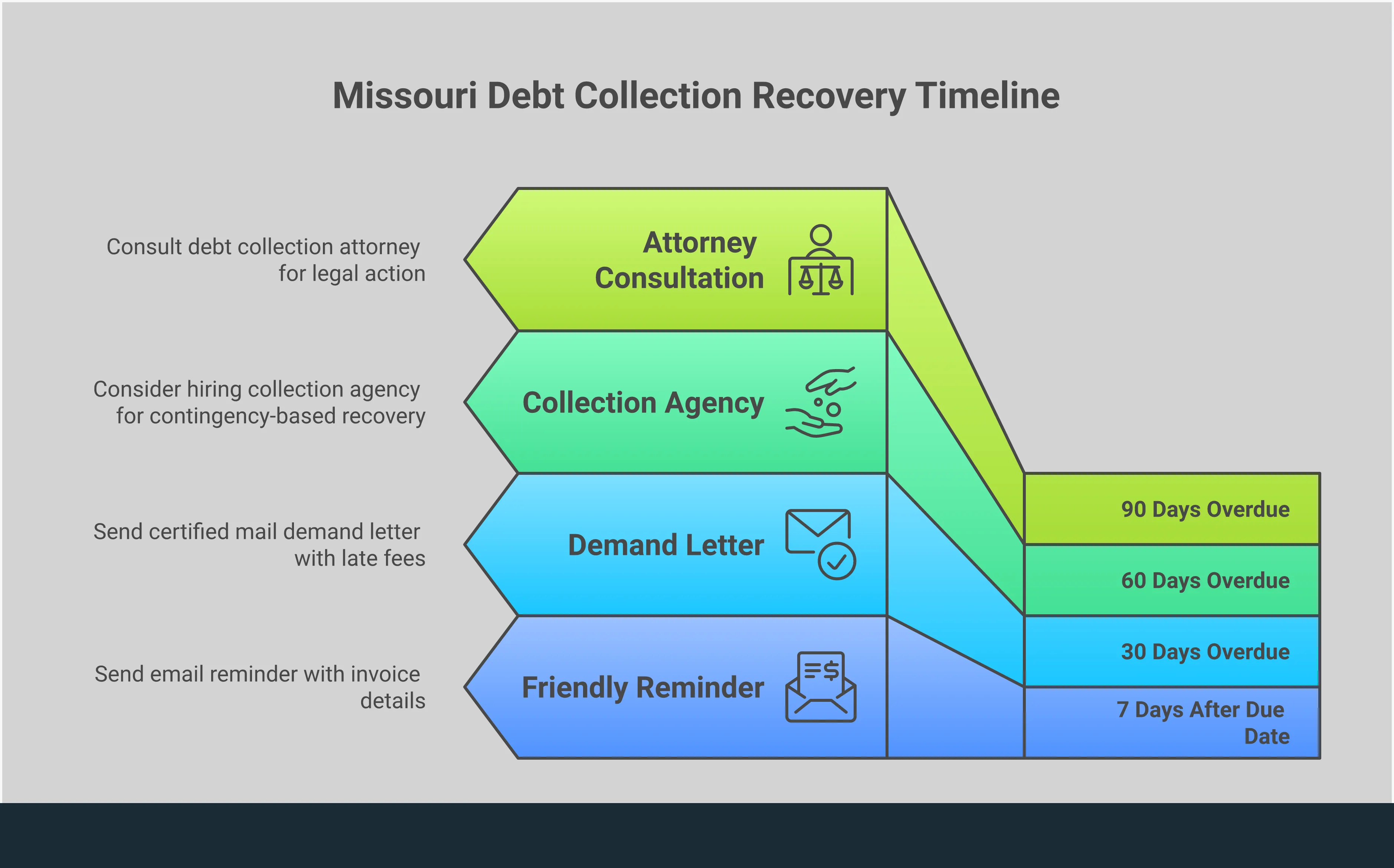
Knowing when to reach out is just as important as knowing what to say. Your first reminder about a late payment should be polite, as it could genuinely be an oversight. A gentle email a few days after the due date is a great start. If you still don’t receive a payment, it’s time to establish a consistent follow-up schedule. Many experts suggest that if an account is still unpaid after 30 days, you may want to consider sending it to a collection agency to improve your chances of recovery. If you find yourself in this position and need guidance, you can always contact our office for help.
Applying the “7 7 7 Rule” for Follow-Ups
A great way to structure your follow-ups is with the “7 7 7 Rule.” It’s a simple timeline: send your first reminder 7 days after the invoice is due, a second reminder 7 days later, and a final notice 7 days after that. This method creates a consistent and professional rhythm for your communications. It removes the guesswork and emotion from the process, ensuring you follow up systematically without appearing aggressive. This structured approach not only shows you’re organized but also helps build the clear paper trail you’ll need if you have to escalate the situation further.
Your first follow-up at the 7-day mark should be a polite email, as the delay could be a simple mistake. At 14 days, your tone can become a bit more direct, and a phone call can be effective here. By the 21-day mark, it’s time for a final, firm notice. This message should clearly state that the invoice is now significantly overdue and mention the next steps, such as applying late fees or sending a formal demand letter. If this structured approach doesn’t yield results, it’s often a sign that you need professional help to recover the debt through formal creditor representation.
What Not to Say When Collecting a Debt
While following up is important, there are a few mistakes you’ll want to avoid. First, don’t harass your clients. Sending bills regularly is fine, but excessive calls or aggressive messages can land you in legal trouble and will certainly ruin the relationship. Second, be aware of Missouri’s statute of limitations on debt. If a debt is very old, a client making a small payment or even just acknowledging they owe it can restart the legal clock, giving you more time to sue. Understanding these legal details is crucial, as missteps can complicate your ability to collect. These issues fall under specific creditor representation laws that are best handled with professional guidance.
Why Hire a Debt Collection Attorney?
When your reminders and demand letters go unanswered, it’s easy to feel like you’ve hit a wall. You delivered your end of the bargain, and you deserve to be paid. This is where a debt collection attorney can make a significant difference. It’s not just about escalating the situation; it’s about protecting your business and using the legal system effectively. An attorney brings the legal knowledge to ensure your efforts are compliant, the professional authority to get noticed, and access to legal tools that can compel payment.
Leverage an Attorney’s Legal Expertise
Collecting a debt is governed by strict regulations. As attorney Chad Gmann explains, “You must follow rules about how you collect debts. These rules protect both you and the person who owes money.” Navigating these laws on your own is risky, as an unintentional misstep could expose your business to a lawsuit. Hiring an attorney provides the legal expertise to ensure every action is compliant and professional. They manage the process correctly from start to finish, protecting your business while working to recover the funds you are rightfully owed.
Get Stronger Representation in Disputes
A letter from a law firm carries more weight than another invoice. If your own attempts have been ignored, this official communication often prompts a response. As Chad Gmann notes, “If your efforts fail, a letter from an attorney can often get attention. For larger debts or complex cases, an attorney can guide you through court.” This professional representation signals to the debtor that you are serious. Should the dispute require legal action, having an experienced advocate on your side is invaluable. If you need this kind of support, it’s best to contact a professional for guidance.
How an Attorney Expands Your Legal Options
An attorney has access to legal tools that go far beyond standard collection attempts. They can file a lawsuit to obtain a court judgment against the debtor, which is a powerful step. Once a judgment is secured, your attorney can pursue more effective collection methods, like garnishing wages or placing a lien on property. These are not actions you can take on your own. Understanding the complexities of debt collection laws in Missouri is crucial, and an attorney ensures these remedies are used legally and effectively to resolve your unpaid invoices.
Should You DIY Collections or Hire a Pro?
Deciding whether to manage overdue invoices yourself or bring in a professional is a major crossroads for any business owner. It’s a tough spot to be in. You delivered a great product or service, but the payment never came. Now, you’re stuck wondering how to proceed. Handling collections in-house might seem like the most direct and cost-effective route, but it can quickly drain your time and energy, pulling you away from the work that actually grows your business. Every phone call and follow-up email is time you’re not spending with paying customers or developing new ideas.
On the other hand, hiring a collection agency or an attorney introduces a new expense, which can feel counterintuitive when you’re already short on cash. The right choice depends on your specific situation, the nature of the debt, and how much time you can realistically dedicate to the collections process. It’s a balancing act between recovering what you’re owed and preserving your sanity. Ultimately, this decision is about protecting your bottom line while managing your resources and client relationships effectively. Let’s break down the key factors to consider so you can make a confident and informed choice for your business.
Know When to Hire a Professional
It’s one thing to send a friendly reminder for a slightly overdue invoice; it’s another to deal with a client who has gone completely silent. You should consider hiring a professional when your own efforts stop working. Red flags include customers who ignore your payment requests, consistently break payment plan agreements, or start disputes just to avoid paying. If you’re dealing with someone who has a known history of non-payment, it’s often best to let an expert take over from the start. A dedicated creditor representation attorney has the experience and legal tools to handle these difficult cases, increasing your chances of recovering the money you’re owed.
Weighing the Cost vs. the Benefit
Trying to collect overdue payments yourself can take a serious toll on your resources. Every hour you spend chasing an invoice is an hour you aren’t spending on serving other clients or finding new business. Plus, the longer a debt goes unpaid, the harder it becomes to collect. While hiring a professional comes with a cost, it often saves you money in the long run. An attorney can manage the entire process, from sending formal demand letters to representing you in court if needed. Remember, the professional you hire is an extension of your business, so it’s vital to choose someone who is both effective and respectful. Finding a partner with integrity ensures your brand’s reputation remains intact.
When to Write Off a Small Debt
Sometimes, the most strategic business decision is to let a small debt go. It’s a frustrating choice, but chasing a minor invoice can cost you more in time and energy than the payment is actually worth. For small amounts, it might be cheaper to accept the loss than to spend your valuable resources trying to collect it. Think of it this way: every hour you spend on a small, unpaid bill is an hour you’re not dedicating to your paying clients or finding new business. This is a key part of making smart, strategic decisions in creditor representation. While it’s crucial to pursue significant debts, knowing when to cut your losses on minor ones protects your most valuable asset—your time.
How to Collect Payment Without Losing a Client
Collecting a debt doesn’t have to mean destroying a client relationship. Your first reminder for a late payment should always be polite, as it could be a simple oversight. When you do communicate, whether in writing or on the phone, keep your tone calm and stick to the facts. Avoid letting emotion or aggression enter the conversation. Sometimes, bringing in a third party, like an attorney, can actually help preserve the relationship. It shifts the conversation from a personal dispute to a formal business matter, allowing a neutral professional to mediate the process. This can lead to a resolution that gets you paid while keeping the door open for future business. If you’re struggling to find that balance, a consultation can help clarify your next steps.
What Are Your Legal Options for Unpaid Invoices?
When friendly reminders and formal demand letters don’t result in payment, it might be time to consider your legal options. Taking legal action can feel intimidating, but it’s often the most effective way to recover the money you’re owed. In Missouri, the legal system provides several pathways for businesses to collect on unpaid invoices, each suited for different situations. It’s not about being aggressive; it’s about protecting your business and ensuring you’re compensated for your hard work.
Understanding these options helps you make an informed decision about how to proceed. Whether you’re dealing with a small, straightforward debt or a larger, more complex case, there’s a legal tool available to help you. From the simplified process of small claims court to the more formal structure of civil litigation, you can take concrete steps to enforce your payment terms. Securing a court judgment is a powerful step that transforms your unpaid invoice into a legally enforceable debt. After that, you can pursue powerful collection methods like garnishment to finally get paid. Let’s look at what each of these legal avenues involves so you can choose the right path for your business.
Explore Mediation Before Litigation
Before you commit to the time and expense of a lawsuit, it’s worth looking into mediation. Think of it as a structured conversation guided by a neutral third person whose only goal is to help you and your client find a solution. This process is often faster, less expensive, and far less confrontational than going to court. It allows both sides to discuss the issue openly and work toward a mutually agreeable payment plan or settlement. Because it’s a more collaborative approach, mediation can sometimes preserve a business relationship that would otherwise be destroyed by a court battle. It’s a practical step that can save everyone involved a lot of stress and resources.
Consider a Mechanic’s Lien
If your unpaid work involved improving a physical property—think construction, landscaping, or architectural services—you may have a powerful option called a mechanic’s lien. This is a legal claim you can file against the property itself. Once a lien is in place, it becomes a public record and can make it very difficult for the owner to sell or refinance the property until your invoice is paid. It creates serious leverage and shows the client you are prepared to take formal action. The process for filing a mechanic’s lien in Missouri is very specific and has strict deadlines, so it’s essential to get professional legal advice to ensure you file everything correctly and protect your rights.
Is Small Claims Court Right for You?
For smaller debts, Missouri’s small claims court is an excellent starting point. If the unpaid invoice is for $5,000 or less, you can use this more accessible legal route. The process is designed to be simpler, and you can even represent yourself without hiring an attorney, which helps keep costs down. It’s a practical and efficient way for small business owners to resolve payment disputes without getting tangled in a complex legal battle. Think of it as a streamlined way to get a judge to formally rule on your case and order the client to pay what they owe.
Understanding the Civil Litigation Process
When the amount owed exceeds the small claims limit or the situation is more complicated, civil litigation is your next step. This process is more formal and often begins with having an attorney send a demand letter on your behalf. Sometimes, a letter from a law firm is all it takes to get a client’s attention and prompt payment. If not, filing a lawsuit is the next move. Having an experienced attorney guide you through the civil litigation process is crucial. They can handle the paperwork, represent you in court, and ensure all legal procedures are followed correctly, giving you the best chance at a successful outcome.
How Garnishment and Asset Recovery Work
Winning a lawsuit is a huge victory, but the work isn’t over until the money is in your bank account. If the debtor still refuses to pay after a court judgment, you can use powerful legal tools to collect. This is where garnishment and asset recovery come in. You can seek a court order for wage garnishment, which directs the debtor’s employer to send a portion of their paycheck directly to you. Another option is a bank levy, which allows you to seize funds from their bank account. You can also place a lien on their property, making it difficult for them to sell or refinance until they settle their debt with you.
Are You Making These Debt Collection Mistakes?
When you’re trying to collect on an unpaid invoice, it’s easy to make a misstep that can cost you time, money, or even land you in legal trouble. Knowing what not to do is just as important as knowing what to do. By steering clear of a few common errors, you can make the collection process smoother and more effective. Let’s walk through the biggest mistakes businesses make and how you can avoid them to protect your company’s financial health and legal standing.
Mistake #1: Waiting Too Long to Act
It’s tempting to give clients the benefit of the doubt, but waiting too long to pursue an overdue payment is a critical mistake. The longer an invoice goes unpaid, the harder it becomes to collect. While many businesses wait 90 days or more, starting the collections process sooner, around the 30-day past-due mark, yields much better results. Acting promptly shows the client you are serious about payment and helps keep your cash flow healthy. Establishing a clear timeline for follow-ups is a great first step in your creditor representation strategy.
Mistake #2: Keeping Incomplete Records
Disorganized records can completely derail your collection efforts, especially if you need to take legal action. From the start of your client relationship, keep meticulous records of everything. This includes copies of the original contract, all invoices, payments made, and a log of every communication about the debt. Be sure to save emails, document phone calls with dates and notes, and keep copies of any letters you send. This paper trail serves as your evidence, creating a clear history of the debt. Strong documentation is your best asset in a dispute.
Mistake #3: Ignoring Legal Requirements
Attempting to collect a debt without understanding the rules can lead to serious legal consequences. In Missouri, collection activities are primarily governed by the federal Fair Debt Collection Practices Act (FDCPA). This act outlines what you can and cannot do when trying to collect a debt, protecting both you and the debtor. You must avoid harassment, false statements, and unfair practices. Being unaware of these regulations isn’t a valid defense if a complaint is filed against you. Following the law protects your business and ensures your collection methods are both ethical and enforceable.
The Reality of Late Payments for Businesses
You’re Not Alone: The Scope of the Problem
If you’re feeling overwhelmed by unpaid invoices, you’re in good company. It’s a near-universal challenge for business owners. In fact, a 2022 study revealed that nearly half of all invoices in the U.S. were paid late. This isn’t always a sign of a bad client; sometimes, payments are delayed due to simple clerical errors, misplaced emails, or because your customer is facing their own financial hurdles. Understanding that this is a common issue can help you approach it with a level head instead of taking it personally. It’s a systemic problem that requires a systematic solution, starting with a clear and consistent collections process for your business.
Key Terms: Outstanding vs. Past-Due Invoices
To manage your collections process effectively, it’s important to use the right language. Two terms that often get used interchangeably are “outstanding” and “past-due,” but they have distinct meanings. An “outstanding invoice” refers to any invoice that hasn’t been paid yet, even if it’s not due. A “past-due invoice,” on the other hand, is one that has officially missed its payment deadline. Making this distinction is crucial for accurate financial tracking and clear communication. When you follow up with a client, specifying that an invoice is “past-due” sends a stronger, more precise message than simply saying it’s “outstanding.” This clarity is foundational, much like having solid payment terms in your initial contract.
How to Prevent Unpaid Invoices in the Future
While knowing how to collect on an overdue invoice is a crucial skill, preventing the situation in the first place saves you time, money, and a lot of stress. A few proactive steps can make a huge difference in maintaining a healthy cash flow for your business. By setting clear expectations from the start and establishing solid internal processes, you can significantly reduce the chances of dealing with non-paying clients. It’s all about creating a framework that encourages timely payments and protects your business. Let’s walk through some of the most effective strategies you can implement right away to safeguard your hard-earned revenue and keep your focus on doing the work you love.
Draft Stronger Contracts and Payment Policies
A handshake agreement might feel friendly, but it won’t hold up when a payment is late. Your best defense against unpaid invoices is a strong, clear contract that’s signed before any work begins. This document should explicitly outline the scope of work, payment schedules, due dates, and any penalties for late payments. Think of it as a roadmap for your professional relationship; it ensures everyone is on the same page and understands their obligations. Having these terms in writing removes ambiguity and provides a solid legal foundation if a dispute arises. If you need help drafting or reviewing your business agreements, exploring different legal practice areas can provide the support you need.
Require Payment Before or During the Project
One of the most straightforward ways to protect your business is to require payment before you even begin. For many service-based businesses, asking for a 50% deposit upfront is standard practice. This secures the client’s commitment and covers your initial costs. For smaller, one-off jobs, it’s perfectly reasonable to require full payment before scheduling the work. You can also use your final deliverables as leverage; never hand over the finished product or complete the final step until the last invoice is paid. This isn’t about distrust—it’s about smart business. You can explain to new clients that they need to pay upfront until they’ve established a payment history with your company, which is a key part of our creditor representation advice.
Bill in Stages for Larger Projects
For larger, long-term projects, waiting until the very end to send a single invoice is a huge financial risk. Instead, break the project down into clear, manageable stages and bill for each one as it’s completed. This method, often called progress billing, ensures a steady cash flow and prevents you from getting too far into a project without payment. For example, you could bill after completing the initial consultation, the first draft, and the final delivery. This approach not only protects your business but also makes the total cost feel more manageable for your client. Just be sure to outline these billing milestones clearly in your initial contract so there are no surprises along the way.
Should You Run Credit Checks on New Clients?
Before you invest your time and resources into a new project, it’s smart to know who you’re working with. A little due diligence upfront can save you a major headache later. For new clients, especially on larger projects, consider asking for professional references or looking up their payment history if possible. For business-to-business work, running a credit check is a standard practice that can give you insight into their financial reliability. This isn’t about being suspicious; it’s about making informed business decisions. Taking a few minutes to vet a potential client helps you spot red flags early and partner with people who value and respect your work.
Simple Invoicing Habits to Get Paid Faster
Your invoicing process can directly impact how quickly you get paid. Send your invoices promptly after completing the work or hitting a project milestone. Make sure each invoice is clear, detailed, and easy to understand, with the due date prominently displayed. If a payment becomes overdue, don’t hesitate to send a polite follow-up reminder. Just as important is keeping meticulous records. Document everything related to the project: contracts, invoices, payment receipts, and all communications about the debt, including emails and notes from phone calls. This paper trail is invaluable if you ever need to escalate the issue and contact a legal professional for assistance with collections.
Helpful Tools and Resources for Collecting Payments
When you’re managing unpaid invoices, you don’t have to go it alone. A number of tools and professional services are available to help Missouri business owners recover what they’re owed efficiently and legally. From software that simplifies tracking to agencies that handle the outreach for you, these resources can lighten your load and improve your collection success rate.
The key is knowing which tool to use and when. For minor, recent debts, a simple software solution might be enough. For older, more stubborn accounts, a collection agency or an attorney might be necessary. Exploring these options can help you build a clear and effective collections strategy that protects your business’s financial health.
Consider Collection Software and Tracking Systems
The foundation of any successful debt collection effort is meticulous record-keeping. Before you can effectively pursue an unpaid invoice, you need a complete and accurate history of the transaction. This includes copies of the original contract, all invoices, payment reminders, and a log of every communication you’ve had with the client. Keeping organized records creates a strong paper trail that can be crucial if you need to take further action. While you can do this manually, using accounting or collection software can automate the process, saving you time and reducing the risk of human error. These systems can track payment statuses, send automated reminders, and store all relevant documents in one secure place.
Automate Invoices and Reminders
Technology can be your best ally in managing and collecting payments efficiently. Instead of manually creating and sending every bill, you can use software to automate the entire process. These systems can generate professional invoices and send them to your clients on a set schedule, ensuring you never miss a billing cycle. More importantly, they can handle the awkward follow-up for you. You can set up automated reminders that send polite but firm emails when a payment is approaching its due date or becomes overdue. This not only saves you valuable time but also depersonalizes the follow-up process, helping you maintain a positive client relationship while still making it clear that you expect to be paid on time.
Use Online Payment Portals
One of the simplest ways to encourage prompt payment is to make the process as easy as possible for your clients. By using an online payment portal, you allow them to settle their invoices with just a few clicks, directly from the email you send. This removes the friction of having to write a check, find an envelope, and mail it. To make it even more convenient, it’s a great idea to offer flexible payment options from the very beginning. Giving clients the choice to pay with a credit card, a direct bank transfer (ACH), or even a “buy now, pay later” plan accommodates their preferences and can significantly speed up your payment cycle.
Monitor Invoice Status in Real-Time
Staying on top of your accounts receivable is key to preventing payments from slipping through the cracks. Many modern accounting systems come with dashboards that let you see the status of all your invoices at a glance. You can quickly identify which invoices are outstanding, which are due soon, and which have become past due. Keeping a close eye on these statuses allows you to be proactive. Instead of waiting for an invoice to be 30 days late, you can send a gentle reminder as soon as the due date passes. This real-time monitoring helps you maintain a healthy cash flow and address potential payment issues before they escalate into serious problems.
Finding a Reputable Missouri Collection Agency
If your own reminders and demand letters aren’t getting a response, a third-party collection agency can be a logical next step. Missouri has several reputable agencies, such as Southwest Recovery Services and Advanced Collection Bureau, that specialize in helping businesses recover outstanding debts. Most of these agencies operate on a contingency basis, which means you only pay them a percentage of the money they successfully collect. This model minimizes your upfront financial risk. Handing an account over to a collection agency signals to the debtor that you are serious about collecting the payment and can often produce results when your own efforts have stalled.
What Happens When an Account Goes to Collections?
When you hand an account over to collections, you’re officially escalating the process by bringing in a third party. This professional, whether it’s a collection agency or an attorney, takes over all communication with the debtor. This step signals to the debtor that you are serious about recovering the payment, and it often produces results when your own efforts have stalled. The collection professional will use their expertise and resources to pursue the debt, which can include formal letters, phone calls, and negotiating payment plans. It’s a significant move that takes the burden off your shoulders, allowing you to focus on your business while an expert handles the difficult conversations. This is why having a complete paper trail of all prior communications is so important, as it provides the collector with the evidence they need to be effective.
Where to Find Legal and Professional Support
For larger debts or particularly difficult cases, seeking legal help is often the most effective route. Sometimes, a formal letter from an attorney is all it takes to prompt a payment. If the situation requires more, a lawyer specializing in creditor representation can guide you through the legal process, whether that means negotiating a settlement or filing a lawsuit. An attorney ensures your collection efforts are fully compliant with state and federal laws, protecting you from potential legal trouble. They can also advise you on all available legal remedies, giving you the best chance to recover your money.
Related Articles
- Collecting Debt in Missouri – Legal Steps for Creditors
- Choosing the Right Missouri Collection Agency: Owner’s Guide
Frequently Asked Questions
What’s the very first step I should take when an invoice is overdue? Your first move should always be a polite and professional reminder. It’s very common for a late payment to be a simple oversight, like a misplaced invoice or a clerical error. A friendly email or a quick phone call is often all it takes to get the payment back on track. This approach maintains a good relationship with your client while still making it clear that the payment is due.
How long do I legally have to collect a debt in Missouri? In Missouri, there’s a legal deadline called the statute of limitations for filing a lawsuit over an unpaid debt. The specific timeframe depends on your agreement. For most written contracts, you have ten years to take legal action. For verbal agreements or open accounts, the window is shorter, typically five years. It’s important to be aware of these deadlines, because if you wait too long, you may lose your right to sue for the money you’re owed.
At what point should I consider hiring an attorney instead of handling it myself? You should think about hiring an attorney when your own collection efforts are no longer effective. If a client is ignoring your reminders and formal demand letters, or if they are disputing the invoice without a valid reason, it’s a good sign that you need professional help. A letter from a law firm often gets a debtor’s attention in a way that your own communications cannot, and an attorney can advise you on the most effective legal next steps.
Is it worth the trouble of going to court for a small amount of money? Yes, it can be. Missouri’s small claims court is designed for disputes involving $5,000 or less. The process is much simpler and more affordable than a traditional lawsuit, and you can represent yourself without a lawyer. It’s a practical tool for small business owners to get a formal judgment and legally enforce a debt without incurring major legal expenses.
How can I prevent unpaid invoices from happening again with future clients? The best way to handle unpaid invoices is to prevent them from happening in the first place. Start by using a clear, detailed contract that outlines your payment terms, due dates, and any late fees before you begin any work. It’s also wise to screen new clients by asking for references. Finally, be disciplined with your own invoicing process by sending invoices promptly and keeping organized records of all transactions and communications.