


The events that lead to a serious brain injury are often everyday occurrences. A fender bender in a parking lot, a slip on a wet floor at the grocery store, or a trip over an uneven sidewalk can all have devastating consequences. What makes these situations so dangerous is the risk of closed head trauma, an injury that happens without any visible wound or fracture to the skull. You might feel fine at first, but internally, the brain may be swelling or bleeding. This guide is here to help you understand this invisible injury, recognize its subtle symptoms, and know what steps to take to protect your health and your legal rights after an unexpected accident.
Key Takeaways
- Don’t Ignore a Head Impact: The most dangerous aspect of a closed head injury is its hidden nature. Symptoms like headaches, memory issues, or mood swings can appear days or weeks later, so seeking a medical evaluation after any accident is a critical first step for your health.
- Your Medical Records Are Your Proof: A strong personal injury claim is built on clear medical evidence. Your doctor’s diagnosis, brain scans, and treatment notes create the official record that connects the accident to your injuries and demonstrates their full impact on your life.
- Legal Support Lets You Focus on Healing: Navigating a personal injury claim involves proving fault and dealing with insurance companies, which is a heavy burden when you’re recovering. An experienced attorney handles these complexities, protecting your rights and fighting for the resources you need for long-term care.
What Is a Closed Head Injury?
A closed head injury is a type of brain injury where the skull remains intact. Unlike an open injury where the skull is fractured, a closed injury happens when the brain is damaged from an external force, like a sudden jolt or blow to the head. The brain can be bruised or shaken, leading to swelling or bleeding inside the skull without any visible signs of trauma on the outside. These injuries are common outcomes of incidents like automobile accidents, falls, and sports-related impacts. Because the damage is internal, the severity isn’t always obvious at first glance, but the consequences can be serious and long-lasting.
If your injury was caused by someone else’s actions, you may be able to seek compensation. In these personal injury cases, the burden of proof is on you to show that the other party was responsible for what happened. This means you must clearly connect their negligence to your injury, which can be a complex process, especially when you’re focused on recovery. You’ll need to gather evidence, document your medical treatment, and demonstrate how the injury has affected your life. This can feel overwhelming, but you don’t have to do it alone. Having a legal professional guide you can make all the difference in building a strong case and ensuring you receive the support you deserve.
Closed vs. Open Head Injuries: What’s the Difference?
The distinction between a closed and an open head injury comes down to one key factor: whether the skull has been broken. In a closed head injury, the skull is not fractured, but the brain is injured by hitting the inside of the skull. Think of it like a bruise on an apple that has been dropped; the skin is intact, but the fruit underneath is damaged.
In contrast, an open head injury involves a fracture or penetration of the skull, which exposes the brain to potential outside elements. Both types of injuries are serious and require immediate medical attention, but the diagnostic and treatment approaches can differ significantly. Understanding this difference is the first step in getting the right care.
Why These Injuries Can Be Deceptive
One of the most dangerous aspects of a closed head injury is how misleading the initial aftermath can be. You might walk away from a fall or a minor car accident feeling shaken but otherwise fine, only to have serious symptoms appear days or even weeks later. This delay can cause significant physical, cognitive, or emotional problems to surface long after the incident.
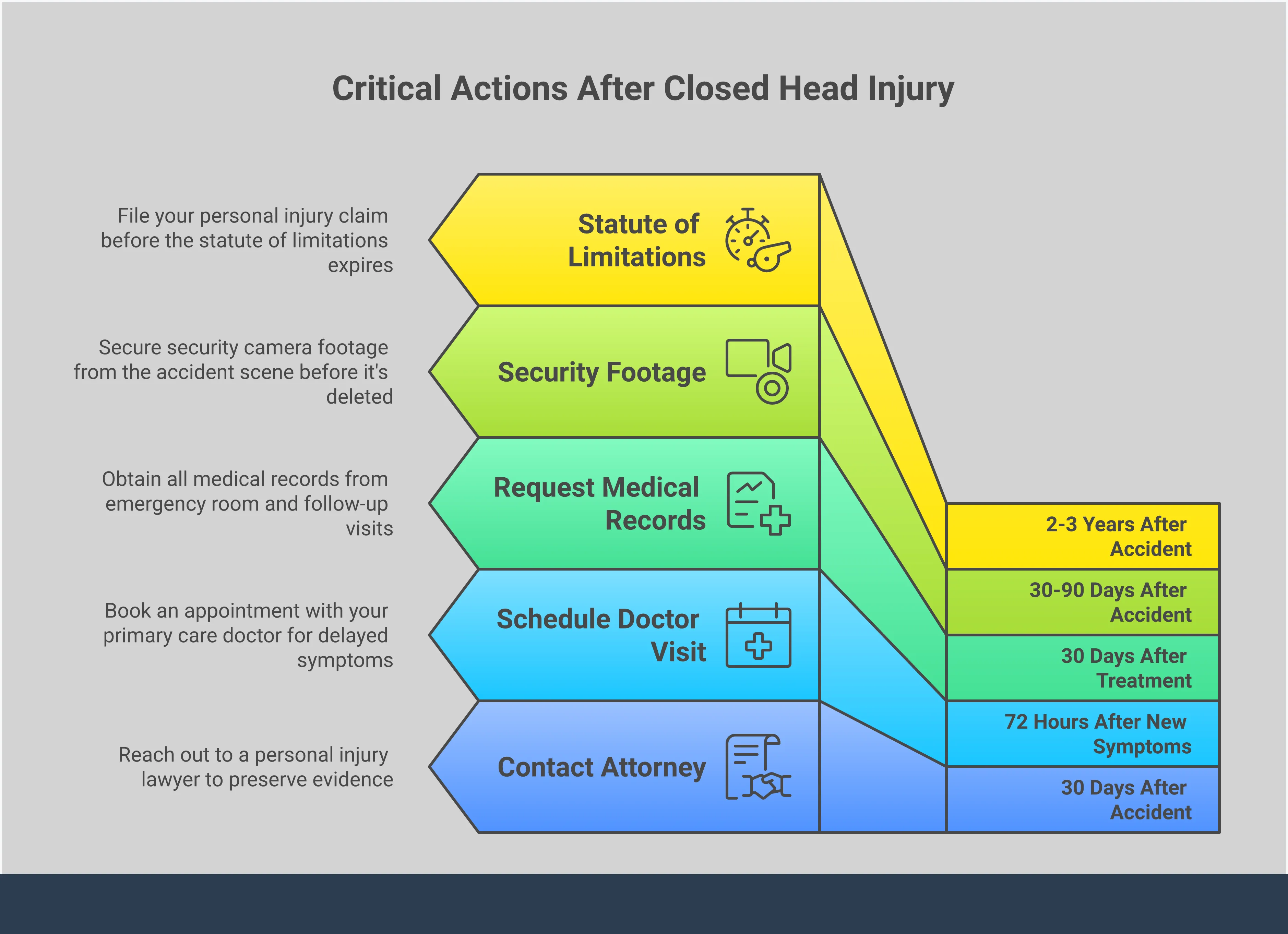
This is why it’s so important to seek a medical evaluation after any event involving a blow to the head, even if you don’t feel hurt. From a legal standpoint, this delay can also complicate your claim. An insurance company might argue that your injuries aren’t related to the accident because you didn’t report them right away. If you find yourself in this situation, it’s wise to contact a lawyer who can help you protect your rights.
What Causes Closed Head Trauma?
A closed head injury can happen in countless ways, often when you least expect it. The common thread is a sudden, forceful impact or jolt to the head that damages the brain without breaking the skull. Understanding the situations that frequently lead to these injuries can help you recognize the risks and know what to do if an accident happens. From everyday commutes to activities at home, the potential for head trauma is more common than many people realize. Let’s look at some of the most frequent causes.
Car Accidents and Other Collisions
Car accidents are one of the most common sources of closed head injuries. During a collision, your head can whip back and forth violently or strike parts of the car’s interior, like the steering wheel, dashboard, or side window. Even at low speeds, the force is enough to cause the brain to slam against the inside of the skull, leading to bruising, swelling, or bleeding. This can happen without any visible cuts or wounds on your head, which is why it’s so important to get a medical evaluation after any crash. If you’ve been in a collision, seeking legal advice about your automobile accident claim can help you protect your rights.
Slips, Trips, and Falls
You don’t have to be in a high-speed crash to suffer a serious head injury. Simple falls are a leading cause of traumatic brain injuries, especially for young children and older adults. A slip on a wet floor, a trip over an uneven sidewalk, or a fall from a ladder can all result in your head hitting the ground with significant force. When these incidents happen on someone else’s property due to unsafe conditions, it may fall under premises liability. The property owner could be responsible for failing to maintain a safe environment, making it crucial to understand your options if you’ve been hurt.
Sports-Related Incidents
Athletes, both professional and amateur, face a risk of closed head injuries every time they play. Contact sports like football, hockey, and soccer often involve direct blows to the head. However, you don’t need a direct impact to get a concussion, which is a mild form of traumatic brain injury. A sudden jolt or violent shaking of the head can be enough to cause damage. Recognizing the symptoms of a concussion and getting proper medical care is essential for a safe recovery. Repeated injuries can have serious long-term consequences, so taking any sports-related head impact seriously is key.
Accidents at Work
Your workplace should be a safe environment, but accidents can and do happen. Closed head injuries on the job can result from a variety of incidents, such as falling from scaffolding, being struck by a falling object, or slipping on a hazardous surface. These situations can be complicated, often involving workers’ compensation claims or even personal injury lawsuits if a third party’s negligence contributed to the accident. If you’ve been injured at work, it’s important to report the incident immediately and seek medical attention. Understanding your legal rights can ensure you receive the care and compensation you need to recover.
What Are the Symptoms of a Closed Head Injury?
After a fall or an accident, it’s easy to focus on the visible scrapes and bruises. But with a closed head injury, the most serious symptoms aren’t always obvious. Because your brain is protected by your skull, the damage happens internally, and the signs can be subtle or even show up days or weeks later. Understanding what to look for is the first step in protecting your health and your rights. It’s important to pay close attention to how you feel, both physically and mentally, after any incident that involves a blow to the head.
Immediate Warning Signs
Right after an impact, you might feel a bit dazed, but some symptoms signal a more serious issue. A persistent headache, dizziness, nausea, or slurred speech are all red flags. Even if you don’t lose consciousness, these signs shouldn’t be ignored. In more severe cases, a closed-head injury can cause seizures, convulsions, or a complete loss of consciousness. If you or a loved one experiences any of these symptoms after an accident, getting a medical evaluation right away is the most important thing you can do. Don’t try to “tough it out,” as prompt medical care is essential.
Delayed Symptoms to Watch For
One of the most deceptive things about a closed head injury is that you might feel fine at first. However, as swelling in the brain develops, new problems can surface days or even weeks later. You might notice you’re having trouble with your memory or finding it hard to concentrate. Some people experience sudden personality changes, feeling more anxious, irritable, or depressed than usual. You could also notice shifts in your senses, like blurred vision or a strange taste in your mouth. It’s critical to connect these delayed symptoms to the original incident, as they are often key indicators of a brain injury that needs attention.
When to Seek Emergency Care
While any head injury symptom is worth a doctor’s visit, some signs require immediate emergency care. If a headache continues to get worse, or if you experience repeated vomiting or seizures, head to the nearest emergency room. Other critical warning signs include slurred speech, profound confusion, or weakness on one side of the body. According to experts at Johns Hopkins Medicine, delaying treatment can lead to more significant brain damage or worse. Your health is the top priority. Once you are safe and have received medical care, you can begin to think about the next steps, including how to handle the legal side of your personal injury case.
How Doctors Diagnose and Treat Closed Head Trauma
After a potential head injury, getting a prompt medical diagnosis is the top priority. Doctors use a combination of exams and advanced imaging to understand the trauma. This medical documentation is vital for your health and becomes the foundation of any potential legal claim. Because the brain is so complex, the diagnostic and treatment process is thorough and tailored to your specific injury. Understanding what to expect can help you feel more in control during a challenging time.
The Diagnostic Process: From Exams to Brain Scans
When you arrive at the hospital, a doctor will perform a neurological exam, checking your motor skills, balance, and reflexes. They will also ask questions to assess your memory and cognitive function. To get a clear picture of what’s happening inside your skull, they will likely order imaging tests like a CT scan or an MRI. These scans help doctors spot bleeding, bruising, or swelling in the brain. This medical evidence is crucial, as proving liability in a closed head injury case rests on clearly connecting the accident to the injury your medical team has documented.
Understanding the Glasgow Coma Scale
Doctors often use the Glasgow Coma Scale (GCS) to quickly assess the severity of a brain injury. It’s a 15-point test that measures your ability to open your eyes, speak, and move your body. A higher score, typically 13 to 15, indicates a milder injury, while a score of 8 or less suggests a severe injury. The GCS gives medical professionals a standard way to measure your level of consciousness right after the incident and monitor your progress. It’s one of the first and most important assessments you’ll receive.
Your Path to Recovery: Treatment and Rehabilitation
Your treatment plan will be designed specifically for your injury. For mild concussions, the primary treatment is often physical and mental rest. For more severe injuries, immediate medical intervention might be necessary to reduce pressure on the brain, which could involve medication or even surgery. After being stabilized, many patients begin a rehabilitation program that may include physical therapy to regain strength, occupational therapy to relearn daily tasks, and speech therapy to address communication challenges. This journey can be long, and having the right support can ensure you have the resources for your recovery.
What to Expect: Long-Term Effects and Recovery
The path forward after a closed head injury is unique for every person. While some symptoms fade over time, others can have a lasting impact on your life. Understanding these potential long-term effects is the first step in preparing for the road ahead and ensuring you have the support you need. Recovery is a process, and it’s important to be patient with yourself and recognize that healing takes time. The journey involves addressing not just the physical injuries, but also the cognitive and emotional changes that can follow.
Potential Cognitive and Memory Challenges
It’s common to face challenges with thinking and memory after a closed head injury. You might find it difficult to concentrate, organize your thoughts, or solve problems that once felt simple. Memory issues are also a significant concern. The effects can be devastating for a family, sometimes involving the loss of both short-term and long-term memories. These cognitive shifts can affect your ability to work, manage daily tasks, and interact with others. It’s crucial to remember that these difficulties are a direct result of the injury, and seeking specialized therapy can help you develop strategies to manage them.
Emotional and Behavioral Shifts
A brain injury can profoundly affect your emotional well-being. It’s not unusual to experience mood swings, increased irritability, anxiety, or feelings of depression. In fact, research shows that more than half of people who sustain a traumatic brain injury will face mental health challenges. These changes can be confusing and distressing for both you and your loved ones. Friends and family may notice you seem like a different person. Professional support from therapists or counselors who specialize in brain injuries can provide you with the tools to work through these emotional hurdles and help your family understand what you’re going through.
Physical Complications
While the initial injury may be invisible, the long-term physical complications can be very real. Many people live with chronic headaches, persistent dizziness, or a constant feeling of fatigue that doesn’t improve with rest. You might also develop a sensitivity to light and sound or experience ongoing sleep problems. These symptoms can require continuous medical treatment, physical therapy, or other forms of long-term care. Accurately calculating these potential future expenses is a critical part of building a strong legal case, ensuring you have the resources for your recovery. If you have questions about this process, our team is here to help you get in touch.
What Influences Your Recovery Timeline?
There is no set timeline for recovering from a closed head injury. Several factors play a role, including the severity of the initial trauma, your age, and your overall health before the accident. The quality and consistency of your medical care and rehabilitation also make a huge difference. The brain has a remarkable capacity to heal, and as Johns Hopkins Medicine notes, recovery can happen as other areas of the brain work to compensate for injured tissue. Following your doctor’s treatment plan and giving yourself grace are key parts of the healing process.
Common Myths About Closed Head Injuries
When it comes to head injuries, what you don’t know can hurt you. Misinformation is everywhere, and believing a common myth could prevent you from getting the care you need after an accident. It’s easy to downplay an injury, especially when you feel okay at first. But understanding the truth behind these injuries is the first step toward protecting your health and your rights. Let’s clear up a few dangerous misconceptions about closed head trauma so you can make informed decisions.
Myth: A “Normal” Scan Means You’re Fine
One of the most persistent myths is that a “normal” CT scan or MRI gives you a clean bill of health. While these imaging tests are great for spotting skull fractures or brain bleeds, they don’t always detect concussions or other microscopic brain injuries. According to the Society for Academic Emergency Medicine, a patient might still have a concussion even if their CT scan is normal and will need proper follow-up care. Your doctor’s clinical evaluation and your reported symptoms are just as important as any scan. Never assume a clear scan means you’re in the clear; always follow your doctor’s advice for rest and monitoring.
Myth: No Visible Injury Means No Serious Harm
It’s a mistake to judge the severity of a head injury by what you can see. A closed head injury happens inside the skull, so there might not be a single cut, scrape, or bruise on the outside. The brain can be jolted against the skull from the force of a car accident or a fall, causing significant damage without breaking the skin. These internal injuries can be incredibly serious, and it’s a fact that men are more likely to sustain them than women. If you’ve experienced any kind of blow to the head, it’s critical to pay attention to how you feel, not how you look. Seeking a personal injury lawyer can also help you understand your options if the injury was caused by someone else’s negligence.
Myth: Symptoms Always Show Up Right Away
You might feel perfectly fine immediately after an accident, only to develop symptoms hours, days, or even weeks later. This delay is often caused by brain swelling, which can gradually increase pressure inside the skull and lead to new or worsening symptoms. You might initially dismiss a mild headache, only for it to become a sign of something more serious. This is why medical observation is so important after any head trauma. Keep a close watch for any changes, like persistent headaches, dizziness, confusion, or mood swings. Documenting these delayed symptoms is not only vital for your health but also for any potential legal claim.
Can You Prevent Closed Head Trauma?
While you can’t prevent every accident, you have more power than you might think to reduce your risk of a closed head injury. Many of these injuries are avoidable, and it all starts with being aware of potential dangers and making conscious choices to protect yourself and your family. Taking proactive steps in your daily life, whether you’re at home, at work, or on the road, can make a significant difference. It’s about building simple safety habits that can help you avoid a life-altering injury.
Safety Tips for High-Risk Activities
Many of the activities we enjoy come with a certain level of risk, but that doesn’t mean we have to stop doing them. It just means we need to be smart about it. Using the right safety gear is one of the easiest and most effective ways to protect yourself. Always wear a helmet when riding a bike, motorcycle, or scooter. If you play contact sports, a proper helmet is non-negotiable. The same goes for being in a car; using seat belts and age-appropriate car seats drastically reduces the risk of a closed-head injury during a crash. It’s also critical to never drive while impaired or get in a car with someone who is.
How to Stay Safe at Home and Work
You might be surprised to learn that falls are one of the leading causes of brain injuries in the U.S., especially for young children and older adults. Making your home a safer space can prevent many of these accidents. Simple fixes include securing rugs, keeping walkways clear of clutter, installing grab bars in the bathroom, and using non-slip mats in the shower. At work, follow all safety protocols, especially if your job involves heights or heavy machinery. If you do hit your head, whether at home or on the job, seek medical attention right away. Even if you feel fine, some symptoms can be delayed. Following your doctor’s advice is the best way to ensure a full and safe recovery. If your injury was caused by unsafe conditions on someone else’s property, you may be facing a premises liability case.
Facing Legal Hurdles After Your Injury
After a closed head injury, your top priority is your health and recovery. But as medical bills start to arrive and you miss time from work, the financial and legal side of things can quickly become overwhelming. Pursuing a personal injury claim can help you get the compensation you need to cover these costs, but the process comes with its own set of challenges. You may find yourself needing to prove exactly how the accident happened, fighting with insurance companies, and gathering extensive medical records to build your case. It’s a lot to handle when you should be focused on getting better.
Understanding these hurdles is the first step toward overcoming them. When someone else’s carelessness causes your injury, you have the right to seek justice. This often involves establishing who was at fault, negotiating with insurers who may not have your best interests at heart, and using clear medical evidence to show the true extent of your injuries. Handling this alone while you’re trying to heal can feel impossible. That’s why many people turn to a legal professional who understands the different practice areas of personal injury law and can manage the details for you. A good lawyer acts as your advocate, making sure your rights are protected every step of the way.
Proving Who Was at Fault
In any personal injury case, you have to show that another person or party was legally responsible, or “at fault,” for the accident that caused your injury. This is often called the “burden of proof.” It means you need to provide evidence that the other party was negligent, meaning they failed to act with reasonable care, and that this failure directly led to your closed head trauma. For example, in a car accident, you might need to show the other driver was texting or speeding. In a slip and fall, you might have to prove the property owner knew about a hazard and did nothing to fix it. This can be especially tricky with closed head injuries, as the connection between the accident and the symptoms isn’t always immediately obvious.
Dealing with Insurance Company Tactics
Once you file a claim, you will likely have to deal with an insurance company. It’s important to remember that their main goal is often to protect their bottom line, which can mean paying out as little as possible. Insurance adjusters may use various tactics to downplay your claim. They might question how severe your injury truly is, argue that it was caused by a pre-existing condition, or offer a quick, low settlement before you know the full extent of your medical needs. For traumatic brain injuries, where symptoms can be subtle or delayed, these tactics are common. An experienced attorney can communicate with the insurance company on your behalf and fight for a fair outcome. If you’re feeling pressured, it’s a good time to get in touch with a legal expert.
Using Medical Evidence in Your Case
Your medical records are the foundation of your personal injury claim. This evidence is what connects the accident to your diagnosis and shows the impact the injury has had on your life. Strong medical evidence includes everything from initial emergency room reports and brain scans to notes from your doctor’s appointments and testimony from medical experts. An attorney can help you gather all the necessary documentation and present it in a way that clearly demonstrates the link between the trauma and the cognitive, emotional, or physical difficulties you’re now experiencing. This detailed medical story is crucial for proving your case and securing the compensation you need for your recovery. It takes a knowledgeable legal professional like Chad G. Mann to weave this evidence into a compelling case.
Where to Find Support and Resources
Recovering from a closed head injury is a process that involves more than just medical treatment. It requires a strong support system for both the survivor and their family. Finding the right resources can make a significant difference in your physical, emotional, and financial recovery. From specialized rehabilitation programs to community support groups and legal professionals, help is available. Knowing where to turn can empower you to take control of your healing journey and secure the assistance you need to move forward with confidence.
Medical and Rehabilitation Programs
After a diagnosis, the next step is a tailored recovery plan. Medical and rehabilitation programs are designed to help you regain function and adapt to any changes. Specialized centers offer valuable traumatic brain injury resources, including evaluation tools that identify patterns of recovery for patients with cognitive and memory challenges. For families and caregivers, understanding the path ahead is just as important. A comprehensive Brain Injury Handbook can be an excellent, practical resource to help you understand the rehabilitation process. These programs provide the structured support needed to work toward your best possible outcome.
Brain Injury Support Organizations
You don’t have to go through this alone. Connecting with others who understand what you’re experiencing can be incredibly healing for both survivors and their families. Brain injury support organizations provide a community of people who can share advice, offer encouragement, and simply listen. Groups like Headway offer a wealth of information and support for anyone affected by a brain injury. Many organizations also have programs that offer direct connections and assistance to help families assess their needs and create a plan for improving their quality of life. These groups are a vital source of emotional and practical help.
Finding the Right Legal Guidance
While you focus on healing, it’s also important to consider the financial and legal aspects of your injury, especially if it was caused by someone else’s negligence. Proving liability in closed head injury claims can be complex and often requires the help of an experienced personal injury attorney. A skilled lawyer understands the specific legal and medical considerations involved in these cases. They know how to demonstrate that the trauma is consistent with the symptoms you’re experiencing. Working with a lawyer who focuses on personal injury ensures your case is handled with the necessary expertise to protect your rights and secure the compensation you deserve.
When Is It Time to Call a Lawyer?
After a serious accident, your first priority is always your health. But as you begin to recover, you might start to wonder about the financial impact of your injury. Medical bills pile up, you may be unable to work, and the stress can feel overwhelming. This is the point where you should consider getting legal advice. If you or a loved one has suffered a closed head injury because of someone else’s negligence, an experienced attorney can seek compensation to assist with medical bills, lost wages, and other damages. It’s not just about the immediate costs; it’s also about accounting for future medical needs, rehabilitation, and the long-term effects on your quality of life.
You don’t have to figure this out alone. A personal injury lawyer acts as your advocate, handling the complex legal details so you can focus on healing. They can investigate the accident, gather evidence like police reports and witness statements, and determine who is at fault. They also become your shield against insurance companies, who often try to settle for less than you deserve. The sooner you reach out, the better. An attorney can preserve crucial evidence before it disappears and start building your case right away. If you’re facing mounting expenses and an uncertain future after an injury, a consultation with a lawyer can provide clarity and a path forward. It’s about ensuring you have the resources you need to cover your recovery and secure your financial stability.
How to Protect Your Rights After an Accident
Protecting your rights after an accident starts with understanding that the other party’s insurance company is not on your side. Their goal is to pay out as little as possible. Establishing liability in closed head injury claims can be complex, and it requires the help of an experienced personal injury attorney. The burden of proof is on you to show that the other party was responsible for your injuries. An attorney helps you meet this burden by gathering police reports, witness statements, medical records, and expert testimony. They will build a strong case to prove negligence and fight for the full compensation you deserve for your personal injury.
Don’t Miss Your Deadline: Understanding the Statute of Limitations
One of the most critical factors in any personal injury case is the statute of limitations. This is a legal deadline that sets a strict time limit on your right to file a lawsuit. The statute of limitations for personal injury claims varies by state, but it typically ranges from one to three years. It is crucial to file your claim within this timeframe to ensure your right to seek compensation is preserved. If you miss this deadline, you will likely lose your ability to take legal action, no matter how strong your case is. An attorney can tell you the exact deadline for your situation in Missouri and make sure all paperwork is filed correctly and on time, protecting your case from being dismissed on a technicality.
Related Articles
- What is CTE? A Guide to Causes and Symptoms
- Can Trauma Cause Brain Damage? What to Know
- How Long Can You Live With a Brain Lesion? Explained
- Live Brain Lesion: Your Guide to What Comes Next
For more information, read our guide on signs and symptoms of head injuries.
For more information, read our guide on secondary brain injuries.
For more information, read our guide on accident injury attorney.
Frequently Asked Questions
I hit my head in an accident but felt fine afterward. Now, weeks later, I’m having headaches and memory problems. Is it too late to do anything? No, it’s definitely not too late. It is very common for symptoms of a closed head injury to appear days or even weeks after the initial incident. This delay happens because it can take time for swelling or other internal damage to become noticeable. From a legal perspective, it’s important to document these new symptoms with your doctor immediately and explain the connection to the accident. An insurance company might try to argue the delay means the injury isn’t related, but an experienced attorney knows how to counter this by using medical evidence to show the clear link between the trauma and your current condition.
My doctor’s brain scan came back “normal,” but I still don’t feel right. How can I prove my injury is real? This is a frustrating but common situation. A “normal” CT scan or MRI is good news because it rules out severe issues like bleeding or a skull fracture, but these scans can’t always detect microscopic brain damage or concussions. Your injury is real, and it’s proven through other means. Your own report of symptoms, detailed medical records from your doctor, and specialized neurological exams are all powerful forms of evidence. In a legal case, this information is used to create a complete picture of how the injury has affected your daily life, which is often more compelling than a single scan.
What kind of information should I be keeping track of after my injury? Keeping a simple journal can be incredibly helpful for both your medical care and any potential legal claim. Make daily notes about your physical symptoms, like headaches or dizziness, as well as any cognitive or emotional changes you notice, such as trouble concentrating or feeling unusually irritable. You should also track all your medical appointments, medications, and any time you miss from work. This detailed record provides a clear timeline and helps demonstrate the full impact the injury has had on your life, which is essential information for your doctor and your attorney.
I’m worried about the cost. How can I afford a lawyer when I’m already facing medical bills? This is a valid concern for almost everyone in this situation. Most personal injury lawyers, including our firm, work on a contingency fee basis. This means you don’t pay any attorney fees upfront. The lawyer’s fee is a percentage of the settlement or award you receive at the end of your case. If you don’t win your case, you don’t owe any attorney fees. This approach allows you to get expert legal representation without adding to your financial stress while you’re focused on recovery.
The insurance adjuster for the other party seems friendly and offered me a quick settlement. Should I take it? You should be very cautious. While the adjuster may seem helpful, their job is to resolve your claim for the lowest possible amount. A quick settlement offer is often a tactic to close the case before the full extent of your injuries, especially a closed head injury, is known. Accepting an offer means you give up your right to seek any further compensation, even if your medical problems get worse. It is always wise to speak with an attorney before signing anything or agreeing to a settlement to ensure the offer is fair and covers your long-term needs.
If you or a loved one has been affected by a brain injury in Springfield or Southwest Missouri, the experienced legal team at The Law Office of Chad G. Mann is here to help. Contact our traumatic brain injury guide for a free consultation, or call (417) 842-8679 today.
Have you been injured? Take our free injury questionnaire to help us understand your case, or call (417) 842-8679 for a free consultation today.