

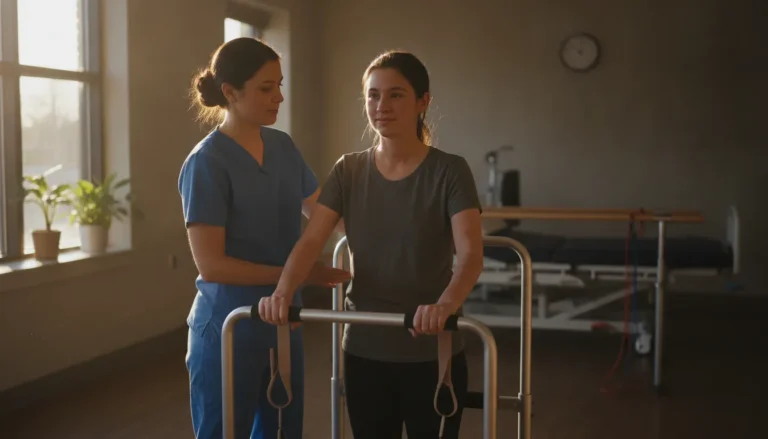
A serious burn can change daily life in seconds, while recovery may involve repeated procedures, rehabilitation, scarring, and uncertainty about future care. Families in Springfield often have to manage those demands while medical bills accumulate and an insurance company evaluates the claim.
A burn injury lawyer Springfield MO families trust can investigate how the injury happened, identify the parties responsible, and protect a claim for current and future medical needs. Missouri law may allow recovery even when an injured person shares some fault, but the amount can be reduced by that percentage. A lawyer who understands insurance practices can also assess whether an insurer is minimizing the long-term impact of the injury.
Burn injuries are not all alike, and their depth can affect treatment, prognosis, and the support a survivor may need for years. Understanding those medical differences is an important first step in evaluating the legal options available after a catastrophic burn.
Understanding Burn Injuries: Types, Severity, and Medical Impact
Burn injuries are classified by how deeply heat, chemicals, electricity, or another source damages tissue. That classification helps doctors determine the urgency of treatment, but it does not fully capture what recovery may require. A burn that appears limited at first can deepen, become infected, or leave lasting effects on movement, sensation, and appearance.
How doctors classify burn depth
First-degree burns affect only the outer layer of skin. They commonly cause redness and pain and may heal with limited medical intervention. Second-degree burns extend deeper and can produce blisters, intense pain, and open wounds. Depending on their depth and size, they may require specialized wound care, surgery, or skin grafting.
Third-degree burns destroy the full thickness of the skin. They may look white, brown, or charred, and the damaged area may have reduced sensation because nerve endings have been destroyed. Fourth-degree burns extend beyond the skin into fat, muscle, or bone. These injuries are especially serious and may require repeated surgeries, reconstruction, rehabilitation, and long-term support. The depth classifications are documented in medical literature, including research indexed by the National Library of Medicine.
Comparison of burn injury classifications
| Degree | Tissue damage | Appearance | Typical treatment |
|---|---|---|---|
| First-degree | Outer skin layer (epidermis) | Redness, minor swelling | Over-the-counter care, heals in days |
| Second-degree | Epidermis and part of dermis | Blisters, intense redness, weeping | Wound care, possible grafting |
| Third-degree | Full thickness of skin | White, brown, or charred; may be numb | Surgery, grafting, rehabilitation |
| Fourth-degree | Skin, fat, muscle, or bone | Charred; exposed deeper tissue | Repeated surgeries, reconstruction, long-term care |
Why the numbers matter
The CDC has reported hundreds of thousands of burn injuries in a year, including 3,529 fatal and 287,926 nonfatal injuries in its 2020 WISQARS data. The American Burn Association reports approximately 29,165 burn-related hospital admissions annually and a 97.6% survival rate for patients treated at burn centers. Survival, however, is not the same as a full recovery. A person may still face months or years of wound care, physical therapy, scar management, reconstructive procedures, and emotional support.
Severity shapes recovery and future care
Treatment needs depend on burn depth, the percentage of body surface affected, the location of the injury. The victim’s age and health, and whether smoke inhalation or other trauma occurred. Burns affecting the face, hands, feet, joints, or genitals can interfere with essential functions even when they cover a relatively small area.
Those medical realities also affect the financial picture. Hospitalization may be followed by grafting, rehabilitation, medications, compression garments, counseling, and future surgeries. Families should preserve medical records, treatment recommendations, and documentation of work limitations. When a burn becomes a catastrophic injury, a catastrophic injury lawyer in Springfield MO can help evaluate both immediate losses and the continuing care a medical team expects.
Common Causes of Burn Injuries in Southwest Missouri
Burn injuries can happen in a moment, but their effects may continue through surgeries, rehabilitation, painful scarring, and long-term changes to daily life. In Southwest Missouri, the cause of the fire or thermal exposure often determines which people, companies, or insurers may be legally responsible.
Workplace fires, explosions, and chemical exposure
Construction sites, factories, warehouses, and other industrial workplaces can expose workers to open flames, hot equipment, electrical hazards, combustible materials, and dangerous chemicals. A worker may suffer burns in an explosion, from a chemical splash. Or when an employer or contractor fails to maintain equipment, provide protective gear, or follow applicable safety procedures. If you or a family member was injured on a job site, a Springfield construction accident attorney can help assess how workers’ compensation, third-party liability, and insurance coverage may overlap.
Car and truck accident fires
A collision can cause a vehicle to catch fire, release fuel, or expose occupants to hot fluids and smoke. Burn injuries may also affect people who stop to help after a crash. The investigation may involve vehicle maintenance, the conduct of another driver, cargo loading, roadway conditions, or a defective component. Preserving photographs, vehicle records, crash evidence, and medical documentation can be important before those details disappear.
Defective products and unsafe premises
Some burns result from products that malfunction or lack adequate warnings, such as appliances, heaters, batteries, tools, or flammable consumer goods. Other injuries occur because a property owner or manager failed to address a hazardous condition. Gas explosions, electrical fires, apartment fires, blocked exits, and missing smoke detectors can raise premises liability questions, depending on the facts and applicable duties.
Venue can also matter. Burn cases connected to Springfield and Greene County may be heard in Southwest Missouri urban venues with jury pools that can be receptive to carefully documented injury claims. The appropriate venue depends on where the incident occurred, where the parties are located, and the specific legal issues. A fact-based review can help identify all potentially responsible parties without assuming an outcome.
How Insurance Companies Value Burn Injury Claims
After a serious burn, an insurer may appear to be gathering information to help your family. In practice, the carrier is also assessing its potential financial exposure. Adjusters review the medical records, liability evidence, degree of impairment, and likely claim value. The first numbers discussed may reflect what the insurer can justify paying now, not what a survivor may need throughout recovery.
Reserves and settlement authority shape the negotiation
Insurance companies typically set a reserve, or an internal estimate of what a claim may cost. That estimate can change as the carrier receives more complete medical evidence, expert opinions, and information about lost income or permanent limitations. Larger settlements may also require approval through layers of settlement authority, rather than a single adjuster making the final decision. Understanding that structure helps explain why an early offer may be presented as firm when the insurer has not fully evaluated the claim.
Chad G. Mann brings an unusual perspective to this process. Before representing injured people, he worked for insurance companies. That experience gave him direct knowledge of how carriers evaluate claims, document exposure, set reserves, and decide whether to increase settlement authority. His role now is not to promise a result, but to test whether the insurer’s valuation accounts for the full consequences of the injury.
Future care is often the largest missing piece
Burn claims are frequently undervalued when an insurer focuses on bills already incurred and discounts what comes next. A serious burn may require additional surgeries, scar revision, skin grafting, rehabilitation, counseling, medication, and long-term care. The need for some treatment may not be apparent while the wound is still healing. The firm’s client guidance notes that insurers may minimize immediate payouts by ignoring future surgeries, rehabilitation, and long-term care costs.
A careful claim should therefore address more than emergency treatment. Medical specialists, rehabilitation professionals, and life-care planners may help explain the services a survivor could need and the projected cost of those services. Evidence about work limitations, daily activities, disfigurement, and pain can also show why a short-term medical snapshot does not capture the injury’s lasting impact.
When a denial or delay may involve bad faith
Not every disputed claim is insurance bad faith. Proving bad faith requires showing that the insurer lacked a reasonable basis for denying or delaying the claim. The relevant evidence may include the insurer’s investigation, requests for records, internal reasoning, communications, and treatment of comparable information. Chad Mann’s insurance background can be especially useful when examining whether the carrier followed a reasonable claims process or used delay and incomplete valuation to pressure a settlement.
If an insurer has made a low offer, denied responsibility, or delayed payment after a burn injury, preserve the letters, recorded statements, claim forms, and medical documentation. A consultation with the firm can help your family understand what the valuation appears to include and what it may leave out.
Missouri Law and Compensation for Burn Victims
A serious burn can affect nearly every part of life, from medical treatment and work to relationships and emotional well-being. Missouri law recognizes that compensation may need to address both the losses already documented and the consequences that may continue for years.
Missouri rules that may protect your claim
Missouri follows a pure comparative fault rule. A burn victim may still recover damages even if they share responsibility for the incident. The award is reduced by the victim’s percentage of fault, rather than eliminated entirely. The facts of each case matter, especially when an insurer argues that the injured person caused or contributed to the fire.
Missouri also has no statutory caps on compensatory damages in personal injury cases. That means there is no fixed ceiling on properly supported compensation for losses such as medical care, lost income, pain, and suffering. These rules can be important in catastrophic cases, where future treatment and permanent effects may be substantial. Missouri personal injury law resources provide additional background.
In most Missouri personal injury cases, the statute of limitations is five years from the date of injury. That deadline does not mean a family should wait. Evidence can disappear, memories can fade, and insurers may begin building their position soon after a claim is reported. A prompt review can help identify the responsible parties and preserve records needed to evaluate the case.
Losses that may be part of a burn injury claim
Depending on the circumstances, a claim may seek compensation for:
- Past and future medical expenses, including surgeries, hospitalization, medication, rehabilitation, and follow-up care
- Lost wages and diminished earning capacity when the injury limits work now or in the future
- Pain and suffering associated with treatment, recovery, and lasting physical effects
- Scarring, disfigurement, and the emotional impact of visible or permanent changes
- Loss of consortium affecting a spouse’s relationship and shared life
The Law Office of Chad G. Mann also reports a $12 million wrongful death verdict, recognized as the No. 2 result in Missouri in 2024. That result does not predict what any other case is worth, but it reflects experience with high-stakes injury litigation. A Springfield burn injury lawyer can help assess the evidence, future care needs, and legal theories involved without promising a particular outcome.
When to Contact a Burn Injury Lawyer in Springfield MO
After a serious burn, treatment and family responsibilities come first. Legal guidance does not replace medical care, but contacting a lawyer early can protect your ability to pursue a complete claim while important evidence is still available.
- Contact a lawyer soon after the incident. Early involvement can help preserve photographs, witness information, incident reports, product evidence, and other records that may become harder to locate later. It also gives your family a clear point of contact while you focus on recovery.
- Get advice before giving a recorded statement to an insurance adjuster. An adjuster may ask about how the incident happened, your symptoms, or your expected recovery before the full medical picture is known. Do not guess about your prognosis or sign a release without understanding what rights you may be giving up. Burn claims can involve future surgeries, rehabilitation, scarring, lost income, and other needs that are not obvious in the first days.
- Ask for legal guidance when medical bills are growing. If treatment costs are approaching available policy limits, or the insurer proposes a quick settlement, have the offer reviewed first. A settlement that addresses only current bills may not account for continuing care. Burn injuries can require long-term care plans, and the claim should be evaluated with those needs in mind.
- Call when long-term effects become clear. Ongoing pain, limited movement, scarring, emotional harm, or the need for additional procedures can change how a claim should be valued. A lawyer can work with medical information and other evidence to document those effects rather than relying on an early estimate.
Chad Mann previously worked with insurance companies and understands how carriers evaluate claims, set reserves, and negotiate settlements. That perspective can help protect burn victims from low offers that overlook future needs. The Law Office of Chad G. Mann offers a free consultation for families in Springfield and Southwest Missouri. You can seek guidance without committing to a particular legal course.
Frequently Asked Questions
When should I talk with a lawyer after a burn injury?
Consider speaking with a lawyer as soon as your immediate medical needs are addressed, especially if another person, business, employer, product, or insurance company may be responsible. Early advice can help preserve evidence, identify all potentially responsible parties, and prevent an insurer from treating an incomplete medical picture as the full value of your claim. This is particularly important when recovery may involve surgeries, rehabilitation, scarring, or long-term care.
Can I recover compensation if I was partly responsible for the burn?
Possibly. Missouri follows a pure comparative fault rule, so an injured person may recover even when partly at fault, although the recovery is reduced by that percentage of fault. The facts matter, including what caused the fire or exposure, whether safety rules were followed, and how each party contributed to the injury. Missouri law information should be evaluated alongside the evidence in the individual case.
What compensation may be available after a catastrophic burn?
A claim may seek compensation for documented medical treatment, future medical care, rehabilitation, lost income, pain, suffering, and other losses supported by the evidence. Missouri does not impose statutory caps on compensatory damages in personal injury cases, but that does not guarantee a particular result. The nature of the burn, expected recovery, financial losses, and responsibility for the incident all affect the claim.
How long do I have to bring a burn injury claim in Missouri?
For most Missouri personal injury cases, the statute of limitations is five years from the date of the injury. Exceptions and special rules can apply, including in cases involving minors, government entities, or other unusual facts. Because waiting can make evidence and medical documentation harder to develop, a timely review is important even when the deadline appears distant.
Schedule a Free Consultation About Your Burn Injury
Understanding your legal options can help you and your family make informed decisions while recovery continues. To discuss your circumstances with a Missouri burn injury attorney, schedule a free consultation. You can share what happened, ask questions about the process, and learn whether legal guidance may be appropriate for your situation.