

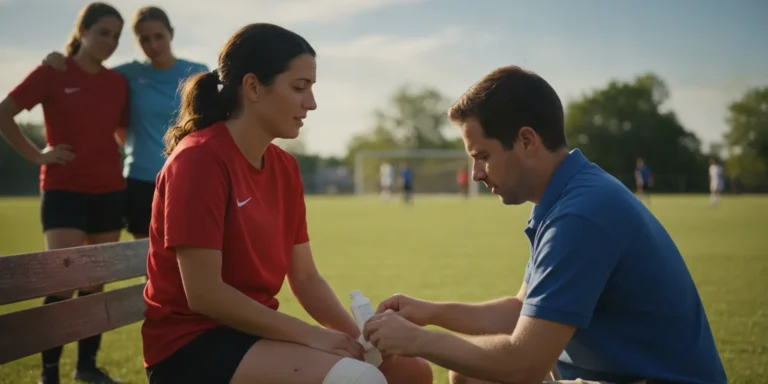
A sports injury can affect an athlete’s health, school, work, and family finances at the same time. If you are looking for a sports injury lawyer Missouri residents can consult, the first question is not simply who was hurt. It is whether the injury resulted from an ordinary risk of the activity or from conduct, conditions, or equipment that may create legal responsibility. The answer depends on the setting, the people involved, the applicable duties, and the evidence available.
Discuss your situation with the office
When might a sports injury involve legal responsibility?
Sports include contact, speed, uneven movement, and the possibility of falling or colliding. An injury during routine play does not, by itself, prove that another person or organization was negligent. A legal claim generally requires evidence of a duty, a failure to use the required care, a connection between that failure and the injury, and legally recognized losses. The duty may differ depending on whether the activity was a school practice, youth league, private gym session, organized competition, or informal game.
Facts that may deserve closer examination include a dangerous playing surface, defective or poorly maintained equipment, inadequate supervision where supervision was expected, or a safety rule ignored in a way that contributed to the injury. A collision can also raise different questions depending on whether it was an ordinary part of the sport or involved conduct outside the activity’s expected risks. These are issues to investigate rather than conclusions that follow from the injury alone.
More than one party may have a role. Potentially relevant parties can include another participant, a coach, a school, a league, a facility operator, an equipment maker, or an organization that controlled the event. Identifying a possible party is only an initial step. The evidence must connect that party’s conduct or condition to the injury and the losses that followed.
What types of sports incidents should be examined more closely?
A useful starting point is to compare the event with the ordinary risks that participants reasonably expect. A normal tackle, a typical change of direction, or contact that follows the rules may be treated differently from a concealed hazard or a preventable safety failure. Consider documenting the incident carefully when it involved circumstances such as:
- A wet, damaged, uneven, or poorly marked surface that may have contributed to a fall.
- Protective equipment or sporting equipment that was broken, unsuitable, improperly fitted, or not maintained.
- A failure to follow a known safety procedure, including a rule about inspection, supervision, or emergency response.
- A dangerous activity or drill conducted without precautions appropriate to the setting and participants.
- Conduct that went beyond ordinary play and caused a collision or other injury.
- A delay in responding to an apparent emergency, when the facts support a duty to respond.
The relevant comparison is not whether an accident occurred. Accidents can happen even when everyone acts carefully. The more useful questions are what should reasonably have been done, who was responsible for doing it, whether it was done, and how the omission or conduct affected the injury.
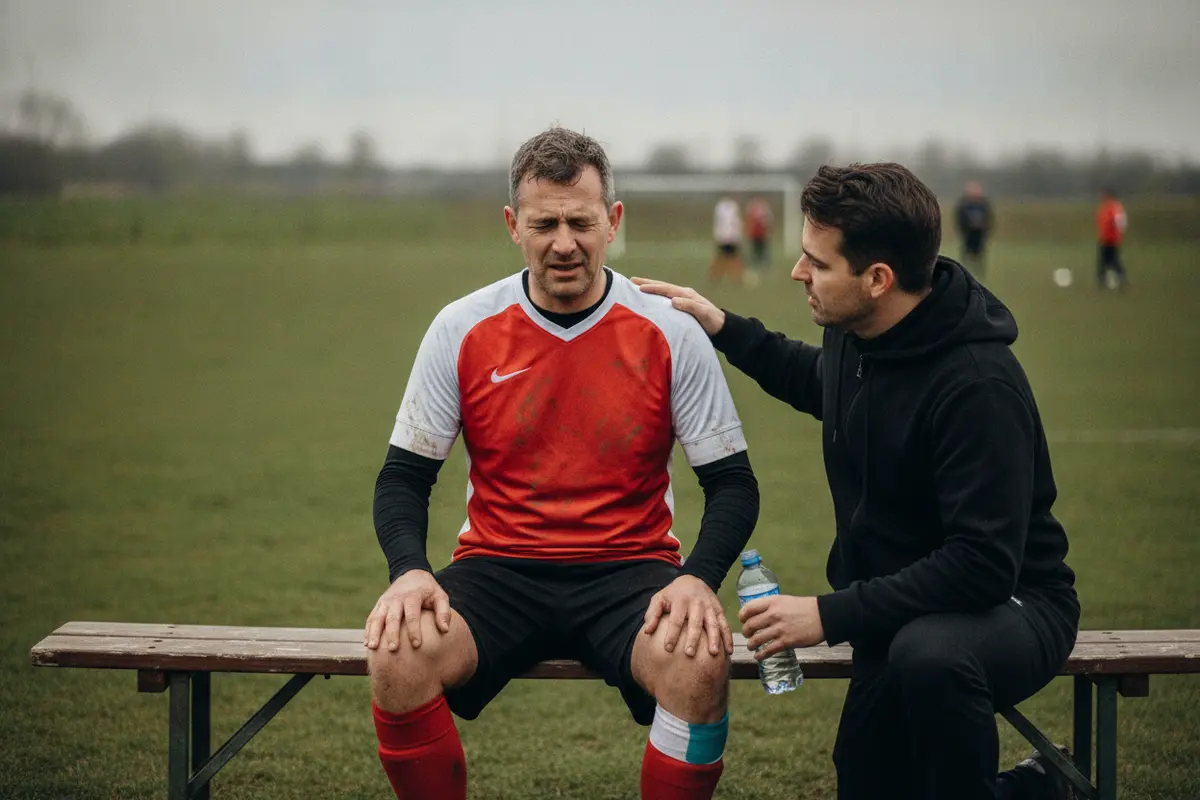
Medical needs come first. Seek prompt care for symptoms that require evaluation and follow the treating professional’s instructions. A suspected head, neck, or serious joint injury should not be left unexamined because a family is focused on proving fault. Medical records can later help explain the diagnosis and treatment, but treatment should be based on health needs rather than a legal strategy.
What should you do immediately after a sports injury?
Once urgent medical needs are addressed, take practical steps to preserve information. Write down the date, time, location, activity, weather or lighting conditions, sequence of events, and names of people who were present. Record what you personally saw and heard. If another person described an important detail, identify that person rather than presenting the statement as your own observation.
Ask the organization how it records incidents and keep a copy of any report you are given. If a coach, school, league, or facility says that video exists, make a prompt written request that relevant footage be preserved. A request does not guarantee that the footage will be produced, and surveillance systems may overwrite recordings. Still, preserving a dated copy of the request can show that the organization was placed on notice of the need to retain it.
Keep communications factual and measured. Do not post speculation about fault, private medical information, or a detailed account of the incident on social media. Do not alter messages, photographs, or recordings. If the athlete is a child, a parent or guardian should keep a separate record of the child’s symptoms, appointments, school absences, and changes in ordinary activities.
What evidence can help explain a sports injury?
Evidence should help answer two connected questions: what happened, and what effect did it have? Preserve original files whenever possible. Useful material may include:
- Photographs or video of the field, court, floor, equipment, lighting, barriers, and visible conditions.
- Names and contact information for witnesses, with a short note about what each person observed.
- Incident reports, schedules, registration materials, rules, safety policies, and emergency procedures.
- Messages with coaches, administrators, facility personnel, insurers, or other participants.
- Medical records, discharge instructions, bills, prescriptions, and follow-up appointment information.
- Records of missed work, missed school, transportation for care, replacement services, and other out-of-pocket effects.
- Photographs showing visible injuries over time, stored with the date and without editing.
Try to preserve context, not just a single image. A photograph of a damaged surface is more useful when the record also identifies where it was taken, when it was taken, and how the condition relates to the location of the incident. A witness list is more useful when it distinguishes a person who saw the collision from someone who only heard about it afterward.
For a general checklist of circumstances that may justify a legal conversation, review the firm’s guide to signs you should hire a personal injury attorney. The firm’s personal injury questionnaire can also help organize dates, parties, treatment, and other basic facts before an appointment.
How can the sports setting change the analysis?
The same physical injury can raise different legal questions in different settings. A private facility may have responsibilities related to premises conditions and equipment. A school or youth program may have policies about supervision, training, emergency response, and communication with parents. A league may have rules for officials, participants, and field inspection. An informal game may involve fewer formal procedures, but that does not answer whether a dangerous condition or other conduct created responsibility.
Look for the relationship between the parties. A facility operator may know about a recurring condition. A coach may have information about a participant’s limitations or a safety concern. An equipment provider or manufacturer may be relevant when a product failed. The specific facts must support any claim against a particular party; the existence of a contract, registration form, or organization does not automatically establish liability.
Rules of the sport may be important evidence, but a rulebook is not always the same as the legal standard. A violation can help explain what happened, yet the legal effect depends on the facts and applicable law. Conversely, an action that was not penalized during a game does not necessarily resolve whether a separate legal duty was breached.
How do waivers affect a sports injury claim?
Many programs, gyms, camps, and facilities ask participants or parents to sign releases or waivers. Do not assume a signed form automatically ends every possible claim. Do not assume it has no effect, either. The language, the person who signed it, the participant’s age, the activity described, the circumstances of the injury, and the law applicable to the claim may all matter.
A waiver may address ordinary risks that a participant knowingly accepted. It may not answer every question about a dangerous condition, conduct outside expected play, equipment problems, or another legal theory. Whether a provision is clear, broad enough, and enforceable is a fact-specific legal question. A statement by an organization that the form prevents all legal action is not a substitute for reviewing the actual document.
Keep copies of registration pages, signed forms, membership agreements, online notices, safety rules, and emails. Preserve the version that applied when the injury occurred, if you can obtain it. Do not discard a waiver because it seems unfavorable, and do not treat it as a final answer before its language and the surrounding facts are reviewed.
How can Missouri comparative fault affect a sports injury analysis?
Missouri follows a pure comparative fault approach in personal injury cases. In broad terms, a person’s own share of fault may reduce a recovery, but partial responsibility does not automatically bar recovery. The percentage assigned and its effect depend on evidence and the legal issues presented.
Sports cases can involve disputes about an athlete’s actions, another participant’s conduct, the condition of the premises, instructions given by a coach, and risks inherent in the activity. That is why an accurate account is important. Do not hide a fact that may be unfavorable, but do not accept an unsupported conclusion that the injured athlete caused the entire event. Preserve the full sequence so the different contributions can be evaluated.
The firm’s information on understanding comparative fault provides related context. Comparative fault does not eliminate the need to prove duty, breach, causation, and damages. It also does not guarantee that a claim will produce compensation.
What losses may need to be documented?
A sports injury can affect more than the first emergency visit. Depending on the facts, records may need to show medical treatment, rehabilitation, future care questions, time away from work or school, changes to ordinary activities, and expenses paid by the athlete or family. Keep bills and explanations of benefits together, but do not assume that a bill alone proves the legal value of a claim.
A short daily log can make changes easier to explain. Note pain or other symptoms in plain language, activities that became difficult, appointments attended, prescribed restrictions, and assistance required from family members. Avoid exaggerating. A consistent record that distinguishes good days from difficult days is generally more useful than a collection of broad statements.
For a child, preserve school communications and attendance records when the injury affects participation or learning. For an adult, keep employer communications and time records when symptoms affect work. These documents do not decide responsibility, but they can help show the practical effect of the injury and identify questions that require further review.
What deadlines and insurance issues should you consider?
Missouri generally has a five-year limitations period for many personal injury actions, but exceptions and different rules can apply depending on the claim, the parties, and the injured person’s circumstances. Claims involving public entities or minors may raise additional requirements or timing issues. A general statement about a deadline should not be used as a reason to wait. Ask about the specific facts early enough to identify any shorter period or required notice.
An insurer may request a recorded statement, medical authorization, documents, or a release. Before signing, ask what the request covers and keep a copy of everything submitted. Record the claim number, dates, names, and substance of communications. A prompt settlement offer may not account for treatment that is still developing, future care, disputed fault, or the full scope of losses. That does not mean every offer is inadequate; it means the terms should be understood before a final release is signed.
The firm’s overview of contingency fees in Missouri explains one common payment arrangement for personal injury representation. Fee terms, expenses, and the scope of representation should always be confirmed in the written agreement for a particular matter.
What are the main next steps, and how do they compare?
| Step | Purpose | Questions to address |
|---|---|---|
| Obtain medical care | Address health needs and create a treatment record | What symptoms require prompt evaluation, and what instructions were given? |
| Record the incident | Preserve details while memories are fresh | Who was present, what happened in sequence, and what was personally observed? |
| Preserve the scene and files | Document conditions and reduce the risk of lost evidence | Are photos, video, reports, messages, or equipment records available? |
| Review forms and rules | Understand the program’s documents and expectations | What waiver, policies, registration materials, and sport rules applied? |
| Track effects and expenses | Explain the injury’s practical and financial consequences | What treatment, restrictions, missed activities, and costs followed? |
| Seek case-specific guidance | Evaluate responsibility, deadlines, and communications | Which facts are established, disputed, or still need investigation? |
These steps do not need to occur in a perfect order. Emergency care takes priority. Evidence preservation can follow as soon as it is safe and practical. The purpose is to create a reliable record, not to turn an injured athlete or family member into an investigator at the expense of medical recovery.
How can you evaluate a sports injury lawyer in Missouri?
When comparing legal options, ask whether the lawyer handles injury matters, how the particular sports setting would be investigated, who will communicate with you, and how fees and case expenses are addressed. Ask how the lawyer would assess a waiver, the event rules, facility conditions, available insurance, and any dispute about comparative fault. A useful consultation should identify both possible paths and important uncertainties.
You can review Chad G. Mann’s background and the firm’s practice areas as part of that process. The firm’s insurance background informs its understanding of how insurers may evaluate, negotiate, or deny claims. It does not determine what an insurer will do in a particular case or guarantee an outcome.
The Cornell Legal Information Institute directory of Missouri sports attorneys is one general directory resource. Its listings concern sports and entertainment law broadly, are not an endorsement, and do not establish a lawyer’s experience with a particular personal injury claim. Check whether any lawyer you contact is a suitable fit for the facts and legal issues involved.
You may also review the firm’s personal injury attorney articles for additional educational material. Reading general information cannot replace advice about your own incident, but it can help you prepare focused questions for a consultation.
Frequently asked questions
Does getting hurt during a game mean someone was negligent?
No. A sports injury alone does not prove negligence. The analysis considers ordinary risks, the conduct of the people involved, applicable duties, the condition of the setting or equipment, and the connection between any unsafe conduct and the injury.
Can a parent pursue a claim for a child’s sports injury?
A parent or guardian may need to act for an injured child, but the rules can differ based on the child’s age, the claim, and the parties involved. Timing and required procedures may also differ. Obtain advice based on the child’s circumstances rather than relying on a general deadline.
Should we keep the signed waiver?
Yes. Preserve the waiver and related registration materials, rules, and communications. The form’s effect depends on its language and the surrounding facts, so it should be reviewed rather than discarded or treated as conclusive.
What if the athlete may have contributed to the incident?
Be candid about the athlete’s actions and preserve the complete account. Missouri’s comparative fault rules can make each person’s conduct relevant, but the effect depends on the evidence and legal analysis. Partial responsibility does not automatically answer every issue in a claim.
When should a family seek legal guidance?
Consider seeking guidance when the injury is serious, responsibility is disputed, a waiver or insurance request raises questions, a public entity may be involved, or important evidence may be lost. Early review can help identify deadlines and preservation steps without deciding the outcome in advance.
Contact the office about your injury
When can legal guidance help?
Legal guidance may help organize the facts when a sports injury has created significant medical or financial consequences, when more than one party may be involved, or when the ordinary risks of play are difficult to separate from a preventable condition or act. A careful review can clarify what is known, what remains uncertain, what records may matter, and which next steps may fit Missouri law. This article is general information and cannot determine the outcome of a particular sports injury claim.