


A product recall may raise urgent questions when a product has injured you or someone in your family. A product recall injury claim Missouri consumers consider may involve preserving the item, understanding the notice, documenting medical care, and identifying which businesses played a role. A recall can be important evidence, but it does not by itself prove who is legally responsible or what a claim is worth.
Discuss your situation with the law office
What does a recall establish—and what does it not establish?
A recall is an action taken because a product may create a safety risk or fail to meet a requirement. The notice can help identify the product, hazard, affected models or batches, and recommended response. Keep the notice as it appeared when you found it, along with later updates. The U.S. Consumer Product Safety Commission explains its recall process and consumer safety notices at its recalls page; checking the issuing agency’s notice can help clarify which product identifiers and actions it names.
A recall alone does not establish that a particular unit caused a particular injury, that a company acted negligently, or that compensation is available. A claim may require a close look at the product’s condition, how it was used, warnings and instructions, the injury, and the relevant legal theory. A product may injure someone before a recall is announced, or a recalled product may not be the cause of a particular incident.
Missouri product-liability questions can involve complex facts and legal rules. The firm’s guide to defective-product claims in Missouri provides broader context. The steps below focus on information specific to recall-related injuries.
What evidence should you preserve after a recall-related injury?
Preserve the product in its current condition if it is safe to do so. Stop using it if it may pose a risk. Do not put anyone in danger to keep evidence. Avoid discarding, repairing, altering, or returning the item before documenting it and considering how it can be preserved. Follow official safety instructions if they call for immediate action.
- The item and components: Keep the product, parts, accessories, and failed or broken components together when practical. Store them securely, away from further use or damage.
- Packaging and identifiers: Save the box, labels, model and serial numbers, lot or batch codes, manuals, inserts, and warranty materials. Photograph marks clearly.
- Condition and scene: Take wide and close photographs of the product, damage, and incident location. Note the date and approximate time. Do not clean or change the scene until documented unless safety requires it.
- Recall materials: Save the notice, emails, letters, screenshots, and webpage address. Record where and when you saw the notice and preserve later updates.
- Purchase and ownership: Keep receipts, order confirmations, payment records, retailer messages, and records showing when and where the product was acquired. If it was a gift or secondhand purchase, write down what you know about its history.
- People and events: Write a factual account while details are fresh. Record who used the product, what happened immediately before and after, and witness names and contact information. Separate what you observed from what others told you.
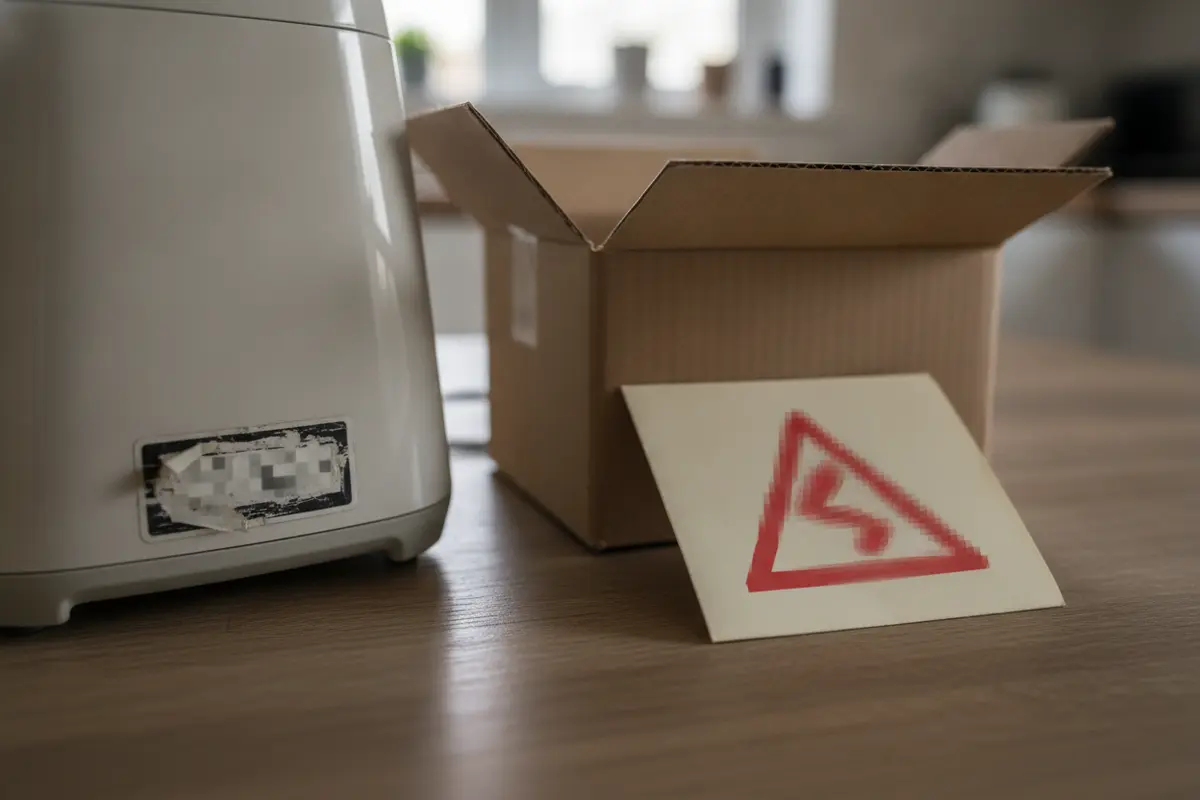
Keep original digital files where possible. Make a separate copy for sharing, and do not mark up original photographs. If recall instructions require a return, document the item first and retain instructions, shipping receipt, tracking, and communications. Consider legal guidance before surrendering or disposing of an item that may be evidence.
How can you document the recall notice and proof of purchase?
Notices may be updated or cover only certain models, production dates, and code ranges. Save the full notice rather than a cropped image. Record the publication date, issuing organization, product description, identifiers, stated hazard, and the steps consumers are told to take. If you find an updated notice, preserve it alongside the version you first saw.
Compare the notice with the product itself. Photograph model and serial labels so numbers are legible. If a label is missing or damaged, preserve what remains and note where information came from; do not guess at a code. Create a simple timeline: when you acquired the product, first used it, when the injury occurred, and when you learned of the recall.
A receipt is useful but not the only possible purchase record. Search email and retailer accounts for order histories. If someone else bought the product, ask that person to preserve transaction records and describe when and where it was purchased. Keep a short note identifying the source of each record, such as a store email or bank statement. This makes a collection easier to understand later.
For example, an online order confirmation may show the seller and date but not the exact model code. A photograph of the product label may supply that missing identifier. Keep both records together and annotate a separate inventory sheet with the file names and what each item shows. Do not alter the original email or image. If the purchase came from a marketplace, save the listing and seller information as displayed, because a listing can change or disappear.
How do medical records connect the product to the injury?
Seek appropriate medical care promptly. Tell the treating provider what happened, which product was involved, and when the event occurred. Be accurate and avoid speculation about the defect or legal responsibility. If symptoms change, follow up with a medical professional and explain the change.
Keep discharge instructions, visit summaries, diagnostic reports, medication records, referrals, and bills. Note missed work, help needed at home, and effects on ordinary activities. Do not alter records or delay necessary care to collect documents.
The question is often not simply whether an injury occurred, but whether reliable evidence connects the product or a product-related hazard to that injury. Medical records can document diagnosis and treatment; photographs, witnesses, identifiers, and the sequence of events may add other pieces. Preserve facts even if the cause is not yet clear. A dated note can distinguish an early account from later recollection.
Use a straightforward chronology rather than trying to diagnose the cause. Note when the incident happened, when symptoms began, when care was sought, and what providers advised. If there was a delay in care, record the reason honestly. Keep a folder for bills and insurance explanations, but remember that an explanation of benefits is not necessarily the same as a provider bill or proof of payment. Organizing these records helps clarify what is known and what still needs to be requested.
Which companies may need to be identified?
A product can pass through several hands before reaching a consumer. Depending on facts and applicable law, issues may involve a manufacturer, component supplier, importer, distributor, or retailer. A company’s presence in the chain does not automatically establish responsibility. Product design, manufacture, warnings, sale, and the particular injury require careful evaluation.
Record names and addresses shown on the item, packaging, receipt, website, or manual. Save communications with the seller or manufacturer, including recall responses and refund or replacement offers. Note who supplied the product if it came through a marketplace or was given by another person. Do not assume the brand printed on the item is the only relevant business.
Be truthful in company or insurer communications, but do not guess about how an incident happened or make unnecessary admissions. Keep copies of what you send and ask for written return or inspection instructions. A company may ask to examine the item. Before allowing testing, repair, destruction, or transfer, consider how those steps could affect evidence and seek advice about preservation.
Keep communications calm and specific. Ask for the representative’s name, company, date, and any reference number. If offered a refund, replacement, or repair, save the written terms and note whether the offer requires returning the item or signing a release. Do not assume that accepting a routine recall remedy resolves a separate injury question; the terms and circumstances matter. Avoid signing documents you do not understand, and do not send original records when a copy will do.
How do Missouri deadlines affect a product injury claim?
Deadlines depend on the legal claims and facts involved. Missouri personal-injury limitation periods may apply, but the correct deadline should not be assumed from a general article. The injury date, type of claim, parties, and other circumstances can matter. A recall date does not necessarily start, pause, or extend the time to bring a claim.
Evidence concerns may arise well before a filing deadline. A product can be lost, altered, returned, or discarded; other records may not remain available indefinitely. Keep a dated timeline and preserve communications. If an injured person is a child, or a government entity or other special party may be involved, do not assume ordinary timing rules apply without individualized legal review.
Missouri follows a pure comparative fault system, so a person’s own share of fault does not automatically bar recovery, though it may affect damages under the law. How the principle applies to a product claim depends on evidence and legal issues. An assessment should distinguish a defect allegation from questions about use, modification, warnings, and other possible causes.
It can help to keep two timelines. The first is an event chronology: purchase, use, incident, treatment, and recall notice. The second is an action list: requests made, responses received, records still missing, and any stated dates for return or inspection. Neither replaces legal advice about a filing deadline. It does make it less likely that an important date or communication will be overlooked while you focus on recovery.
What records are useful at each stage?
| Stage | Records to preserve | Why they may help |
|---|---|---|
| After the incident | Product and parts, photographs, scene details, witness names, dated notes | Documents condition and event sequence |
| After learning of recall | Full notice, webpage or email, model and batch identifiers, updates | Shows which products and hazards the notice describes |
| Tracing the purchase | Receipt, order history, payment record, seller communications | Helps identify when and where the product was obtained |
| During medical care | Visit summaries, diagnoses, instructions, bills, work and daily-life notes | Records treatment and reported effects |
| During company contact | Emails, return instructions, shipping records, inspection requests | Tracks requests, transfers, or offers |
For example, suppose a small appliance breaks during ordinary use and causes a cut. A useful file might contain photographs showing the broken part and its label, the full recall notice if one applies, a dated description of the event, the purchase email, and medical visit records. Those materials do not decide liability. They help an evaluator compare the notice to the specific item and understand the reported injury.
Now consider a different situation: the item is still intact, but its instructions say to stop using it after a recall notice. The safety direction comes first. Photograph the item and identifiers only if safe, then follow the notice’s instructions. If a return is requested, retain the shipping confirmation and a copy of what was sent. The record should make clear what the company received, when it received it, and whether any component was kept. The right approach depends on the danger and the specific instructions; evidence preservation never justifies continued exposure to a hazard.
What should you avoid doing?
- Do not casually discard the product or packaging. Take reasonable safety steps, document what remains, and preserve relevant components where possible.
- Do not alter or repair it before documenting its condition. A repair can change features that may matter to an investigation.
- Do not rely on the recall notice alone. Preserve evidence about the specific item, event, and injury.
- Do not post detailed speculation online. Keep a private, dated account instead.
- Do not ignore medical instructions or legal time limits. Gathering information should not become a reason to delay care or miss a deadline.
Also avoid treating a product-safety refund process as the same thing as an injury claim review. The forms, records, and questions may differ. Read what you are asked to sign, keep copies, and ask for clarification if a document describes a release or waiver. If the company wants the only remaining item, pause to consider how to document its condition and obtain advice about preserving the evidence while still following necessary safety directions.
Frequently asked questions
Can I have a claim if the product was recalled after the injury?
The timing can be relevant, but it does not decide a claim by itself. Preserve the notice and product identifiers and document the injury and care. The facts and legal requirements determine whether a claim may be available.
What if I no longer have the receipt?
Look for order confirmations, retailer account history, payment records, warranty registration, or messages with the person who bought the item. Keep what you find and note its source. A missing receipt does not answer every question about the product’s origin.
Should I send the product back for a refund?
Follow urgent safety instructions, but first document the item and keep the return notice, tracking, and communications. If the product may be evidence in an injury claim, consider legal advice before transferring or disposing of it, and ask how it will be preserved and inspected.
Does a recall mean the manufacturer is automatically liable?
No. A recall can identify a safety concern, but responsibility depends on the product, alleged defect or warning issue, injury, and evidence. Other businesses’ roles may also require review.
Contact the office to discuss your questions
What are sensible next steps?
Make safety and medical care the priority. Then preserve the product and records, save the full recall notice, write a factual timeline, and keep communications in one organized file. Because Missouri deadlines and product-liability issues depend on individual circumstances, consider discussing the facts with a Missouri attorney promptly. The firm’s personal injury questionnaire can help organize information, and the Missouri product-liability guide offers broader context. You can also find the office’s attorney background and additional educational articles.
Careful documentation cannot guarantee a particular result, but it can preserve facts for an informed review of what happened and what options may be available.