


A drowning or near-drowning can leave a family facing urgent medical needs and difficult questions. When an incident happens in Missouri, a drowning accident lawyer Missouri families consult may help explain how supervision, a pool barrier, a boat, or property conditions could be investigated. The incident alone does not establish legal fault. The circumstances, evidence, applicable law, and medical information all matter.
Discuss the circumstances with the law office
What should families do first after a drowning or near-drowning?
Medical care and immediate safety come first. Follow the treating professionals’ guidance and keep a record of appointments, instructions, symptoms, and changes in daily activities. A person who survives a water emergency may need evaluation and continuing care; only qualified medical providers can assess and explain that person’s condition.
When immediate needs are addressed, make a factual record while memories are fresh. Note the date, approximate times, exact location, people present, and what each person directly observed. Record when someone noticed the emergency, what happened next, and who contacted emergency responders or the property operator. Mark uncertain details as uncertain rather than trying to fill gaps.
Families may find it helpful to separate what is known, what someone reported, and what still needs to be checked. Seeing that a gate was open on arrival is a direct observation; hearing that its latch had been broken earlier is information from another person unless the writer saw it personally. That distinction can help an attorney assess the information without confusing recollection with proof.
How can the location shape a Missouri drowning claim?
The same injury can raise different questions depending on whether it happened at a private pool, a hotel, a public facility, a lake, or on a boat. The table is a practical starting point for organizing questions. It is not a finding that a particular owner, operator, caregiver, or other person is legally responsible.
| Setting | Questions to explore | Records or details to preserve |
|---|---|---|
| Private or shared pool | How could someone reach the water? Were barriers, gates, latches, or alarms present and working? Who was expected to supervise? | Photos of the full layout, access points, rules, maintenance history, witness accounts |
| Hotel, apartment, or other premises | Who controlled the pool or area? Were warnings, inspections, staffing, and safety procedures appropriate to the location? | Incident reports, inspection and repair records, posted rules, available video |
| Lake, river, or shoreline | Who owned or managed the specific area? Were there known hazards, changing conditions, warnings, or supervision responsibilities? | Precise location, weather and water conditions, shoreline photos, witness statements |
| Boat or watercraft | What occurred before the person entered the water? Did operation, equipment, or decisions by more than one person matter? | Boat and trip details, equipment, communications, photos, and responder records |
On property, an investigation may examine who owned or controlled the area, the relationship between the injured person and the property, the condition that allegedly contributed to the event, and whether the relevant person knew or should have known about it. A property owner is not automatically liable whenever an injury occurs there. For an incident on the water, ownership and control may be less obvious, and conditions can change. Identifying the precise point of entry and the route to the water can be important.
Boating events can involve questions distinct from a pool or premises incident. The firm’s small boat capsize guide discusses a related watercraft setting, but the details of a drowning or near-drowning still require an incident-specific review.
What evidence can help clarify what happened?
Some evidence is temporary. A camera system may record over footage, a damaged gate may be repaired, and people’s memories may change over time. Preserving information does not mean deciding who is at fault; it helps retain details that may later answer questions.
- Photographs and video: If it is safe and appropriate, photograph the broader scene as well as relevant details. Include entrances, barriers, gates, latches, signage, lighting, water access, and nearby objects. Keep original files and note when and where they were taken. Avoid altering or annotating the original images.
- Witness information: Write down names and contact details and, when possible, ask each person to record their own recollection. Distinguish what someone saw from what they learned later. Do not pressure witnesses to agree on a shared account.
- Reports and communications: Keep copies of incident reports, messages to property managers, emails, and correspondence with insurers or other representatives. Record the date and name of anyone contacted.
- Medical information: Preserve bills, discharge instructions, treatment plans, and records of symptoms and functional effects. Keep a simple log of appointments and changes at home or work. Medical providers—not legal counsel—determine diagnosis and treatment.
- Property and equipment records: Note possible inspection logs, repairs, rules, and safety-device records. Families may not have access to these materials; an attorney can explain whether a preservation request or formal process may be appropriate.
- Water and weather conditions: Record observations about visibility, current, lighting, temperature, and weather if relevant. Do not treat an impression as a technical measurement unless it was measured and documented.
Keep a dated incident log in one place. Do not delete relevant messages, discard equipment, or make changes to original files. Before posting names, theories, or detailed accounts publicly, consider that short statements can lose context. Avoid guessing about fault in conversations or written records; careful documentation is more useful than a conclusion reached before the facts are reviewed.
Record preservation can matter in many kinds of injury cases, not just water incidents. The firm’s Missouri truck-claim guide also discusses why organized records and a clear account of events can help an investigation, although the legal issues in a truck collision are different.
How can a careful review distinguish competing explanations?
Early accounts of a water emergency may leave important gaps. A useful investigation tests more than one possible explanation instead of selecting the first one. For example, if a child reached a pool through a gate, the questions may include whether the gate was open, whether its latch worked, who last used it, and whether an adult was expected to supervise at that moment. A photograph taken after the event can show the gate’s condition then, but may not establish its condition earlier. Maintenance records, earlier photographs, and separate witness recollections could add context.
Consider a different example at a lake. Someone may initially describe the event as a sudden change in water conditions, but witnesses may disagree about the person’s last known location or what happened before the emergency. A location map, photographs from the same area, weather observations, and responder records could help pin down where and when events occurred. None of these items alone necessarily answers why the incident happened. The purpose is to compare reliable information, not to turn an uncertain memory into a conclusion.
At a boat-related incident, investigators may need to understand the sequence before anyone entered the water, the condition and use of equipment, the operator’s actions, and who had relevant information. A passenger’s message sent shortly after the event may help establish timing, while a later recollection could add details; both still need to be considered with the other evidence. Depending on the facts, more than one person or entity may need to be evaluated. Conversely, an apparent safety concern may not have caused the injury. Causation must be examined, not assumed from the presence of a hazard.
This step-by-step approach also helps families identify what remains unknown. Label each item by source and date, note conflicts, and ask what additional record could clarify the issue. An attorney can help evaluate what may be legally relevant and how to seek evidence that the family cannot access directly.
How do supervision and pool barriers affect the investigation?
Supervision is a factual question, not a label that answers a case by itself. Relevant circumstances may include a person’s age and abilities, the setting, what supervision was agreed or expected, the number of people present, and what competing responsibilities existed. Investigators may ask who was watching, where that person was, what instructions were given, and when the emergency became apparent. Each account should be considered in context rather than assuming that one missed moment proves legal negligence.
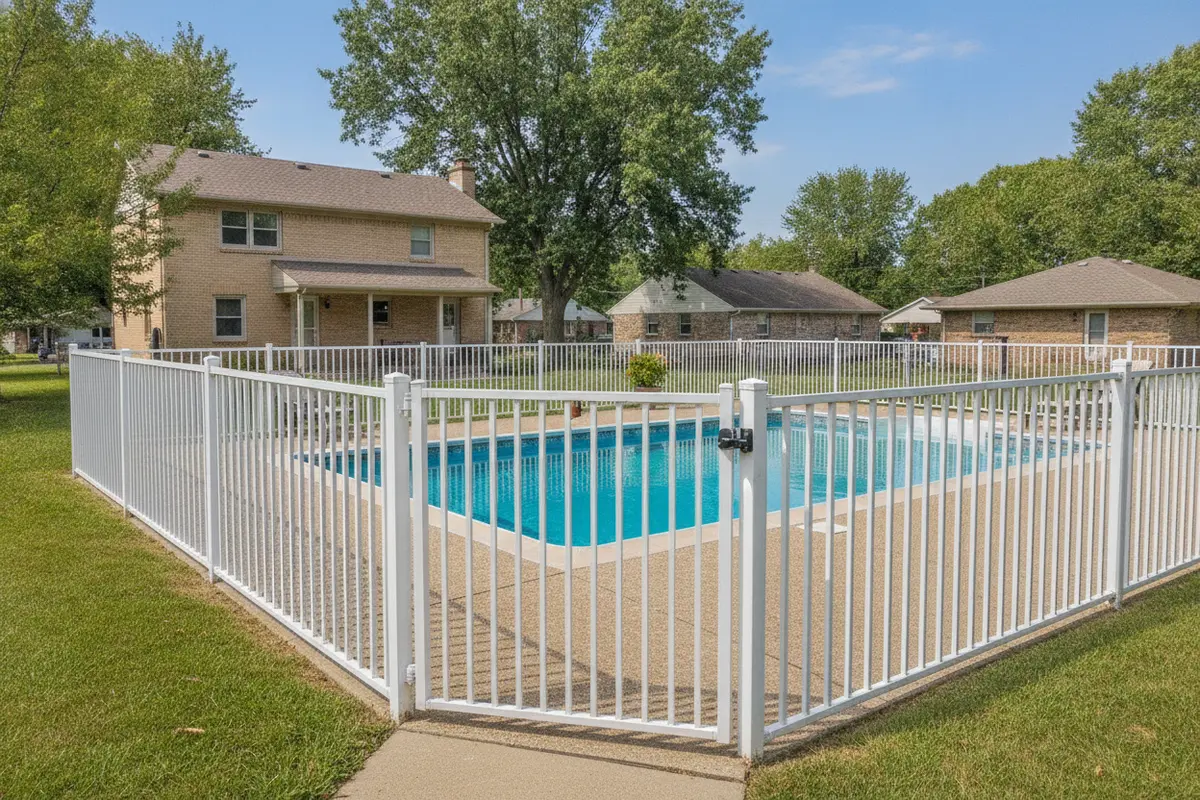
At a pool, it can help to document how the water was accessed. Was a gate open, difficult to latch, or out of view? Was there a barrier between the pool and a residence or common area? Did posted rules address access or supervision? Was a reported equipment problem documented or repaired? The physical arrangement can matter: a close-up of a latch may not show whether someone could easily reach the pool from a door, walkway, or shared space.
A barrier’s presence does not automatically establish that the area was safe, and an injury does not itself prove a barrier was inadequate. The investigation may need to compare photographs, maintenance records, witness accounts, and the applicable safety requirements. The Centers for Disease Control and Prevention provides general public-health information about drowning prevention and water safety through its official website; that information is not a determination of legal responsibility in a particular Missouri incident.
What losses and legal issues may be considered?
Depending on the injury and the available proof, a claim may involve medical expenses, expected future care, lost income, reduced ability to work, and the effects of pain or physical limitations. A fatal incident involves different legal and family issues from a nonfatal injury. Which losses may be legally recoverable depends on the claim and applicable law; a general list is not a valuation.
Keep bills and wage records, and document tasks for which the injured person needs help. Future medical needs should not be estimated from guesswork. Treatment can unfold over time, so early paperwork may not capture the full effect of a serious injury. An attorney may review records and explain what information could be relevant, while medical professionals address prognosis and care.
Missouri follows a pure comparative fault approach. In general, a person’s share of fault may reduce a recovery rather than automatically prevent one. The share, if any, depends on the evidence and legal analysis; it should not be assigned based on a brief description of the incident. The firm’s Missouri comparative negligence resource offers related background.
Missouri generally provides a five-year limitations period for many personal injury claims, but exceptions and different rules may apply depending on the type of claim, the parties, and the circumstances. A death-related claim or a claim involving a government entity may raise different questions. Do not calculate a filing deadline from a general article. Prompt legal review can help identify the rule that applies and whether evidence needs to be preserved soon.
Missouri does not generally cap damages in ordinary personal injury cases, but statutory exceptions and claim type can affect the analysis. No conclusion about a possible recovery follows from the incident description alone. Responsibility, causation, the nature of the injury, available insurance, and supporting evidence all matter.
How can families prepare for a legal consultation?
A first conversation can be more useful when the basic materials are organized, but families do not need a complete investigation before asking questions. Consider gathering a short timeline, names of people who were present, scene photographs, any report number, medical paperwork available so far, and communications with an insurer or property representative. Keep originals and note which information is incomplete.
Questions a family may want to ask include:
- What facts would help determine who owned, operated, or controlled the location?
- Could important video, maintenance records, or equipment be lost or changed soon?
- Which legal deadlines may apply to these parties and this type of claim?
- What information is needed to evaluate the injury and its effects over time?
- What should the family do if an insurer requests a recorded statement or release?
The firm’s personal injury questionnaire can help organize information, and its page on contingency fees in Missouri explains a related topic families may wish to discuss. A consultation is an opportunity to ask about the process; it does not guarantee a result.
When choosing counsel, ask who will handle the matter, how communication works, and how the attorney approaches insurance questions. Chad Mann’s background includes work in the insurance industry, which informs his understanding of how insurers evaluate and investigate claims. That experience does not predict the outcome of any particular case. The firm’s attorney background page provides additional information, and its article about when to consider hiring a personal injury attorney covers broader considerations.
What practical steps can families take now?
- Prioritize care. Follow medical guidance and keep records of treatment and changes in the injured person’s daily needs.
- Write a neutral timeline. Include dates, approximate times, locations, direct observations, and open questions. Preserve differing recollections rather than trying to make them match.
- Preserve what is available. Save original photos, relevant messages, bills, reports, and contact details. Make a note of where each record came from.
- Identify time-sensitive evidence. If a camera, safety device, or area may be changed, note it and consider asking the owner or operator in writing to preserve relevant material. Do not enter restricted or unsafe areas to collect evidence.
- Be measured in communications. Keep copies of requests and responses. Before signing a release or giving a detailed recorded statement, make sure you understand what is being requested and consider obtaining legal guidance.
- Ask about the applicable law and deadlines. The location, parties, and facts determine which rules matter. Do not assume a general limitations period covers every claim.
For additional background on how the firm approaches injury matters, families can review its guidance on evaluating whether to speak with an attorney and its library of legal articles. Different injury types involve different legal questions, so general information should not replace advice based on a particular event.
Share the incident details with the law office
Frequently asked questions
Can a family bring a claim after a near-drowning?
Possibly. A claim may be considered if another party’s legally actionable conduct caused an injury, but the facts, medical evidence, and applicable law must be assessed. The term near-drowning by itself does not establish responsibility.
Can a property owner be responsible for a pool injury?
Potentially, depending on ownership or control, the visitor’s circumstances, the condition of the property, notice of a hazard, applicable duties, and causation. The answer requires a fact-specific review; an injury at a pool does not automatically make the owner liable.
Does partial fault prevent recovery in Missouri?
Not necessarily. Missouri’s comparative fault approach generally allows a person’s assigned share of fault to reduce recovery rather than automatically bar it. How fault is assigned depends on evidence and legal analysis.
How long does a Missouri drowning injury claim take?
There is no fixed timeline. Medical treatment, the number of parties, disputes over responsibility, evidence collection, and negotiations or litigation can all affect how long a matter takes.
What are sensible next steps?
Families do not have to decide fault while coping with a serious injury. Focus on care, preserve available information, and seek guidance about the facts and deadlines that may apply to the specific Missouri incident.