
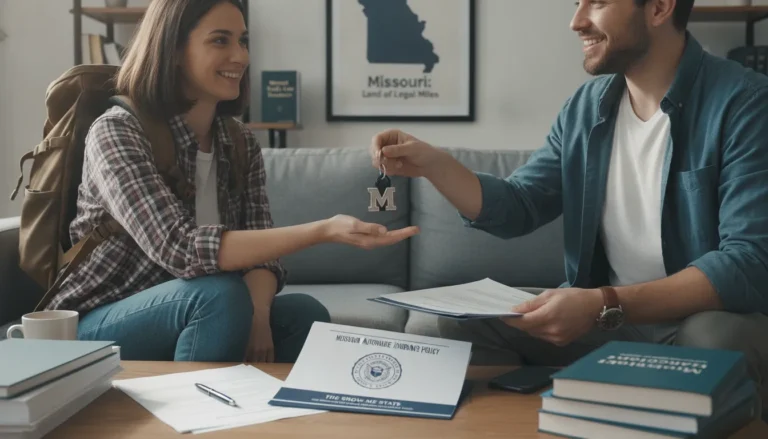
The Law Office of Chad G. Mann explains that after an accident in a borrowed car in Missouri, the car owner’s insurance typically pays first through the permissive use doctrine. When someone borrows your car and causes a crash, your policy follows the vehicle, not the driver. But the driver’s own insurance can also play a role if your policy limits are not enough. Understanding how borrowed car accident insurance Missouri rules work matters because multiple policies may apply. And missing a filing deadline or misreporting the facts can cost you the coverage you need.
Missouri’s insurance laws are built around the idea that coverage stays with the car. This means when you lend your car to a friend, your insurance is the first source of funds for any damage they cause. The driver’s own policy is normally a second layer, only paying once your policy hits its limits. But the full picture depends on permission, policy language, and the specific facts of the crash.
Tell The Law Office of Chad G. Mann what happened through the injury questionnaire.
If you or a loved one was hurt in a crash involving a borrowed car, the insurance rules can get complex quickly. Multiple policies may apply, and missing a deadline or misreporting the facts can cost you the coverage you need.
Borrowed Car Accident Insurance Missouri: How Insurance Follows the Car in Missouri
Missouri follows a legal principle called permissive use. This means that when you give someone permission to drive your car, your insurance policy is the primary coverage for any accident they cause. The car owner’s insurance pays first, up to the policy’s limits. This rule applies whether the driver is a friend, a family member, a coworker, or even a neighbor who borrowed the car for a quick errand.
The logic is straightforward: insurance follows the vehicle, not the driver. So if you own a car with a policy and let someone else drive it, your insurance is on the hook first if they crash. The borrowed car accident insurance Missouri framework treats the car as the insured object, meaning the coverage is tied to the car’s VIN, not the driver’s license number.
| Coverage Source | Role in a Borrowed Car Accident | When It Applies |
|---|---|---|
| Car owner’s liability insurance | Primary payer | Always, as long as the driver had permission |
| Driver’s own auto insurance | Secondary / excess coverage | When owner’s policy limits are exhausted |
| Driver’s non-owner policy | Primary if no owner’s policy | When the borrower has no regular vehicle |
| Uninsured/underinsured motorist (owner’s policy) | Available for injury claims | When the at-fault driver has no insurance |
When the Driver’s Own Insurance Comes Into Play
Every driver in Missouri must carry their own liability insurance. When that driver borrows someone else’s car and causes an accident, their personal policy acts as a secondary layer of protection. This setup means the injured party can look to two separate insurance companies for compensation rather than relying on just one.
The driver’s insurance kicks in when the car owner’s policy limits are exhausted. For example, if the owner has the state minimum of $25,000 per person for bodily injury and the medical bills exceed that amount. The injured person can then pursue the driver’s policy for additional payment. This stacking of coverage is one reason a borrowed car accident insurance Missouri claim can involve more than one adjuster and more than one set of policy limits.
Non-Owner Car Insurance Policies
Some drivers do not own a car themselves but carry a non-owner car insurance policy. These policies provide liability coverage when the driver operates a vehicle they do not own. In a borrowed car accident, a non-owner policy acts as the driver’s primary coverage when there is no owner’s policy available. Or as excess coverage when the owner’s policy pays first. These policies are common among people who frequently rent cars or borrow vehicles from family members.
Excess Coverage and Policy Limit Gaps
The real risk in any borrowed car accident is that neither policy has enough coverage. Missouri’s minimum limits are $25,000 per person and $50,000 per accident for bodily injury. A single serious injury can quickly exceed those numbers. When both the owner’s policy and the driver’s policy are exhausted, the injured party may need to look at underinsured motorist coverage, umbrella policies, or personal assets. A lawyer who understands how these policies interact can help identify every available source of funds.
Missouri’s Minimum Insurance Rules and Borrowed Vehicles
Missouri law requires every vehicle owner to carry liability insurance. These rules protect everyone on the road by making sure there is money to pay for injuries and damage. When you let a friend or family member drive your car, your insurance policy usually stays with the vehicle as the main source of funds. Knowing these rules is key for those dealing with a borrowed car accident insurance Missouri claim.
Minimum Liability Limits in Missouri
The state sets clear minimums for auto insurance that all drivers must follow. Per the Missouri Department of Revenue, you must have liability coverage to register a car. Missouri uses a “25/50/25” system for these limits:
- $25,000 for bodily injury per person.
- $50,000 for bodily injury per accident.
- $25,000 for property damage.
Knowing your medical bill liability in Missouri is key when insurance is not enough to cover the harm. This often happens in serious crashes.
Required Uninsured Motorist Coverage
In addition to liability, Missouri law requires uninsured motorist (UM) coverage. This coverage is needed because many drivers on the road do not have any insurance. The state requires UM limits of at least $25,000 per person and $50,000 per accident for bodily injury. If your friend borrows your car and is hit by an uninsured driver, your UM coverage will likely pay for their medical costs.
This rule applies as long as you gave them the okay to drive. The law calls this “permissive use.” Your policy should help them. But insurance firms may fight these claims if they think the use was not allowed. Keeping a good record of who has your car can help you avoid these fights.
Risks When Damages Exceed Your Policy
A major crash can well cost more than $25,000, especially if an injury is life-changing and leads to high medical bills. When your policy limits are hit, the injured party will look for other ways to get paid. They might go after the borrower’s own car insurance as second coverage to bridge the gap. If neither policy covers the full amount, the victim may sue the driver and the owner, so you may need a lawyer to help.
What Happens When There Was No Permission
Most car insurance covers your car even when someone else drives it. This is true as long as they have your okay to use the car. But things change when a person takes your car without your consent. In a borrowed car accident insurance Missouri case, the lack of your okay can lead to a denied claim. You must be able to show that you did not give them the go-ahead to use the car.
Insurance firms look closely at these cases to see if the use was truly not okay. If you let them use the car in the past, it may be hard to prove they did not have your consent now. If the claim is denied, the driver may be the only person left to pay for the crash. This can leave you and any victims in a tough spot if the driver has no money or plan of their own.
Stolen Cars and Insurance
If someone steals your car and causes a crash, your own fault coverage will not often pay for the harm. Instead, theft claims fall under your full coverage plan. The person who stole the car should pay for the damage they caused. Their own plan would be the first to pay, but most car thieves do not have a policy. You should file a police report right away if your car is stolen. This helps you by:
- Proving the car was taken without your okay
- Creating a record for your insurance claim
- Helping the police find your car
Excluded Drivers and Denied Claims
Some car owners choose to leave certain people off their plan. These are called excluded drivers. This is often done to lower the cost of the policy if the driver has a bad record. If an excluded driver takes your car and gets into a wreck, your insurance will likely say no to the claim. This is true even if you told them it was okay to drive that day. Dealing with these costs can be hard, especially when you are already facing medical bill liability in Missouri after a crash.
Missouri Law and Fault
Missouri law has clear rules for when a car owner is at fault for what a driver does. Under Missouri Revised Statutes Section 303.390, a car owner may not be held at fault for a crash just because they own the car. This is called vicarious liability. If the driver did not have your okay, it is much harder for others to sue you for the harm they caused. A lawyer can help you understand how these rules apply to your case.
Steps to Take After a Borrowed Car Accident in Missouri
Getting into a crash while driving a friend’s car or having a friend crash your car is stressful. Missouri laws on permissive use mean insurance usually follows the car, but the driver’s policy may also play a role. Following the right steps helps protect your rights and simplifies the claims process later.
Immediate Safety and Reporting
Your first priority is safety for everyone involved in the crash. Check yourself and your passengers for injuries before checking on the people in the other vehicle. If anyone is hurt or there is significant damage, call 911 right away to get medical help and police on the scene. A clear filing a Missouri car accident report is vital for your insurance claim.
Information Exchange and Documentation
You need to swap details with all parties, but borrowed car cases have an extra layer. Make sure to get the name and insurance info for both the driver and the car owner if they are different people. Use your phone to take photos of vehicle damage, license plates, and the road conditions. If witnesses are nearby, ask for their names and phone numbers since their statements can help prove what happened.
- Check for injuries and call 911. Make sure everyone is safe and get a police officer to the scene to create an official report.
- Exchange info with all parties. Collect names, phone numbers, and insurance details for every driver and vehicle owner involved.
- Document the scene fully. Take photos of the damage from many angles and write down the contact info for any witnesses.
- Notify both insurance companies. You must report the crash to the insurer for the car and the driver’s own insurance carrier.
- Preserve all evidence. Keep a log of every call with insurance agents and save copies of any letters or repair quotes you get.
- Call a personal injury lawyer. Speak with an attorney who knows Missouri law to help you handle medical bill liability in Missouri.
Legal and Insurance Follow Up
In Missouri, the car owner’s insurance is typically the primary coverage, but the driver’s insurance might act as secondary coverage. You should notify both companies to ensure you do not miss any filing deadlines. If the crash caused injuries, you may also need help recovering lost wages in Missouri through a legal claim.
Frequently Asked Questions
If someone borrows my car and crashes, does my insurance go up?
Missouri law lets insurers raise your rates after a claim on your policy, even if someone else was driving. Whether your premium increases depends on your carrier’s rules, your claim history, and whether the crash was your friend’s fault. Some policies include accident forgiveness that protects your first at-fault accident from a rate hike.
Does insurance follow the car or the driver in Missouri?
Insurance follows the car in Missouri. The vehicle owner’s policy is the primary coverage when someone else drives with permission. The driver’s own policy only pays after the owner’s limits are used up. This rule comes from Missouri’s permissive use statute and is the standard across nearly all states.
What is Missouri Revised Statutes Section 303.390?
Section 303.390 is the Missouri law that addresses a car owner’s vicarious liability for accidents caused by someone driving their car. Under this law, simply owning the car does not automatically make the owner liable for the driver’s actions. The owner can be held responsible only if the driver was acting as the owner’s agent or if the owner was negligent in letting someone unlicensed or unfit drive the car.
Can someone drive my car if they are not on my insurance in Missouri?
Yes, Missouri law allows someone to drive your car even if they are not listed on your policy. Your insurance covers permissive drivers as long as they have your express or implied permission. However, some policies have a “named driver exclusion” that specifically lists people who are NOT covered. If an excluded driver gets behind the wheel, the claim will likely be denied.
What happens if the driver of my borrowed car is uninsured?
Your policy still pays first since it follows the car. But if the driver has no insurance at all, your uninsured motorist coverage will not apply because the at-fault driver’s lack of insurance is not the issue. Your coverage is already paying as the primary policy. The real gap is if the damages exceed your policy limits and the driver has no money to pay the difference.
Ready to schedule a free consultation for your accident claim?
If you wait to file your case, you might lose the chance to get money for medical bills in Missouri and car repairs. Proof from the crash can disappear fast, and people may forget what they saw. Starting your claim today helps you lock in the facts before they are gone for good. Our team will deal with the insurance company for you so you can focus on getting better. We know how to find out who is at fault so you can get the pay you need to move forward. Do not let a missed date stop you from getting justice for your injuries and losses.
Ready to take action? Schedule a free consultation to talk to a lawyer about your case today.