

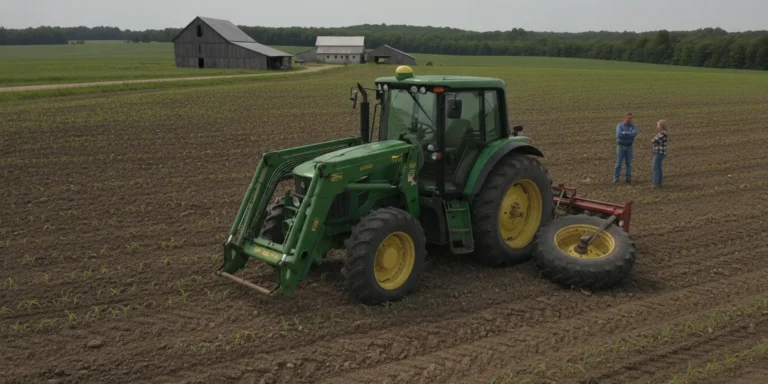
A serious farm injury can leave a family facing medical care, lost income, and difficult questions about what happened. A farm accident lawyer in Missouri may investigate whether machinery, livestock, unsafe property, a defective product, or another party’s conduct contributed to the injury. The right legal path depends on the facts, the people involved, and the available evidence, not simply on where the accident occurred.
Ask about your farm injury situation
What can a farm accident lawyer in Missouri help investigate?
A farm is both a workplace and an operating property. A single incident may involve a tractor, an implement, livestock, a roadway, a storage area, or a product used in the operation. Several parties may have had different responsibilities. An investigation can help identify what caused the injury and whether a person or business may be legally responsible.
Depending on the circumstances, potential sources of a claim may include:
- Negligent operation: A person may have failed to use reasonable care while operating a tractor, truck, loader, or other equipment.
- Unsafe property conditions: A dangerous walkway, unguarded hazard, poorly maintained structure, or other condition may have played a role.
- Product problems: A machine or component may have been defectively designed, manufactured, or accompanied by inadequate warnings.
- Livestock incidents: The animal’s handling, containment, or control may be relevant, along with what was reasonably foreseeable.
- Third-party conduct: A contractor, delivery driver, repair business, or another outside party may have contributed to the event.
These are investigative possibilities, not conclusions about any particular accident. A claim requires evidence connecting a responsible party’s conduct or a product or property condition to the harm. The facts also determine which legal rules and deadlines apply.
Why can farm accident cases involve more than one kind of liability?
Farm work often brings people, machines, animals, and property together in a changing environment. The person who owns the land may not be the person who operates the equipment. A machine may have been repaired by someone else or supplied by a manufacturer. A visitor might be injured in an area that serves a different purpose than the one they expected.
That overlap can make early assumptions unreliable. For example, a tractor rollover might prompt questions about the operator, the ground conditions, equipment maintenance, safety features, and the manufacturer. An injury near livestock could involve questions about a gate, a warning, the animal’s handling, and the injured person’s reason for being there. More than one factor can contribute, and responsibility may be disputed.
A careful review examines the sequence of events rather than treating the location alone as the answer. If an incident involved a commercial vehicle or a collision on a public road, a reader may also find useful background in this article about truck accident claims. A roadway collision involving a large truck can raise issues distinct from an injury on farm property.
What evidence may help explain a farm accident?
Conditions can change quickly after a farm accident. Equipment may be moved or repaired, an animal may be returned to a pen, and a damaged structure may be fixed. When possible and safe, preserving information early can help establish what the scene looked like and how the incident unfolded. No one should delay emergency care or put themselves at risk to gather evidence.
- Photographs and video: Images of the equipment, controls, guards, ground, lighting, gates, signs, and surrounding area may document conditions. Keep original files when available.
- Equipment information: Record the make, model, serial number, attachments, maintenance history, repair work, and any manuals or warnings. Avoid making changes to a potentially relevant machine before appropriate documentation.
- Witness details: Write down names and contact information for people who saw the event or conditions beforehand. Ask each witness to describe what they observed in their own words.
- Incident records: Preserve reports, messages, work schedules, purchase and repair documents, inspection records, and communications with any involved business or insurer.
- Medical documentation: Follow medical advice and keep discharge papers, appointment records, prescriptions, and notes about symptoms and functional limits.
- A timeline: Note when the event happened, what tasks were underway, who was present, and what changed afterward. Separate direct observations from guesses.
Do not alter, discard, or test equipment that may be connected to an injury. If a machine needs to be secured for safety, document its condition first if it is safe to do so and keep records of who handled it. Preserve messages and avoid posting detailed theories or blame online while facts are still being established.
For a head injury, symptoms and limitations may evolve. The firm’s resource on closed head trauma explains why documenting medical concerns and following professional care guidance can matter. It is not a substitute for an individual medical evaluation.
How do machinery and equipment claims differ?
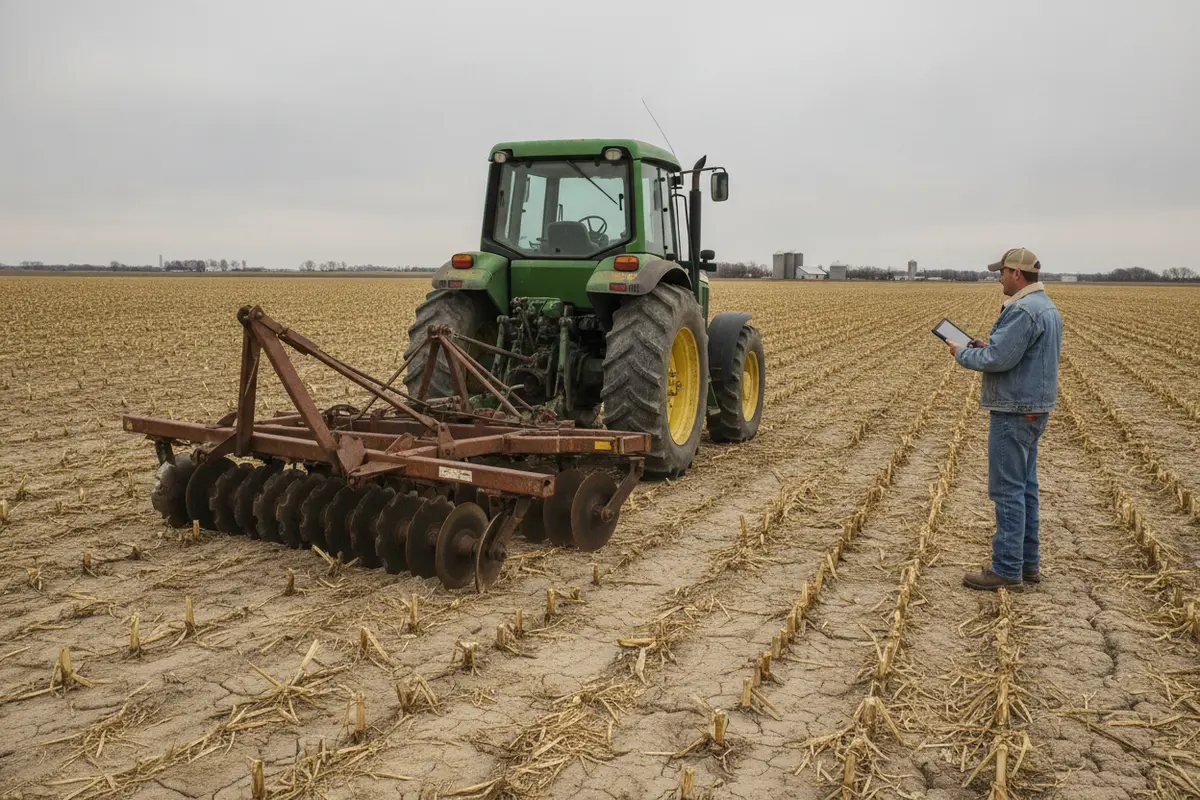
Equipment incidents may involve a tractor, power take-off, auger, baler, mower, skid steer, grain-handling system, or another machine. A useful investigation asks what the machine was doing, whether a guard or safety device was present, whether the equipment had been maintained, and whether the operator had received relevant instructions. The type of machine and the task matter; there is no single explanation that fits every accident.
If a product may have failed, preserve it and its components in their post-incident condition when feasible. Keep purchase, maintenance, and repair records. A product claim can require technical investigation into design, manufacture, warnings, or a specific failure. Do not assume that an injury proves a defect. Conversely, do not assume that a machine’s age alone resolves the question.
Where another person’s operation or maintenance is at issue, witness accounts and work records may help establish who used the equipment and what condition it was in. An accident involving a truck or other road vehicle can also raise separate questions about driver conduct and vehicle evidence; the firm has additional information about semi-truck accident lawsuits.
What questions arise in livestock and farm-premises cases?
Livestock incidents may involve a kick, charge, bite, escape, or collision with a vehicle. Investigators may look at the animal’s history and handling, the condition of a gate or enclosure, the location of the incident, warnings, and the relationship between the injured person and the farm. A visitor, worker, delivery person, or neighboring landowner may have encountered the animal under different circumstances.
Missouri law does not make every injury involving an animal automatically the owner’s responsibility. The relevant facts and legal theory matter. For a general comparison of issues that can arise in animal-injury matters, see the firm’s overview of Missouri dog bite laws. A dog-bite article does not determine liability for livestock; it is background on why the details of an animal-related incident matter.
Premises cases also depend on the injured person’s reason for being on the property, the condition that caused harm, and what the property possessor knew or should have known. Photographing the area, identifying who controlled it, and preserving any prior complaints or repair records may help answer those questions. Avoid entering restricted or hazardous areas to gather information.
Who may be responsible for an injury on a farm?
Potentially responsible parties vary by case. They may include an individual operator, a land possessor, an equipment maker or seller, a repair provider, a contractor, or a driver. Identifying a party does not establish liability; evidence must support the relevant legal elements. Sometimes an investigation rules out a suspected cause or shows that multiple contributing factors need review.
It can help to sketch a simple responsibility map:
| Incident type | Questions to investigate | Potentially relevant evidence |
|---|---|---|
| Equipment operation | Who operated or maintained the machine? Was it being used as intended? | Witness accounts, maintenance records, photographs, work instructions |
| Possible product failure | Did a component break or did a warning or safety feature raise a concern? | Machine and part condition, model information, manuals, repair and purchase records |
| Livestock incident | How was the animal handled or contained, and who controlled the area? | Gate or fence condition, animal records, witness statements, prior incident reports |
| Premises hazard | Who controlled the location, and was the condition known or reasonably discoverable? | Scene images, inspection and repair history, notices, property records |
| Road or delivery collision | Which drivers or businesses were involved, and what happened before impact? | Vehicle damage, photos, dispatch or delivery records, witness details |
This table is a starting point, not a checklist that proves a claim. Evidence can overlap, and more than one category may apply to the same event. A lawyer may also investigate whether a business or insurer holds records that an injured person cannot obtain independently.
How does Missouri comparative fault affect a farm injury claim?
Missouri follows a pure comparative fault approach. A person’s share of fault may reduce the damages they can recover, but partial fault does not automatically bar recovery. The percentage of responsibility is a fact-specific issue, and the parties may disagree about it.
In a farm setting, arguments about fault might concern training, equipment use, a warning, a gate, visibility, or the decision to enter an area. It is important to record what happened accurately and avoid filling gaps with assumptions. If an insurer asks for a recorded statement or requests a broad release, consider understanding the request and its effects before responding. An insurance company’s position is not a final ruling on responsibility.
The firm’s attorney background page provides information about Chad Mann and his experience. His prior work with national insurance companies informs his understanding of how insurers evaluate, negotiate, and deny claims; it does not promise a particular result in any case.
What losses may be considered after a serious farm injury?
Depending on the facts and applicable law, a personal injury claim may seek compensation for supported losses related to the injury. These can include medical expenses, lost income, reduced ability to earn, and the effects of pain and limitations. The available categories and proof differ from one claim to another. No article can calculate a case’s value, and no particular recovery is guaranteed.
Keep bills, explanation-of-benefits documents, wage information, and records of missed work or changed duties. A short daily note about pain, sleep, mobility, and tasks that have become difficult may help a person describe changes to medical providers. Such notes should be honest and factual, not written to predict a legal outcome.
Missouri generally has a five-year statute of limitations for personal injury claims, but that general rule does not settle the deadline for every situation. Special parties, claim types, or circumstances can involve different or shorter notice requirements. Do not wait until a deadline is near to find out which rule applies. A lawyer can review the facts and identify the relevant time limits.
What if a farm worker was injured?
This article focuses on potential injury claims involving equipment, property, products, livestock, or third parties, rather than providing a general workers’ compensation guide. An injury at work can raise separate questions about employment status, benefits, and whether a claim against someone other than an employer may exist. Those questions depend on the work arrangement and the specific facts. A worker should not assume that an injury is either only an employment matter or automatically a personal injury lawsuit.
For context, the Missouri Department of Labor’s Facts for Injured Workers is an official state resource for injured workers. Its subject is worker-related information; it does not resolve whether a separate third-party claim exists in a particular farm accident. Keep any relevant work, incident, medical, and equipment records and seek advice tailored to the situation.
How can someone prepare to speak with a lawyer?
A first conversation is more useful when the basic facts are organized. You do not need to solve the legal issues before asking questions. If available, gather:
- The date, location, and a short description of the incident.
- Names of people, businesses, owners, or drivers involved.
- Photographs, video, witness contact details, and any incident report.
- Equipment or product information, along with maintenance or repair records.
- Medical records, bills, work-impact information, and insurance communications.
- A list of unanswered questions, including any deadline or document request.
Do not send original records unless you understand why they are needed, and keep a copy of anything you provide. A person can use the firm’s personal injury questionnaire to organize basic information before contacting the office. Information shared through a form should be accurate and limited to what the form requests.
The Law Office of Chad G. Mann represents injury victims in Springfield and Southwest Missouri. The firm’s practice information is available on its personal injury article archive. Legal advice depends on an individual review of the facts and applicable law.
Contact the office to discuss your circumstances
Frequently asked questions
Can I bring a claim if I was partly at fault for a farm accident?
Possibly. Missouri’s pure comparative fault rule allows recovery to be reduced by a person’s share of fault rather than automatically barred because they were partly responsible. How fault is assessed depends on the evidence and the facts.
Does an injury on farm property automatically make the owner liable?
No. The circumstances matter, including who controlled the area, what caused the injury, what the property possessor knew, and why the injured person was there. The location by itself does not establish liability.
What should I do with machinery involved in an accident?
Prioritize safety and medical care. If feasible, document the machine and its condition before it is moved or repaired, and preserve manuals, maintenance records, and related communications. Do not operate or inspect unsafe equipment yourself.
How long do I have to file a Missouri farm injury claim?
Missouri generally has a five-year limitations period for personal injury claims, but exceptions and other notice deadlines may apply. The correct deadline depends on the claim and the parties involved, so get case-specific guidance promptly.
What if the injury involved an animal or a defective product?
Those facts may call for a focused investigation into animal handling or containment, product design or manufacture, warnings, maintenance, and who had control. Preserve relevant records and the condition of the animal-related area or product when it is safe to do so.
A farm injury can affect a person’s health, work, and family well beyond the day it happened. Preserving evidence and getting advice based on the specific circumstances can help clarify what options may be available.