


After an injury, the paperwork can grow faster than the treatment itself. Missouri personal injury claim medical treatment records help show what care followed, which providers were involved, and how symptoms were documented over time. A clear file is easier to review than a stack of mixed bills, notes, and imaging.
What Missouri personal injury claim medical treatment records can show
Hospitals, physicians, therapists, imaging centers, and pharmacies each create their own records. Depending on the visit, those records may include reported symptoms, examination findings, diagnoses, test results, treatment recommendations, prescriptions, and progress notes. No single file captures every effect of an injury. Together, the documents can help build a medical timeline.
For a personal injury claim, the file may help a reviewer see when symptoms were reported, what a provider observed, what care was recommended, and whether follow-up happened. Records do not, by themselves, decide who caused an accident. Evidence about the event, work limits, and other losses can matter too.
In a serious injury matter, the history may include emergency care, surgery, rehabilitation, specialist visits, and continuing treatment. The point of gathering records is not to create a larger stack of paper. It is to preserve accurate information and to see what the treatment history does, and does not, show. A clinical finding is different from a bill, and both differ from your own memory of pain or daily limits.
Which documents belong in the file
Start with a provider list, then match documents to the care you actually received. The Law Office of Chad G. Mann represents people hurt in auto accidents, slip and falls, dog bites, and workplace injuries in Springfield and Southwest Missouri. The useful records depend on that kind of event and on the treatment that followed.
- Ambulance and emergency department records, when emergency care happened.
- Hospital admission, discharge, and operative reports.
- Clinic and specialist notes, including follow-up instructions.
- Imaging reports and diagnostic test results.
- Physical, occupational, or other therapy evaluations and progress notes.
- Medication lists, prescriptions, and relevant pharmacy records.
- Itemized bills and explanations of benefits, kept apart from clinical notes.
- Work restrictions, activity instructions, and equipment recommendations.
A document is more useful when it relates to the injury, its treatment, or its effects. Keep potentially relevant material, but do not assume that unrelated medical history should be sent to an insurer. Ask what is requested, and why, before disclosing sensitive records.
How to build a treatment timeline
A date-based list is a practical starting point. Include the incident date, appointments, tests, treatment changes, and periods when symptoms changed. Note the provider and the type of visit. Keep your memory separate from what a provider wrote. For example, “I recall numbness began that evening” is your recollection. It is not a clinical finding.
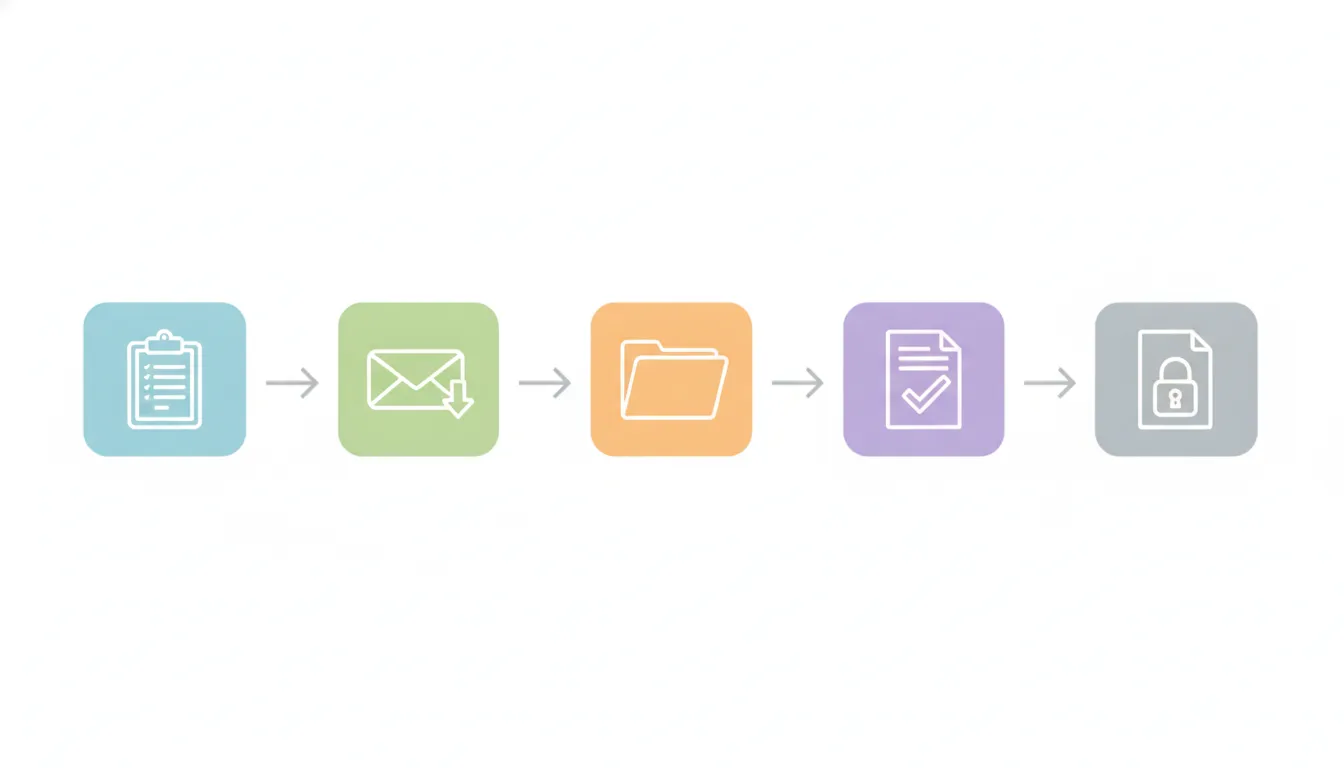
- List every provider. Include hospitals, clinics, therapists, specialists, and approximate visit dates. Add contact details when you have them.
- Request records from each source. Ask about authorization, identity checks, processing time, and copy procedures.
- Name the categories and dates. Clinical notes, imaging, billing, and pharmacy records may be handled separately. State the date range and the document type.
- Save each request and response. Keep a copy, and note when it was sent, how it was submitted, and whether a response arrived.
- Compare the return with your list. Follow up if a major visit, test, or provider is missing, or if the response covers only part of the period.
If an emergency visit led to imaging and then a specialist referral, list each step separately. The emergency department may hold its notes. An imaging provider may hold the report or the images. The specialist may have a separate chart. A request to one source may not produce the others.
Some offices handle medical records and billing through different processes. Ask for both when both are needed. The U.S. Department of Health and Human Services explains individual access rights under HIPAA, including how to request records from covered providers: HHS guidance on accessing medical records. The provider can explain its own request process.
How to review records after they arrive
Review documents for basic accuracy. Do not try to diagnose yourself from them. Look for a wrong date, a misspelled name, an incorrect body part, or a visit that seems to be missing. If you find a possible error, ask the provider how to submit a correction or clarification. Do not edit a medical record yourself. Keep the original and any later response together.
Check whether the records cover the whole period you requested. A chart might include the first visit and omit a later follow-up. A test report may be present while the images are held somewhere else. A bill may show a date of service without explaining the clinical reason. Make a short missing-items list and ask for the specific item, rather than sending the same broad request again.
Also write down questions for the treating provider. If symptoms persist, worsen, or change, describe them during care and follow professional medical advice. A gap in treatment may prompt questions later, but scheduling, access, or a provider’s instructions can explain a gap. Keep a truthful note of what happened instead of reconstructing an explanation much later.
Do not skip recommended care to shape a claim, and do not seek care that is not medically appropriate. Health decisions belong with qualified providers. If a note is unclear, ask the clinician what it means instead of guessing.
How records fit with other claim evidence
Treatment records are one part of a broader picture. Photographs, incident reports, witness information, wage documents, and your own dated notes can add context that clinical notes do not contain. Keep those categories in separate folders so a bill is not mistaken for a medical finding.
Who pays those bills while a claim is open is a different question. The firm’s guide to who pays medical bills after a car accident in Missouri covers payment sources. This article stays on the treatment file itself.
A private symptom log can help you talk with a provider. Note the date, the symptom, the activity affected, and the question you want to ask. A specific note is more useful than “could not function.” For example, lifting a grocery bag on Tuesday increased shoulder pain, so you stopped and rested. Avoid exaggeration and avoid conclusions about medical cause. A clinician can assess the symptom and document findings.
When records later support a written request to an insurer, organization matters there too. The firm’s Missouri injury demand letter guide explains how a demand uses a clear chronology. It does not replace the work of getting the underlying records.
What an insurer may ask about the file
An insurer may look at the treatment chronology and at how the reported injury connects to the care. It may also look at earlier or later complaints, and at whether the documents support claimed losses. Chad Mann’s work with major insurance carriers informs how he looks at the way insurers review and negotiate claims. That background does not decide how any one claim will be handled.
Before sending records, understand the request. A broad authorization can reach past one provider or one date range. Ask which records are needed, which dates are covered, and whether copies can be sent directly. Do not sign a form you do not understand.
The firm’s contact page also asks people not to email medical records or detailed histories until the office confirms a secure way to send them. The same caution covers Social Security numbers, dates of birth, and policy numbers. It applies before a consultation as well as during one.
Accuracy still matters. If a record seems incomplete or mistaken, do not hide it or change it. Ask the provider about the correction process, and be ready to explain the context truthfully. Keep a copy of what you submit and of the response, so an original entry stays distinct from a later clarification.
What Missouri law changes about timing and fault
Missouri injury claims follow state law, and deadlines can depend on the facts and the type of claim. The firm’s published materials describe a general five-year limitations period for many personal injury claims, with exceptions and different rules in some situations. Do not use a general article to calculate your own deadline.
Missouri uses a pure comparative fault approach. A claimant’s share of fault can reduce recovery rather than automatically bar every claim. Treatment records do not allocate fault. They mainly concern injury and care. Whether a claim is viable depends on the facts and the applicable law.
If an insurer compares older complaints with care after a crash, that comparison is its own issue. The firm’s article on a pre-existing condition car accident claim in Missouri covers that question. This guide only explains how to keep the treatment file complete enough for that kind of review.
Treatment records and related papers at a glance
| Record type | What it may document | Practical check |
|---|---|---|
| Clinical notes. | Symptoms, examination, diagnosis, and plan. | Confirm dates, provider, and follow-up notes. |
| Imaging and tests. | The test performed and the reported findings. | Request the report and ask how to get images. |
| Therapy records. | Function, progress, and recommended limits. | Confirm the date range and missing sessions. |
| Billing records. | Charges and payments tied to care. | Keep bills apart from clinical notes. |
| Personal timeline. | Your recollection of symptoms and daily impact. | Date each entry and keep it separate. |
How to organize a large record set
When treatment spans months or several facilities, use one filing method instead of memory. Put clinical records in one folder, bills and insurance statements in another, and requests and correspondence in a third. Name digital copies with a date and provider, such as “2026-05-12-clinic-follow-up.” Leave originals unchanged. For paper, put a short index at the front and mark which providers have responded.
A tracking sheet can list the provider, record type, date range, request date, response date, and anything still missing. If a therapy office sends progress notes but not the initial evaluation, mark the evaluation as missing and ask for that item. A partial response is not a complete chart. If the provider says it has nothing responsive, write that answer down too.
Use a separate chronology to connect documents without rewriting them. Each row can hold the date, the event, the source, and a short neutral description. “June 3: orthopedic follow-up; activity limits discussed; see visit note” is a pointer, not a medical conclusion. The original record remains the source.
If a family member is helping someone with a serious injury, split the tasks but keep one shared list and one secure storage place. One person might track provider requests while another gathers bills. Do not send health information through a public or shared account. Confirm that the injured person, or an authorized representative, can make the request and receive the material.
How to handle missing, duplicate, or unclear records
A missing document does not always mean the provider ignored the request. Records may sit with a facility, a physician group, an outside imaging vendor, or a separate billing office. Check the name on appointment papers and statements, then ask which organization keeps each category. State the date range and the exact item, such as a radiology report, instead of asking for “all records.”
Keep duplicates, but do not treat them as extra visits. Compare dates, provider names, and pages. Do not discard a copy that includes a different page or attachment. If two copies conflict, save both and ask the custodian about the difference. A duplicate bill and a clinical note can look similar in a large packet and still serve different purposes.
If a phrase or abbreviation is unfamiliar, write the question down for the treating professional. A claim file is not a substitute for medical interpretation. If the record does not match what you remember saying, use the provider’s process to request an amendment or add a statement. Do not alter the underlying document.
Practical mistakes to avoid
- Waiting to organize. An early provider list makes missing documents easier to spot.
- Assuming one request gets everything. Billing and clinical records are often kept apart.
- Signing a broad release without reading it. Check the providers and the dates before authorizing disclosure.
- Emailing private health details. Wait for a secure method before sending records or identifiers.
- Overstating symptoms. Describe them accurately and let the treating professional document findings.
- Throwing away originals. Keep records, requests, responses, and bills.
Frequently asked questions
Should I request every medical record I have?
Start with the providers and date ranges tied to the injury and the related symptoms. A lawyer can help assess what a particular claim may need. An unrestricted release is not automatically the right first step.
Can a symptom diary replace treatment records?
A diary can help you remember symptoms and questions for a provider. It does not replace examination notes, test reports, or therapy records. Keep it factual.
What if I did not seek care right away?
Be truthful about when symptoms began and when you sought care. There can be many reasons for a delay. A provider can evaluate your condition, and a lawyer can discuss how the timeline may matter in a claim.
Do treatment records prove who caused the accident?
Usually they document health and treatment. They may include what a patient reported, but fault generally depends on other evidence and on the circumstances of the event.
Where can I learn more about the attorney?
The about page for Chad G. Mann describes his Springfield practice, his work with major insurance carriers, and the injury matters the office handles in Southwest Missouri.
Sensible next steps
Make a provider list, request the relevant records and bills, and organize the responses by date. Keep related evidence, and tell your healthcare providers about changing symptoms. If a release, a missing record, or a possible deadline is unclear, get advice based on the specific facts rather than relying only on a general guide.
Medical documentation is most useful when it is complete, accurate, and read alongside the rest of the evidence. Careful recordkeeping can show what information is available before you decide what to do next.