

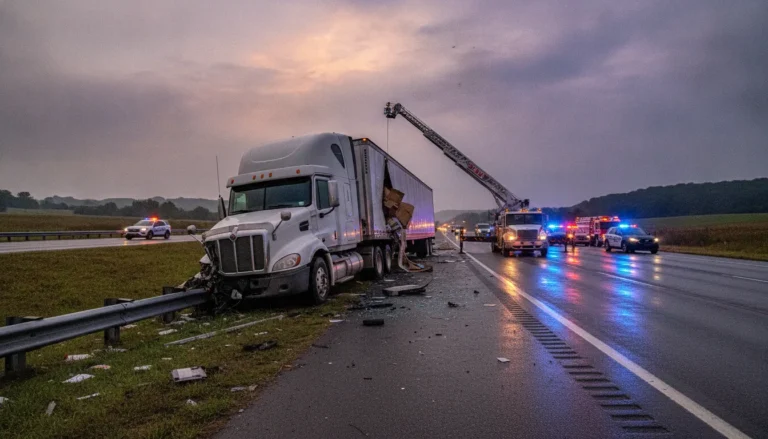
A crash with a commercial truck can leave you hurt, shaken, and unsure what to do next. Your first priorities are safety and medical care. After that, the steps you take can affect whether key evidence is saved and whether you can pursue fair payment for your losses. An auto accident injury attorney can help preserve driver logs, carrier records, and medical proof.
Ready to talk with a truck accident lawyer in Springfield, MO? Schedule a free, confidential consultation with The Law Office of Chad G. Mann.
A truck accident lawyer Springfield MO residents trust can investigate the driver, trucking company, and other businesses involved. Truck cases often involve more evidence and more possible responsible parties than a typical car crash. This guide focuses on protecting time-sensitive trucking evidence, dealing with commercial insurers, and making informed decisions after the scene is cleared.
Truck accident lawyer Springfield MO: immediate steps
The scene of a truck wreck may be dangerous because of traffic, debris, spilled cargo, or leaking fuel. Do not take a risk to gather evidence. Move to a safe place if you can do so, turn on hazard lights, and wait for emergency help.
Call 911 and get medical care
Report the crash to 911 and ask for police and medical help. Tell the dispatcher about blocked lanes, fire, or hazardous cargo. Accept an evaluation from emergency medical staff. Some injuries are not obvious right away because shock can mask pain.
Continue with recommended medical care after leaving the scene. Keep appointments and tell your providers about every symptom. Medical records can connect your injuries to the crash and show how they affect daily life.
Document what you safely can
If your condition allows, use your phone to take photos and video. Capture the vehicles, road, lane markings, traffic signs, weather, debris, skid marks, and visible injuries. Photograph the truck’s company name, license plate, trailer number, and government identification numbers.
Ask witnesses for names and contact details. Their accounts may help explain how the crash happened. Give police accurate facts, but do not guess about speed, distance, or fault. Ask how to obtain the crash report.
- Move away from traffic and immediate hazards.
- Call 911 and request medical care.
- Exchange identifying and insurance details.
- Take photos and collect witness information if safe.
- Avoid admitting fault or making guesses.
- Save every record related to the crash.
Why truck accident claims differ from car accident claims
A commercial truck claim is not simply a larger car accident claim. The truck may be owned, operated, loaded, maintained, and insured by different businesses. Each may hold records that show what went wrong. Those records can be lost under routine retention rules if no one asks that they be saved.
| Issue | Typical car crash | Commercial truck crash |
|---|---|---|
| Possible responsible parties | Often one or two drivers | Driver, carrier, loader, maintenance vendor, broker, or maker |
| Key evidence | Photos, witness accounts, police report | Also logs, black box data, dispatch files, and inspection records |
| Rules | State traffic laws | State law plus rules that may govern commercial operations |
| Insurance | Usually personal auto policies | May involve several commercial policies and insurers |
Commercial rules may shape the investigation
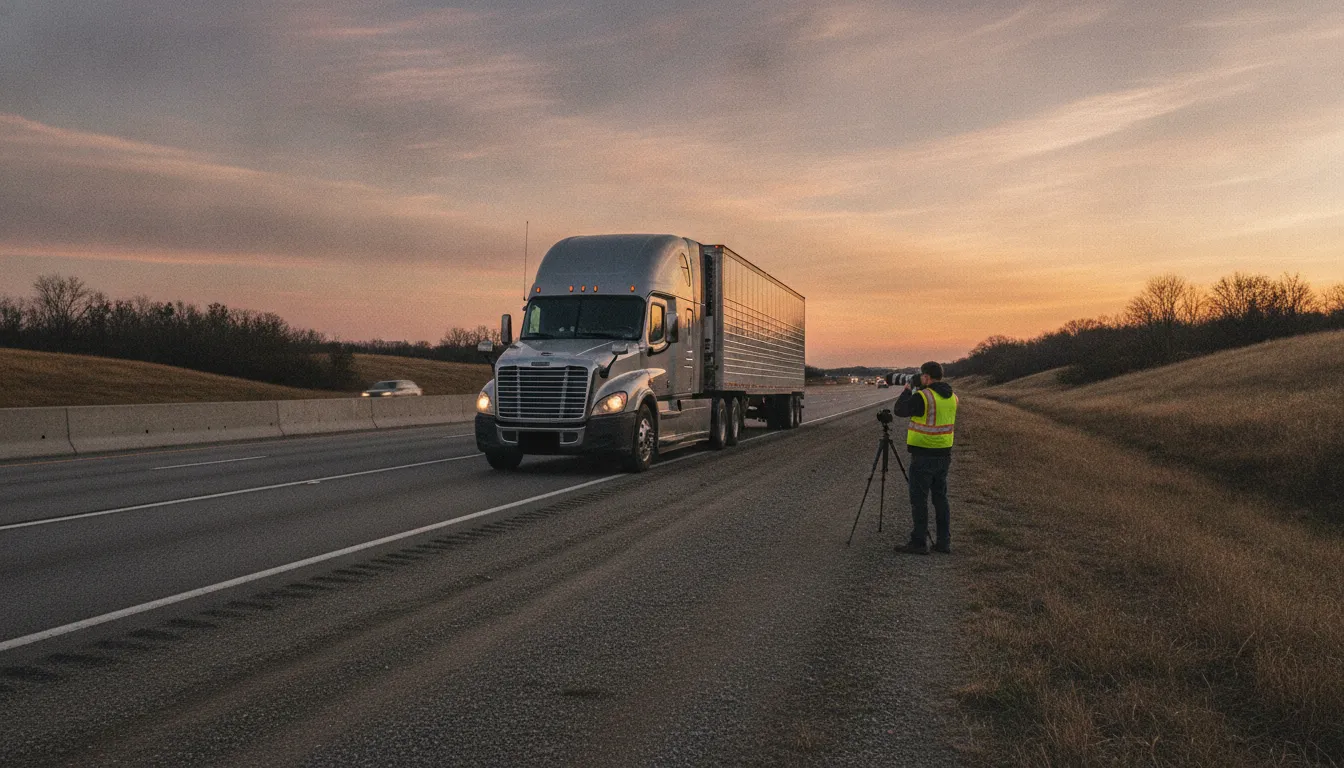
Truck drivers and carriers may have duties tied to driving time, inspections, vehicle condition, and driver qualifications. A violation does not automatically prove a case. Still, logs and company records may help show whether unsafe conduct contributed to the wreck. For a broader overview of these claims, read the firm’s Missouri truck accident lawyer guide.
Severe losses require careful documentation
The size and weight of a tractor-trailer can cause serious harm. A full claim may involve emergency bills, follow-up care, future treatment, lost income, reduced ability to work, pain, and changes to daily life. The full impact may not be clear in the first days after a crash.
Who may be liable for a commercial truck accident?
A commercial truck accident may involve responsibility by the driver, motor carrier, cargo loader, maintenance contractor, parts maker, or another business. The correct answer depends on who controlled each safety decision and what the evidence shows.
The truck driver and motor carrier
A driver may be responsible for unsafe speed, distraction, fatigue, poor lane control, or another careless act. The carrier may also face responsibility based on its own conduct or its relationship with the driver. Relevant issues can include hiring, training, supervision, scheduling, and vehicle safety practices.
Other businesses in the supply chain
A loading contractor may be involved if cargo shifted or was not secured. A maintenance provider may be involved if poor work contributed to a brake or tire failure. A parts maker may be involved when a defective component caused the crash. A broker or shipper may also require review in some cases.
No single list fits every wreck. That is why early investigation matters. Contracts, records, and insurance documents can help identify each party and explain its role.
Do not let time-sensitive records disappear. Contact Chad G. Mann for a free consultation about preserving evidence and identifying every potentially responsible party.
What evidence matters in a truck accident investigation?
Evidence can tell a clearer story than memory alone. Some records remain with law enforcement or medical providers. Other records are controlled by the trucking company and may not be available unless they are requested through the proper process.
Electronic and vehicle data
Commercial trucks may contain an event data recorder, often called a black box. Depending on the system, data may help show speed, braking, or other vehicle activity. Electronic logging devices may contain information about driving and rest time. Dash cameras, nearby business cameras, and traffic cameras may also hold useful footage.
Company and driver records
Driver qualification files, dispatch messages, trip documents, inspection reports, repair records, and cargo papers may help answer important questions. Phone records and post-crash test results may also be relevant when supported by the facts and obtained lawfully.
An attorney can send a preservation notice asking the parties to keep specific evidence. That notice is most useful when sent before records are deleted, overwritten, repaired, or discarded. The truck itself may also need to be inspected before it returns to service.
Why preservation notices should be specific
A useful preservation request identifies the types of evidence connected to the crash instead of making only a vague demand to save everything. Depending on the facts, it can address electronic logging data, event recorder downloads, in-cab video, dispatch messages, driver qualification records, maintenance files, inspection reports, cargo documents, and the tractor and trailer themselves.
The request does not prove fault by itself. Its purpose is to reduce the risk that routine business processes erase or replace information before the parties can review it. Acting quickly also helps an investigator locate independent witnesses and nearby video while memories and recordings are still available.
How to protect your claim after leaving the scene
The work does not end when you leave the crash site. The following days can affect your health and the quality of the evidence. Use a simple file or folder to keep records in one place.
Follow treatment and track your losses
Attend medical appointments and follow reasonable care instructions. Save bills, receipts, work notes, wage records, and mileage related to care. A short daily journal can document pain, sleep problems, missed activities, and tasks you now need help completing. The firm’s guide to auto accident injury claims in Springfield explains how legal help can fit into recovery.
Do not post details, photos, or opinions about the crash on social media. An insurer may review public posts and use them without the full context. Ask close family members not to post about your condition or activities either.
Be cautious with insurance contacts
An insurance adjuster may call soon after the wreck and ask for a recorded statement. Be polite, but remember that the adjuster works for the insurer. You can provide basic contact information without guessing, minimizing injuries, or agreeing to a broad release. Review what to consider when an insurance adjuster calls after an accident.
An early settlement offer may arrive before doctors understand your recovery needs. Accepting a settlement usually ends the claim. Before signing a release, make sure you understand what losses it covers and what rights you give up.
When should you contact a truck accident lawyer in Springfield, MO?
You can contact an attorney as soon as your immediate medical needs are under control. Prompt action gives the attorney more time to locate witnesses, inspect the vehicles, request video, and ask that trucking records be preserved. It also lets you direct insurer questions to someone who understands the claim.
What an attorney can do
A lawyer experienced with commercial truck cases can identify possible responsible parties and review the rules that apply. The lawyer can gather records, work with qualified experts when needed, document losses, and handle communications with insurers. The lawyer can also explain deadlines and options based on the facts of your case.
Hiring a lawyer does not guarantee a particular result. Every case depends on its evidence, injuries, insurance coverage, and legal issues. A consultation can still help you understand the next practical step.
What to bring to a consultation
Bring the police report number, photos, witness details, insurance letters, medical records you have, bills, and a list of providers. Include any messages from the trucking company or its insurer. Do not delay a consultation just because some documents are missing. An attorney can help identify what else is needed.
number, photos, witness details, insurance letters, medical records you have, bills, and a list of providers. Include any messages from the trucking company or its insurer. Do not delay a consultation just because some documents are missing. An attorney can help identify what else is needed.
You can also review the firm’s personal injury attorney services and its guidance on giving a recorded statement after a Missouri accident.
How an experienced truck accident lawyer builds the claim
A truck accident claim is built in stages. First, the lawyer listens to the injured person’s account, reviews the initial records, and identifies evidence that may disappear. Next, the investigation tests possible explanations against documents, physical evidence, witness accounts, and applicable safety duties. Finally, the lawyer documents the full effect of the injuries before evaluating resolution options.
Connecting evidence to responsibility
A black box download or driving log is useful only when it is placed in context. Vehicle data may need to be compared with the crash report, photographs, medical records, inspection documents, and witness statements. Company policies and dispatch messages can help show whether a safety problem was isolated or connected to business decisions.
The same careful approach applies to damages. Medical bills show cost, but they do not always explain how an injury affects work, sleep, family responsibilities, or future care. Wage records, provider opinions, and a consistent treatment history can provide a fuller picture.
Preparing before settlement discussions
Commercial claims may involve several insurers with different interests. A quick offer from one party might not account for the conduct of another party or the long-term effect of an injury. Before resolving a claim, the injured person should understand the available evidence, responsible parties, insurance issues, and rights being released.
The Law Office of Chad G. Mann brings experience dealing with insurance company tactics and provides direct attorney attention. The goal of an initial consultation is practical: understand what happened, identify the next steps, and decide whether legal representation makes sense for the specific case.
Frequently asked questions
Should I talk to the trucking company’s insurance adjuster?
You may need to report basic facts, but you do not have to guess or give a detailed recorded statement immediately. Consider getting legal advice before discussing injuries, fault, or settlement. An adjuster represents the insurer’s interests.
What if I felt fine at the scene but hurt later?
Seek medical care promptly and explain when symptoms began. Some injuries become more noticeable after shock and stress fade. Medical providers can evaluate your condition and recommend care.
Can more than one company be responsible?
Yes. Depending on the facts, responsibility may involve the driver, carrier, loader, maintenance company, parts maker, or another business. Records and contracts help show each party’s role.
Why is black box data important?
Available electronic data may help show vehicle activity before a crash. Its contents and usefulness vary by truck and system. Prompt preservation efforts can reduce the risk that relevant data is overwritten or lost.
How much is a truck accident claim worth?
There is no reliable one-size-fits-all amount. Value depends on responsibility, available evidence, injuries, medical needs, income loss, insurance coverage, and other facts. A lawyer can assess those issues after reviewing the case. Related guidance: our construction zone crash evidence article explains another issue that can affect injury claims and insurance negotiations.
Get help after a Springfield truck accident
A commercial truck wreck can create medical, financial, and legal pressure at the same time. You do not have to sort through trucking records and insurance questions alone. The Law Office of Chad G. Mann can review the facts and explain your options.
Schedule a free consultation with a truck accident lawyer serving Springfield, Missouri. Bring what you have and get clear guidance on the next step.